How to Verify Quick-Connect Buckets Fit Your Excavator
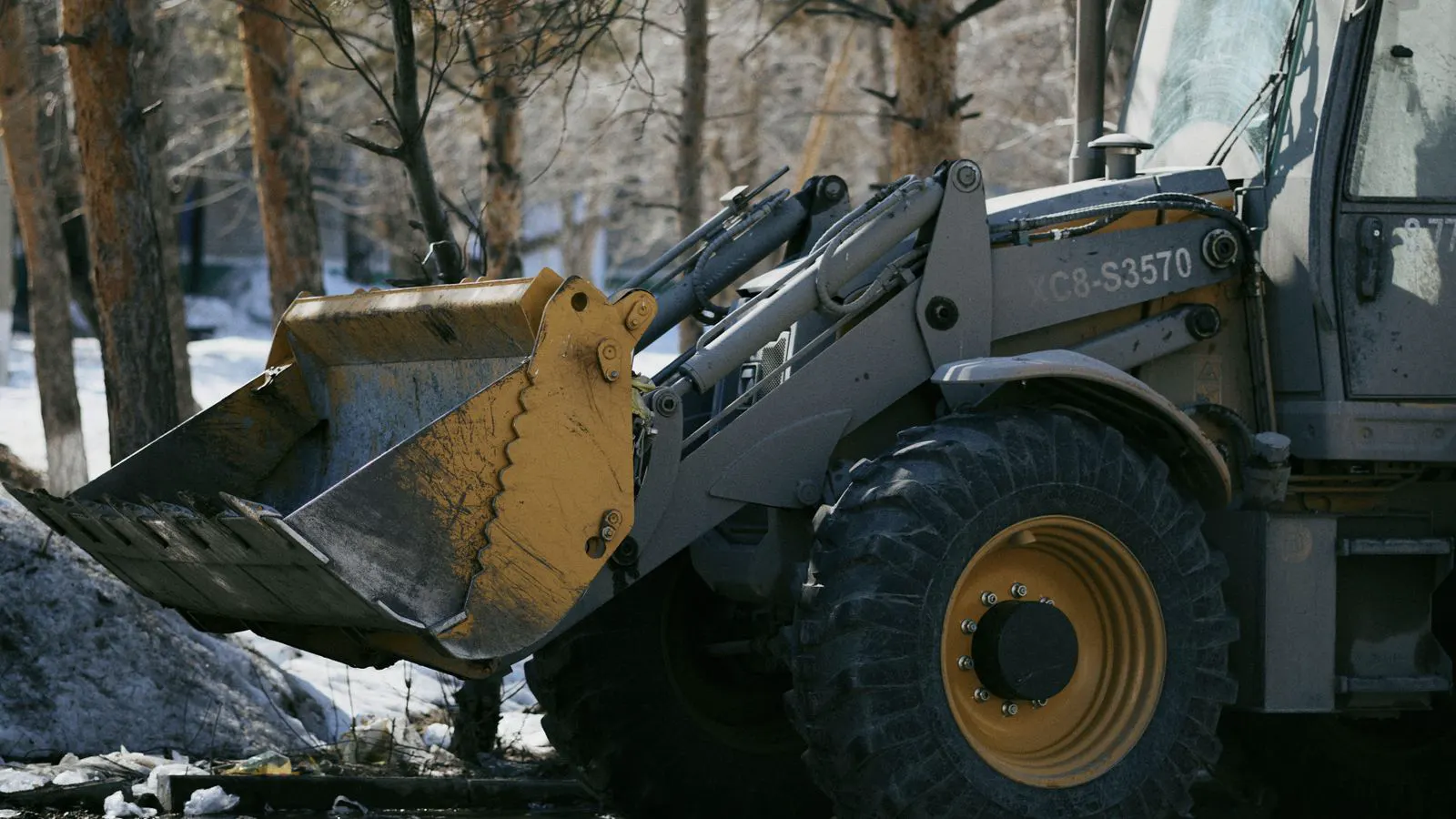
To verify quick-connect buckets fit your excavator, match the pin dimensions and spacing to your machine. Confirm the bucket bolt circle and attachment compatibility. Use a physical fit check to prevent damage and ensure safe operation.
- Match the pin dimensions and spacing to the excavator's attachment system.
- Check the bucket bolt circle and pin bore size before purchasing hardware.
- Verify attachment compatibility with the specific model and year of your machine.
- Perform a physical fit check to prevent damage and ensure safe operation.
Why Fit Checks Fail
A quick-connect bucket looks identical on the shelf. Different manufacturers use different pin geometries. The pins may be the same size, but the spacing is off by a few millimeters. The bucket will not seat correctly. The hydraulic connection will misalign. The bucket may hang loose during digging, or the pins may bind during cycling.
These mismatches cause wear on the pin bores. They increase the risk of the bucket separating under load. They can damage the boom tip and the bucket pins. The cost of a bad fit is not just the bucket. It includes downtime, repair labor, and potential safety issues.
Before buying, you must verify the physical fit. This guide walks through the checks that prevent these problems.
Prerequisites for a Fit Check
You need the excavator’s model number and serial number. These identify the exact attachment system. Some models have multiple attachment options over their lifespan. The serial number confirms which configuration your machine has.
You need the bucket’s specification sheet. This document lists the pin dimensions, pin spacing, and bolt circle diameter. If you do not have this, contact the supplier. Do not guess. A wrong guess leads to a wrong fit.
You need a measuring tool. A digital caliper is standard. A tape measure is not precise enough for pin bores. You need a clear access point to the boom tip. The boom must be raised enough to see the pins and the attachment plate.
You need a reference for the pin type. Some machines use standard pin-and-lug systems. Others use specific proprietary quick-connect systems. Knowing which one your machine uses prevents buying the wrong bucket.
Step 1: Identify the Excavator Attachment System
Check the boom tip for the pin arrangement. Count the number of pins. Look for the spacing between them. Mark the positions. Some machines have two pins. Others have three. The pattern matters.
Reference the operator’s manual for the attachment specifications. The manual lists the pin dimensions and the required spacing. If the manual is unavailable, the dealer can provide the data. Do not rely on visual comparison with an old bucket. The old bucket may be from a different configuration.
Record the pin type. Is it a solid pin? Is it a pin with a lug? Are there retaining rings? Note the pin diameter and the length. This data is the baseline for matching a new bucket.
Step 2: Measure the Pin Dimensions
Use the digital caliper to measure the pin diameter. Measure at the center of the pin. Avoid measuring near the head or the tail. The center gives the true diameter.
Compare this to the bucket’s pin bore. The bucket specification must list the pin bore size. If the spec says 50 mm and your pin is 48 mm, the fit is wrong. The tolerance is usually small. A difference of even one or two millimeters can prevent the bucket from seating.
Check the pin length. The pin must be long enough to pass through the bucket and the boom tip. If the pin is too short, the bucket will not be secured. If it is too long, it may interfere with the hydraulic cylinder or the boom structure.
Step 3: Measure the Pin Spacing
Place a measuring tool between the centers of the pins. Measure the distance between each pair. Record these numbers. The spacing must match the bucket’s pin hole spacing.
A common mistake is measuring from the edge of one pin to the edge of the next. This is incorrect. You must measure center to center. The pin diameter is not part of the spacing calculation.
If the spacing is off, the bucket will not align. The pins will not line up with the holes. The bucket will hang crooked. This causes uneven loading on the pins and the boom tip.
Step 4: Check the Bolt Circle Diameter
Some quick-connect buckets use a bolt circle for the hydraulic connection. This is the circle that passes through the bolt holes. The bucket must have the same bolt circle diameter as the boom tip.
Measure the distance between opposite bolt holes on the boom tip. Divide this by two to get the bolt circle diameter. Compare this to the bucket’s specification.
If the bolt circle is wrong, the hydraulic hose will not connect. The hose may be too short or too long. Forcing the connection can damage the fittings. It can cause leaks. It can cause the hose to kink during operation.
Step 5: Verify Attachment Compatibility with Model and Year
The model number is not enough. The attachment system may change between years. A 2010 model may have a different pin spacing than a 2015 model of the same class.
Check the year of your excavator. Cross-reference this with the attachment specifications. If the bucket is sold as “universal,” verify the actual dimensions. “Universal” often means it fits a common pattern, not every machine.
Some machines require specific pin types. A standard pin will not fit a proprietary quick-connect system. The bucket must be designed for the specific attachment system.
Step 6: Perform a Physical Fit Check
Lift the bucket to the boom tip. Do not connect the hydraulic hose yet. Align the pins with the holes. Check if they line up.
If the pins do not line up, stop. Do not force them. Forcing can bend the pins. It can damage the pin bores. It can crack the boom tip.
If the pins line up, check the clearance. There should be a slight gap. The pins should slide in and out smoothly. If they are tight, the bucket will bind. If they are loose, the bucket will rattle.
Check the alignment of the hydraulic ports. The ports on the bucket must line up with the ports on the boom tip. If they are off, the hose will not connect properly.
Step 7: Confirm the Retaining Hardware
Some quick-connect systems use retaining rings, lugs, or pins with collars. Check that the bucket has the matching hardware. The retaining hardware must match the pin type.
If the retaining hardware is missing, the bucket may fall off. If it is the wrong size, it will not secure the pin. This is a safety issue.
Check the pin bores for wear. If the bores are worn, the pins may not seat correctly. This can cause the bucket to shift during operation.
Common Mistakes in Fit Checks
The most common mistake is assuming that buckets of the same size are interchangeable. They are not. The pin dimensions and spacing vary by manufacturer and model.
Another mistake is relying on the bucket’s marketing claims. “Fits most excavators” is not a specification. It is a sales phrase. You must check the actual dimensions.
A third mistake is skipping the physical fit check. The paper specs may be correct, but the actual pins may have worn. The actual holes may be out of round. A physical check confirms the fit.
A fourth mistake is ignoring the hydraulic connection. The bucket may fit the pins, but the hydraulic ports may not align. This will cause leaks and damage.
Final Verification Step
After the physical fit check, connect the hydraulic hose. Check for leaks. Cycle the bucket through its full range of motion. Check for binding or excessive play.
Listen for noise. Grinding or knocking indicates misalignment. Watch the pins. They should move freely.
If everything checks out, the bucket is ready. If anything is off, do not use the bucket. Return it or get a different one. A small fit issue now saves a major repair later.
Quick-Connect Bucket Fit Comparison Table
| Check Item | Excavator Data | Bucket Data | Tolerance |
|---|---|---|---|
| Pin Diameter | 50 mm | 50 mm | +/- 1 mm |
| Pin Spacing | 300 mm | 300 mm | +/- 2 mm |
| Bolt Circle | 150 mm | 150 mm | +/- 1 mm |
| Pin Length | 80 mm | 80 mm | +/- 5 mm |
| Retaining Type | Lug | Lug | Match |
Frequently asked questions
Can I use a quick-connect bucket from a different excavator brand?
Only if the pin dimensions and spacing match your machine. Different brands use different patterns. Check the specifications before buying.
What if the pins are the same size but the spacing is off?
The bucket will not seat correctly. The pins will bind, and the hydraulic connection will misalign. Do not use it.
How do I measure the bolt circle diameter?
Measure the distance between opposite bolt holes. Divide this number by two. Compare it to the bucket's specification.
Is a physical fit check necessary if the specs match?
Yes. Wear and manufacturing tolerances can affect the actual fit. A physical check confirms the pins and holes align.
What should I do if the pins do not line up?
Stop. Do not force the pins. Check the measurements. If the mismatch is small, you may need a different bucket. If it is large, the bucket is not compatible. ===END===