Cost & Financing
Troubleshooting: Excavator Bucket Cylinders Losing Pressure
Excavator cylinder pressure loss stems from internal seal wear, hose leaks, pump faults, or relief valve drift. This guide lists common symptoms and fixes for bucket
Practical specifications, cost checks, and supplier guidance for construction equipment buyers.
Selecting construction machinery is a multi-stage decision. Buyers must weigh hydraulic specifications, service intervals, spare parts availability, and the reliability of the dealer network against project timelines. This site breaks those factors into clear comparisons so engineers and procurement teams can build a defensible shortlist.
The content covers the full buying cycle. It explains how to read a machine's technical sheet, what to verify during a site inspection, and how to structure a service agreement. Every section uses plain language and avoids vendor marketing, focusing on the data that affects operating costs and downtime.
Start with the stage of the sourcing process you are in.
Specifications, applications, and buying tips for excavators, wheel loaders, and other earthmoving machines.
Guides on tower cranes, mobile cranes, lifting capacities, and safe setup for construction sites.
Information on concrete mixers, pumps, and finishing tools for on-site and off-site production.
Detailed information on machine attachments, spare parts, and compatibility for major construction brands.
Practical advice on preventive maintenance, operator training, and daily inspection routines for machinery.
Insights into total cost of ownership, financing options, and budgeting for construction machinery purchases.
Criteria for evaluating suppliers, service networks, and warranty terms when purchasing construction machinery.
Excavator cylinder pressure loss stems from internal seal wear, hose leaks, pump faults, or relief valve drift. This guide lists common symptoms and fixes for bucket
Choosing excavator hydraulic cylinders requires matching stroke, bore, and pressure to your machine's specific hydraulic load diagram. This guide explains how to
A machinery rental calculation requires adding hourly rates, fuel, transport, insurance, and operator costs. Use this step-by-step method to build a reliable monthly
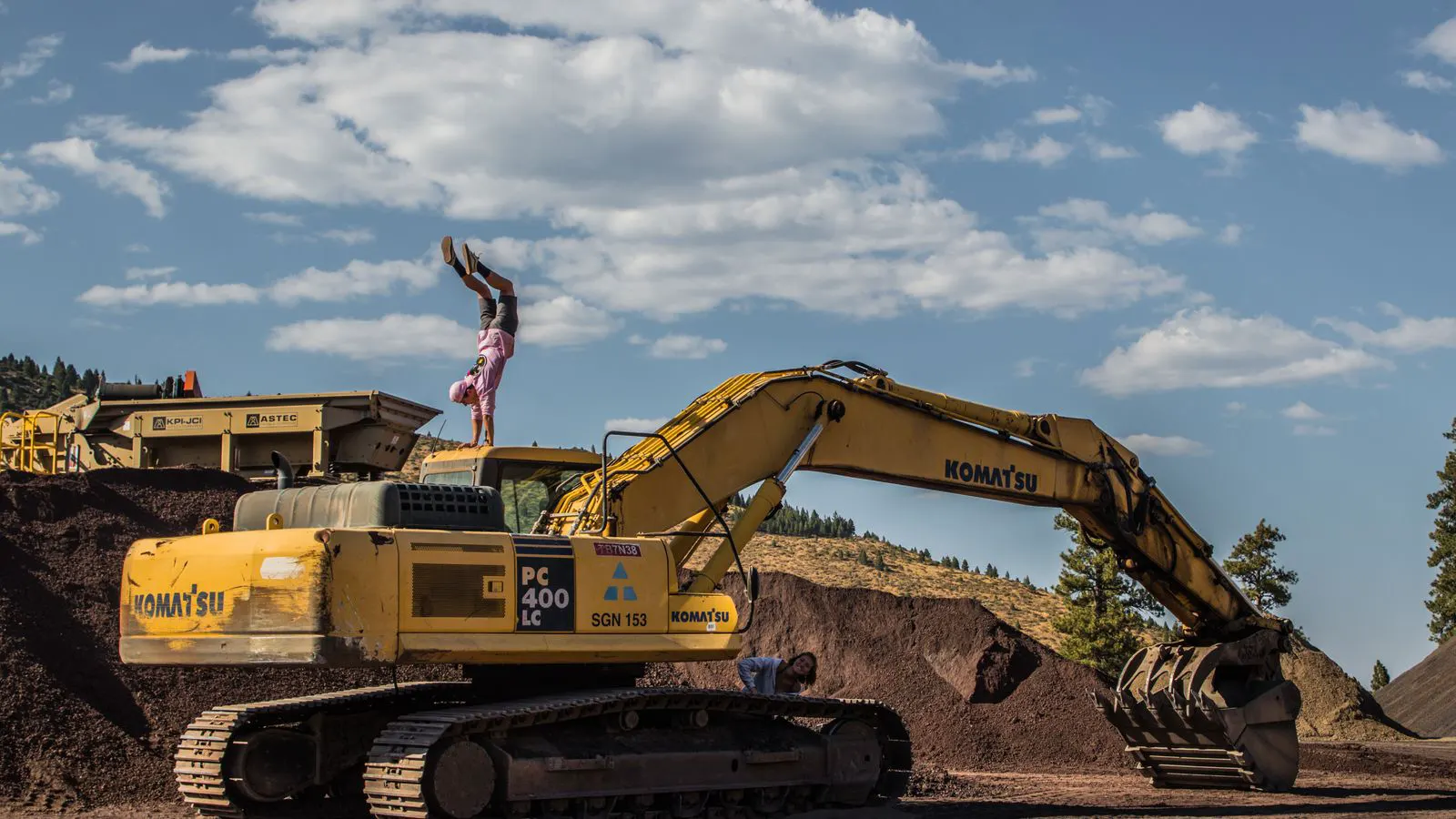
Consistent pre-operation checks identify wear, leaks, and fluid issues before they cause major failures. These routines lower repair costs, improve safety, and protect
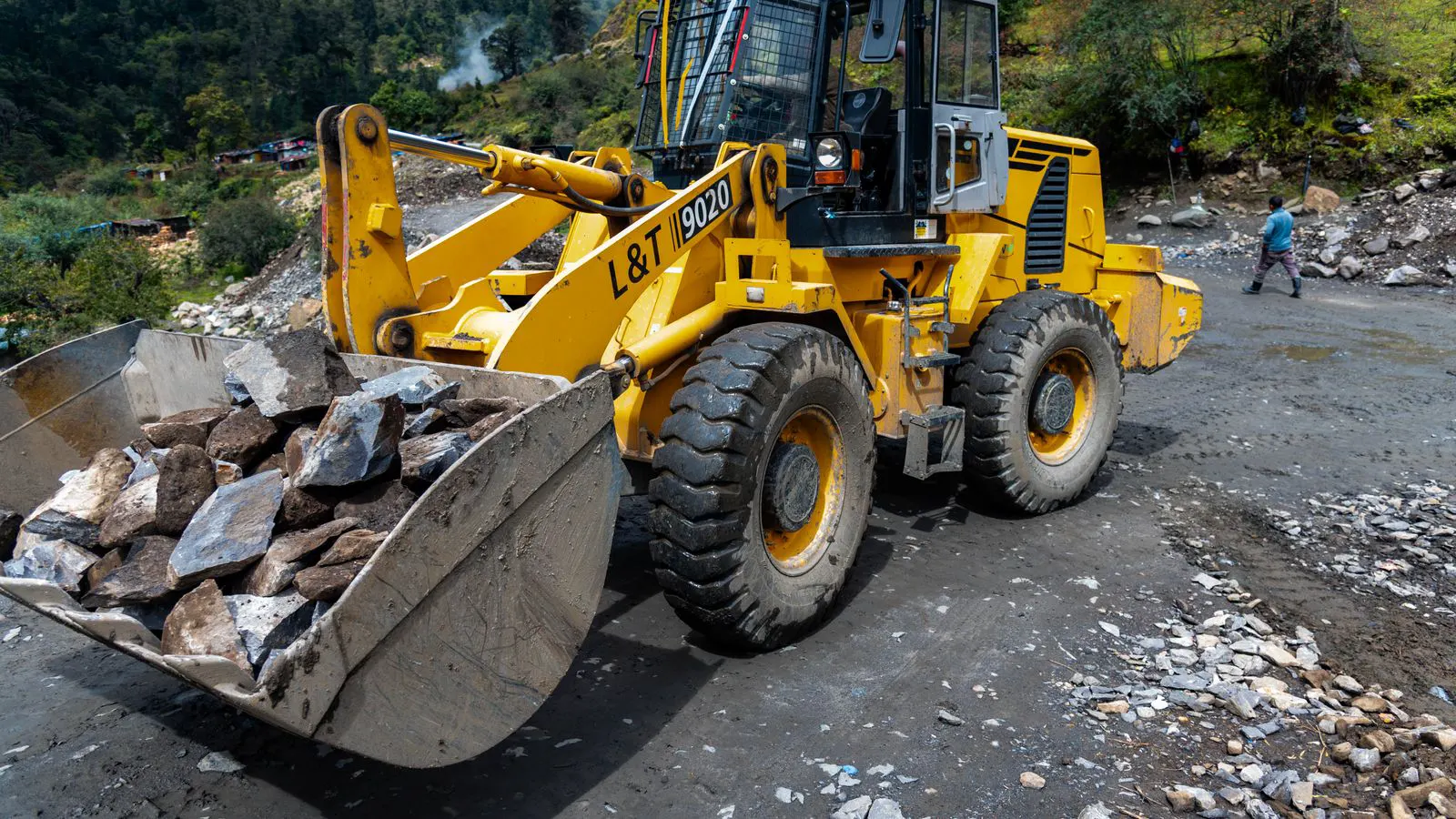
Steel tracks offer higher payload capacity and durability for hard surfaces, while rubber tracks provide better traction on soft ground. The right choice depends on your
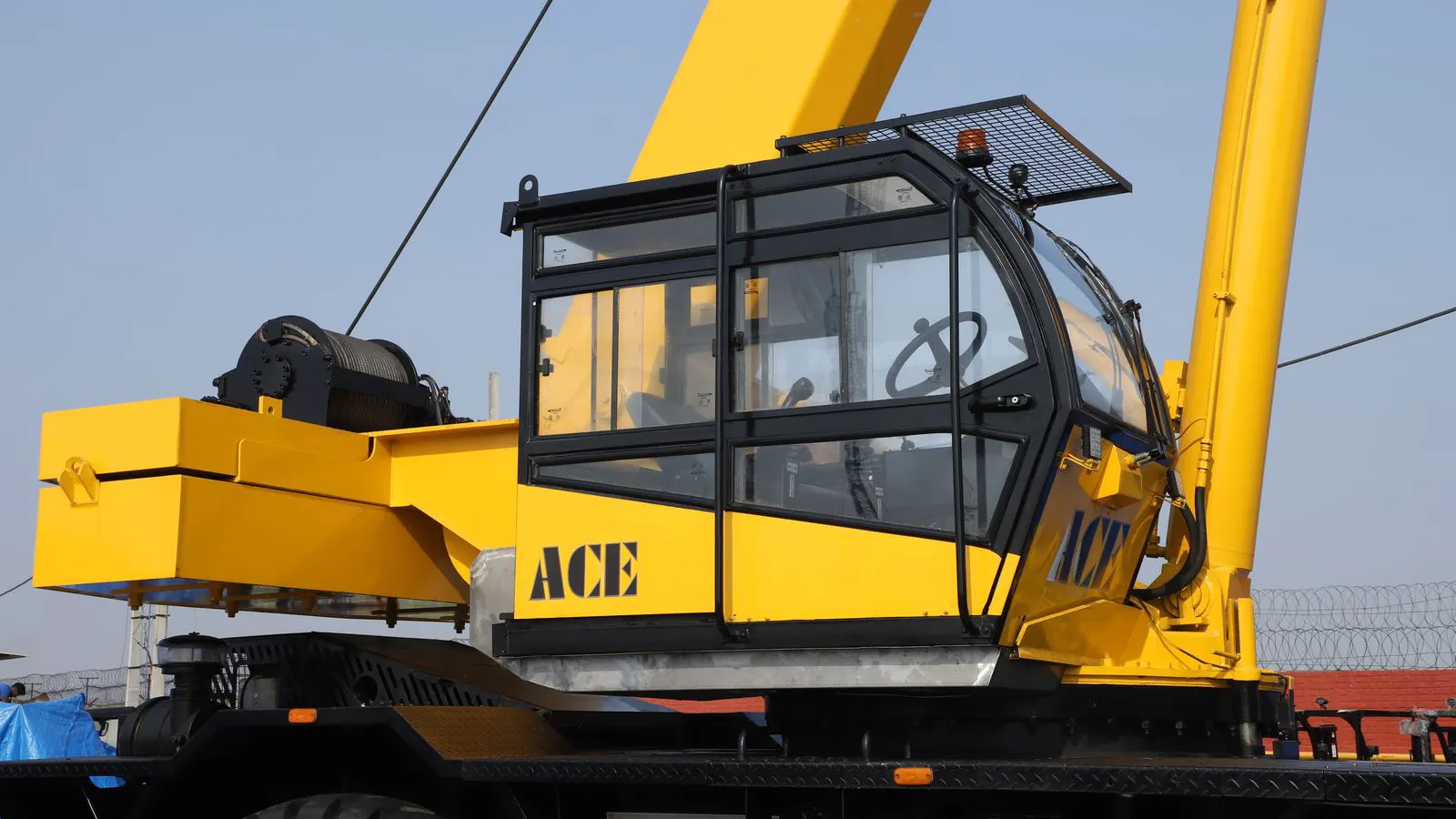
Jib rebound or creep indicates hydraulic pressure loss, seal failure, or control valve drift. This guide lists common symptoms, likely causes, and fixes for telescopic
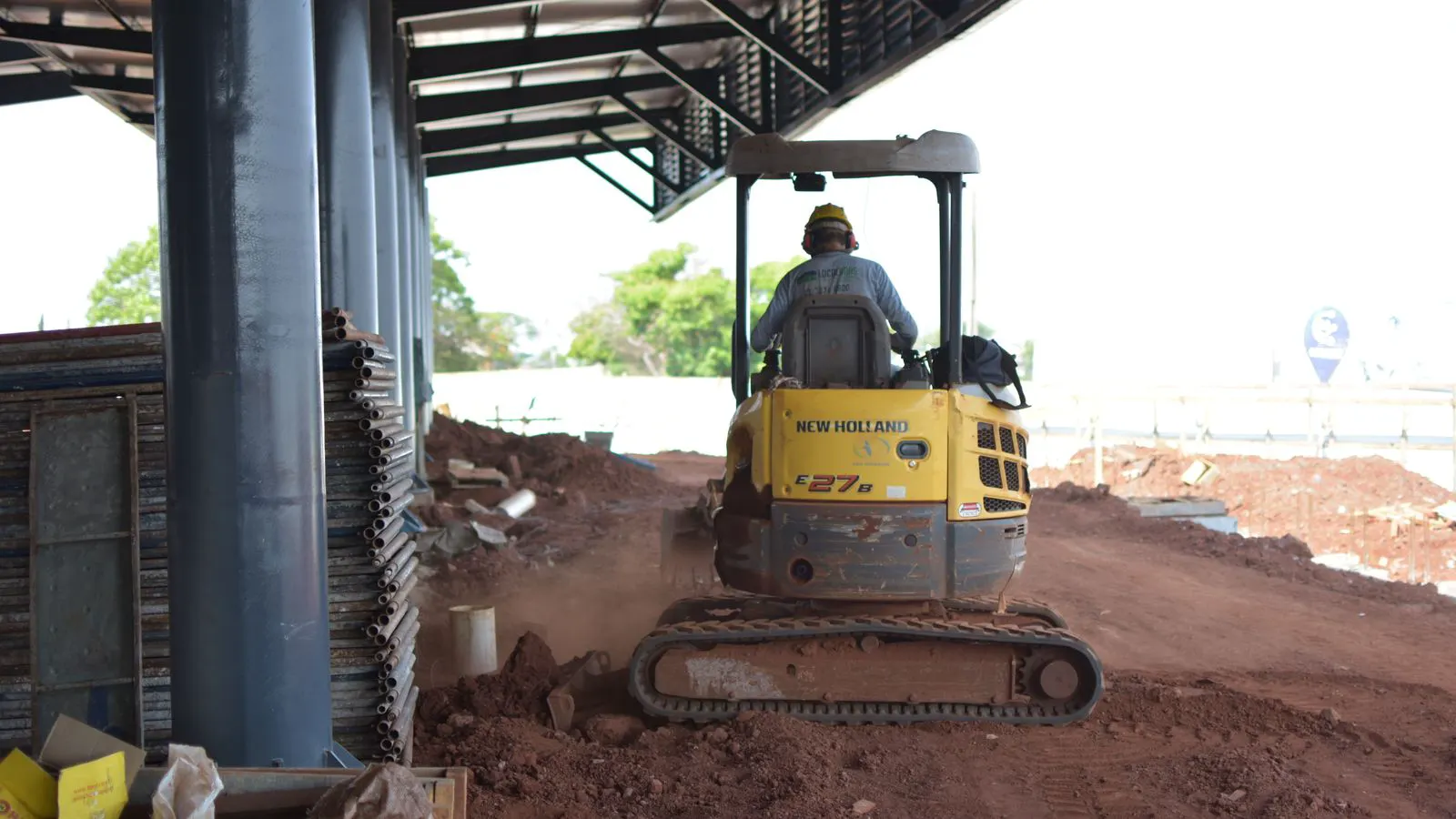
Excavator track links and pins vary in cost and delivery time based on material, size, quantity, and supplier type. A clear RFQ with exact part numbers, hours, and
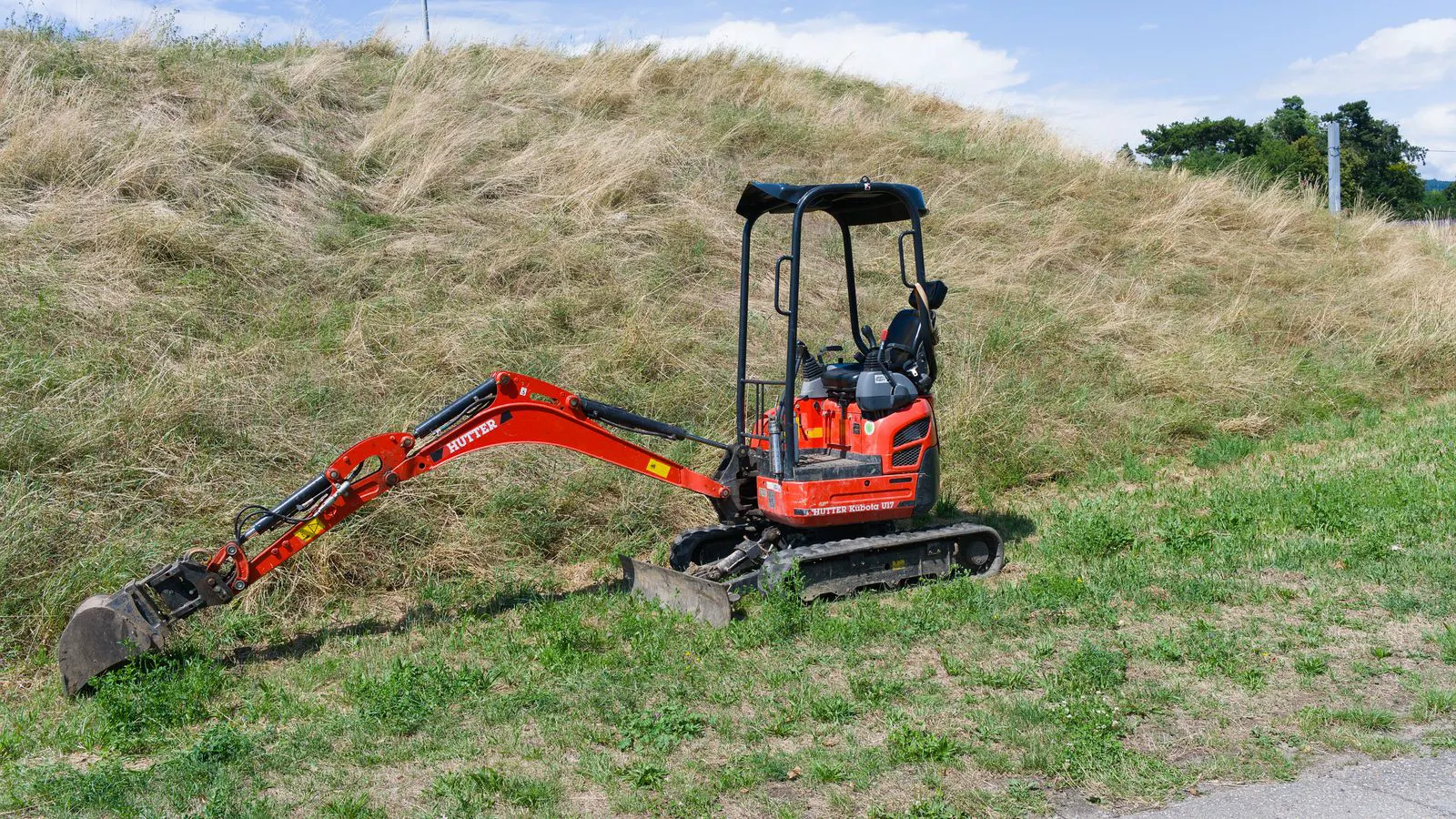
A good mini excavator undercarriage balances ground pressure with durability. This guide explains how to evaluate crawler tracks and undercarriage components for
Electric excavators are ready for specific urban applications where noise and emissions limits are strict. Buyers should plan for battery logistics, payload limits, and
Define the specific task. The bucket type, soil conditions, and daily operating hours determine whether you need a compact model, a mid-size machine, or a heavy-duty unit. Match the machine's hydraulic output to the job scope before looking at price.
Request references from similar projects. Ask about their response time for maintenance calls and their track record with spare parts. A supplier with a local service center is usually more reliable than one that depends on long-distance support.
Inspect the pump hoses for cracks and check the mixer for wear. Test the control systems for responsiveness. Look for signs of rust on the structural frame and verify that the electrical connections are secure and up to code.
Follow the manufacturer's maintenance schedule strictly. Keep records of every service and part replacement. A well-maintained machine has a lower cost per hour and holds its resale value better than a neglected one.
A dealer often provides local service and financing, but may charge a premium. Direct purchase can save money but leaves you dependent on the manufacturer's service network. Consider the support structure before choosing.
Look beyond the monthly payment. Compare the total interest paid over the term, any fees for early payoff, and the terms for balloon payments. A lower monthly rate does not always mean a cheaper deal.