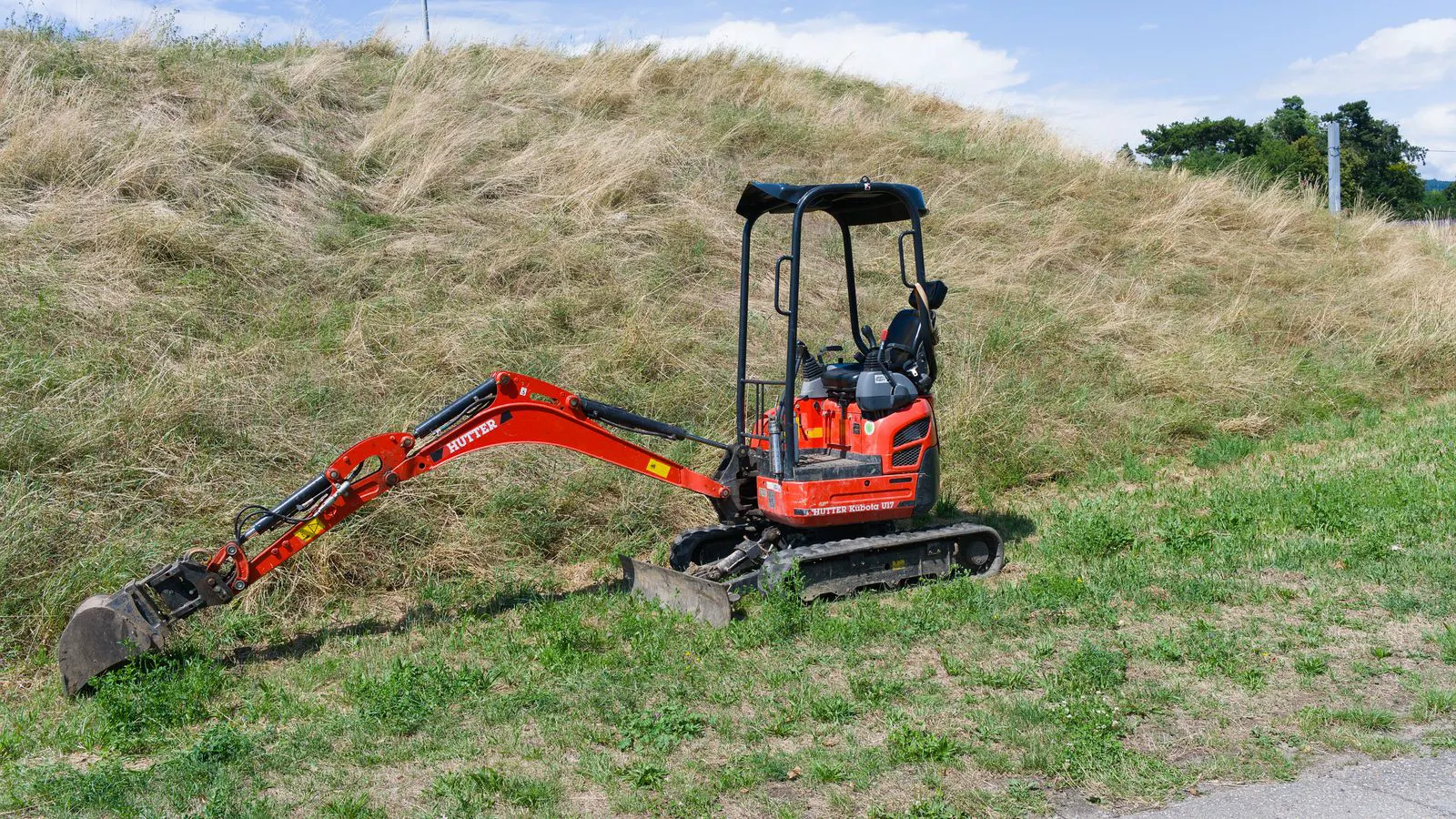
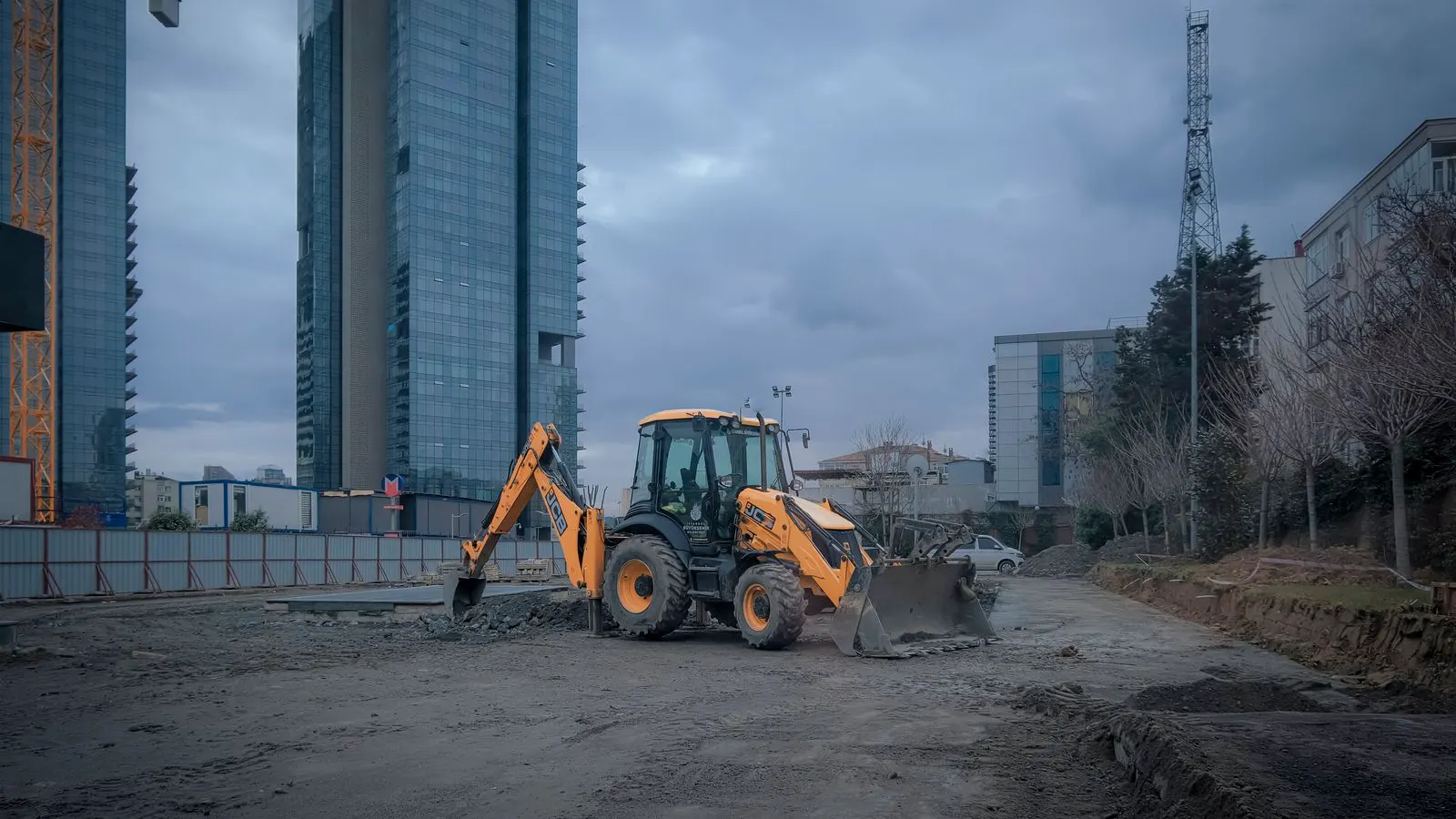
Comparison: Steel vs Rubber Tracks for Wheel Loaders
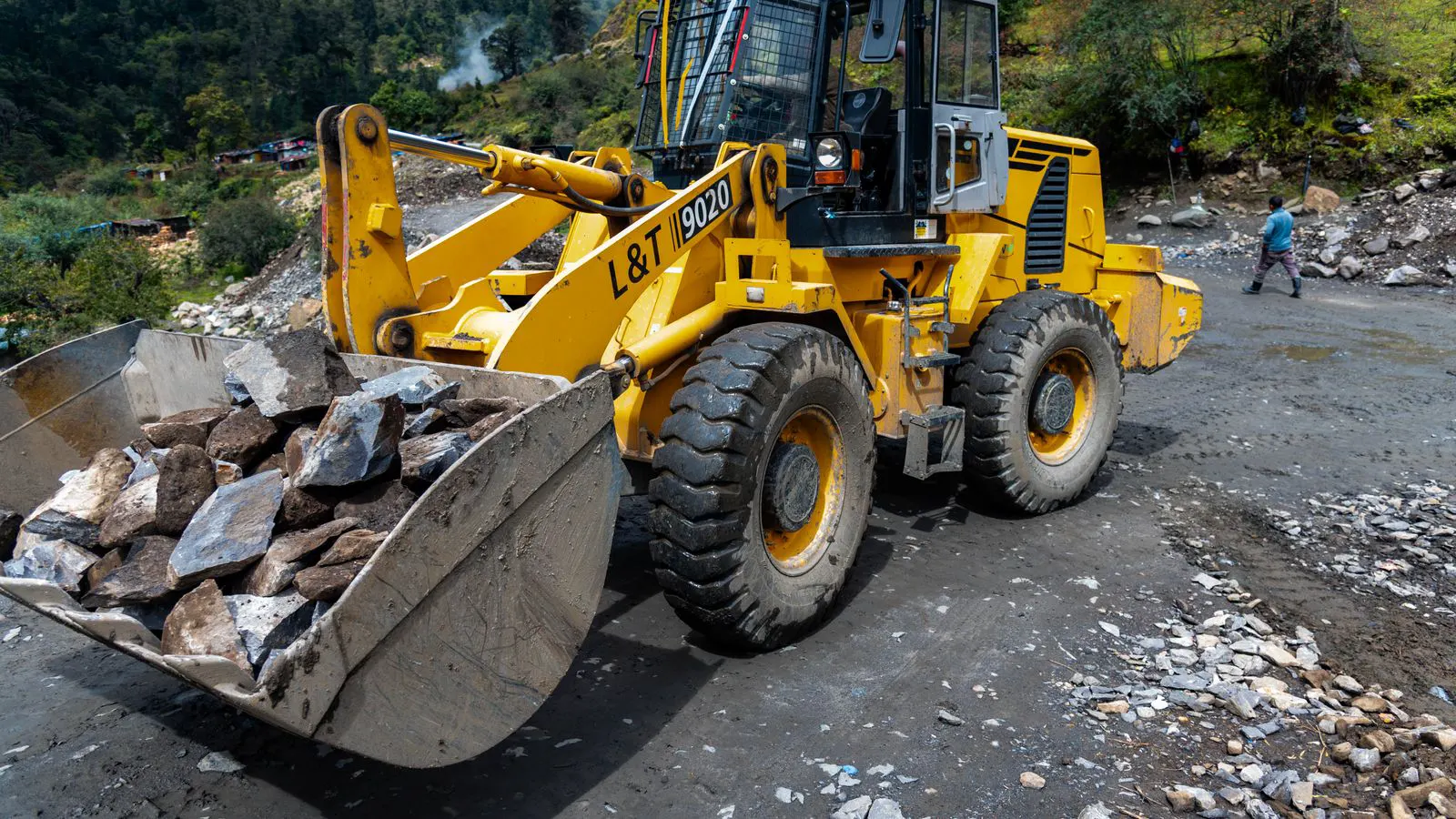
Steel tracks offer higher payload capacity and durability for hard surfaces, while rubber tracks provide better traction on soft ground. The right choice depends on your site conditions, payload requirements, and maintenance budget.
- Steel tracks handle heavier loads and abrasive surfaces better than rubber
- Rubber tracks reduce ground damage and improve traction on loose material
- Maintenance costs differ significantly between track types
- Site conditions should drive your undercarriage selection more than brand preference
Understanding the Core Differences
Wheel loader undercarriages fall into two main categories: standard steel wheels and specialized track systems. The term “tracks” in loader applications often refers to steel track assemblies or rubber track systems designed for crawler-style movement. These differ fundamentally from the rubber tires on standard wheel loaders.
Steel tracks consist of metal links, rollers, and sprockets that create a continuous surface. They distribute weight across a larger contact area than wheels. Rubber tracks use flexible polyurethane or rubber links over a frame. They offer more flexibility and conform better to uneven terrain.
The choice between these systems affects several operational factors. Ground pressure, traction, payload capacity, maintenance requirements, and operating cost all change based on track type. Engineers must evaluate each factor against their specific site conditions.
Site conditions form the foundation of this decision. A job site with compacted concrete and hard gravel presents different challenges than one with soft soil, mud, or sloped terrain. The material being moved also matters. Dense aggregate puts more stress on undercarriages than loose sand or topsoil.
Ground Pressure and Terrain Considerations
Ground pressure determines how the machine interacts with the surface. Steel tracks reduce ground pressure compared to standard wheels. The contact area is larger, spreading the machine weight across more square feet. This prevents deep ruts in soft ground.
Rubber tracks provide even better pressure distribution in many cases. The flexible material conforms to irregular surfaces. On uneven terrain, rubber tracks maintain better contact than rigid steel links. This matters on sites with rocks, roots, or natural ground variation.
On hard, compacted surfaces, the difference shrinks. Steel tracks perform well on concrete, asphalt, and well-compacted gravel. Rubber tracks can work on these surfaces too, but they wear faster from abrasion. The hard surface grinds against the rubber material, reducing track life significantly.
Soft ground changes the equation. In mud or loose soil, steel tracks can dig in and lose traction. The rigid links create a fixed contact pattern that struggles with shifting material. Rubber tracks flex and adapt to the surface. They maintain better grip on loose or wet ground.
Slope and gradient add another layer. On slopes, the difference between track types becomes more pronounced. Steel tracks need proper tension and alignment to maintain traction. Rubber tracks distribute weight more evenly across the slope, reducing the chance of individual links losing grip.
Traction and Surface Interaction
Traction depends on how the track surface interacts with the ground material. Steel tracks rely on friction between metal and the surface. The smooth or lightly textured surface of steel links provides consistent grip on hard materials. On loose gravel, the edges of the links can bite into the surface for better hold.
Rubber tracks use a different mechanism. The flexible material conforms to the ground and creates more surface contact. This improves grip on uneven or soft materials. On wet surfaces, rubber provides better adhesion than steel, which can become slippery when wet.
The type of material being loaded affects traction demands. Dense rock or angular aggregate requires strong grip to prevent wheel or track slip during loading. Steel tracks handle this well on firm ground. Rubber tracks may struggle if the material is too abrasive.
For loose material like sand, topsoil, or compost, traction needs differ. The material shifts and compresses under load. Steel tracks can dig in and require more power to maintain movement. Rubber tracks flex with the material and maintain consistent contact. This reduces the need for additional power.
Payload Capacity and Structural Strength
Payload capacity varies between track types. Steel tracks support higher loads due to their structural rigidity. The metal links and rollers distribute weight across the entire undercarriage. This allows wheel loaders with steel tracks to handle heavier buckets and denser materials.
Rubber tracks have lower load limits. The flexible material and frame design limit the maximum payload. Manufacturers typically specify lower capacity ratings for rubber track models. This matters when working with dense materials like gravel, concrete, or rock.
The bucket size and fill pattern also affect the load. A fully loaded bucket with dense aggregate creates different stress patterns than a partially filled bucket with loose sand. Engineers must check the manufacturer’s load charts for each track type.
Frame design plays a role too. Steel track systems often use a heavier frame to support the loads. This adds weight to the machine but increases overall stability. Rubber track systems use lighter frames, which can reduce overall machine weight and improve maneuverability on tight sites.
Maintenance and Operating Costs
Maintenance requirements differ significantly between track types. Steel tracks need regular inspection for wear, tension, and damage. The metal links can stretch, warp, or break. Rollers and sprockets wear and need replacement. Lubrication is critical to prevent corrosion and maintain smooth operation.
Rubber tracks require different maintenance. The flexible material can tear, crack, or lose adhesion. Inspection focuses on cuts, cracks, and wear patterns. Tension adjustment is simpler on rubber systems. However, the tracks themselves have a shorter service life on abrasive surfaces.
Operating costs reflect these maintenance differences. Steel tracks generally have lower replacement costs per unit of service. They last longer on hard surfaces and in abrasive conditions. Rubber tracks cost more to replace but may reduce site damage and require less regrading.
Labor time also differs. Steel track maintenance often requires more specialized knowledge. Tension adjustment, roller replacement, and sprocket work take time. Rubber track replacement is typically faster, though the parts are more expensive.
Choosing the Right Track System for Your Application
The decision between steel and rubber tracks comes down to matching the system to your specific operating conditions. There is no single best choice for all applications.
Consider the following factors when making your selection:
- Site surface conditions and variability
- Material type and density
- Required payload capacity
- Terrain slope and grade
- Expected operating hours per year
- Maintenance resources available
- Budget for initial purchase and long-term operating costs
Steel tracks suit applications with hard, compacted surfaces and heavy payload requirements. They work well in quarry operations, concrete batching plants, and sites with well-maintained gravel surfaces. The higher load capacity and longer service life on abrasive surfaces make them a strong choice for these conditions.
Rubber tracks perform better on soft, uneven, or sensitive surfaces. They excel in landscaping, demolition, and sites where ground damage must be minimized. The improved traction on loose material and reduced ground pressure make them ideal for these applications.
Hybrid approaches exist in some markets. Some manufacturers offer track systems that combine elements of both designs. These can provide a balance between load capacity and ground protection. The specific design varies by manufacturer and model.
Common Mistakes in Track Selection
Several errors lead to poor performance and higher costs. The most common is ignoring site conditions. Operators often select tracks based on payload charts alone, without considering the actual ground surface. A steel track system may look better on paper but fail in practice on soft terrain.
Another mistake is underestimating wear. Rubber tracks on abrasive surfaces wear faster than expected. This increases operating costs and downtime. Similarly, steel tracks on very soft ground can dig in and cause excessive wear on the links.
Maintenance neglect creates problems with both track types. Steel tracks need regular tension checks and lubrication. Rubber tracks need inspection for cuts and cracks. Ignoring these requirements shortens service life and creates safety issues.
Budget considerations sometimes drive poor decisions. Choosing the cheaper option without considering long-term operating costs can backfire. A more expensive track system with better suitability for the site may save money over its service life.
Final Selection Criteria
When comparing wheel loader track systems, focus on the specific demands of your operation. The table below summarizes the key trade-offs between the two main track types.
| Track Type | Best For | Limitations |
|---|---|---|
| Steel Tracks | Hard surfaces, heavy loads, abrasive materials | Poor traction on soft ground, higher ground pressure |
| Rubber Tracks | Soft ground, uneven terrain, ground protection | Lower payload capacity, faster wear on abrasive surfaces |
| Standard Wheels | Compact, well-maintained surfaces | Limited traction on loose material, higher ground pressure |
| Hybrid Systems | Mixed terrain, moderate loads | Higher cost, complex maintenance, limited availability |
The selection process should start with a site assessment. Document the surface conditions, material types, and terrain features. Measure the typical payload requirements. Identify the maintenance resources available on site.
Consult manufacturer specifications for load capacity, ground pressure, and recommended surface types. Check the warranty terms for each track type. Understand the maintenance intervals and parts availability.
For most applications, the decision comes down to matching the track system to the dominant operating condition. If the site is primarily hard and compacted, steel tracks provide better performance and longer service life. If the site has soft ground or sensitive surfaces, rubber tracks offer better traction and ground protection.
The best choice is the one that fits your specific operating environment. A thorough assessment of site conditions, material requirements, and maintenance capabilities will guide you to the right decision.
Frequently asked questions
Can I switch between steel and rubber tracks on the same wheel loader?
Most wheel loaders are designed for one undercarriage type. Switching requires significant frame modifications and is not standard. Manufacturers typically offer separate models for each track type.
How does ground pressure differ between steel tracks and standard wheels?
Steel tracks reduce ground pressure compared to standard wheels. The larger contact area spreads the machine weight more evenly. Rubber tracks provide even better pressure distribution on uneven terrain.
What is the typical service life difference between steel and rubber tracks?
Steel tracks generally last longer on hard, abrasive surfaces. Rubber tracks wear faster on these surfaces but last longer on soft, non-abrasive terrain. Service life depends heavily on operating conditions.
Are rubber tracks suitable for loading dense aggregate?
They can work with dense aggregate, but payload capacity is limited. Check the manufacturer's load ratings for your specific model. Steel tracks handle heavy aggregate loads better.
How do I determine which track type suits my site?
Assess your site surface conditions, material types, and terrain features. Match these factors to the track type specifications. Consider payload requirements and maintenance resources when making your decision.