Buyer's Guide: Selecting Mini Excavator Undercarriages
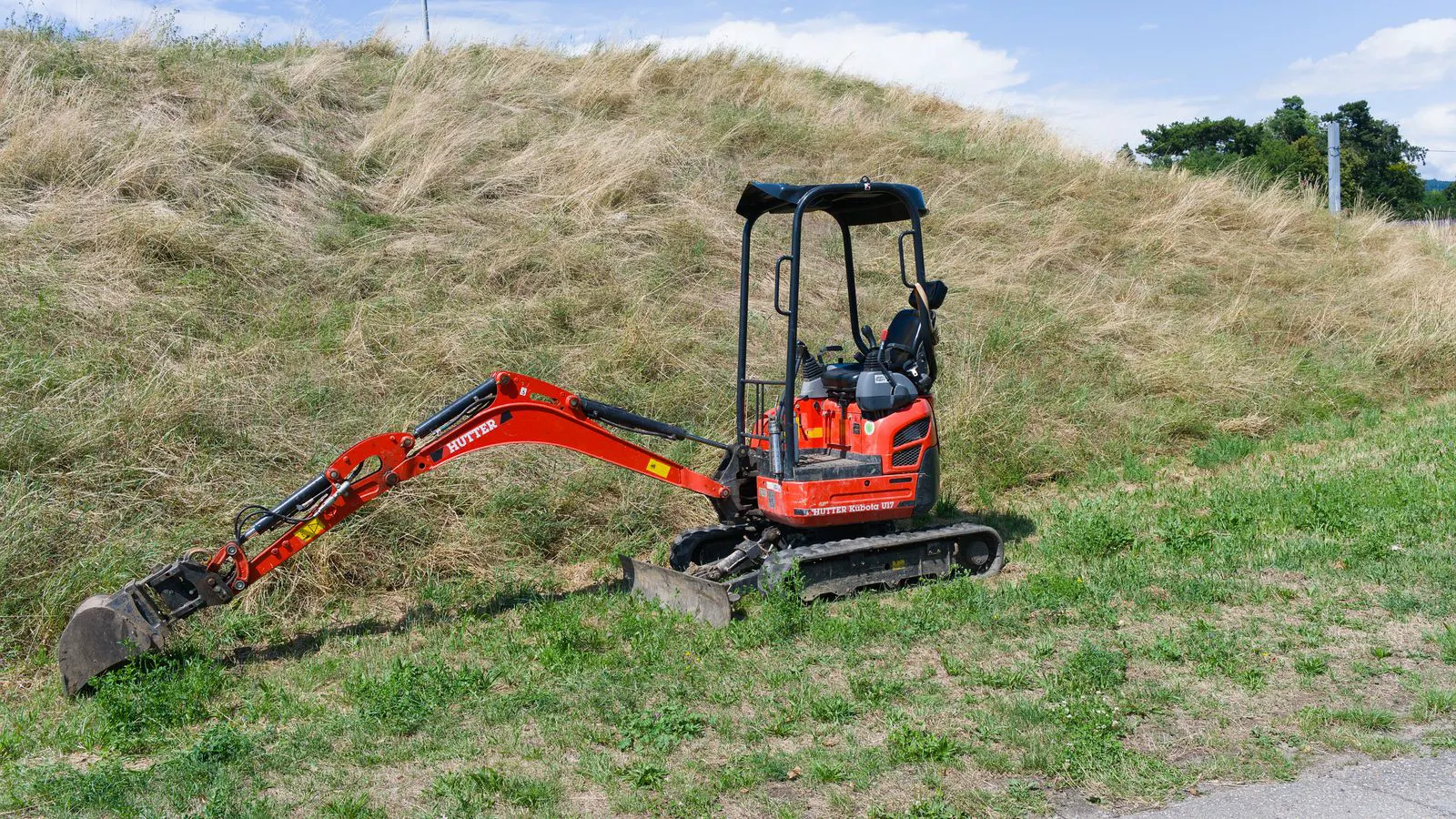
A good mini excavator undercarriage balances ground pressure with durability. This guide explains how to evaluate crawler tracks and undercarriage components for light-duty digging, including material choice, service life, and fit for specific terrain.
- Match track width and material to your typical ground pressure and digging load.
- Check undercarriage service life and wear patterns before replacing components.
- Verify fitment and part availability from the manufacturer or approved suppliers.
- Use a decision checklist to confirm ground pressure, service life, and budget alignment.
Why Undercarriage Choice Matters for Light-Duty Digging
The mini excavator undercarriage is the point where the machine meets the ground. It controls ground pressure, stability, and how the machine handles soft or uneven terrain. A poorly chosen track set can reduce digging productivity, increase fuel use, and shorten the life of other components.
For light-duty digging, the undercarriage does not need to handle the loads of a heavy excavator. It must, however, handle the specific conditions of the site. A small machine on soft ground may need a wider track than a small machine on firm soil. The decision is not just about size. It is about matching the track and undercarriage to the work.
Consider a standard 2-ton class mini excavator working in a residential landscaping project. The ground is a mix of compacted clay and soft topsoil. If the operator fits a narrow track to fit the machine through a tight gate, the ground pressure spikes. The machine may dig in when it attempts to swing or lift the bucket. The operator must add weight to the counterweight or use a stabilizing bar to maintain balance. This slows down the cycle time. The fuel consumption rises because the engine works harder to maintain position. Over time, the undercarriage components suffer from the extra stress. The final drive gears wear faster, and the track links stretch.
Light-duty digging often involves work in confined spaces, such as backyards, small construction sites, or urban utility trenches. In these environments, the machine must be mobile and precise. The undercarriage must allow the machine to turn in tight spots without damaging the tracks or the surrounding area. A wider track improves stability but reduces the turning radius. The operator must weigh these trade-offs. If the site is a narrow alley, a narrower track may be necessary to avoid scraping the walls. If the site is an open field with soft ground, a wider track prevents sinking.
The undercarriage also affects the machine’s ability to operate on slopes. Light-duty excavators are often used on grades where heavy machines cannot go. The tracks must provide sufficient grip without digging into the soil. The tread pattern plays a major role here. A track with a deep chevron pattern may offer better traction on loose gravel but can dig into soft mud. A smooth or shallow tread pattern may be better for hard-packed soil or concrete. The operator must match the tread to the substrate.
Another factor is the attachment load. A mini excavator may carry a standard bucket, a thumb attachment, or a small hydraulic breaker. Each attachment changes the weight distribution and the total weight on the tracks. A breaker adds dynamic loads that a bucket does not. These loads can cause the undercarriage components to fatigue faster. The final drive is particularly sensitive to these impacts. When selecting an undercarriage for light-duty digging, account for the heaviest attachment the machine will use. Do not size the undercarriage for an empty bucket if the machine will regularly use a breaker.
How to Evaluate Track Width and Ground Pressure
Track width is the first factor to review. A wider track spreads the machine weight over a larger area, which lowers ground pressure. This helps the machine stay stable on soft ground and reduces the risk of sinking. A narrower track can be better for confined spaces or hard ground where the machine does not need extra stability.
Measure the machine weight under load. The operator weight, fuel, and any attachments affect the pressure on the tracks. If the machine will carry a bucket or a breaker, add that weight to the calculation. A rule of thumb is to compare the ground pressure of the current setup with the bearing capacity of the site. If the site is soft, increase the track width or add a stabilizing device.
To calculate ground pressure, divide the total weight of the machine by the total contact area of the tracks. The contact area is the track width multiplied by the length of the track in contact with the ground. The track length in contact is usually slightly less than the full track length due to the sag between the rollers. A typical light-duty excavator track might be 300 mm wide and 1,800 mm long. If the machine weighs 2,500 kg, the pressure on each track is roughly 2,500 kg divided by the contact area of both tracks.
Consider a machine with 350 mm wide tracks. The contact area is larger than with 250 mm wide tracks. This lower pressure allows the machine to float on soft soil. However, wider tracks increase the overall width of the machine. This can be a problem in tight spaces. The operator must measure the site entrance and working area. If the machine must pass through a 1.2 meter wide gate, a 350 mm track set might not fit. In this case, the operator must choose a narrower track or find another access point.
Ground pressure is not the only metric. The bearing capacity of the soil matters. Soft clay has a lower bearing capacity than compacted gravel. A machine that operates safely on gravel may sink in clay. The operator should perform a simple test. Drive the machine slowly across a small area of the site. If the tracks leave deep marks or the machine sinks, the ground pressure is too high for that soil. Increase the track width or reduce the machine weight by removing excess fuel or counterweights.
The track width also affects the machine’s turning radius. A wider track set makes the machine wider, which increases the turning radius. In tight spaces, this can be a limitation. The operator must consider the layout of the site. If the machine must turn 180 degrees in a small yard, a wide track set may make that impossible. A narrower track set allows for tighter turns but requires firmer ground.
What to Look for in Crawler Tracks and Undercarriage Components
The primary keyword for this section is crawler tracks, but the undercarriage includes more than the track itself. The undercarriage system includes the track links, rollers, idlers, sprockets, and the final drive. Each part wears at a different rate. The final drive is often the most expensive to replace. The tracks wear at the edges and at the contact points.
When selecting undercarriage components, look at the material. Steel tracks are common for general digging. They are strong and handle abrasion well. Rubber tracks are used in some light-duty applications because they are quieter and provide a softer ride. Rubber tracks may be better for urban or indoor work where noise is a concern. They may not be as durable in heavy abrasion.
The undercarriage selection process should include a review of the wear pattern. Inspect the tracks for edge wear, center wear, and link wear. Check the rollers and idlers for pitting or scoring. If the final drive is worn, the machine may have a slipping or binding issue. These signs tell you what to replace and what to monitor.
Steel tracks are the standard for most light-duty excavators. They are made of high-strength steel plates with rubber or steel lugs. The lugs provide grip and durability. Steel tracks can handle rocky soil, gravel, and concrete. They are also easier to repair. If a link breaks, it can be replaced individually. Rubber tracks are a different option. They are made of a continuous rubber loop with metal lugs. They are quieter and provide a smoother ride. They are often used in urban environments or indoor facilities. However, rubber tracks are more susceptible to cuts and punctures. They are not suitable for rocky or abrasive terrain.
The tread pattern is another critical factor. A chevron pattern provides good traction by digging into the soil. A smooth tread pattern is better for hard surfaces. The operator must match the tread to the ground. If the machine works on soft soil, a chevron pattern is better. If the machine works on pavement, a smooth tread is better. A mixed pattern may offer a compromise.
The rollers and idlers are critical for track tension and alignment. The rollers support the bottom of the track. The idlers guide the top of the track. If the rollers are worn, the track may sag unevenly. This causes uneven wear on the track links. The idlers must be aligned to keep the track centered. If the idlers are worn, the track may walk off the sprocket. This can cause damage to the final drive.
The sprocket drives the track. It engages with the track links. If the sprocket teeth are worn, the track may slip. This reduces traction and causes the machine to dig in. The sprocket should be inspected regularly. Look for worn teeth or missing material. Replace the sprocket if it is worn beyond the manufacturer’s limit.
How to Size Excavator Tracks for Sloped Terrain
Sloped terrain changes the demands on the undercarriage. On a slope, the machine must maintain traction and prevent sliding. A wider track can help, but the condition of the ground matters more. Soft soil on a slope can cause the track to dig in. Firm soil with a good tread pattern can provide better grip.
Check the tread depth and pattern of the tracks. Deeper treads can dig into soft ground. A smooth or shallow tread may be better for hard ground or paved surfaces. The slope angle also affects the load on the undercarriage. A steeper slope puts more pressure on the downhill side of the tracks. This can accelerate wear on one side.
When comparing undercarriage options for sloped terrain, look at the manufacturer’s recommendations for slope limits. If the machine will work on slopes beyond the standard limit, a wider track or a different tread pattern may be needed. Do not assume that a wider track solves all slope problems. The ground condition and the machine’s weight distribution are also factors.
Light-duty excavators are often used on slopes for grading and trenching. The machine must maintain balance on the incline. The center of gravity shifts when the machine is on a slope. The tracks on the downhill side bear more weight. This can cause the downhill track to sink deeper into the soil. The uphill side may lift off the ground, reducing traction.
The tread pattern is crucial for slope work. A deep chevron pattern can dig into soft soil on a slope. This provides traction but can also cause the track to stick. The operator must be careful when reversing. If the track digs in, the machine may stall or tip. A shallower tread pattern may provide better control on a slope. It allows the track to slide slightly, which can help the operator maintain position.
The track width also affects stability on a slope. A wider track provides a larger base. This helps the machine resist tipping. However, a wider track increases the turning radius. On a slope, the machine may need to turn to reposition. A narrow track set may make turning difficult on a steep incline. The operator must consider the slope angle and the width of the track.
The final drive is also affected by slopes. On a steep incline, the final drive works harder to provide torque. This can cause the gears to wear faster. The operator should monitor the final drive temperature. If the final drive gets hot, it may be overloaded. Reduce the slope angle or reduce the attachment load.
Criteria for Choosing the Right Undercarriage
The following table summarizes the key criteria for selecting a mini excavator undercarriage. Use this table to compare options and to verify that the chosen undercarriage fits the site and the work.
| Criterion | What to look for | Why it matters |
|---|---|---|
| Track width and ground pressure | Measure the width and compare the calculated pressure to the site conditions | Wider tracks reduce ground pressure and improve stability on soft ground |
| Material and tread pattern | Check the steel or rubber composition and the tread depth or smoothness | Material and tread affect durability, noise, and traction |
| Service life and wear | Review the expected service life and inspect the current wear pattern | Knowing the wear helps you budget for replacement and maintenance |
| Fitment and availability | Confirm the undercarriage is listed for the machine model and is in stock | Parts availability prevents downtime and ensures proper fit |
| Budget and operating cost | Compare the upfront cost with the expected operating cost over the service life | A cheaper undercarriage may cost more in replacement and maintenance |
How to Check Service Life and Wear Patterns
Service life is not a fixed number. It depends on the ground, the work, and the maintenance. A track set in a rocky site may wear faster than a track set in a clean, soft soil. The undercarriage selection process should include a review of the previous service life if the machine has a history.
Inspect the tracks for wear. Look at the edges, the center, and the links. If the edges are worn down, the track may be too narrow for the site. If the center is worn, the track may be slipping or not tracking properly. Check the rollers and idlers for damage. A worn roller can cause uneven track wear.
The final drive is a key component. If the final drive is worn, the machine may have a slipping or binding issue. This can damage the tracks and other components. Replace the final drive if it is worn. A new final drive can extend the life of the tracks and improve the machine’s performance.
To check the service life of the undercarriage, keep a log of the hours and the conditions. Note the type of soil, the attachments used, and the slope angles. This data helps you predict when the undercarriage components will need replacement. A track set used on rocky soil for 500 hours may wear out faster than a track set used on soft soil for 1,000 hours.
Inspect the track links for stretch. If the links are stretched, the track will sag. This causes uneven pressure on the rollers. Replace the links if they are stretched beyond the limit. The links can be measured with a caliper. Compare the measurement to the manufacturer’s specification.
Check the rollers for wear. The rollers should be round and smooth. If they are pitted or scored, they may be worn. Replace the rollers if they are damaged. A worn roller can cause the track to walk off the sprocket. This can damage the final drive.
The idlers must be aligned. If the idlers are worn, the track may not track straight. This causes uneven wear. Check the idler bearings for play. If there is play, the idler is worn. Replace the idler if it is loose.
A Practical Decision Checklist
Use the checklist below to confirm the undercarriage choice before purchase. This checklist is designed to be used with the criteria table and the sections above.
- Measure the machine weight and calculate the ground pressure for the site.
- Check the current undercarriage wear and identify the components that need replacement.
- Compare the track width and tread pattern to the site conditions.
- Verify that the undercarriage is listed for the machine model and is in stock.
- Review the expected service life and the operating cost over the service life.
- Confirm the budget and the maintenance plan for the undercarriage.
The undercarriage is a long-term investment. A good choice reduces downtime and extends the life of the machine. A poor choice can increase operating costs and reduce productivity. Use the checklist to make a deliberate decision.
Frequently asked questions
What is the best track width for a mini excavator?
The best track width depends on the site conditions and the machine weight. A wider track reduces ground pressure and improves stability on soft ground. A narrower track may be better for confined spaces or hard ground.
How do I know if my undercarriage needs replacement?
Inspect the tracks, rollers, idlers, and final drive for wear. If the tracks are worn at the edges or center, or if the final drive is slipping or binding, it may be time for replacement.
Can I use rubber tracks on a mini excavator?
Yes, rubber tracks are used in some light-duty applications. They are quieter and provide a softer ride. They may not be as durable in heavy abrasion.
How does slope affect undercarriage selection?
Slopes increase the load on the undercarriage and can cause sliding. A wider track or a deeper tread pattern can improve traction on slopes. The ground condition is also a key factor.
How often should I inspect the undercarriage?
Inspect the undercarriage regularly, especially after working in abrasive or soft ground. Check the tracks, rollers, idlers, and final drive for wear and damage.