How to Size Excavator Tracks for Sloped Terrain
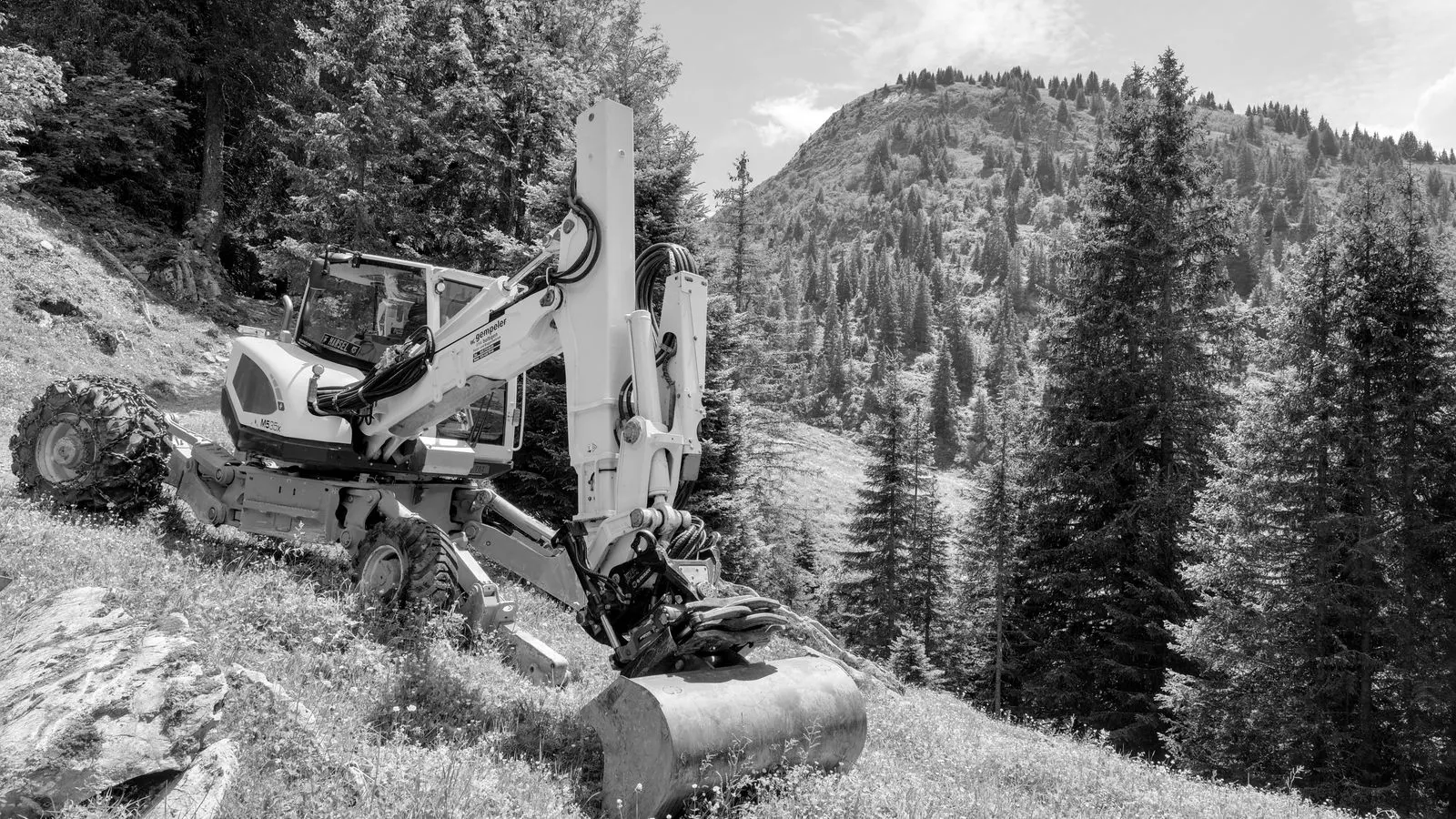
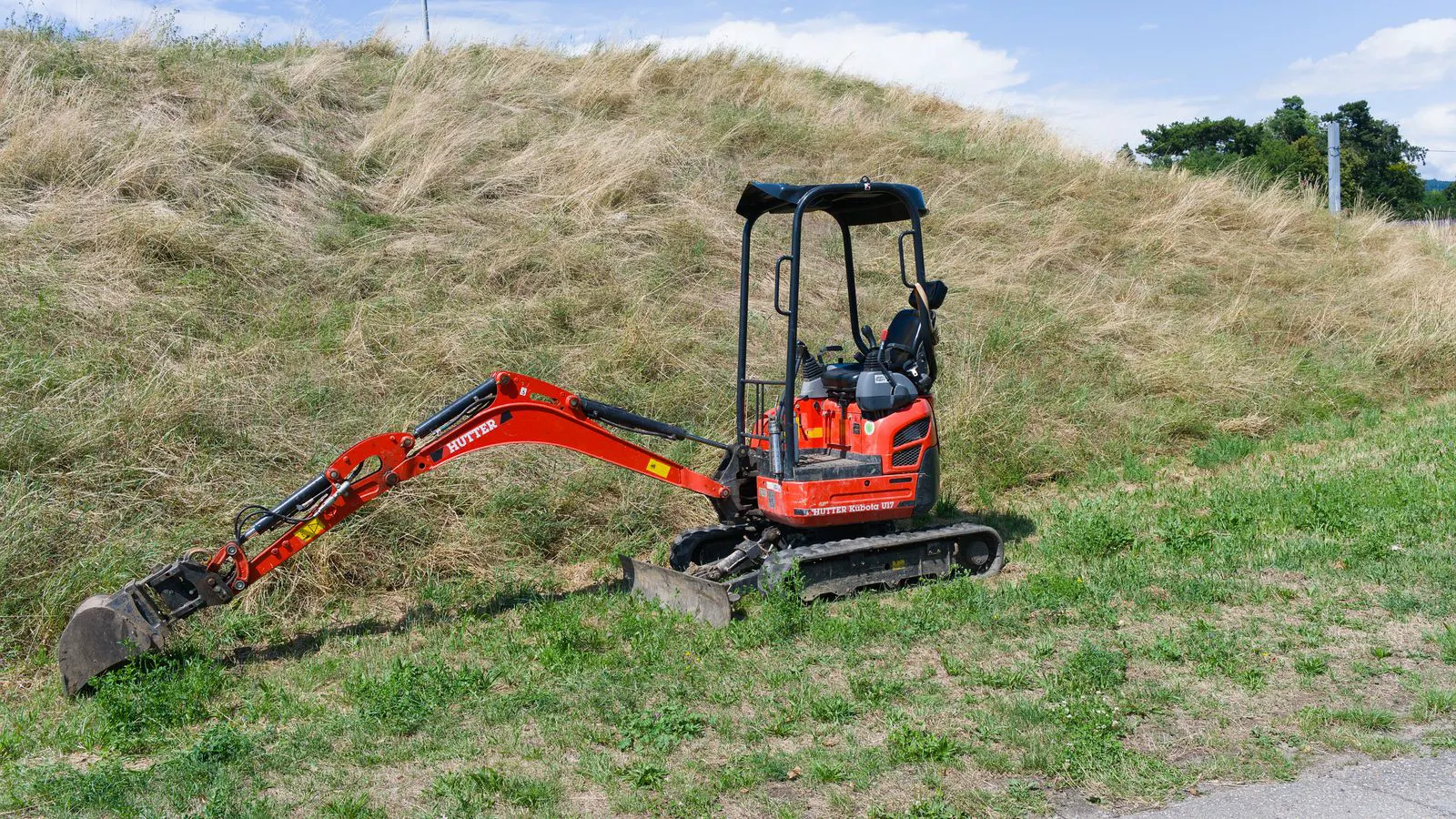
Proper excavator track sizing depends on machine weight, track width, and the specific grade of the work area. Wider tracks lower ground pressure and improve slope stability. Match the material and width to the maximum expected grade and soil conditions.
- Track width directly affects ground pressure and stability on inclines.
- Match track material to the expected soil conditions on the slope.
- Verify undercarriage capacity against the machine's rated operating weight.
- Check for wear and proper tension before operating on steep grades.
- Confirm the undercarriage warranty terms cover the specific work conditions.
Prerequisites for Track Selection
Before choosing track dimensions, confirm the machine’s rated operating weight and the maximum grade you expect to encounter. These two figures set the baseline for ground pressure calculations. You also need to know the typical soil conditions, such as firm clay, loose sand, or rocky ground.
Review the manufacturer’s undercarriage specifications for the exact model. The documentation lists the minimum and maximum allowable track widths for that specific chassis. If you are considering a non-standard width, confirm that the manufacturer approves the configuration. Do not assume that wider tracks automatically fix a stability problem. If the machine’s center of gravity is compromised by a heavy attachment, the width alone will not restore balance.
Step 1: Calculate Ground Pressure
Start by dividing the machine’s rated operating weight by the total contact area of both tracks. The contact area is the track width multiplied by the track length, times two for both sides. This calculation gives you pressure in kilopascals or pounds per square inch, depending on your region.
Lower ground pressure is generally better for soft or sloped terrain because the track sinks less. A wider track reduces the pressure without changing the machine’s weight. A longer track increases the contact area but also adds weight, which can offset the benefit. For slope work, prioritize width over length unless the manufacturer recommends otherwise.
Step 2: Match Track Width to the Grade
The steeper the incline, the more traction and stability you need. A standard width may be adequate for a gentle slope of a few percent. For grades approaching or exceeding ten percent, consider a wider track. The wider footprint increases the lateral stability margin and reduces the chance of the machine sliding sideways.
Consider the work cycle on the slope. If the machine will be digging while stationary on an incline, the stability requirement is higher than if it is only traveling up and down. A loader or excavator that frequently repositions on a grade needs a wider footprint than one that stays in a fixed spot.
Step 3: Select the Correct Track Material
The material of the track determines how well it grips the slope. Standard steel tracks work well on firm, well-compacted ground. They offer durability and are cost-effective for general construction. For loose soil, sand, or mud, a track with lugs or an aggressive tread pattern provides better bite.
For rocky or abrasive terrain, a heavier gauge steel or a reinforced track is necessary to prevent rapid wear. Check the lug height and pitch if you are working on soft slopes. Deeper lugs dig in better but can cause excessive vibration and wear on the rollers if the ground is too hard. Match the lug design to the dominant soil condition.
Step 4: Verify Undercarriage Load Capacity
Confirm that the chosen track width does not exceed the structural limits of the undercarriage. The side frames, rollers, and idlers are designed for specific track widths. Exceeding these limits can cause frame bending, roller bearing failure, or excessive vibration.
Consult the manufacturer’s service manual for the maximum allowable track width. If you are fitting aftermarket tracks, verify that they match the original bolt patterns and pin sizes. A mismatch in pin size can lead to premature wear on the sprockets and rollers. The undercarriage must support the full weight of the machine plus any attachments.
Step 5: Check for Slope Stability Margins
Calculate the stability margin for the specific slope angle. The center of gravity shifts when the machine is on an incline. A wider track increases the base of support, which helps maintain the center of gravity within the stable footprint. The stability margin is the distance from the downhill edge of the track to the point where the center of gravity would pivot the machine.
A larger stability margin provides more room for error. If the machine will be operating near the edge of a slope or on uneven ground, a wider track is advantageous. The manufacturer’s stability charts can help visualize this, but they are based on standard conditions. Adjust your expectations if the terrain is more variable.
Step 6: Consider Travel Speed and Duty Cycle
Excavators on slopes often travel at reduced speeds. A wider track may lower the maximum travel speed because it increases the load on the hydraulic final drives. This is usually acceptable for site work but may be a concern for long-distance travel.
The duty cycle also matters. If the machine will spend most of its time digging on the slope, the static stability and track grip are more important than travel speed. If the machine will move frequently between slopes and flat areas, a balanced track width is preferable. Do not sacrifice travel speed for width unless the slope work is the primary task.
Step 7: Inspect the Existing Undercarriage
Before installing new tracks, inspect the current rollers, idlers, and sprockets. Worn components can cause uneven track tension and poor traction. Replace any rollers that show excessive play or idlers that are damaged. The sprocket teeth should be intact and free of sharp edges.
Check the track tension. It should be adjusted according to the manufacturer’s specifications. Too tight a track increases wear on the final drive and can cause overheating. Too loose a track can lead to slippage on slopes and damage to the rollers. Proper tension is a prerequisite for effective traction.
Step 8: Confirm Warranty and Support
Review the undercarriage warranty terms before finalizing the track selection. Some warranties cover standard configurations only. If you are using a wider track or a specialized lug pattern, confirm that the warranty remains valid. The warranty should specify the approved track materials and widths.
Keep documentation of the track installation, including the part numbers and installation date. This record will be useful if a component fails. It also helps when discussing the machine’s history with a service provider. A clear undercarriage history adds value and simplifies future maintenance.
Common Mistakes in Track Sizing
A common mistake is selecting a track width based only on the machine’s weight. This ignores the slope angle and soil conditions. Another error is assuming that longer tracks always provide better stability. Length increases contact area but also adds weight, which can negate the benefit.
Operators sometimes ignore the lug pattern when working on soft slopes. A standard smooth track may slide on loose soil even if the width is correct. The combination of width and lug design determines the actual traction. Do not overlook the interaction between these two factors.
A third mistake is failing to check the undercarriage structural limits. Installing a track that is too wide for the side frames can cause damage. Always verify the manufacturer’s specifications. Finally, neglecting track tension after installation is a frequent error. Tension must be rechecked after the first few hours of operation as the components settle.
Final Verification Step
After installation, perform a test run on a representative slope. Start with a gentle grade and observe the machine’s behavior. Check for sliding, vibration, or uneven track movement. Inspect the tracks for proper tension and look for any signs of wear.
Confirm that the machine handles attachments and digging cycles as expected on the incline. If the machine feels unstable or the tracks slip, re-evaluate the width or lug pattern. Do not proceed with production work until the machine behaves predictably on the slope. A final inspection of the undercarriage components after the test run ensures everything is secure and functioning correctly.
Track Width and Stability Comparison
| Track Width | Ground Pressure | Stability Margin | Best For |
|---|---|---|---|
| Standard | Higher | Lower | Firm ground, gentle slopes |
| Wide | Lower | Higher | Soft soil, steeper grades |
| Extra Wide | Lowest | Highest | Loose terrain, heavy attachments |
| Standard Lug | Moderate grip | Moderate | General construction |
| Deep Lug | High grip | Moderate | Soft, muddy slopes |
| Smooth | Low grip | Moderate | Hard, compacted surfaces |
The table above shows how track width and lug pattern interact to affect stability. The exact values depend on the machine’s weight and the specific terrain. Use this as a general reference when comparing options. The goal is to match the track configuration to the actual work conditions.
When to Reconsider the Configuration
If the machine is used in a very different environment than planned, revisit the track selection. A machine configured for a firm, compacted site may struggle in a loose, sandy area. Conversely, a machine with deep-lug tracks may wear quickly on hard, rocky ground.
Monitor the undercarriage components for unusual wear patterns. Excessive wear on the inside of the track can indicate improper tension or alignment. Wear on the outside edges may suggest the machine is operating on a slope beyond its intended configuration. Adjust the track width or lug pattern if the wear patterns persist.
Regular maintenance and inspection are part of the track selection process. A well-maintained undercarriage performs better than a new one that is neglected. Keep the rollers, idlers, and sprockets clean and lubricated. Clean the track plates to remove debris that can affect traction.
Conclusion
Selecting the right excavator track for slope work requires matching the width, material, and lug pattern to the machine’s weight and the terrain’s grade. Use the ground pressure calculation as a starting point, then adjust for the specific slope conditions. Verify the undercarriage structural limits and warranty terms before finalizing the choice. A proper track configuration provides the stability and traction needed for safe and effective work on inclines.
Frequently asked questions
How do I know if my excavator tracks are too narrow for the slope?
If the machine slides or feels unstable on the incline, the tracks are likely too narrow. Check the manufacturer's stability charts and consider a wider track.
Can I use standard tracks on loose soil slopes?
Standard smooth tracks may not provide enough grip on loose soil. A track with lugs or an aggressive tread pattern is better suited for soft, loose terrain.
What is the main benefit of wider excavator tracks?
Wider tracks reduce ground pressure and increase the stability margin, which helps the machine stay stable on slopes.
Do longer tracks always improve stability?
Not necessarily. Longer tracks increase contact area but also add weight. The net benefit depends on the machine's total weight and the terrain.
How often should I check track tension?
Check track tension after installation and after the first few hours of operation. Regular checks during routine maintenance help prevent wear and maintain traction.