Comparison: Crawler Excavators vs Wheel Loaders for Grading
A crawler excavator provides superior stability and reach for deep, uneven grading on soft ground, while a wheel loader excels in speed and transport on firm, flat surfaces. The choice depends on soil conditions, material handling needs, and the specific grading geometry required for the project phase.
- Crawler excavators offer better stability and reach for deep grading on uneven or soft terrain.
- Wheel loaders provide higher travel speed and efficient material transport on firm, flat ground.
- Site grading equipment selection depends heavily on soil conditions and the specific phase of the project.
- Hybrid approaches often use both machines to maximize efficiency in mixed grading scenarios.
Stability and Track Pressure on Soft Ground
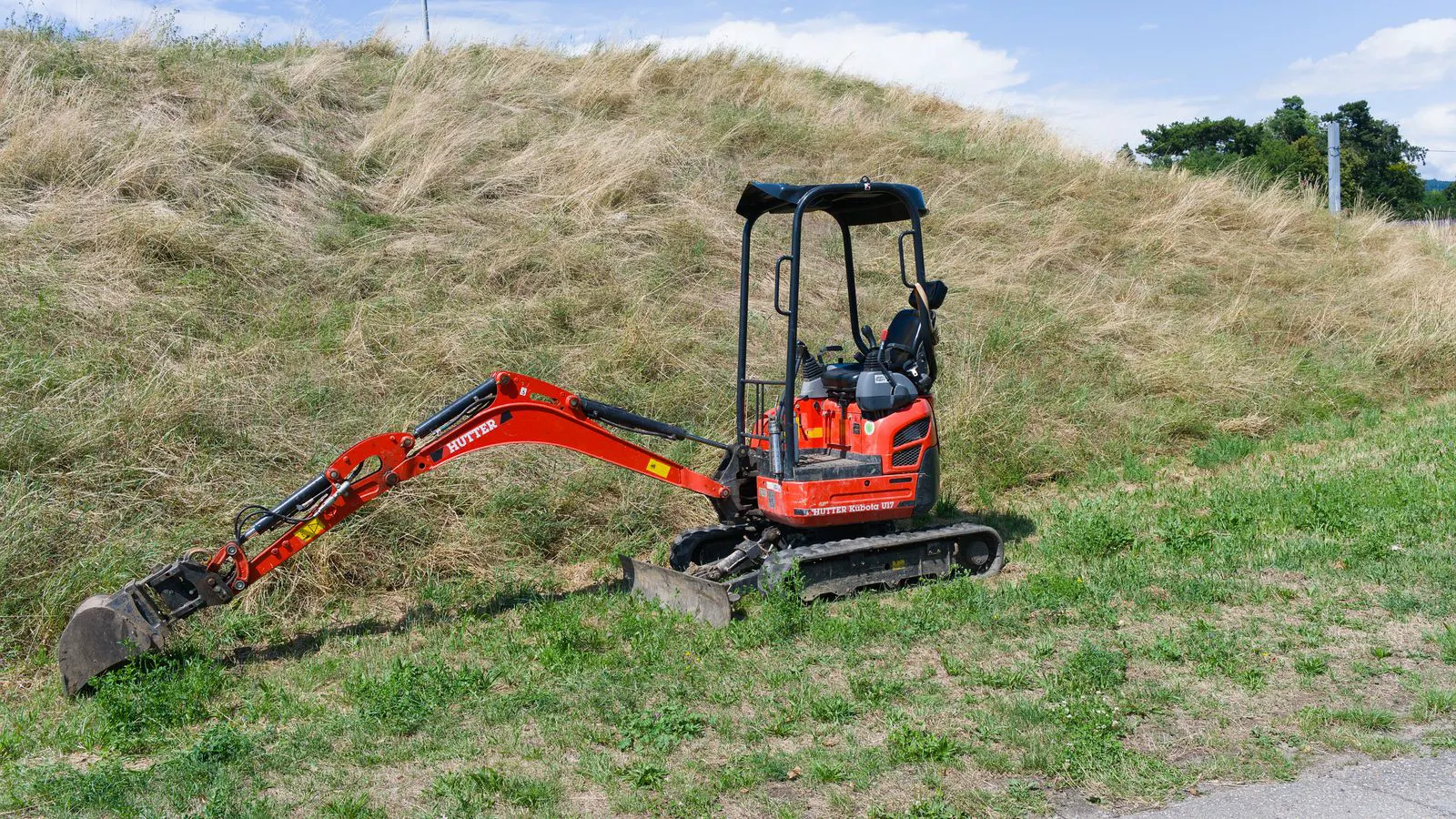
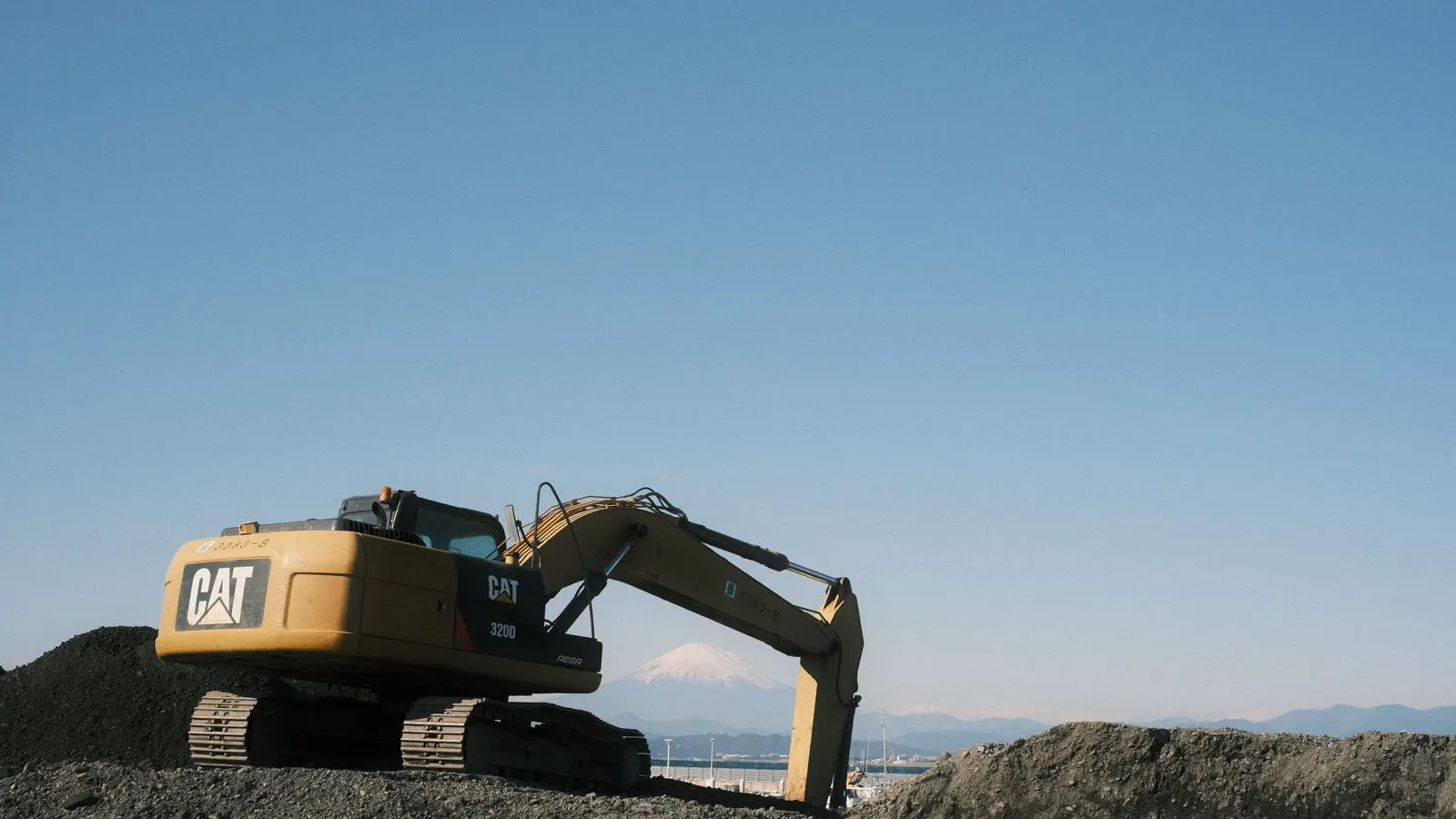
The primary difference between a crawler excavator and a wheel loader for grading lies in how each machine distributes weight across the surface. Crawler excavators use continuous tracks, which spread the machine’s weight over a larger contact area. This reduces ground pressure, allowing the machine to maintain stability on soft soil, mud, or sloped terrain. Wheel loaders rely on rubber tires, which concentrate load on a smaller footprint. On firm, compacted surfaces, this is not a problem. On loose or saturated ground, tire pressure can cause the machine to sink or slide, reducing effective grading control.
For projects involving initial earthmoving or grading over native soil, the crawler excavator is often the safer choice. The tracks provide a fixed base of support, which helps the operator maintain precise boom and bucket positioning while cutting into the ground. This stability is particularly valuable when grading to tight tolerances or working near existing structures. The machine does not need to shift its weight or rely on tire grip to hold position.
Reach and Working Radius
Grading often requires moving material from one area to another. A crawler excavator has a long reach due to its telescoping boom and stick. This allows the operator to cut material at one point and dump it at a distance without repositioning the entire machine. The working radius of a typical mid-size crawler excavator can cover a significant area from a single spot. This is efficient for creating slopes, ditches, or shaping embankments.
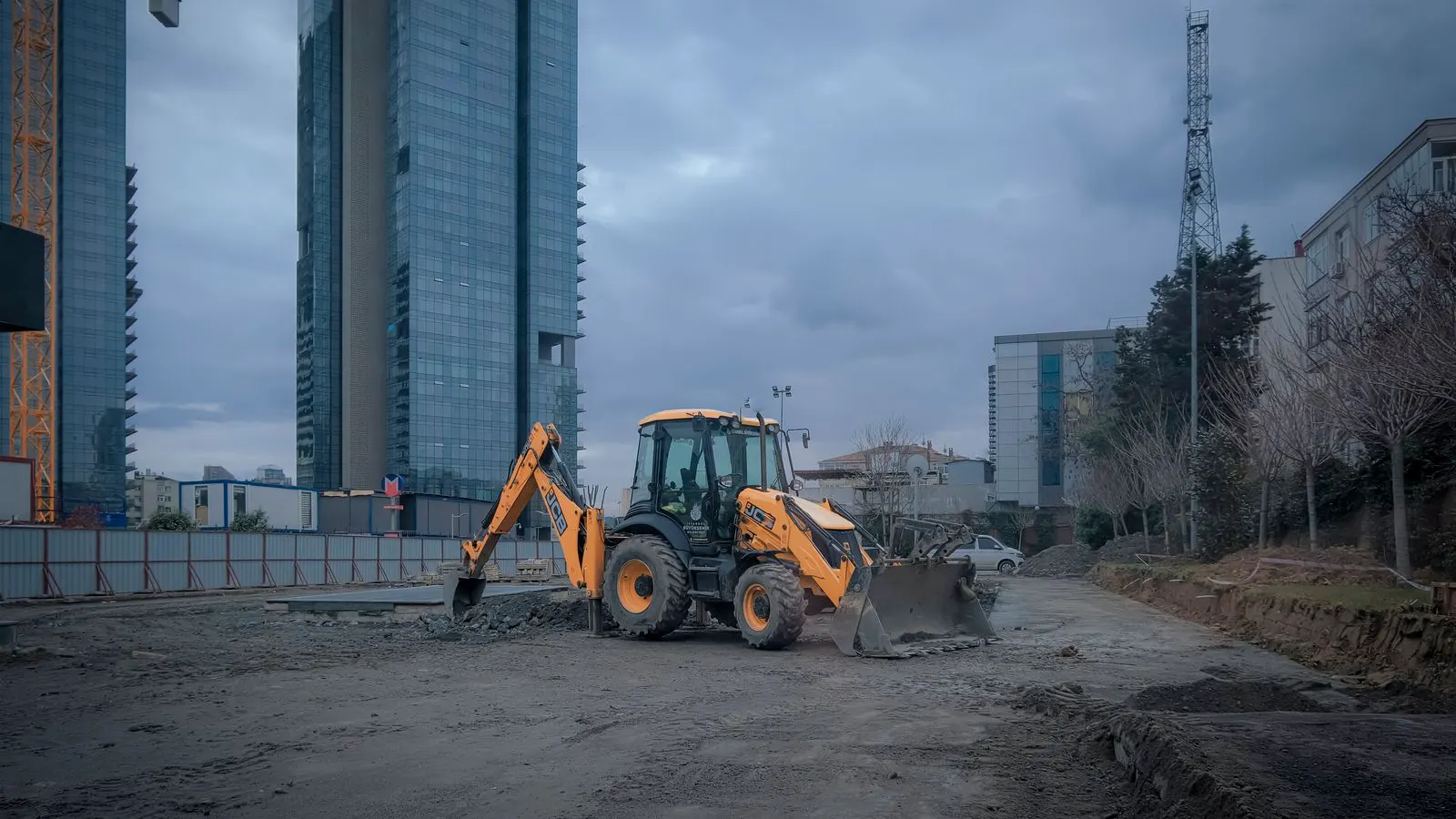
A wheel loader has a much shorter reach. The bucket is close to the machine’s center of gravity, which is stable but limits how far the operator can throw material. To grade a larger area, the wheel loader must shuttle between the cut and the fill points. This reduces the machine’s effective working radius and increases the time spent traveling rather than cutting.
Material Handling and Transport Efficiency
If the grading task involves moving large volumes of material across the site, the wheel loader has a distinct advantage. The bucket is designed to scoop, carry, and dump material in a continuous cycle. The machine can move from a pit to a road or a low spot to a high spot with minimal delay. The wheel loader acts as both a grading tool and a haul unit.
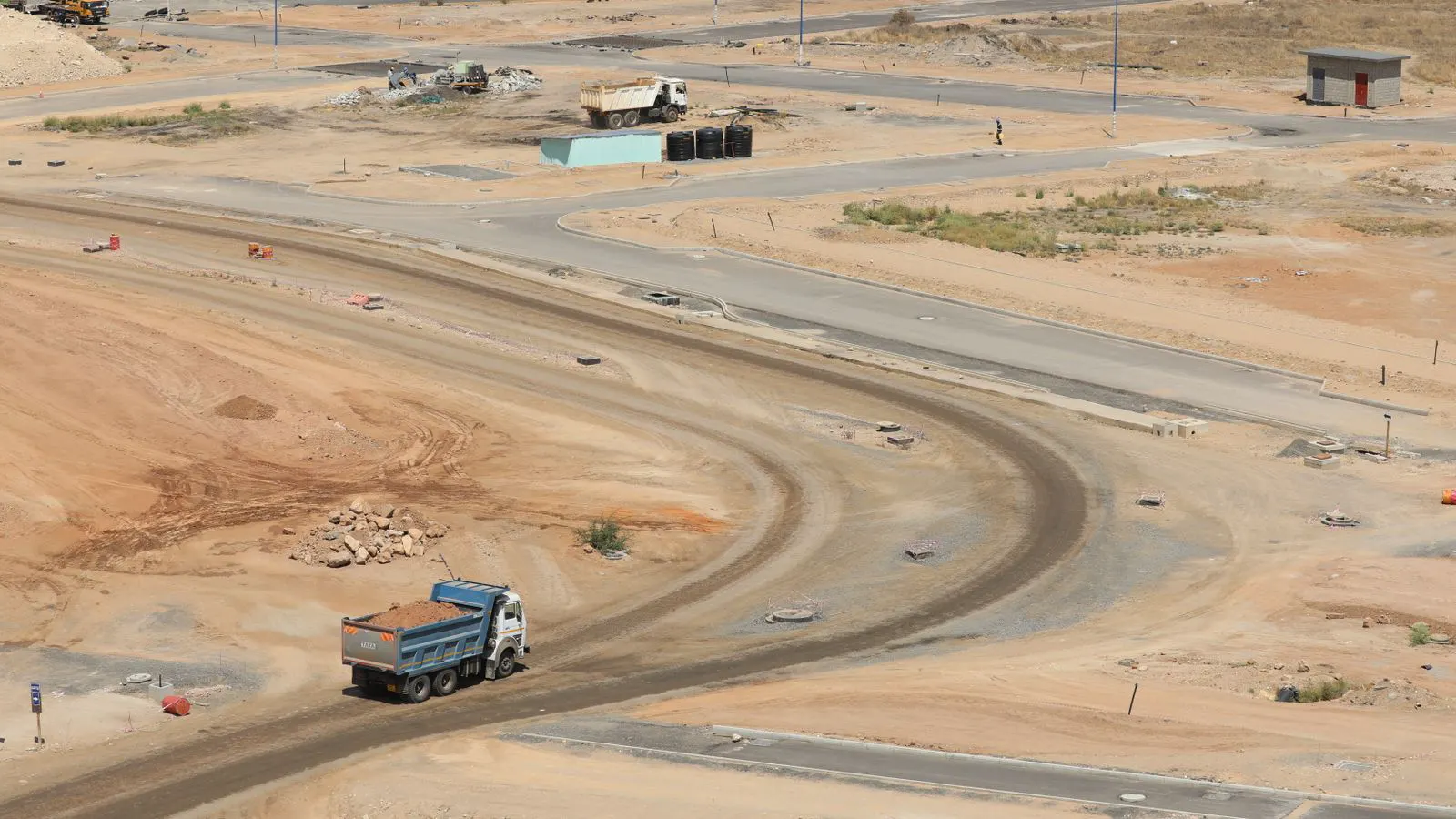
A crawler excavator is not designed for long-haul transport. While it can dump material at a distance, it is not efficient for moving loads across the site. If the grading plan requires moving earth over long distances, the crawler excavator becomes a bottleneck. In such cases, a wheel loader or a separate haul truck is typically better suited to the task.
Surface Finish and Precision
The quality of the finished grade is often determined by the last few passes. A crawler excavator allows for very precise cuts. The operator can make shallow, controlled cuts along a string line or a laser-guided plane. The stability of the tracks helps maintain the machine’s position while making these fine adjustments. This is useful for preparing subgrades for paving or creating smooth slopes.
A wheel loader can also grade, but the process is different. The machine uses the bucket to push and level material. The operator relies on the machine’s weight and the bucket’s edge to smooth the surface. This method can be effective on firm ground but may leave a rougher finish than a crawler excavator. The wheel loader is better for bulk leveling than for final surface finishing.
Comparison Table
| Option | Best for | Limitations |
|---|---|---|
| Crawler Excavator | Soft ground, deep cuts, precise finishing, uneven terrain | Slow travel speed, poor long-haul transport, higher maintenance complexity |
| Wheel Loader | Firm ground, bulk material movement, fast transport, general leveling | Limited reach, stability issues on soft soil, rougher finish on final pass |
| Track Loader | Soft ground with transport needs, mixed terrain | Higher cost, specialized operator skill, less common fleet option |
| Motor Grader | Long straight runs, final surface preparation, wide area leveling | Not a primary grading machine, requires firm ground, limited material handling |
| Dozer | Pushing large volumes, rough grading, heavy soil | Limited reach, requires precise operator skill, not ideal for fine finishing |
Choosing the Right Machine for Your Project
The decision between a crawler excavator and a wheel loader for grading depends on the project’s specific conditions. If the site is soft, uneven, or requires deep cuts, the crawler excavator is the primary tool. Its stability and reach allow it to handle the earthmoving tasks that set the stage for the final grade.
If the site is firm and flat, and the task involves moving large amounts of material quickly, the wheel loader is more efficient. It can grade and haul in a single machine, reducing the number of equipment changes needed on site.
Many projects use both machines. The crawler excavator performs the heavy cutting and shaping, while the wheel loader moves the resulting material and handles the bulk leveling. This combination allows each machine to operate within its strengths, improving overall project efficiency.
Maintenance and Operational Considerations
The operational demands of each machine also influence the choice. Crawler excavators have a more complex undercarriage with tracks, rollers, and sprockets. These components wear over time and require regular inspection and replacement. The hydraulic system in an excavator is also more demanding due to the constant movement of the boom and bucket. Operators must be trained to use the machine smoothly to avoid unnecessary wear on the hydraulics and undercarriage.
Wheel loaders have a simpler undercarriage. The tires are easier to inspect and replace, and the hydraulic system is generally less complex. However, the tires are subject to damage from rocks, debris, and sharp objects. The operator must be attentive to tire condition and the machine’s stability when carrying full loads.
In terms of operator skill, both machines require experienced operators. The crawler excavator demands precision in boom and stick control, while the wheel loader requires attention to tire placement and load balance. A well-trained operator can get the most out of either machine for grading tasks.
When to Consider Alternatives
If the grading task involves long, straight sections of road or pavement, a motor grader may be a better option. It is designed for smoothing and finishing surfaces over long distances. While it does not perform the heavy earthmoving that an excavator or loader does, it excels at the final preparation of the subgrade.
For pushing large volumes of material in a straight line, a dozer is often more effective than a wheel loader. The dozer’s blade is designed for pushing, and the machine’s weight helps it move heavy soils. However, the dozer has limited reach and is not as versatile as an excavator or loader for complex grading shapes.
In some projects, a track loader combines the benefits of both machines. It has tracks for stability on soft ground and a wheel loader-style bucket for material handling. This is a good option for sites that require both stability and transport capability, though the machine is less common and often more expensive to acquire.
Practical Selection Checklist
- Assess soil conditions: Soft or uneven ground favors a crawler excavator. Firm, flat ground favors a wheel loader.
- Determine material volume: Large volumes requiring transport favor a wheel loader. Small volumes or deep cuts favor a crawler excavator.
- Evaluate finish requirements: Final surface finishing often requires the precision of a crawler excavator. Bulk leveling can be done with a wheel loader.
- Consider site access: Narrow or confined areas may favor a crawler excavator due to its turning radius and ground pressure.
- Check fleet availability: If both machines are available, plan the sequence of operations to use each where it is most effective.
Using the right machine for the right task improves project efficiency and reduces wear on the equipment. A crawler excavator and a wheel loader are both valuable tools for grading, but they serve different purposes. Understanding their strengths and limitations helps operators and project managers make informed decisions.
Frequently asked questions
Can a wheel loader grade on soft ground?
It can, but stability is a major concern. The tires may sink or slide, reducing the operator's control over the bucket and the machine's position.
Is a crawler excavator better for finishing grades?
Generally, yes. The stability of the tracks and the precision of the boom and bucket allow for finer, more controlled cuts than a wheel loader.
How do I decide which machine to use for my site?
Look at the soil conditions, the volume of material to move, and the required finish. Soft ground and deep cuts favor an excavator. Firm ground and transport favor a loader.
Can I use both machines on the same project?
Yes, this is common practice. The excavator handles the heavy cutting and shaping, while the loader moves material and does bulk leveling.
What is the main disadvantage of a crawler excavator for grading?
Travel speed. The machine moves slowly between spots, which can be a bottleneck if the grading task requires moving material over long distances.