Explainer: How Hydraulics Affect Excavator Bucket Control

Excavator hydraulics dictate bucket control through precise pressure and flow management. Higher pressure enables deeper digging, while stable flow ensures smooth positioning. Choosing the right hydraulic system depends on soil type, task complexity, and operator comfort.
- Hydraulic pressure determines the force behind digging actions, while flow controls speed and smoothness of movement.
- Bucket control precision depends on matching hydraulic system capacity to the specific demands of the task.
- Operator feedback and machine response are key indicators of whether the hydraulic system is properly matched to the application.
- Understanding these fundamentals helps buyers distinguish between machines that feel sluggish and those that respond with predictable accuracy.
- Hydraulic system size and configuration influence fuel efficiency, maintenance intervals, and long-term operating costs.
How Pressure Drives the Dig
When an operator pulls the boom arm down into a trench, the hydraulic system does more than just move metal. It applies force through a cylinder that converts fluid pressure into mechanical work. The deeper the bucket needs to go, the more resistance it meets from soil, rock, or debris. That resistance is met by the pressure inside the cylinder.
Pressure is measured in kilopascals or bar, and it represents the force per unit area pushing against the hydraulic fluid. A machine designed for soft earth may run at lower pressures because the soil offers little resistance. A machine tackling compacted clay or gravel beds needs higher pressure to break through the ground.
This distinction matters at the sourcing stage. If the work involves heavy ripping or deep foundation digging, a machine with a higher pressure rating will perform better. A lower-pressure system may struggle, causing the operator to compensate with awkward movements or extended digging cycles.
Flow Controls the Feel of the Move
While pressure determines force, flow determines how fast the bucket moves and how smoothly it responds. Flow is the volume of fluid moving through the system per unit of time. Higher flow rates allow faster swing, boom extension, and bucket curl. But speed alone does not equal precision.
An operator who needs to place a bucket edge along a formwork line or grade a shallow trench needs predictable, low-speed movement. If the flow is too high for the task, the bucket may overshoot the target. If the flow is too low, the operator has to wait, which slows the work and increases fatigue.
Modern hydraulic systems use variable displacement pumps and control valves to adjust flow on demand. This allows the machine to deliver high power during heavy digging and fine control during precision work. The quality of that transition between modes directly affects how the machine feels in the cab.
Bucket Control as a System Interaction
Bucket control is not just about the bucket itself. It is the result of how the boom, stick, and bucket cylinders work together under hydraulic pressure and flow. When the operator moves the stick arm, the stick cylinder extends or retracts. When the bucket arm curls, the bucket cylinder changes the bucket angle. These movements happen simultaneously in many tasks, and the hydraulic system must manage all of them at once.
A poorly matched system can cause conflicting actions. For example, if the boom cylinder is under high pressure but the stick cylinder flow is limited, the operator may feel the boom move while the stick lags behind. That lag creates a loss of control, especially when trying to maintain a stable bucket edge.
Well-tuned hydraulic systems use load-sensing technology to deliver only the flow needed for the current load. This reduces energy waste and keeps movements stable. The operator feels the machine respond as one unit rather than as separate hydraulic circuits fighting each other.
Matching Hydraulics to the Job Site
Before selecting an excavator, the buyer needs to define the primary tasks. Digging depth, soil resistance, swing radius, and attachment type all influence hydraulic requirements. A machine used for utility trenching in soft soil has different hydraulic needs than one used for demolition or rock breaking.
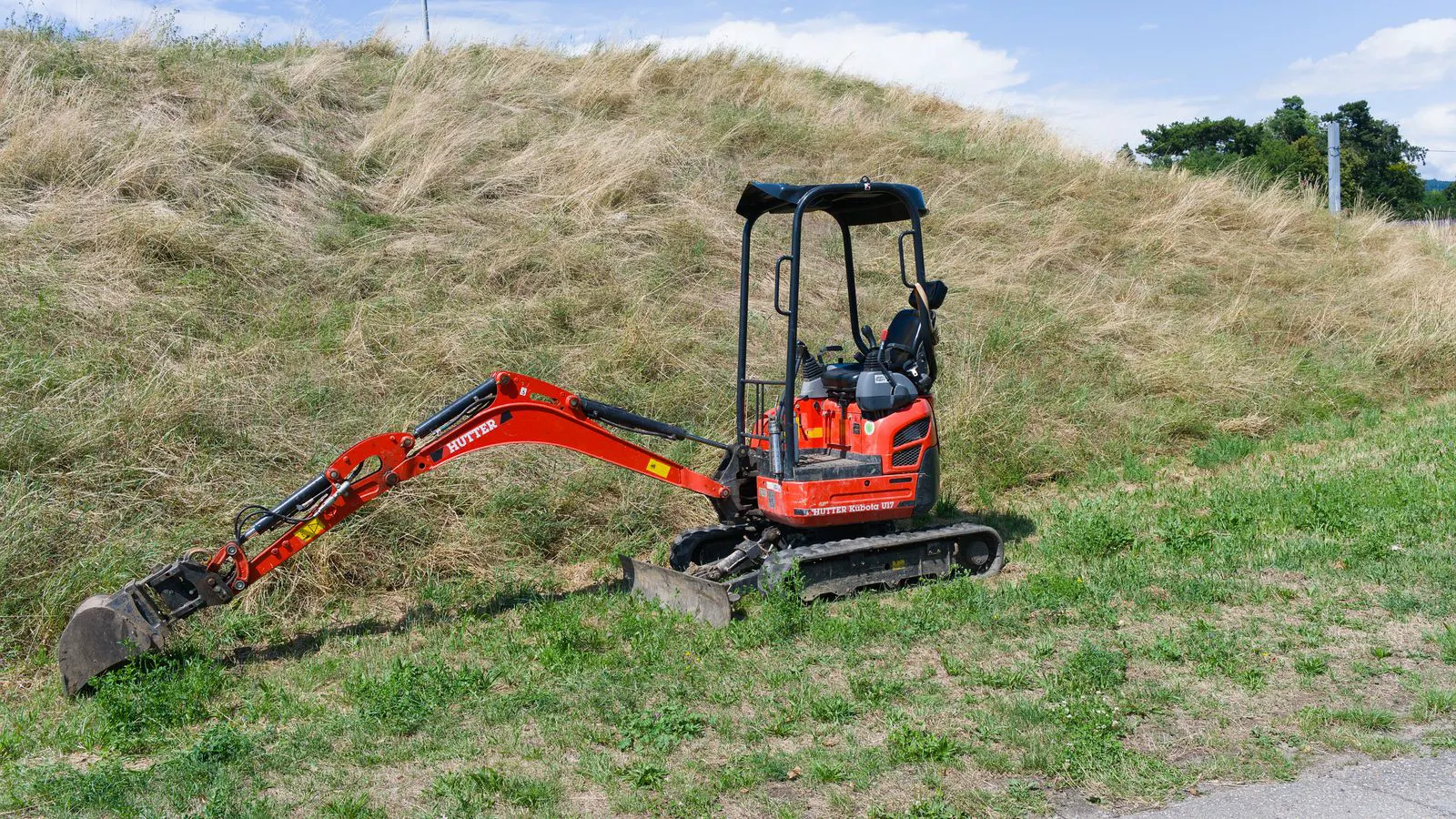
Trenching work demands fine bucket control. The operator needs to maintain a consistent depth and width while moving the bucket along the line. This requires stable flow and moderate pressure. A machine with excessive power in this context may be harder to control, leading to uneven trenches or damaged nearby services.
Demolition work requires high pressure and rapid flow. The bucket or breaker attachment needs to deliver high impact force quickly. The hydraulic system must sustain high pressure without overheating. In this application, speed and force are more important than the fine positioning found in trenching.
The Operator Experience as a Diagnostic Tool
Experienced operators can tell a lot about the hydraulic system just by sitting in the cab. They notice how the boom responds at low speed, how the bucket curls when fully extended, and how the swing interacts with the boom arm. A well-matched hydraulic system feels predictable. The operator knows what to expect when applying control inputs.
If the machine feels sluggish at low speed, the flow may be insufficient. If it feels jerky or bouncy under load, the pressure relief settings may be too high or the system may be underdamped. If the bucket drops unexpectedly, there may be a leak or a pressure control issue.
These observations should be part of the evaluation process. Test drives on actual site conditions are far more informative than spec sheets alone. The buyer should watch how the operator handles the bucket during a series of tasks that mirror the intended use.
Hydraulic System Sizing and Long-Term Cost
The size of the hydraulic pump and the configuration of the control valves affect not just performance but also operating costs. A larger system may deliver more power but consumes more fuel and may require larger components. A smaller, more efficient system may perform well for light duty but struggle when pushed to its limits.
Maintenance intervals are also tied to hydraulic system design. Higher pressure systems may require more frequent checks of seals and hoses. Flow control valves can wear out if the machine is operated in conditions beyond their intended range. Understanding the trade-offs helps the buyer plan for total cost of ownership rather than just purchase price.
When comparing machines, look at the hydraulic system specifications alongside the engine output. A powerful engine with an under-sized hydraulic system will not deliver the expected performance. The match between engine and hydraulics is just as important as the match between hydraulics and the task.
Worked Example: Trenching a Utility Trench
Imagine a buyer selecting an excavator for a utility company that needs to dig a 0.6 meter deep trench in mixed soil. The trench will contain fiber optic cable, so the bucket edge must remain clean and the trench bottom must be flat.
The machine needs to dig at a moderate depth but maintain precise control over the bucket edge. A hydraulic system with stable low-speed flow and moderate pressure will perform well here. The operator should be able to hold the bucket at a consistent angle and move it along the trench line without overshooting.
If the buyer selects a machine with a high-pressure, high-flow system designed for rock breaking, the bucket may be too fast and forceful for this task. The operator would need to work slowly to avoid damaging the trench walls or disturbing existing services. The machine would still function, but the operator experience would be less comfortable and the work may take longer.
The right choice here is a machine with a hydraulic system that balances control and power. The buyer should look for features that support fine positioning, such as electronic flow control and low-speed operation modes. The machine should feel stable when the operator holds the bucket still for a few seconds, which is a common requirement in utility work.
Key Specifications to Review
When reviewing excavator hydraulic specifications, focus on a few key areas. The pump displacement and maximum flow rate indicate how much fluid the system can move. The maximum pressure rating shows the force the system can deliver. The number of hydraulic circuits and the type of control valves affect how independently the operator can manage each function.
The following table outlines the main hydraulic parameters and their practical implications for bucket control.
| Parameter | What It Indicates | Impact on Bucket Control |
|---|---|---|
| Maximum Pressure | Peak force the system can deliver | Determines digging depth and breaking capability |
| Flow Rate | Volume of fluid moved per unit time | Affects speed and smoothness of movements |
| Control Valve Type | How flow and pressure are regulated | Influences precision and response at low speed |
| Number of Circuits | Independent hydraulic functions | Allows separate control of boom, stick, and bucket |
| Pump Type | How fluid is generated | Affects efficiency and adaptability to load |
| Relief Valve Setting | Pressure limit to protect the system | Prevents overpressure and controls force output |
Reviewing these parameters in combination gives a clearer picture of how the machine will perform on the intended tasks. No single number tells the whole story, but the relationships between them reveal a lot about the machine’s character.
Common Mistakes in Hydraulic Sourcing
One common mistake is focusing only on horsepower or engine output without checking the hydraulic system. A powerful engine can drive a hydraulic system that is too small for the work, or too large and inefficient. The result is a machine that either struggles or wastes fuel.
Another mistake is assuming that a larger machine always performs better. A larger excavator may have more hydraulic capacity, but it may also be heavier and less agile. For precise work, a smaller machine with a well-tuned hydraulic system may outperform a larger one that is harder to control.
The third mistake is neglecting the operator’s input. A machine that is technically adequate may feel difficult to use if the hydraulic response does not match the operator’s expectations. Test drives should include tasks that require fine control, not just heavy digging.
Final Thoughts
Excavator hydraulics are the link between the machine’s power and the operator’s intent. Pressure provides the force to dig, flow provides the speed and smoothness of movement, and the control system determines how precisely those two elements are combined. Understanding these fundamentals helps buyers make informed decisions and avoid machines that feel wrong for the job.
The right hydraulic system is not the one with the highest numbers. It is the one that matches the task, the site, and the operator’s skill. When the machine responds predictably and the bucket moves with confidence, the work goes faster and with fewer errors.
Frequently asked questions
What is the difference between hydraulic pressure and flow?
Pressure is the force applied by the fluid, measured in bar or kilopascals. Flow is the volume of fluid moving through the system per unit time. Pressure determines digging force, while flow determines movement speed and smoothness.
How do I know if the hydraulic system is sized correctly for my work?
Match the system to your primary tasks. If the machine feels sluggish at low speed, flow may be too low. If it struggles to reach depth, pressure may be too low. Test drives on real site conditions are the best way to evaluate the fit.
Can a high-flow system be used for precision work?
Yes, if the control system allows low-speed operation. Variable displacement pumps and electronic flow control enable high power for digging and fine control for precision tasks. The key is whether the machine offers a stable low-speed mode.
What are the signs of a poorly tuned hydraulic system?
Jerky movements at low speed, unexpected bucket drop, or lag between control input and machine response. The operator may also notice higher fuel consumption or longer maintenance intervals than expected.
How often should hydraulic systems be checked?
Follow the manufacturer's maintenance schedule. Inspect hoses, seals, and filters regularly, especially after heavy use or in abrasive conditions. Leaks and pressure drops should be addressed promptly to prevent further damage.