Explainer: How Daily Inspection Routines Reduce Breakdown Risk
Consistent pre-operation checks identify wear, leaks, and fluid issues before they cause major failures. These routines lower repair costs, improve safety, and protect the value of heavy equipment.
- Daily inspections catch early signs of wear, leaks, and fluid contamination before major failures occur.
- Documented checks create a reliable record that supports warranty claims and resale value.
- Combining visual checks with fluid sampling creates a layered defense against costly breakdowns.
- Consistent routines reduce unplanned downtime and stabilize long-term operating costs.
A daily inspection routine is a set of standardized checks performed by the operator or maintenance technician before the machine starts for the workday. It is not a deep service. It is a rapid visual and functional review designed to spot abnormal conditions that, if ignored, will eventually damage a major component.
The value of this practice is not in the time it takes. It is in the failure it prevents. A loose track tensioner, a slow hydraulic leak, or a cracked hose may seem minor when first noticed. Left unaddressed, they can fail under load, damage the hydraulic pump, or strand the machine on a job site.
What Daily Inspection Routines Actually Cover
A typical daily inspection routine focuses on four categories: fluid levels and condition, structural integrity, functional performance, and safety systems.
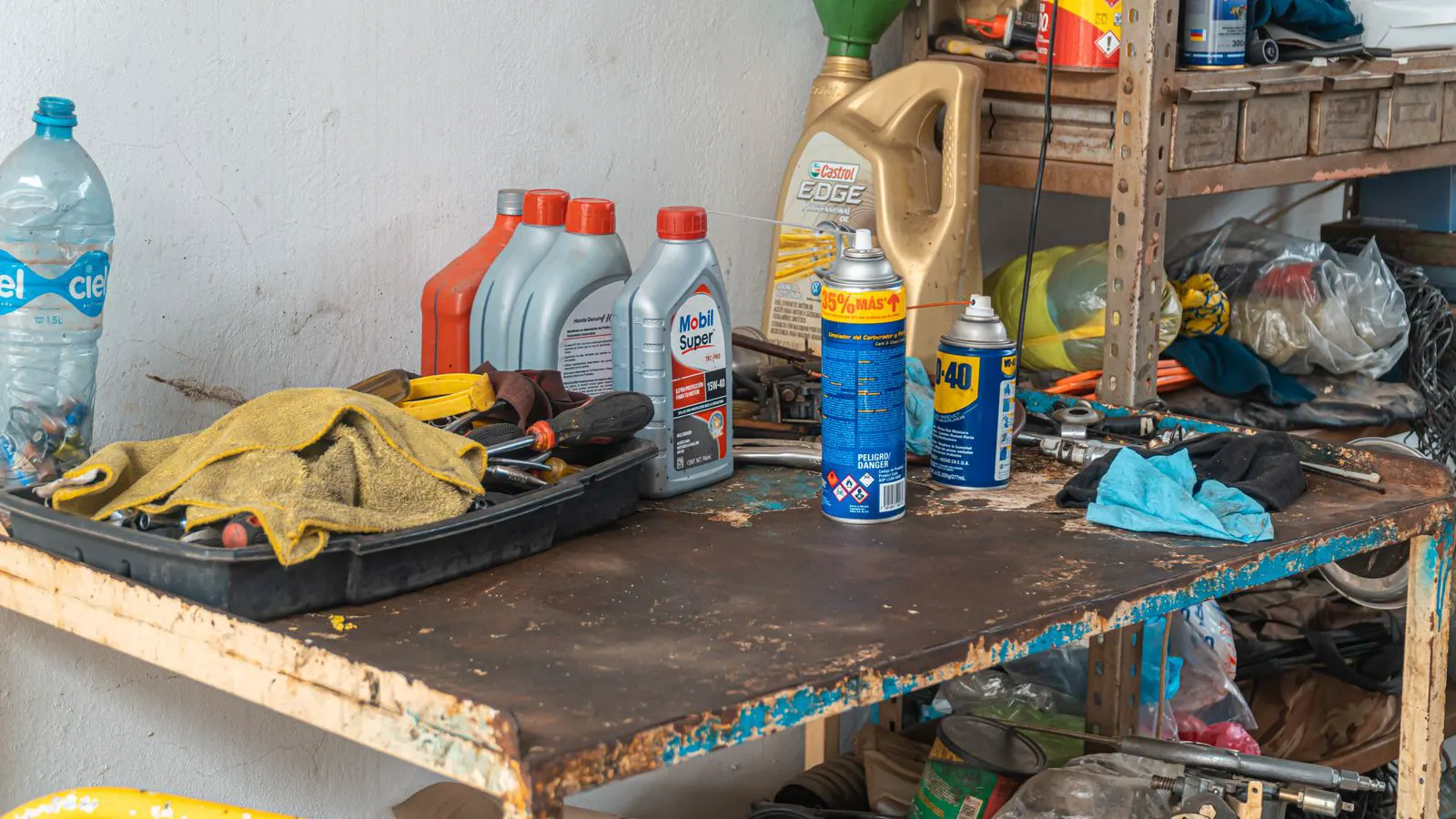
Fluid checks start with the engine oil, hydraulic oil, coolant, and fuel. Operators look for level marks on sight glasses or dipsticks. They also check for color changes or contamination. Dark, milky, or gritty fluids indicate problems that need immediate attention. A milky hydraulic fluid sample often points to water intrusion. Metal particles suggest internal wear.
Structural checks cover the visible frame, boom, arm, bucket, and undercarriage. Inspectors look for cracks, bent pins, worn bushings, and loose bolts. The bucket teeth and cutting edges get specific attention because they affect material handling efficiency. A worn or chipped tooth changes how the bucket cuts and increases the load on the hydraulic cylinders.
Functional performance checks test the machine in a controlled manner. The operator runs the engine at idle, then operates each function slowly. This includes the boom, arm, bucket, swing, travel, and auxiliary functions. The goal is to feel for sluggish response, unusual vibration, or abnormal heat.
Safety systems receive the final check. These include the seat belt, fire extinguisher, warning lights, alarms, and the condition of the operator cabin. A missing or damaged guard can lead to injury and regulatory fines.
How Early Detection Works
Mechanical failures rarely happen without warning. They follow a progression from normal operation to early degradation to active failure. Daily inspections target the early degradation phase.
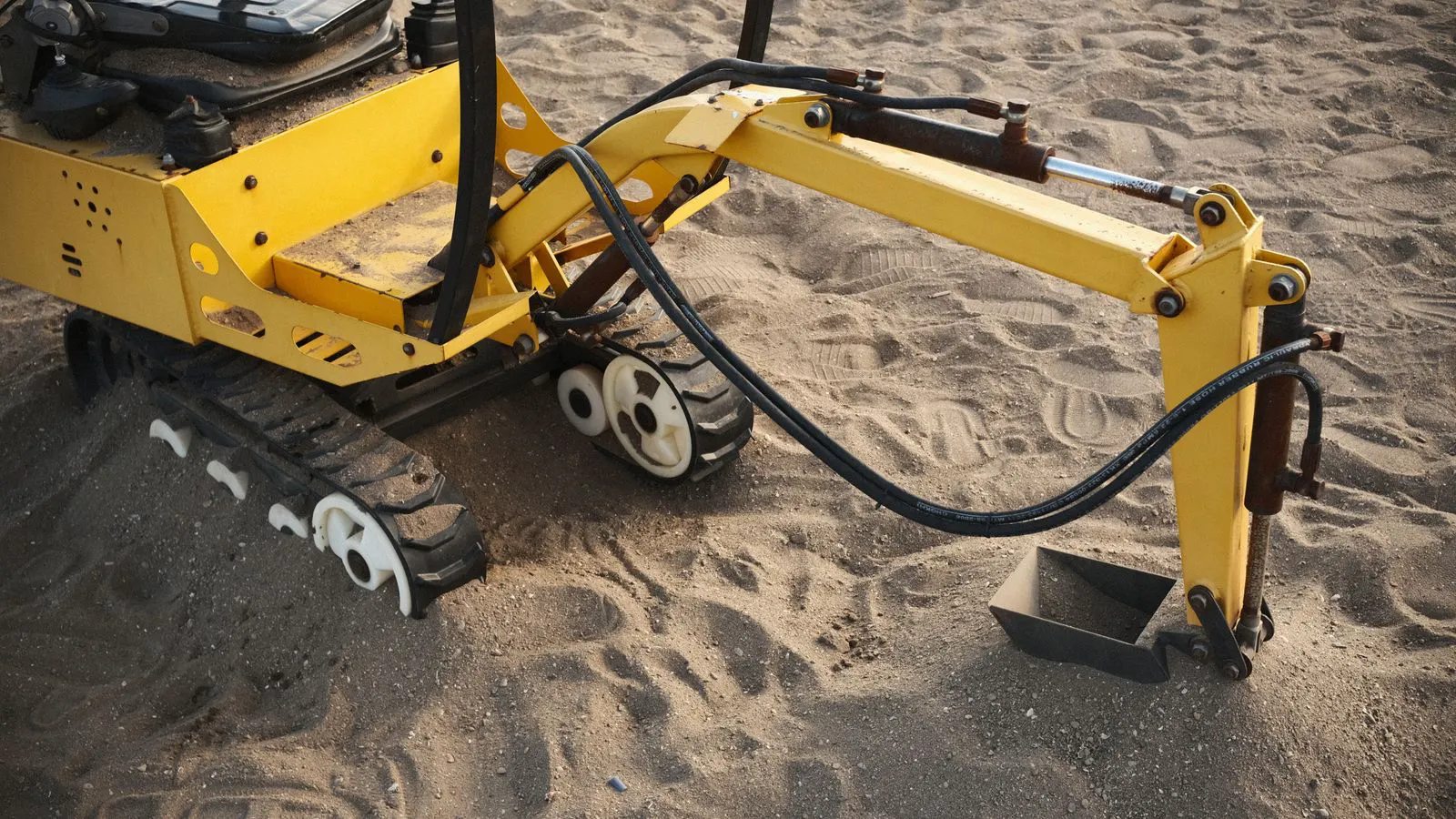
Hydraulic systems are a good example. A worn cylinder seal may start with a slow external leak. The leak appears as wetness around the cylinder rod or a small drip on the ground. If the operator notices it during a morning walk-around, the seal can be replaced while the cylinder is still accessible. If the leak is missed for weeks, the cylinder rod may corrode, the seal may shred, and the entire cylinder may need replacement. The repair time and cost are far higher.
Undercarriage wear follows a similar pattern. Track chains and rollers show visible signs of wear. A chain that is too loose will slip over the sprocket. A chain that is too tight will overload the bearings. Both conditions increase fuel consumption and reduce component life. A daily check of track tension and condition helps maintain the proper balance.
The Role of Documentation
An inspection without a record is a guess. Documentation turns a routine into a system.
A logbook or digital entry captures the date, machine ID, operator name, and findings. It notes specific items that need follow-up. For example, an entry might state that the left track tensioner needs adjustment and that the hydraulic oil level is low. The next entry shows the adjustment was made and the oil was topped up.
This record serves several purposes.
- It creates a trail of maintenance activity that supports warranty claims.
- It helps identify patterns, such as a recurring leak that points to a deeper issue.
- It provides data for resale value. Buyers of used machinery look for service history.
- It supports training for new operators by showing what the machine should look like and do.
A simple format works well. Use a table for recurring items and free text for anomalies. The goal is clarity, not complexity.
How Routines Affect Sourcing Decisions
Maintenance history influences sourcing decisions in several ways.
When evaluating used machinery, a well-documented daily inspection routine signals that the previous owner managed the asset responsibly. It suggests that minor issues were caught early, which means major components are likely in better condition. A machine with a complete log of routine checks is easier to verify than one with no records.
For new purchases, sourcing decisions can be shaped by the availability of inspection tools and training. Some manufacturers provide digital inspection apps that guide operators through standard checks. Others sell standalone checklists that can be printed and kept in the cab. The choice of tooling affects how consistently the routine is performed.
Sourcing decisions also extend to consumables. A machine with a strong inspection routine will show clearer patterns of consumption. If hydraulic oil levels drop consistently, the operator can source filters and seals before a failure occurs. This shifts purchasing from reactive to planned.
A Worked Example in Plain Words
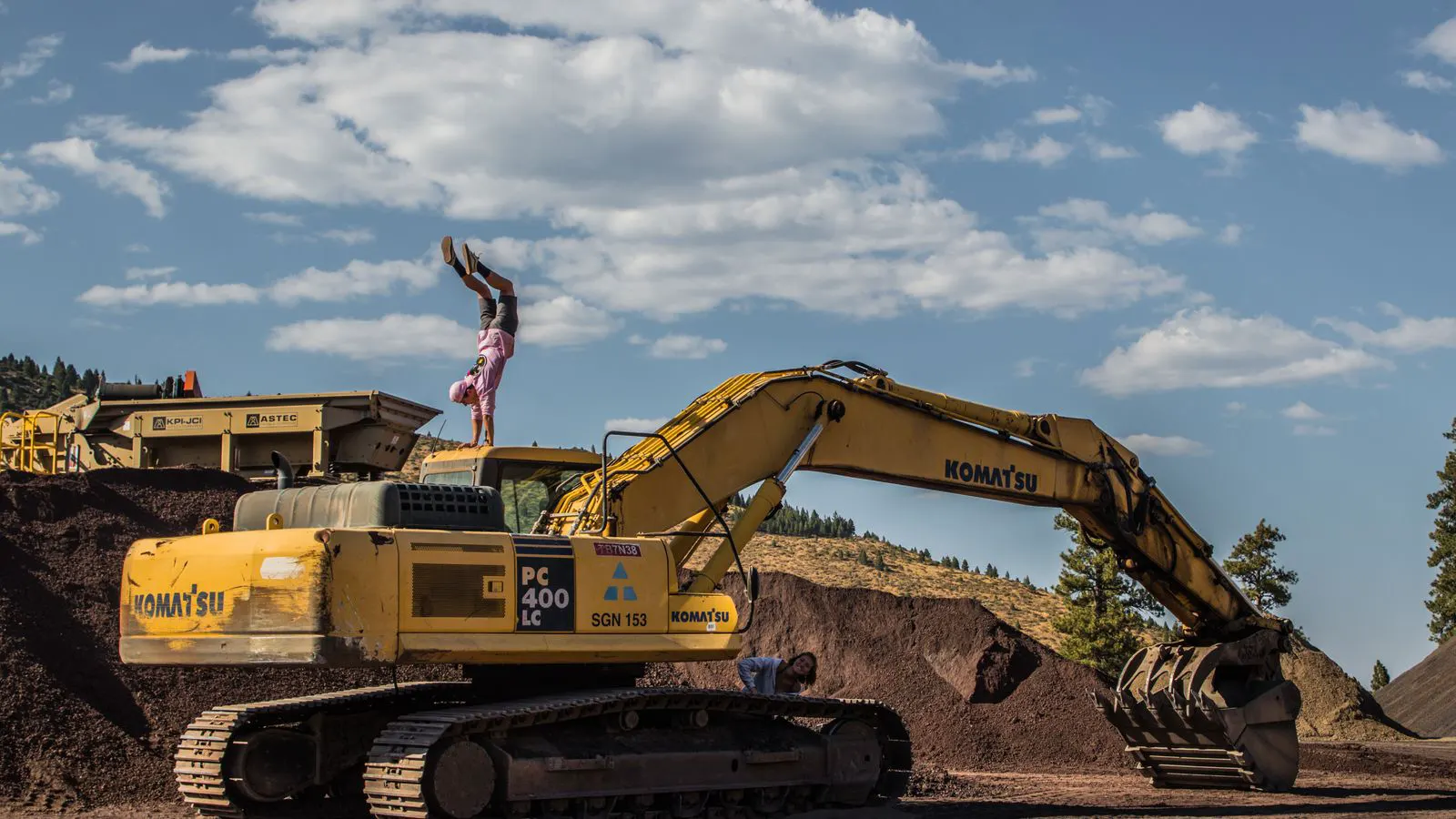
Consider a crawler excavator that is three years old and used for general earthmoving. The operator performs a daily inspection before starting the machine.
On Monday, the operator notices a small wet spot on the right side of the boom cylinder. The spot is not a drip. It is a slow seep. The operator records it in the log. The next day, the spot is larger. The operator flags it for a mechanic. The mechanic finds a worn rod seal. The seal is replaced. The repair takes one hour. The machine returns to service the same day.
Without the daily inspection, the seal would likely have failed over a longer period. The rod seal might have torn completely. Oil would have leaked into the cylinder bore. The piston could have scored. The cylinder would have needed rebuild or replacement. That repair would take days, not hours. The cost would be higher, and the machine would be out of service longer.
This example shows how a small observation prevents a large failure. The routine did not fix the problem. It identified the problem at the right time.
Building a Routine That Sticks
A daily inspection routine only works if it is consistent. Inconsistent checks create gaps. A missed day can hide an early warning sign.
Three practical steps improve consistency.
- Anchor the routine to a fixed action. For example, the operator starts the machine only after completing the walk-around. The machine will not start until the checklist is complete.
- Keep the checklist visible. A laminated card in the cab or a tablet screen makes the routine part of the daily workflow.
- Assign accountability. The operator records the findings. The maintenance manager reviews weekly entries. This creates a feedback loop without adding significant administrative burden.
Training matters. New operators need to understand what normal looks like. A machine that runs smoothly may still show early signs of wear. A short training session on what to look for reduces the chance that a critical issue is overlooked.
Common Mistakes That Undermine the Routine
Several mistakes reduce the value of a daily inspection routine.
One is treating the checklist as a formality. Operators may check boxes without looking. This creates a false sense of security. The checklist should prompt a visual and functional review, not just a signature.
Another mistake is ignoring minor findings. A small leak, a loose bolt, or a noisy bearing may seem unimportant. But these are the early signals that daily inspections are designed to catch. If minor issues are dismissed, the routine loses its purpose.
A third mistake is inconsistent documentation. If findings are not recorded, they are forgotten. A machine that has had several small leaks over a month will show a pattern only if those leaks were logged. Without the log, the pattern is invisible.
Finally, some organizations skip the routine during busy periods. This is the exact time when failures are most likely to occur. High workloads increase machine stress, which increases the chance of early degradation. Cutting inspection during peak periods creates a dangerous gap.
How Routines Support Breakdown Prevention and Preventive Maintenance
Daily inspection routines are the foundation of a broader maintenance strategy. They feed into preventive maintenance by identifying issues that need scheduled repair.
Preventive maintenance involves planned work based on time or usage. For example, changing hydraulic filters every 100 hours or inspecting undercarriage components every 250 hours. Daily inspections do not replace these scheduled tasks. They complement them.
The daily check might reveal that the hydraulic oil is darker than expected. This prompts an earlier filter change than the scheduled interval. It might show that a track chain is wearing faster than normal, which prompts a closer look at the sprocket and idler rollers. In these cases, the daily routine adjusts the preventive schedule to match actual machine condition.
This approach reduces breakdown risk in two ways. It catches failures before they happen. It also optimizes the timing of scheduled maintenance so that work is done when needed, not just when planned.
Breakdown prevention is not about eliminating all failures. It is about managing them. A machine will wear. Parts will fail. The goal is to ensure that failures are planned, not disruptive. Daily inspection routines move failures from the unplanned category to the planned category.
Final Thoughts on Consistent Checks
A daily inspection routine is a practical tool for reducing breakdown risk. It does not require expensive technology or long hours. It requires consistency, clear documentation, and a willingness to act on small findings.
The value is measurable in operational terms. Fewer unplanned repairs, shorter repair times, better fuel efficiency, and longer component life. These factors improve the overall economics of machine ownership.
For engineers and fleet managers, the routine is a form of risk management. It identifies early mechanical failures before they become costly. It supports sourcing decisions by providing clear records of machine condition. It strengthens the preventive maintenance program by aligning scheduled work with actual machine needs.
The routine is not a formality. It is a working system. When performed consistently, it becomes one of the most effective tools for protecting heavy equipment and reducing the cost of ownership.
Frequently asked questions
How long should a daily inspection take?
A standard daily inspection for a crawler excavator typically takes between ten and twenty minutes. The time depends on the machine size, complexity, and the depth of checks required.
Who should perform daily inspections?
The operator is usually the first to perform the walk-around. They can check fluid levels, look for leaks, and test basic functions. A maintenance technician should review findings and address issues that require specialized tools or expertise.
What is the difference between daily inspection and preventive maintenance?
Daily inspection is a short, routine check performed before each workday. Preventive maintenance is scheduled work based on time or usage intervals. Daily inspections identify issues that may need preventive action.
Can digital tools replace paper checklists?
Digital tools can improve consistency and record keeping. They can track entries, flag recurring issues, and generate reports. However, the physical act of walking around the machine and performing the checks remains necessary.
How do daily inspections affect used machinery value?
A complete inspection log supports the resale value of used machinery. Buyers can verify that the machine was managed responsibly. A documented history of checks and minor repairs is more valuable than a machine with no records.