Checklist: Assessing Supplier Spare Parts Inventory Depth
This checklist provides a practical method for evaluating an equipment supplier's ability to stock critical parts. It covers inventory verification, supply chain transparency, and service response metrics to help buyers avoid costly downtime and select reliable partners.
- Verify physical stock levels for critical wear parts before committing to a supplier.
- Review supply chain agreements to understand lead times for long-lead items.
- Test response metrics with a pilot order to confirm service level agreements in practice.
- Check for OEM parts authorization to ensure compatibility and warranty validity.
- Map out distribution hubs to assess regional availability and transport costs.
Why Inventory Depth Matters for Uptime
A supplier’s ability to deliver parts quickly determines your machine’s availability. A broken hydraulic seal or a worn drive belt can halt a project for days if the part is not in local stock. This checklist helps you assess whether an equipment supplier can keep your fleet running without waiting for global shipments.
The depth of inventory is not just about quantity. It involves the right mix of fast-moving wear parts and long-lead components. A supplier might have thousands of filters on the shelf but lack the specific gasket sets needed for your aging fleet. You need to see the data, not just the promises.
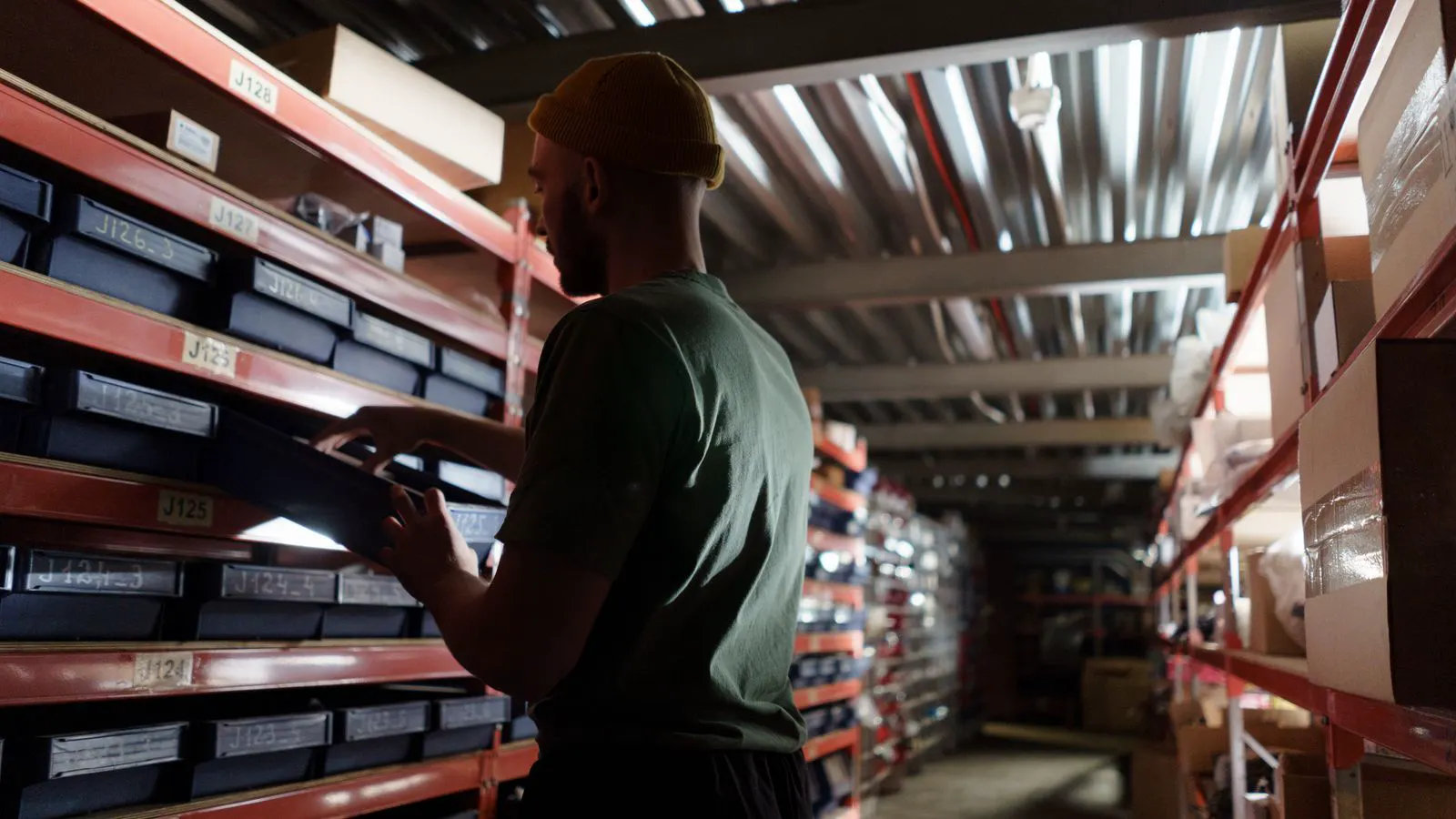
1. Verify Physical Stock of Critical Parts
Start by identifying the parts that stop your work. For a typical excavator, this includes hydraulic hoses, cylinder seals, and electrical connectors. For a crane, it might be wire ropes and brake components. Ask the supplier for a current inventory report for these specific SKUs.
Do not rely on a general catalog. Request a breakdown of stock on hand versus stock on order. If a part is listed as “available,” confirm if it is in a local warehouse or in a central hub. The difference in transit time can be significant.
| Part Category | Typical Lead Time (Local Stock) | Typical Lead Time (Global) | Risk Level |
|---|---|---|---|
| Filters and Fluids | 1-2 days | 2-4 weeks | Low |
| Hydraulic Seals | 3-5 days | 3-8 weeks | Medium |
| Control Modules | 1-2 weeks | 4-12 weeks | High |
| Major Structural Components | 2-4 weeks | 6-16 weeks | High |
Red Flag: The supplier cannot provide a SKU-level inventory report. They only offer general availability statements or direct you to a website with no real-time data.
2. Assess Supply Chain Transparency
Inventory depth is only as strong as the supply chain behind it. Ask how the supplier sources parts. Do they have direct agreements with the original equipment manufacturer (OEM), or do they buy through third-party distributors?
Direct OEM agreements usually mean better pricing and guaranteed authenticity. Third-party sources can be cheaper but carry higher risks of counterfeit parts or mismatched specifications. Request documentation that proves the parts are genuine.
Check if the supplier has a backup plan for long-lead items. If a specific control board is out of production, do they have a process to source compatible alternatives or refurbish old units? This is critical for older equipment where new parts are scarce.
Red Flag: Vague answers about sourcing. If they say “we get them from a partner” but cannot name the partner or show the supply chain certificate, treat the inventory depth with skepticism.
3. Review Service Level Agreement Metrics
A supplier evaluation is incomplete without looking at their service level agreement (SLA). The SLA should define how fast they commit to delivery. Look for specific timeframes, such as “24-hour dispatch” for local stock or “5 business days” for global shipping.
Check if the SLA includes penalties or credits if they miss the deadline. Many suppliers list response times but do not define what happens when they fail to meet them. Without teeth, the SLA is just a marketing document.
Test the response time yourself. Place a small order for a common part and measure the time from order to delivery. This real-world test often reveals gaps between the promised SLA and the actual operational capability.
Red Flag: The SLA defines “response” as an acknowledgment of your email, not the physical dispatch of the part. This distinction can cost you days of downtime.
4. Check Regional Distribution Coverage
Parts availability varies by region. A supplier with a global headquarters may have deep inventory in Europe but thin stock in Asia or the Americas. Map their distribution hubs against your operating locations.
If your fleet is spread across multiple countries, ask if they can ship parts directly to your sites or if they require you to order through a local dealer. Local dealers add a layer of bureaucracy and potential markup.
Consider the logistics of heavy parts. A hydraulic pump is heavy and fragile. Ensure the supplier has experience shipping heavy machinery parts without damage. Check their packaging standards and insurance coverage for in-transit parts.
Red Flag: Long transit times for your specific region. If your main site is in a remote area and the nearest hub is 1,000 miles away, your “local stock” advantage is gone.
5. Evaluate Technical Support Depth
Parts are useless if you do not know how to install them. A good supplier provides technical guidance alongside the part. Check if they have a network of certified technicians who can visit your site.
Ask about their diagnostic tools. Do they provide software to diagnose electronic faults, or do they just send parts based on your guess? For modern machinery with electronic controls, this technical support is as important as the part itself.
Review their training programs. Do they offer on-site training for your maintenance staff? This reduces future downtime by ensuring your team can handle minor repairs independently.
Red Flag: The supplier sells parts but does not offer installation support or diagnostics. You are left to figure out the fix, which increases the risk of incorrect part selection.
6. Verify OEM Parts Authorization
Counterfeit parts can cause catastrophic failures. Always verify that the supplier is an authorized dealer for the brands you own. Check for current authorization letters or certificates.
Ask about their return policy for defective parts. Authorized dealers have a direct line back to the OEM for warranty claims. Unauthorized sellers may not be able to process returns, leaving you out of pocket.
Check their track record for quality issues. Ask if they have had any recent recalls or quality complaints. A supplier with a clean history is less risky.
Red Flag: The price is significantly lower than other suppliers. This is a common sign of counterfeit or refurbished parts sold as new. Do not cut corners on critical safety components.
7. Plan for Extended Warranty Integration
If you are buying a fleet, consider how the supplier’s spare parts inventory integrates with your warranty. Some suppliers offer extended warranties that include free parts for a set period.
Check the terms carefully. Does the warranty cover labor? What is the process for claiming a part under warranty? A clear process reduces administrative burden.
Ask about the transition from warranty to paid parts. When the warranty expires, will the supplier continue to offer the same service levels? Consistency is key to long-term reliability.
Red Flag: The warranty terms are vague on what “reasonable effort” means. If the supplier can deny a claim based on ambiguous language, the warranty is weak.
Final Verification Steps
Before signing a contract, run a final audit. Confirm that the supplier has passed all the checks in this checklist. Document the findings and share them with your internal team.
Keep the inventory report on file and review it quarterly. Inventory levels change. A part that was in stock last year might be out of production this year. Regular reviews keep your evaluation current.
This method gives you a factual basis for your decision. It moves the conversation from promises to proof. Use this checklist to ensure your supplier can keep your machinery working.
Frequently asked questions
How often should I review a supplier's inventory levels?
Review inventory levels quarterly or when your fleet composition changes. New machines or retired units shift the demand for specific parts.
Can I rely on a supplier's website inventory data?
Website data is often outdated. Always request a current SKU-level report from a sales representative to verify real-time stock.
What is the risk of using third-party parts?
Third-party parts may not meet OEM specifications, leading to accelerated wear or system failures. They can also void warranties.
How do I test a supplier's service level agreement?
Place a small test order for a common part and measure the actual delivery time. Compare it to the promised SLA.
Do I need a supplier with local stock for every part?
No. Focus on fast-moving wear parts. For long-lead items, a reliable global supply chain with clear lead times is sufficient.