Explainer: How Regional Hubs Affect Service Network Speed

Regional hubs determine how quickly parts reach remote sites by controlling inventory placement and dispatch routes. A shorter distance between the hub and the machine reduces downtime.
- Location of the nearest hub sets the baseline for parts delivery time.
- Inventory depth at a regional hub reduces the need for cross-border shipments.
- Supplier evaluation must measure actual dispatch times, not just stated lead times.
- Remote sites benefit most from hubs that hold high-turnover components locally.
- Technical support access depends on the proximity of the service team to the hub.
How a Service Network Shapes Response Times
The service network is the physical and organizational structure a supplier uses to maintain equipment after delivery. It includes warehouses, dispatch centers, field service engineers, and communication channels. The distance between a site and the nearest active node in this network determines how fast a broken pump or sensor arrives at the machine.
A remote mining operation in the northern hemisphere cannot rely on a European distribution center for a missing hydraulic hose. The freight route may involve multiple border crossings and customs holds. A regional hub located within a few hundred kilometers changes that calculation completely. The parts truck leaves a local yard in the morning and arrives at the site by midday.
This difference changes how the buyer structures the site. If the service network is thin, the site must keep more spares on site. If the hub is close, the site can run leaner and still avoid long stoppages.
What Controls the Speed of a Parts Run
Several factors determine how quickly a part moves from the supplier to the machine. The first is the physical location of the warehouse that holds the specific item. If the hub stores the part, the dispatch time is short. If it does not, the part must move from another region or directly from the manufacturer.
The second factor is inventory depth. A hub may hold a general range of filters, seals, and electrical components. It may not hold a rare control valve or a specialized sensor assembly. When a rare item is needed, the buyer waits for a dedicated shipment. That shipment may take days or weeks depending on the route.
The third factor is the dispatch process. Some suppliers use dedicated freight partners that prioritize service parts. Others use standard commercial shipping. The difference in priority changes the arrival time significantly. A critical part on a priority run can move overnight. A non-priority part may sit in a consolidation center for a day or two before moving.
How Inventory Depth Changes Site Logistics
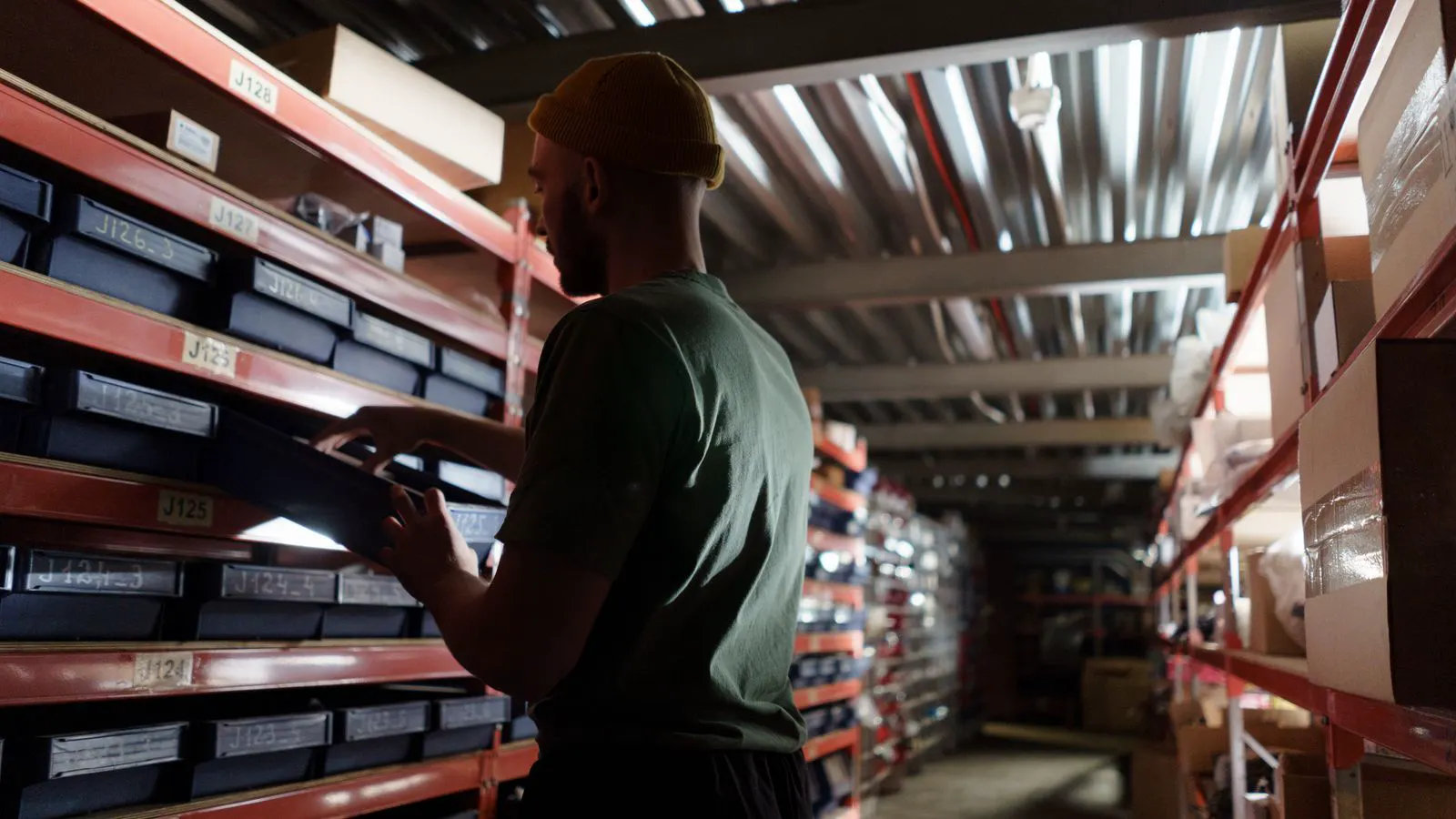
A well-stocked regional hub reduces the risk of long waits. The hub holds high-turnover items that are common across many machine models. These include hydraulic seals, oil filters, wear plates, and standard electrical connectors. When the hub holds these items, the service team can ship the part on the same day the request is made.
When the hub does not hold an item, the service team must source it. This involves checking another hub, contacting the manufacturer, or arranging an emergency freight. The buyer experiences this as a delay. The site may have to shut down the machine or perform a workaround.
The depth of inventory at a hub also affects the service team. If the local team has the part, they can diagnose the machine and replace it quickly. If they must wait for a shipment, they spend time on the phone with the supplier rather than on the machine. The site sees a slower repair process and a higher cost per downtime hour.
Supplier Evaluation and Service Network Checks
Supplier evaluation should include a check of the service network. The buyer should ask where the nearest hub is located for the specific machine model. They should also ask which components the hub holds in stock. The supplier should be able to provide a list of high-turnover items available at the local node.
The buyer should also check the dispatch protocol. What happens when a part is not in stock? How long does it take to arrange an emergency shipment? Is there a dedicated service engineer who can travel to the site within a set time frame? These answers shape the service level agreement.
A supplier with a strong regional hub can offer shorter lead times for common parts. A supplier with a global network but no local node may still be fast for rare parts if they have a direct manufacturer link. The buyer must weigh these factors against the cost of keeping extra spares on site.
A Worked Example of a Regional Hub Impact
Consider a mid-sized earthmoving fleet operating in a remote area. The fleet uses several excavators and dozers. One day, an excavator loses hydraulic pressure due to a worn seal. The operator reports the fault to the site maintenance manager.
The site checks the local inventory. The specific seal is not on hand. The maintenance manager contacts the supplier. The supplier confirms that the seal is held at a regional hub located three hundred kilometers away. The supplier dispatches the part by road. The part arrives at the site within the same business day. The technician replaces the seal and returns the machine to service in a few hours.
If the hub had been located in another country, the part would have required air freight or a long road trip. The machine would have been out of service for several days. The site would have had to rearrange its work schedule to compensate. The regional hub prevented a major disruption.
Table of Service Network Factors
The table below shows how different factors affect service network speed.
| Factor | Effect on Speed | Typical Impact on Site |
|---|---|---|
| Hub Location | Closer hubs reduce transit time | Lower downtime for common parts |
| Inventory Depth | Deeper stock allows same-day dispatch | Less need for on-site spares |
| Dispatch Priority | Priority runs move parts faster | Quicker restoration of operations |
| Technical Support | Local engineers reduce diagnosis time | Faster repair and fewer errors |
| Communication Channel | Direct line to hub speeds up requests | Less time spent on paperwork |
How Remote Sites Should Plan for Service Gaps
Remote sites often face service gaps where the regional hub does not cover all possible failures. The buyer must plan for these gaps. One approach is to maintain a higher inventory of critical spares on site. This protects against the longest delays. Another approach is to build a relationship with a secondary supplier who can provide emergency parts.
The site should also monitor the service network performance. The buyer should track how often parts arrive on time and how often the site waits for rare items. This data helps in the next supplier evaluation. If the current hub does not hold enough critical items, the buyer can negotiate for a deeper stock at the local node.
The service network is not a static asset. Suppliers may open new hubs or close existing ones. The buyer should review the network status at least once a year. A change in the network can affect the entire fleet. A new hub can improve speed. A closed hub can increase risk.
The Role of Technical Support in Service Speed
Technical support is a part of the service network. A service engineer who can diagnose the fault remotely can save time on site. The engineer can identify the failing component and send the correct part before the machine breaks down completely. This reduces the time the site spends on diagnosis.
A strong technical support team also helps with spare parts planning. The engineer can identify which parts are most likely to fail based on the operating conditions. This information helps the site build a more efficient spare parts list. The site can hold the right items and avoid overstocking low-use parts.
The technical support team also manages the service network. They know which hubs hold which parts and how to route a request for the fastest arrival. The site benefits from this knowledge. The buyer should evaluate the depth of the technical support team as part of the supplier evaluation.
Conclusion
The regional hub is the center of the service network. Its location, inventory, and dispatch process determine how quickly parts reach the site. A buyer who understands these factors can make better sourcing decisions. The service network affects the cost of downtime and the need for on-site spares.
The buyer should check the hub location and inventory depth before signing a contract. They should also check the dispatch protocol and the technical support access. The service network is a moving target. The buyer should review it regularly and adjust the site inventory as needed.
The speed of the service network depends on the supplier and the site. A close hub with deep inventory provides fast service. A distant hub with thin inventory provides slow service. The buyer must choose the supplier that matches the site’s needs. The service network is a key part of the total cost of ownership.
Frequently asked questions
What is the main difference between a regional hub and a global distribution center?
A regional hub is located close to the operating site and holds common parts for quick local dispatch. A global center holds a wider range of parts but is farther away, leading to longer transit times.
How does inventory depth at a hub affect the site?
Deep inventory allows the hub to ship common parts on the same day. Thin inventory forces the site to wait for rare parts or keep more spares on site.
What should a buyer ask a supplier about their service network?
The buyer should ask for the location of the nearest hub, a list of high-turnover items held there, and the dispatch protocol for out-of-stock parts.
Can a site reduce its need for on-site spares if the hub is close?
Yes. A close hub with deep inventory and fast dispatch reduces the need for the site to stock common parts. The site can rely on the hub for rapid delivery.
How often should a buyer review the service network?
The buyer should review the service network at least once a year. This check identifies changes in hub status and inventory depth that affect delivery speed.