Comparison: Local Assembly vs Global Supply Chains
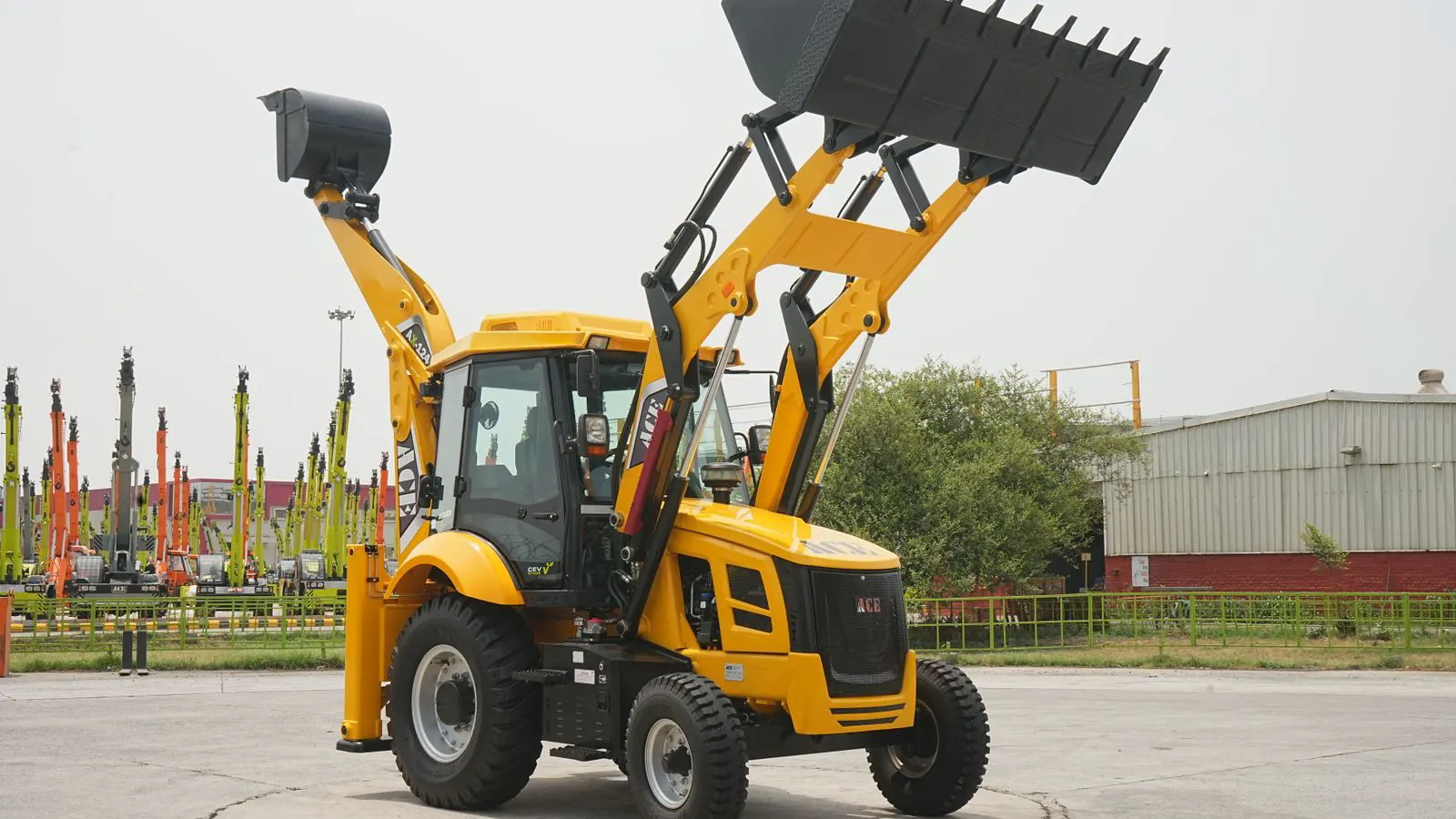
Engineers compare locally assembled versus globally sourced machinery by weighing service speed, parts availability, and total ownership costs. Local assembly typically wins on response time, while global chains can offer lower purchase prices and broader model choice. The right choice depends on project duration, site access, and criticality.
- Local assembly shortens parts lead times and supports faster field service.
- Global sourcing often lowers the upfront machine price but raises logistics and warranty friction.
- Engineers should score options on spare parts flow, warranty enforcement, and technical support depth.
- Mixed strategies, using local assembly for critical assets and global models for less critical units, reduce risk.
- Document supplier financial health and service level agreements before signing.
How Local Assembly Changes the Purchase Decision
Local assembly changes what an engineer buys and how the machine arrives. A locally assembled unit often shares the same core components as a globally manufactured model. The difference is the final build, integration, and testing performed closer to the site. This setup usually means faster delivery. It also means the supplier can respond to field issues with fewer customs checks and shorter transport legs.
For a project manager, this matters when the machine sits idle. A hydraulic hose failure at a global plant can take weeks. The same failure at a local assembly unit may be fixed in a day or two. The trade-off is usually cost. Local assembly adds labor and coordination overhead. That overhead can raise the sticker price. Engineers must decide if that premium is justified by the need for uptime.
When Global Supply Chains Make Sense
Global supply chains pull components from multiple manufacturers across borders. This model supports larger model ranges and lower unit costs. A single global platform can serve many regions. The supplier can standardize parts and spread tooling costs. For buyers, this often means a lower purchase price per machine.
The downside is distance. If a controller board or a final drive assembly fails, the part may ship from a distant warehouse. Customs clearance, freight, and handling add days or weeks. The warranty process can feel remote. The buyer may deal with a regional office that has limited authority to resolve field disputes. Engineers who choose global models should build buffer stock for critical parts. They should also verify that the supplier has a local service partner with the right tools and technicians.
Comparing the Two Approaches
| Option | Best for | Limitations |
|---|---|---|
| Local assembly | Short project life, critical equipment, limited site access | Higher upfront cost, fewer model choices, dependence on local supplier capacity |
| Global supply chain | Long-term fleets, standard models, cost-sensitive buyers | Longer parts lead times, customs friction, weaker local service depth |
| Hybrid local assembly | Mixed fleets, regional hubs, mixed project types | More complex logistics, need for two service networks, higher coordination effort |
| Direct import | Niche models, one-off purchases, low usage | Limited after-sales support, long repair cycles, warranty enforcement risk |
The table above shows the core trade-offs. Local assembly wins when response time is the main concern. Global sourcing wins when the purchase price and model variety dominate the decision. The hybrid approach suits buyers who operate across multiple regions or who run a mix of heavy and light equipment. Direct import is risky for most professional buyers unless the machine is used lightly and the owner has in-house repair capability.
How Parts Flow Affects Downtime
Parts flow is where the difference between local assembly and global sourcing shows up in real work. A locally assembled machine usually has a parts catalog that matches regional availability. The supplier can ship from a nearby warehouse. The service technician can often carry common items. This reduces the chance that a small part causes a major shutdown.
Global sourcing changes that dynamic. The part may exist in the global catalog but not in the local stock. The buyer may need to request a transfer from another region. That transfer takes time. It also creates a documentation trail that can slow the repair. Engineers should ask for a parts availability report before purchase. They should ask for typical lead times by component type. They should also ask for warranty terms that specify who pays for freight and who handles customs.
A practical check is to ask the supplier for a 90-day parts history for the model. This shows which components fail most often. If the top failing parts are not stocked locally, the global model becomes riskier. If the top failing parts are common and locally available, the global model may be acceptable.
How Warranty Terms Shift Across Supply Chains
Warranty terms look similar on paper. In the field, they behave differently. A global warranty may require the buyer to ship the machine to a certified center. A local assembly warranty may allow on-site repair. The difference matters when the machine is a large earth mover or a mobile crane. Shipping a large machine for a warranty claim can cost more than the repair.
Engineers should read the warranty document for three things. First, the response time commitment. Second, the definition of a valid warranty claim. Third, the process for approving out-of-network repairs. Local assembly suppliers often have clearer local processes. Global suppliers may require approval from a distant headquarters. That approval step can take days. It can also create disputes over whether a repair was necessary.
A useful question to ask is how the warranty handles a failed component that was replaced under warranty. If the replacement part fails again, what is the process? Some suppliers require a return. Others allow a second replacement. The answer depends on the supply chain model. Local suppliers may handle it quickly. Global suppliers may require a return to a central facility.
How Financial Health and Service SLAs Interact
Supplier financial health and service level agreements are not separate topics. They interact. A local assembly supplier may have a smaller balance sheet but a tighter service network. A global supplier may have deep financial reserves but a thinner local service layer. Engineers need to look at both.
A financial health check should include cash flow, debt levels, and the age of the customer base. A supplier that depends on a few large accounts is more fragile than one with a broad customer base. A service level agreement should specify response times, parts availability, and escalation paths. It should also define what happens when the supplier misses a target.
The combination matters. A financially strong global supplier with a weak local service layer can still cause long downtimes. A financially stable local supplier with a clear SLA may deliver better uptime. Engineers should score suppliers on both dimensions. They should not choose based on price alone. They should not choose based on brand reputation alone. They should choose based on the total risk profile.
How to Pick the Right Model for Your Project
The choice depends on project type, machine criticality, and site access. A short-term mining project in a remote area favors local assembly. The machine must be available. The parts must be available. The service team must be on site. A long-term infrastructure project in a port city may favor global sourcing. The site has good access. The fleet is larger. The cost per machine matters. The service team can handle common repairs.
For a mixed fleet, a hybrid approach often works best. Critical machines, such as mobile cranes or large excavators, use local assembly. Less critical machines, such as compact loaders or utility trucks, can use global models. This approach balances uptime with cost. It also reduces the risk of a single supply chain failure affecting the whole fleet.
Engineers should build a scoring sheet. Give points for parts lead time, warranty response time, service depth, purchase price, and model availability. Weight the points by project need. If the project has a fixed end date, weight uptime higher. If the project has a fixed budget, weight price higher. The score should guide the decision. It should not be ignored in favor of brand familiarity.
What to Verify Before You Sign
Before signing a purchase order, verify four things. First, the parts catalog and local stock levels. Second, the warranty terms and the process for claims. Third, the service level agreement and the escalation path. Fourth, the supplier financial health and the local support network.
Ask for a written list of common parts and their local availability. Ask for a sample service report from a similar project. Ask for a reference from a customer with a similar machine. Ask for the warranty document in the language of the contract. Ask for the service level agreement to be attached to the purchase order.
These checks take time. They are worth it. A machine that fails on day thirty and cannot be repaired quickly can cost more than the premium for local assembly. The goal is not to choose the cheapest machine. The goal is to choose the machine that stays available when the project needs it.
Frequently asked questions
Which is better, local assembly or global sourcing?
It depends on the project. Local assembly is better when uptime and fast parts flow are critical. Global sourcing is better when price and model variety are the main priorities.
How do I check if a supplier can honor a warranty quickly?
Ask for a written service level agreement and a parts availability report. Ask for a sample claim history from a similar machine and a reference from a local customer.
Can I mix local and global machines in one fleet?
Yes. Many operators use local assembly for critical units and global models for less critical units. This reduces overall risk and balances cost with uptime.
What documents should I keep before purchase?
Keep the warranty document, the service level agreement, the parts catalog, and a supplier financial health summary. These documents define what happens when the machine fails.
How do I decide if a global model is acceptable?
Check the lead time for critical parts and the local service depth. If the top failing parts are locally stocked and a service team is available, the global model may be acceptable.