Fixing Slow Hydraulic Response in Excavator Boom
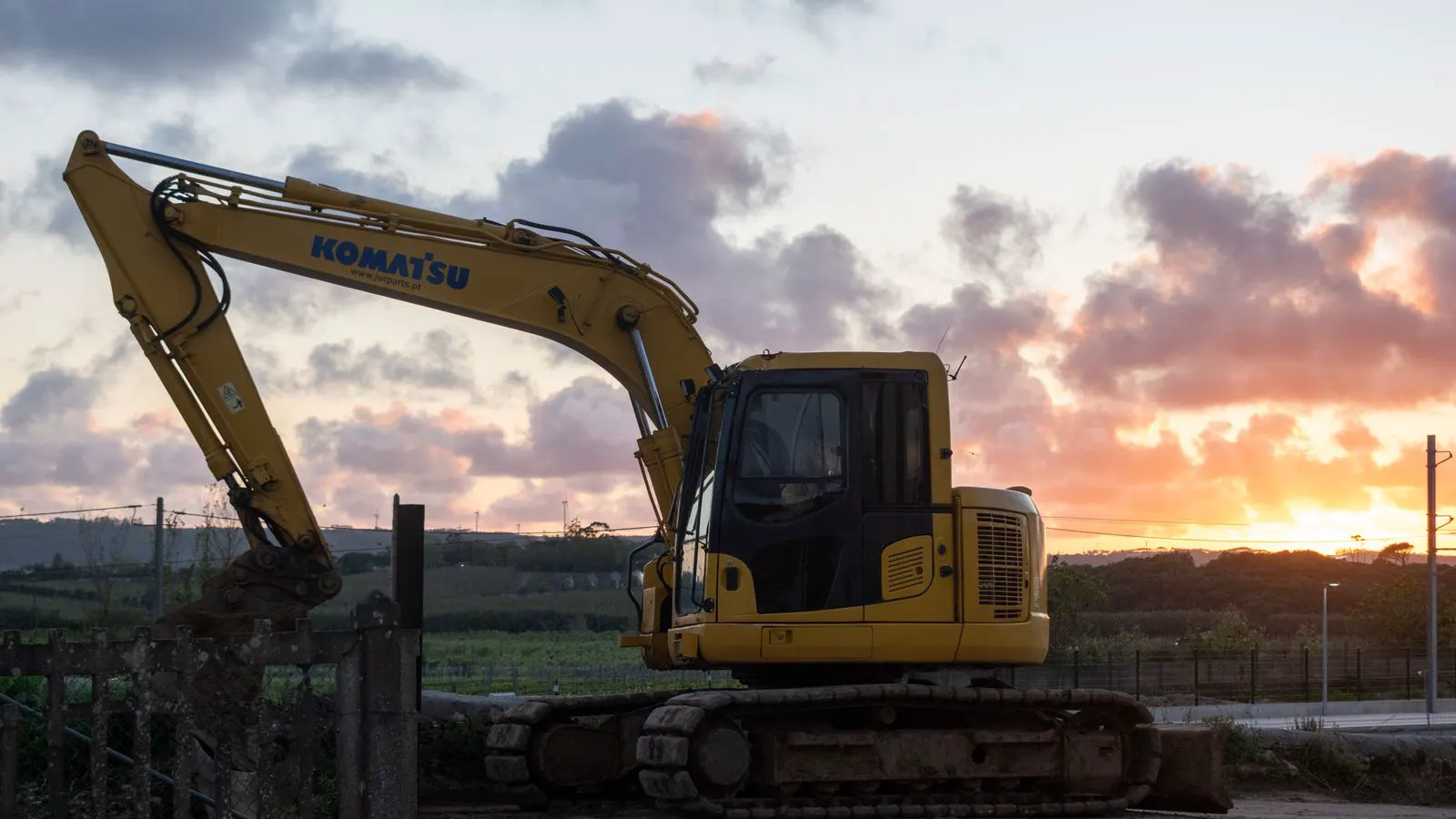
Slow hydraulic response in an excavator boom usually traces back to degraded fluid, clogged filters, or failing pump seals. This guide lists common symptoms, likely causes, and practical fixes to restore smooth movement and protect your supplier relationship.
- Check hydraulic fluid level, condition, and contamination before assuming the pump is failed.
- Replace filters and inspect hoses for abrasion or kinks during routine service visits.
- Document pressure readings and response times to support warranty claims and supplier audits.
- Request a service report from the supplier that identifies root cause, not just symptoms.
- Review spare parts and service SLAs to ensure response time and parts availability meet your site needs.
Why the Boom Moves Slowly
An excavator boom that lags behind the operator input feels frustrating on site. The stick may also feel heavy, or the machine may hesitate during swing-then-lift sequences. This is not normal wear. Slow hydraulic response usually points to a fault in the hydraulic circuit, a degraded component, or a service gap that allowed the problem to develop.
The issue can affect productivity and operator safety. A delayed boom can cause the machine to miss a spot when placing material, increase cycle time, and make the operator overcompensate with abrupt controls. In a supplier context, the same fault may indicate a maintenance failure on the other side of the service relationship.
This guide focuses on the most common causes of sluggish boom movement and the practical steps to resolve them. It also covers how to work with your supplier so the fix is permanent and the paperwork supports future claims.
Common Symptoms of a Hydraulic Fault
Before opening a maintenance log, note what the operator reports. Different symptoms point to different parts of the hydraulic system. A simple symptom check can save a lot of unnecessary part replacement.
| Symptom | Likely cause | What to do |
|---|---|---|
| Boom rises slowly but returns quickly | Restricted flow to the lift circuit, low fluid level, or weak pump | Check fluid level and condition, inspect lift circuit hoses and filters, test pump pressure at idle and load |
| Boom feels heavy in both directions | Air in the system, worn pump, or leaking relief valve | Bleed air, inspect hoses and seals, test pump output and relief valve setting |
| Sluggish movement only after extended operation | Overheating, degraded fluid, or internal pump wear | Check coolant and heat exchanger, test fluid viscosity, inspect pump and motor for internal leakage |
| Intermittent lag during swing or lift | Loose fitting, kinked hose, or failing check valve | Inspect all fittings and hose routing, verify check valve operation, look for external leaks |
| Slow response after cold start, normal when warm | Fluid too thick for ambient temperature, or air trapped in lines | Use the correct fluid grade, allow warm-up time, bleed the system if needed |
Step-by-Step Diagnosis
Start at the basics. Many slow hydraulic response problems are not pump failures. They are fluid issues, filter blockages, or small leaks.
-
Check hydraulic fluid level and condition. Look for a dark, burnt smell, milky appearance, or visible particles. If the fluid is contaminated, drain and replace it. Do not mix fluid types.
-
Inspect filters. Replace the suction and pressure filters if they are overdue. A clogged suction filter can starve the pump of fluid and cause pressure loss.
-
Examine hoses and fittings. Look for abrasion, kinks, cracked seals, or weeping joints. A small external leak can cause a pressure drop that feels like slow movement.
-
Check for air in the system. Air is compressible. It makes the boom feel spongy and slow. Bleed the system according to the manufacturer procedure.
-
Test pump pressure. With the machine on the ground and the boom at a known position, measure pressure at the pump outlet. Compare the reading to the specified range. A low reading usually means internal pump wear or a failing relief valve.
-
Inspect the relief valve and check valves. A sticking relief valve can bleed off pressure before it reaches the boom. A worn check valve can cause backflow and loss of holding pressure.
-
Check for overheating. If the hydraulic fluid temperature rises quickly, the fluid loses viscosity and the pump cannot build full pressure. Inspect the heat exchanger, coolant flow, and radiator.
What to Do When the Cause Is Not Obvious
Sometimes the fault is internal and not visible from the outside. In that case, the supplier should perform a pressure test and a flow test on the affected circuit. Ask for a written report that states the test method, the readings taken, and the parts replaced.
If the supplier says the pump is worn, ask for the specific failure mode. Is it internal leakage, seal wear, or a cracked housing? This detail matters. It tells you whether the failure was sudden or progressive. It also helps you decide whether other machines in your fleet need inspection.
If the problem returns after a repair, document the date, the work performed, and the symptoms that returned. A pattern of recurring faults may indicate a design issue, a poor repair job, or a supply chain problem with replacement parts. In that case, refer to your supplier audit checklist and raise the issue in the next service review.
Prevention Tips
Prevention is cheaper than breakdown. A few habits can stop slow hydraulic response before it affects production.
- Keep fluid levels at the correct mark. Low fluid level is the easiest fault to miss. Check it before each shift.
- Replace filters on a fixed schedule. Do not wait for pressure drop. Filter condition is a leading indicator of pump health.
- Inspect hoses for wear after each major site move. Rubbing against steel edges or sharp corners is a common cause of hose failure.
- Monitor hydraulic fluid temperature. If the machine runs hot in normal conditions, investigate the cooling system before the pump fails.
- Use only approved fluid. Mixing fluids can create sludge and clog filters. Keep a record of the fluid type and change history.
- Train operators to report sluggish movement early. A small delay is easier to fix than a total loss of power.
How Supplier Service Affects the Fix
A good supplier service team does not just replace a part. They diagnose the fault, explain the cause, and document the work. If the supplier only says the pump was changed, ask what test showed the pump was failed. Ask for the pressure and flow readings. Ask for a copy of the service report.
If the supplier cannot provide a root cause, the fix may be temporary. The next slow hydraulic response fault may require another visit and another part. This is where your spare parts and service SLAs matter. Make sure the contract defines response time, parts availability, and the level of technical support you are entitled to.
If the supplier is local, you can inspect the work site or observe the service visit. If the supplier is remote, rely on documentation and video evidence. A clear service report is your protection. It shows what was done, when it was done, and by whom.
When to Escalate
Escalate the issue if the same fault appears on multiple machines. A single machine may have a bad part. Multiple machines may point to a batch problem, a fluid specification error, or a design flaw.
Escalate if the supplier refuses to provide test data. A reputable supplier will share pressure and flow readings. If they will not, ask why. A lack of transparency can be a sign of a deeper problem.
Escalate if the repair time is longer than your SLA. If the machine is out of service, ask for a loan machine or a partial service plan. Document the downtime cost. This information is useful when you review supplier performance or negotiate future terms.
Final Checks Before Returning the Machine
Before you accept the machine back, verify the fix. Run the boom through its full range. Check the stick and bucket as well. Listen for abnormal pump noise. Check for new leaks. Confirm the hydraulic fluid level is correct and the temperature is stable.
Ask the supplier for a summary of the work performed. Keep the service report in the machine file. If the machine is under warranty, note the date and the parts replaced. This record will be important if the fault returns.
A slow hydraulic response is a solvable problem. The key is to diagnose it properly, fix the root cause, and document the work. Do that, and the boom will move smoothly again.
Frequently asked questions
Can slow hydraulic response be caused by low oil level?
Yes. Low oil level can cause air to enter the pump and reduce pressure. Check the level and top it up with the correct fluid before assuming a component failure.
How often should I replace hydraulic filters?
Follow the manufacturer schedule, which is usually based on operating hours or calendar time. Replace them earlier if the fluid is contaminated or the machine operates in dusty conditions.
What is the safest way to test hydraulic pressure?
Use a pressure gauge attached to a test port with the machine on the ground and the boom supported. Follow the manufacturer procedure and wear appropriate protection.
Should I mix hydraulic fluids from different brands?
No. Mixing fluids can create incompatibility and clog filters. Use the fluid specified by the machine manufacturer or an approved equivalent.
What should I ask the supplier after a hydraulic repair?
Ask for the test results, the parts replaced, the root cause, and a written service report. Keep this document for warranty claims and future maintenance planning.