Buyer's Guide: Selecting Overhead Cranes for Warehouse Operations
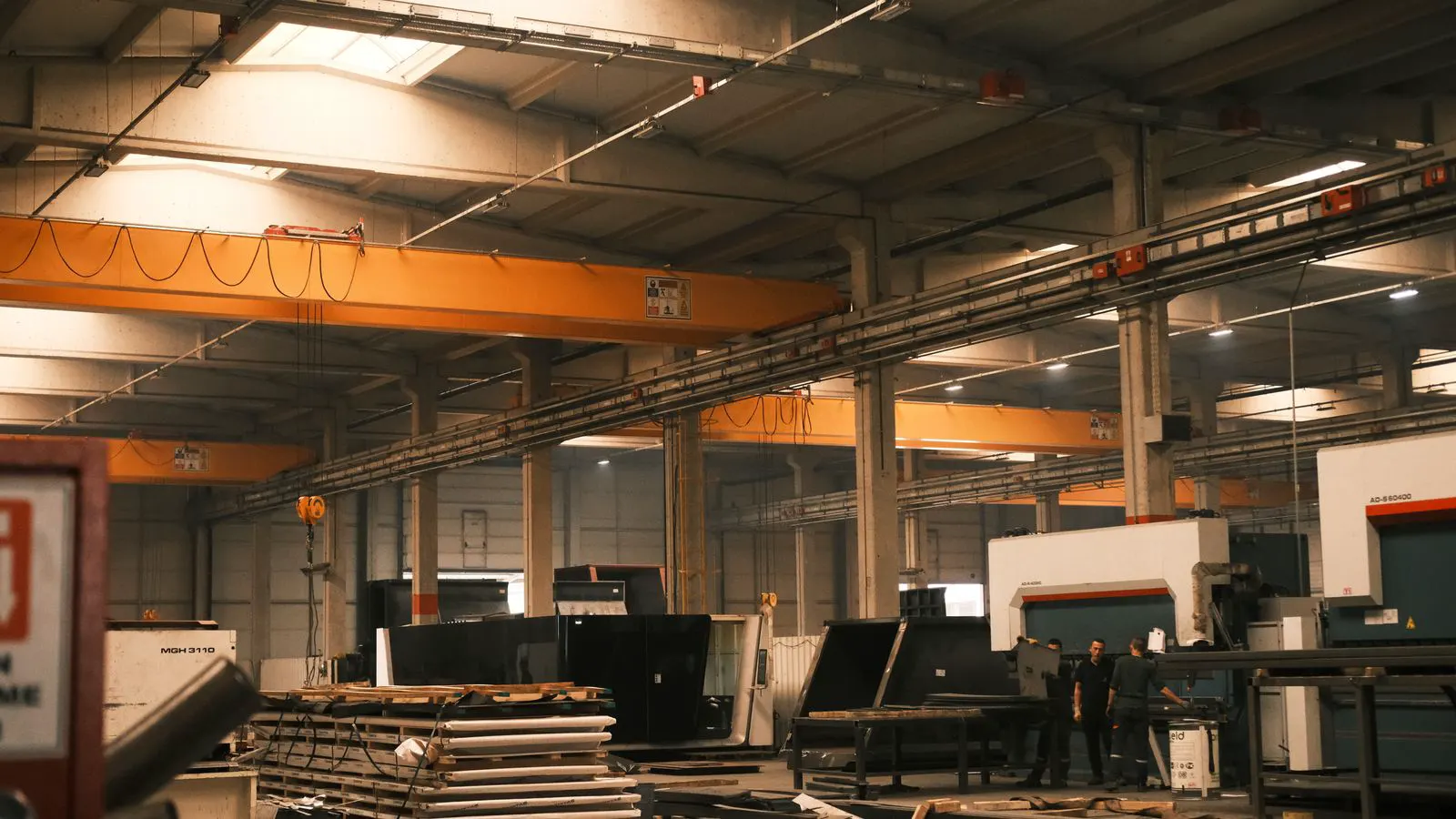
Selecting the right overhead crane means matching load capacity, span, and duty cycle to specific warehouse workflows. Prioritize structural integrity, control systems, and maintenance access. A fit-for-purpose selection prevents operational bottlenecks and extends equipment life.
- Match the crane's rated load capacity to the heaviest expected load, including rigging hardware weight.
- Select the duty cycle based on daily lifting frequency and average load weight per hour.
- Confirm the span and trolley travel limits fit the warehouse floor plan without obstructing aisles.
- Prioritize maintenance access and control methods that reduce operator fatigue and increase safety.
- Verify that the crane structure and end supports are rated for the dynamic forces of lifting operations.
What Determines the Right Overhead Crane for Your Facility
The right choice starts with the heaviest load you will lift, not the most expensive machine. An overhead crane is a precision lifting system. Its value depends on how well it matches the physical constraints of the building and the rhythm of the work.
Start by measuring the warehouse span. This is the distance between the crane end supports. The trolley must travel the full length to serve every storage position. If the crane stops short, operators must reposition loads manually, which creates delays and safety risks.
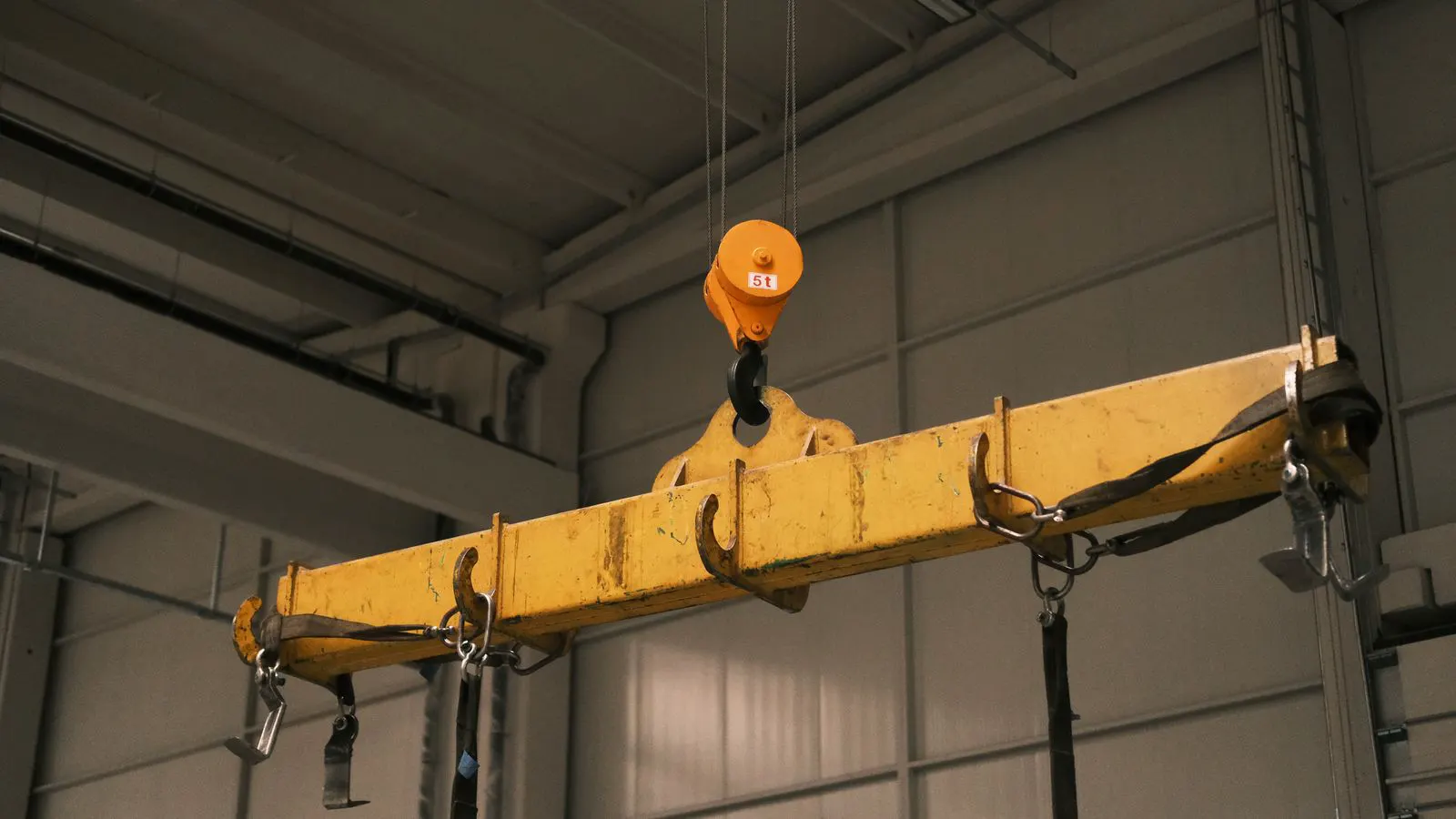
Next, define the load profile. List every item that will be moved. Include pallets, containers, raw materials, and finished goods. Add the weight of the slings, chains, or hooks used for lifting. The crane rating must cover this total, not just the cargo.
Consider the duty cycle. This measures how hard the crane works each hour. A warehouse that lifts light items continuously runs a different profile than a facility that moves heavy steel beams rarely. Choosing a crane with an insufficient duty cycle leads to premature wear on the hoist motor and trolley wheels.
How to Size the Load Capacity and Duty Cycle
Load capacity is the maximum weight the crane can lift safely. It is usually marked on the crane’s nameplate and in the manufacturer’s documentation. For warehouse operations, the rated capacity should exceed the heaviest anticipated load by a reasonable margin.
The duty cycle is often expressed as a letter, such as A1 or F5, depending on the standard used. Higher letters indicate heavier usage. A light-duty crane may be sufficient for a spare parts room. A heavy industrial facility handling castings or machine parts requires a higher rating.
When sizing, account for the dynamic forces involved. Lifting a load does not create a static weight on the structure. The forces change as the load accelerates, decelerates, and swings. The crane structure and the building supports must handle these dynamic loads.
A common mistake is selecting a crane based only on the maximum load. This ignores the frequency of lifting. If the crane lifts 50% of its rated capacity for several hours every day, it needs a higher duty cycle than a crane that lifts 100% of its capacity once a week.
Span, Travel, and Structural Requirements
The span is the distance the trolley travels. It determines the coverage area of the crane. Measure the distance between the centerlines of the end supports. The crane beam must be long enough to allow the trolley to reach the required positions.
Check the building structure. Overhead cranes impose significant loads on the crane rails and the building roof trusses or beams. The supports must be rated for the crane’s weight and the dynamic loads of lifting. Retrofitting a crane into an existing building may require reinforcing the structure.
Consider the height of the crane installation. The crane beam sits below the roof structure. The clearance between the bottom of the crane and the floor affects the height of the hoist. If the crane is too low, it may interfere with forklifts or tall racking. If it is too high, the hook travel distance increases, which can slow down lifting operations.
Ensure the crane rails are properly anchored. Loose or poorly anchored rails cause the trolley to jump and vibrate. This damages the crane components and creates a safety hazard. Regular inspections of the rail anchors and fasteners are necessary to maintain performance.
Control Systems and Operator Interface
The control method affects productivity and safety. Many warehouses use a pendant control for the trolley and hoist. This allows the operator to move the load and control the hoist from a single location.
Some facilities use a fixed control station. This is common in high-volume operations where the crane is operated continuously. A fixed station allows for more precise control and may reduce fatigue for the operator.
Consider the type of hoist. Wire rope hoists are standard for most applications. They offer many travel and are suitable for heavy loads. Chain hoists are simpler and more robust but have a shorter travel distance.
The control system should be intuitive. Buttons and levers should be clearly labeled. Emergency stop functions must be easily accessible. The interface should allow for smooth and precise movements to prevent load swings.
Maintenance, Access, and Long-Term Cost
The long-term cost of an overhead crane is driven by maintenance. A well-maintained crane lasts for decades. A poorly maintained one may fail prematurely and require expensive repairs.
Plan for routine maintenance. This includes inspecting the wire rope, lubricating the hoist, checking the electrical connections, and examining the trolley wheels. Create a maintenance schedule based on the manufacturer’s recommendations and the duty cycle.
Access for maintenance is critical. The crane must be accessible for inspection and repair. Ladders, platforms, or a dedicated maintenance crane may be needed. If access is difficult, maintenance tasks take longer and increase the risk of errors.
Consider the availability of parts. Standard components are easier to source and replace. Custom or proprietary parts may be expensive and take longer to obtain. Choose a crane model with readily available parts to minimize downtime.
Key Selection Criteria
| Criterion | What to look for | Why it matters |
|---|---|---|
| Rated Load Capacity | Must exceed the heaviest expected load plus rigging weight | Ensures the crane can handle the maximum load safely without stress |
| Duty Cycle | Matched to daily lifting frequency and average load weight | Prevents premature wear on the hoist motor and structural components |
| Span and Travel | Trolley covers all required floor positions | Eliminates manual repositioning and ensures full coverage |
| Structural Rating | Building supports rated for dynamic loads | Maintains structural integrity and prevents safety hazards |
| Control Method | Pendant, fixed station, or remote control | Optimizes operator efficiency and reduces fatigue |
| Maintenance Access | Clear access to hoist, electrical, and mechanical parts | Reduces repair time and improves safety during maintenance |
A Decision Checklist for Final Selection
- Confirm the heaviest load to be lifted, including the weight of slings and hooks.
- Calculate the required duty cycle based on daily lifting frequency and load weight.
- Measure the warehouse span and verify that the crane trolley travel covers all work areas.
- Check the building structure to ensure it can support the crane’s static and dynamic loads.
- Select a control method that fits the workflow and operator preferences.
- Verify that maintenance access is adequate for routine inspections and repairs.
- Review the manufacturer’s documentation for part availability and warranty terms.
- Confirm that the crane complies with local safety regulations and standards.
Final Thoughts
Selecting an overhead crane is a strategic decision. It requires a clear understanding of the lifting requirements and the physical constraints of the warehouse. By carefully evaluating the load capacity, duty cycle, span, and structural requirements, you can choose a crane that meets your operational needs.
The goal is a crane that works reliably, efficiently, and safely. A well-matched overhead crane becomes a vital part of the warehouse infrastructure, enabling smooth material handling and supporting long-term productivity.
Frequently asked questions
How much clearance is needed between the crane and the floor?
The clearance depends on the height of the loads and the equipment used in the warehouse. Ensure there is enough room for forklifts, racking, and other materials to move freely beneath the crane.
Can an overhead crane be installed in an existing warehouse?
Yes, but the building structure must be evaluated to ensure it can support the additional loads. Reinforcement may be required to meet the structural demands of the crane.
What is the difference between a wire rope hoist and a chain hoist?
Wire rope hoists offer longer travel distances and are suitable for heavier loads. Chain hoists are simpler, more robust, and have a shorter travel distance.
How often should an overhead crane be inspected?
Inspections should be performed daily before use and on a regular schedule as recommended by the manufacturer. This includes checking the wire rope, electrical connections, and structural components.
What happens if the crane is used beyond its rated capacity?
Using a crane beyond its rated capacity can lead to structural failure, equipment damage, and serious safety hazards. Always adhere to the crane's load limits.