Explainer: Overhead Crane Duty Cycles and Wire Rope Life
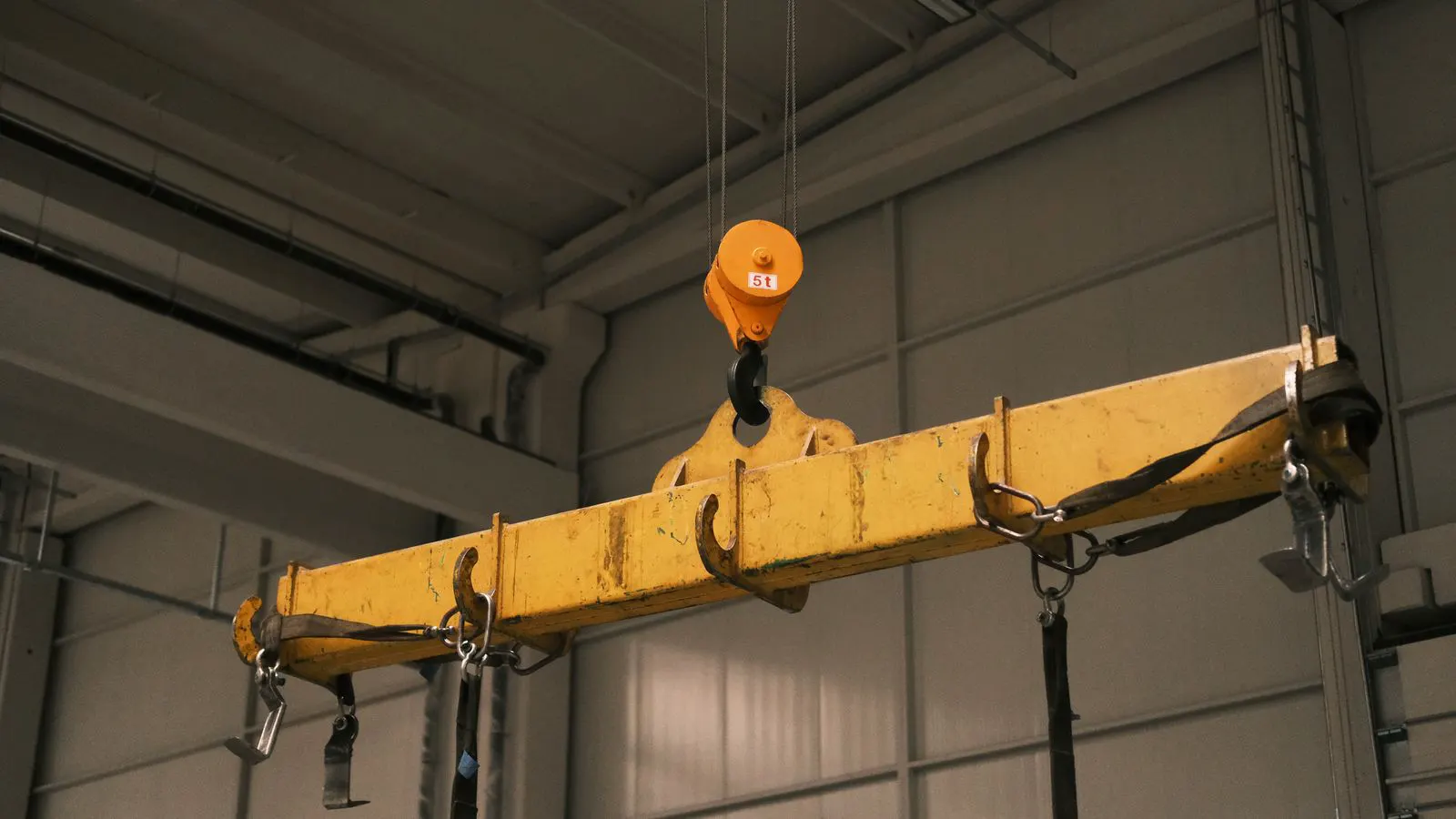
An overhead crane wire rope life depends on the total tonnage lifted, the number of hoist cycles per shift, and the tension on the rope. High frequency and heavy loads shorten rope lifespan, so buyers must match the crane class to the plant's actual daily workload.
- Duty cycle is not just the number of starts and stops, but the total load mass moved in a defined period.
- Wire rope life decreases as the product of load weight and cycle count increases.
- Selecting a crane with a higher duty rating than required can extend rope replacement intervals.
- Inspecting rope at regular intervals helps identify wear before a strand breaks.
- Matching the hoist motor and gearbox to the actual load profile prevents premature component failure.
What defines an overhead crane duty cycle
A duty cycle describes how hard a crane works over a set period of time. For an overhead crane, that period is usually one shift or one week. The cycle is not defined by the number of times the operator presses a button. It is defined by the total mass of steel, concrete, or machinery that moves through the hoist mechanism.
The standard classification uses a combination of the maximum load and the total tonnage moved. A crane lifting a light pallet ten times a day has a low cycle count. A crane lifting a full ton of steel plate twice a day has a higher load. The second crane may have fewer cycles, but the energy and stress on the rope are different.
The load is divided into classes. A crane running at a light class moves small weights many times. A crane running at a heavy class moves large weights fewer times. The rope experiences different friction points and bending stresses in each case.
This classification matters when a buyer sources a new hoist assembly. Two cranes with the same maximum load rating can have different expected rope lives if one is designed for a heavier duty cycle. The lighter duty machine will have a rope that lasts longer, but it may not handle the sudden shock loads of a heavy plant floor.
How load weight changes wire rope stress
Wire rope is a bundle of strands wrapped around a core. Each strand is made of individual wires twisted together. The rope carries load through tension. The tension is higher when the load is heavier.
The rope also bends around the hoist drum and the sheaves on the trolley. Every bend creates a small bend in the wire. The wire on the outside of the bend stretches slightly. The wire on the inside of the bend compresses. This flexing causes fatigue.
A light load creates low tension. The rope does not stretch much when it lifts. The wires do not fatigue quickly. A heavy load creates high tension. The rope stretches more. The wires fatigue faster.
The weight of the load also affects the rope’s ability to resist shock. If a heavy load swings and hits a stop, the rope experiences a sudden spike in tension. This shock can loosen the strands. It can also kink the wire at the hook.
Buyers must consider the actual load, not just the nameplate rating. A crane rated for a heavy load may be used for light loads most of the time. In that case, the rope will last longer than expected. If the same crane is pushed to its limit every hour, the rope will fail sooner.
How cycle frequency impacts rope wear
Frequency is the number of times the rope moves a load up and down. A cycle is one complete movement from the lowest point to the highest point. The rope bends around the drum and the sheaves every time it moves.
The rope also wears at the hook eye. The wire strands rub against the hook block. Friction generates heat and removes metal. The hook eye is a small area, but it takes a lot of abuse.
A high frequency cycle means more bends and more friction. The rope wears faster. The core of the rope may become exposed as the outer strands wear away. Once the core is exposed, the rope loses its ability to bend smoothly.
The trolley and the hoist run at different speeds. A fast hoist causes the rope to wrap and unwrap around the drum quickly. This creates more flexing per hour. A slow hoist creates less flexing.
The total number of cycles over a year is a key factor in rope life. A plant that runs three shifts a day will have a much higher cycle count than a plant that runs one shift. The rope in the three shift plant will need replacement sooner.
How duty class determines replacement intervals
Manufacturers assign a duty class to the crane. The class is based on the expected daily tonnage and the maximum load. A light duty crane is for occasional lifting. A medium duty crane is for regular lifting. A heavy duty crane is for continuous lifting.
The duty class affects the wire rope life. A light duty crane may have a rope that lasts several years. A heavy duty crane may have a rope that needs replacement after a few months of continuous use. The difference is in the stress on the wire.
The replacement interval is not a fixed number of days. It depends on the actual usage. A heavy duty crane in a busy plant may need a rope change every few months. A light duty crane in a quiet plant may not need a change for many years.
Buyers should ask for the expected rope life based on the specific duty class. They should also ask for the inspection schedule. The manufacturer will provide a standard, but the actual schedule may need to be adjusted for the plant’s conditions.
The rope life is also affected by the environment. Dust and dirt can accelerate wear. Humidity can cause rust. The rope must be cleaned and lubricated to maintain its life.
A worked example of rope life calculation
Imagine a plant that uses an overhead crane to lift steel beams. The crane is rated for a medium duty cycle. The beams weigh a moderate amount. The crane moves the beams up and down twenty times a day.
The rope bends around the drum and the sheaves twenty times a day. The tension is moderate. The hook eye wears slowly. The rope is inspected once a week.
If the plant adds a second shift, the cycle count doubles. The rope now bends forty times a day. The tension is the same, but the number of bends is higher. The rope fatigue rate increases. The rope will need replacement sooner.
If the plant starts lifting heavier beams, the tension increases. The rope bends the same number of times, but each bend carries more weight. The fatigue rate increases. The rope will need replacement sooner.
The buyer must decide whether to replace the rope more often or to upgrade the crane. Replacing the rope is cheaper in the short term. Upgrading the crane may be cheaper in the long term if the duty cycle is high.
The calculation is simple. Multiply the load by the number of cycles. A higher number means a shorter rope life. A lower number means a longer rope life. The buyer must match the crane to the expected usage.
How sourcing decisions change based on usage
The sourcing decision for an overhead crane is not just about the maximum load. It is about the duty cycle. A buyer who knows the expected usage can choose the right crane.
A buyer who underestimates the duty cycle will buy a crane that is too light. The rope will wear quickly. The hoist motor may overheat. The gearbox may wear out. The maintenance costs will rise.
A buyer who overestimates the duty cycle will buy a crane that is too heavy. The crane will cost more to buy and to operate. The energy use will be higher. The maintenance may be less frequent, but the initial cost is higher.
The right choice is a crane that matches the actual usage. The buyer should look at the load weight, the cycle count, and the environment. The buyer should also consider the maintenance plan.
The rope life is a direct indicator of the duty cycle. If the rope fails too soon, the duty cycle is higher than expected. If the rope lasts too long, the duty cycle is lower than expected. The buyer can use the rope life to adjust the maintenance plan.
Common mistakes in assessing rope life
Many buyers make mistakes when assessing rope life. They look only at the maximum load. They ignore the number of cycles. They assume that a new rope will last the same amount of time as the old one.
A common mistake is to ignore the environment. Dust and dirt can accelerate wear. Humidity can cause rust. The buyer must consider the environment when selecting the rope.
Another mistake is to ignore the inspection schedule. The rope must be inspected regularly. The inspector must check for broken wires, kinks, and rust. The rope must be lubricated to reduce friction.
A buyer who ignores these factors will face unexpected maintenance costs. The rope will fail sooner than expected. The crane may be out of service for longer than planned.
The key is to match the crane to the usage. The buyer must know the load, the cycle count, and the environment. The buyer must also know the inspection schedule. The rope life is a direct result of these factors.
Frequently asked questions
What is the main factor that determines wire rope life in an overhead crane?
The main factor is the total tonnage moved, which is the product of the load weight and the number of cycles. A higher total tonnage shortens the rope life.
How does the duty class affect the replacement interval?
A higher duty class means a shorter replacement interval. The rope experiences more stress and fatigue, so it needs to be replaced more often.
Can a light duty crane be used for heavy loads occasionally?
It can be used, but the rope and components will experience shock loads. The rope may wear quickly or fail if the load is too heavy for the crane class.
How often should a wire rope be inspected?
The inspection frequency depends on the duty cycle and the manufacturer's recommendations. A general rule is to inspect the rope at regular intervals, such as weekly or monthly, depending on usage.
What happens if the rope is not lubricated?
The rope will wear faster due to friction. The strands will rub against each other and against the sheaves. This increases the rate of metal loss and fatigue.