Mini Excavator vs Compact Loader: Site Selection
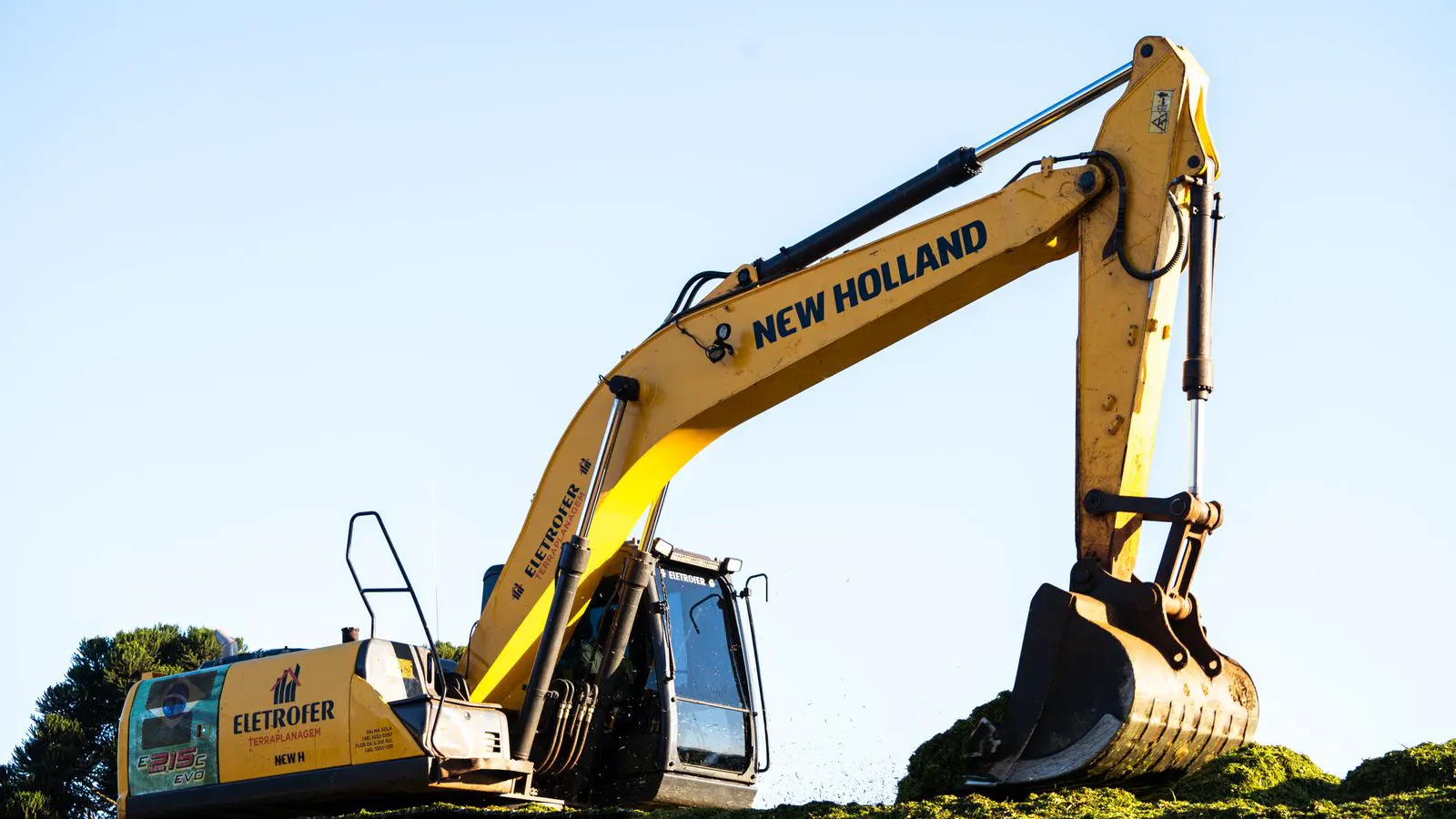
Choose a mini excavator for deep digging and narrow access. Pick a compact loader for material handling and pushing. Site constraints, payload weight, and task mix determine the best excavator selection.
- Match the machine to the primary task: digging favors an excavator, material handling favors a loader.
- Check site access. Low clearances and confined spaces limit compact loaders.
- Review payload and lift charts before buying. Do not assume a smaller machine is lighter.
- Test the machine on the actual job site if possible.
What task drives the choice
A mini excavator digs. A compact loader moves. That distinction shapes almost every decision. If the job needs to break ground, cut trenches, or reach below grade, the excavator is the working tool. If the job needs to push soil, load aggregate into a truck, or move pallets, the loader handles the load.
Site work rarely follows a single pattern. Many projects use both. Some crews buy one and rent the other. The right choice depends on how much digging versus moving dominates the day. Consider a typical residential foundation pour. The crew needs to dig footings, backfill with gravel, and move topsoil. The excavator cuts the footing holes and handles the spoil piles. The loader pushes the backfill into the trenches and loads the topsoil for spreading. If the crew only has the excavator, they will spend hours hand-shoveling backfill. If they only have the loader, they cannot cut the footing holes deep enough to meet structural requirements.
The task definition also changes with the material. Digging soft clay requires a different approach than cutting through hardpan or compacted fill. A loader bucket can push soft clay, but it cannot cut a clean vertical wall for a trench. An excavator bucket can cut that wall, but it moves the material slowly. The machine must match the material resistance. When the ground is loose, a loader can handle more of the work. When the ground is tight, the excavator takes over.
Operators often make the mistake of assuming a compact loader can replace an excavator for all site preparation. This is rarely true. The loader is built for material handling. The excavator is built for earth moving. The physical design of the boom, arm, and bucket geometry creates a distinct difference in function. The loader bucket is shaped to scoop and carry. The excavator bucket is shaped to cut and lift.
How to match the machine to the site
Start with the ground. Gravel, clay, rock, or soft fill changes what the machine can do. A compact loader on soft ground needs tracked options or proper tire pressure. An excavator needs undercarriage clearance and ground support to avoid bogging.
Access is the second filter. Can the machine get onto the pad? Can it turn? Does it fit through gates or past overhead lines? Mini excavators often swing wider than they look. Compact loaders have a larger turning radius than most buyers expect.
The ground condition dictates the machine configuration. On a construction site with loose gravel, a wheeled compact loader can operate efficiently. The tires provide traction on the loose material, and the machine can move quickly between work areas. However, if the site has wet clay or soft fill, the wheels may sink. Tracked options offer better flotation. The tracks distribute the weight over a larger area, preventing the machine from bogging down. For the excavator, the undercarriage is critical. The tracks need to be the right width for the soil density. If the ground is rocky, the tracks need to be wider to bridge the rocks and maintain stability. If the ground is soft, the tracks need to be narrower to reduce the weight per square inch.
Access constraints are often underestimated. Buyers frequently measure the machine length and width but ignore the swing radius. A mini excavator may fit through a narrow gate, but the boom may hit a fence or wall when fully extended. The operator needs room to swing the bucket without striking obstacles. A compact loader has a larger turning radius than most buyers expect. It may fit on the pad, but it may not be able to turn around in a tight yard. The loader needs space to reverse and turn. If the site is a narrow residential street, the loader may get stuck. The excavator has a smaller footprint in some configurations, but the boom still requires clearance.
The site layout also affects the machine choice. If the work area is far from the parking area, the machine needs to travel a long distance. A compact loader is faster on paved surfaces. A mini excavator is slower but can navigate rough terrain. If the material is staged in one location and the work is in another, the loader is the better choice for moving it. If the work is scattered across the site, the excavator may be more efficient for digging in each spot.
Mini excavator vs compact loader comparison
| Option | Best for | Limitations |
|---|---|---|
| Mini excavator | Trenches, rock breaking, confined digging | Slower at bulk loading and pushing |
| Compact loader | Hauling, grading, pushing, material staging | Limited reach and digging depth |
| Tracked mini excavator | Soft ground, heavy digging | Harder to move on paved work |
| Rubber tracked compact loader | Mixed ground, tighter work | Higher maintenance than steel tracks |
| Standard compact wheel loader | Open sites, frequent trucking | Poor fit for tight or uneven ground |
The table shows the core trade-offs. A mini excavator wins when the work is below grade. A compact loader wins when the work is above grade and involves moving material.
The tracked mini excavator is a specific option for difficult ground. The tracks provide the stability needed for heavy digging. However, they are harder to move on paved work. The machine may require a trailer to transport it to and from the site. This adds cost and time. The rubber tracked compact loader is a hybrid option. It offers the stability of tracks but the agility of wheels in some conditions. It is well suited for mixed ground, where the site has both soft and firm areas. However, it requires more maintenance than a standard steel track. The rubber tracks wear faster and may need replacement more often.
The standard compact wheel loader is the most common option for open sites. It is fast and efficient for frequent trucking. The wheels provide good speed on hard surfaces. However, it is a poor fit for tight or uneven ground. The wheels can sink in soft soil, and the turning radius is too large for confined spaces. This machine is best used when the site is open and the ground is stable.
When to pick the mini excavator
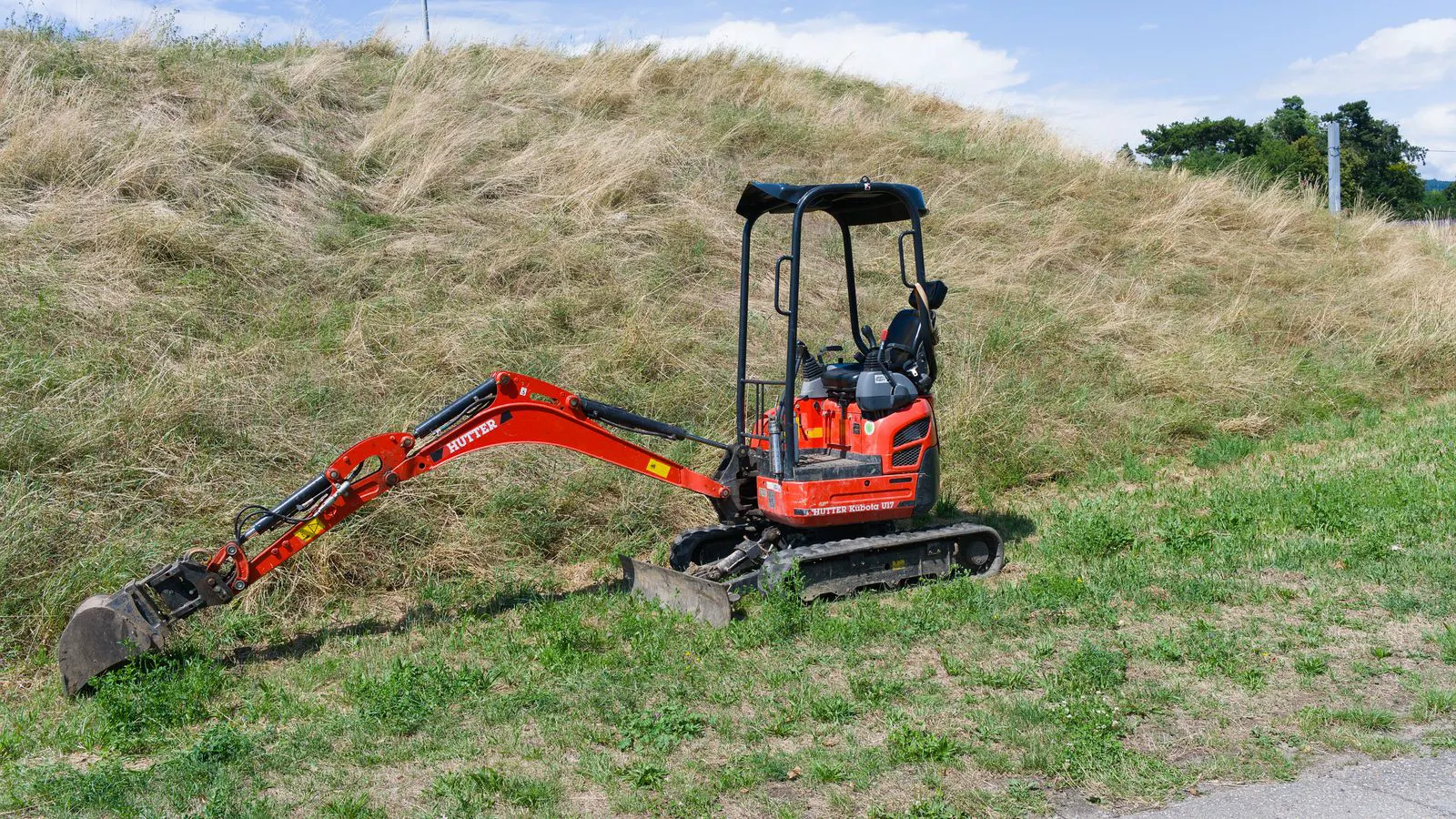
Pick the mini excavator when digging is the main job. Trenching for conduit, staking foundations, or cutting into rock all favor the excavator. The boom and arm give reach that a loader bucket cannot match.
Pay attention to digging depth. A small excavator may reach less than the loader can push. Check the spec sheet for depth at full extension. If the trench is deeper than the machine can dig, the loader will only move spoil, not cut the hole.
Also consider attachment flexibility. A mini excavator can take a breaker, auger, or multipurpose tool. A compact loader can take a front bucket or a rear attachment, but the rear work is limited by counterbalance and stability.
The mini excavator is the primary tool for underground work. It can dig trenches for electrical conduit, water lines, and drainage systems. The bucket geometry allows for precise cuts. The operator can control the depth and width of the trench with high accuracy. This is critical for utility work, where hitting a live line or pipe can be dangerous and costly.
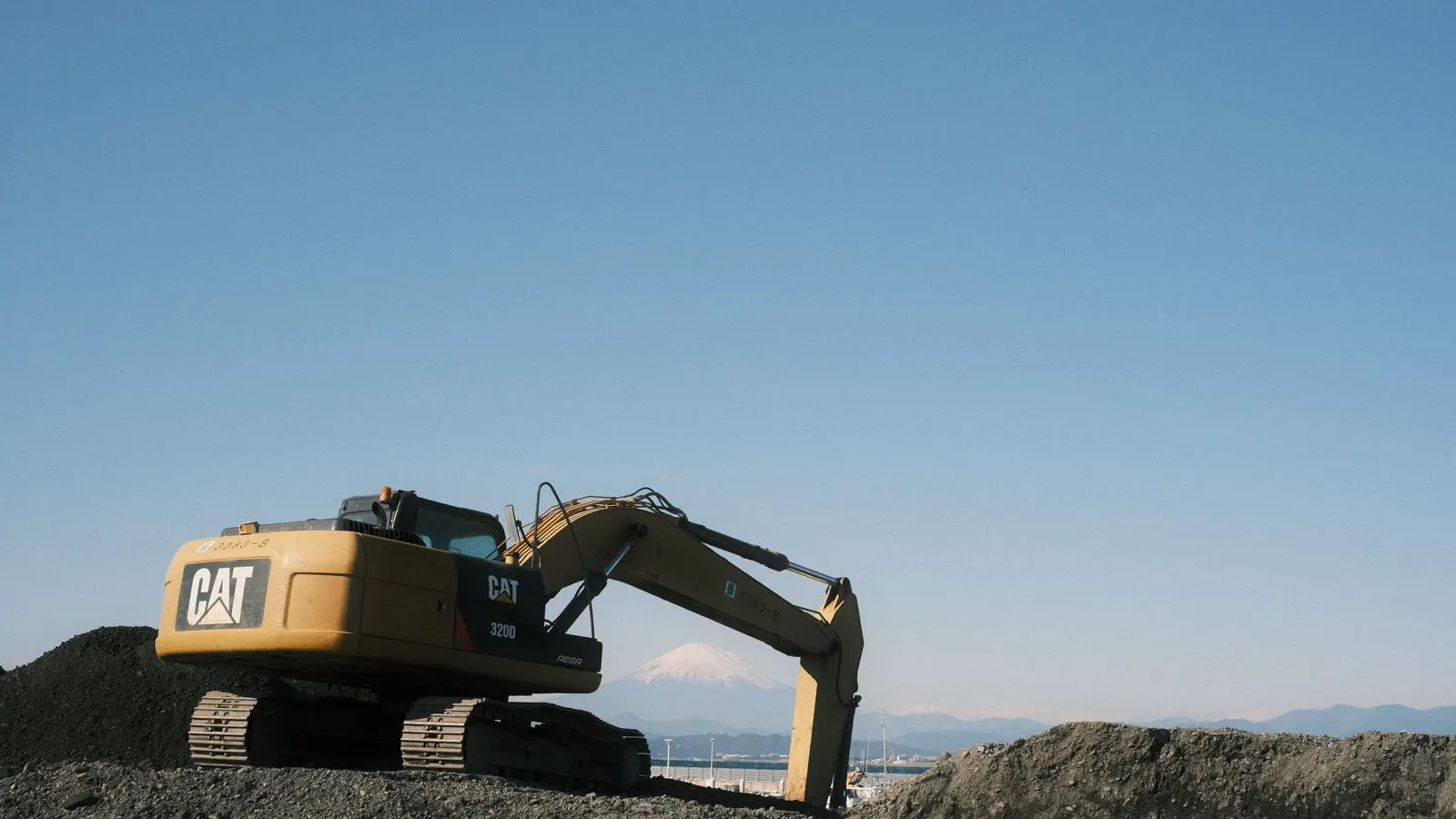
The excavator is also the tool for rock breaking. When the ground contains hardpan or rock, a loader bucket will simply bounce off. An excavator with a hydraulic breaker attachment can fracture the rock. The breaker hammers the rock with high force, breaking it into smaller pieces that can be removed. This work is far beyond the capability of a loader.
Digging depth is a common point of confusion. Buyers often look at the maximum digging depth in the spec sheet. However, the depth is often listed at full extension. This means the machine is leaning back and the boom is fully extended. In practice, the operator may not be able to dig at full extension due to stability limits. The effective digging depth is often less than the maximum. If the trench is deeper than the machine can dig, the loader will only move spoil, not cut the hole. The crew will need to hire a larger excavator or use a different method.
Attachment flexibility is a major advantage for the mini excavator. The machine can take a breaker for demolition, an auger for drilling, or a multipurpose tool for trenching. This makes the excavator a versatile tool for site preparation. A compact loader can take a front bucket or a rear attachment, but the rear work is limited by counterbalance and stability. The rear attachment adds weight to the back of the machine, which can tip it over if the front is not loaded. This limits the types of work the loader can do with rear attachments.
When to pick the compact loader
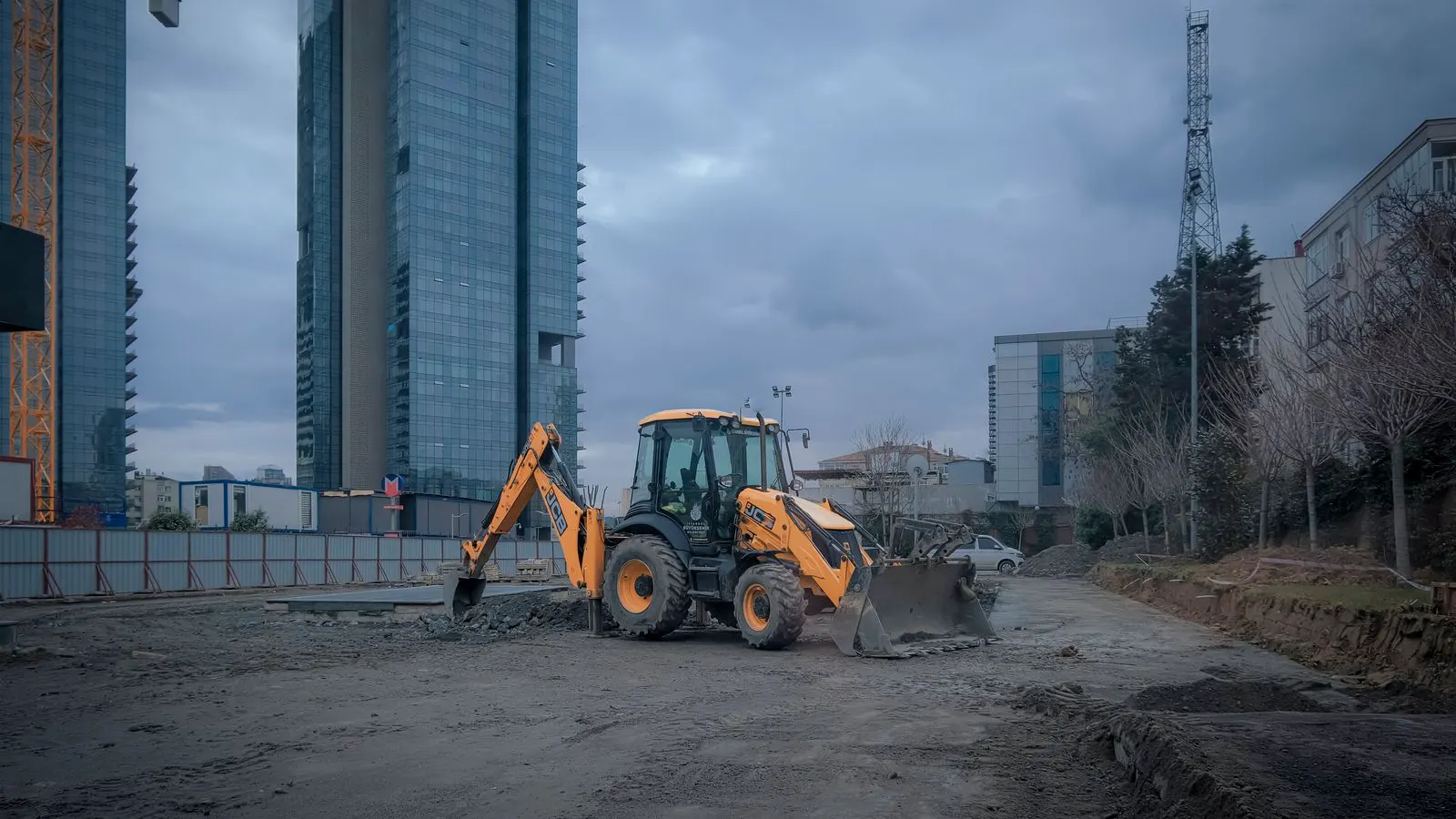
Pick the compact loader when the site needs material movement. Staging aggregate, pushing topsoil, loading a truck, or spreading fill all suit the loader. The bucket is the workhorse here.
Lifting capacity matters. A compact loader may look small but can lift a surprising amount. Check the rated capacity at the radius where the truck or trailer sits. If the payload exceeds the chart, the machine will struggle or become unsafe.
Also review the rear option. Some jobs need a rear attachment for grading or pushing. If the work includes both front loading and rear pushing, a compact loader with rear work capability can cover more ground than a single excavator.
The compact loader is the primary tool for above-grade work. It stages aggregate in one location and pushes it to the work area. It loads trucks with material and moves pallets. The bucket is designed for scooping and carrying. It is not designed for cutting. The loader is fast and efficient for moving material in bulk.
Lifting capacity is a critical factor. A compact loader may look small, but it can lift a surprising amount. However, the capacity decreases as the radius increases. If the truck is parked far from the loader, the capacity is lower than if the truck is right next to the machine. Buyers often check the rated capacity at the base of the machine. This is misleading. The capacity must be checked at the radius where the truck or trailer sits. If the payload exceeds the chart, the machine will struggle or become unsafe. The loader may tip over if the payload is too heavy. This is a serious safety hazard.
The rear option is another advantage for the compact loader. Some jobs need a rear attachment for grading or pushing. If the work includes both front loading and rear pushing, a compact loader with rear work capability can cover more ground than a single excavator. The rear blade can push fill or grade the site. This allows the loader to handle multiple tasks without needing a separate machine. However, the rear work is limited by counterbalance and stability. The operator must be careful not to overload the rear.
How excavator selection changes with attachments
Attachments shift the balance. A mini excavator with a breaker can do demolition work that a loader cannot handle. A compact loader with a front attachment can move more material per pass.
The buyer should list the top three attachments needed for the site. If the list includes a breaker and an auger, the excavator is more likely to fit. If the list includes a front bucket and a rear blade, the loader is more likely to fit.
Do not buy for the attachment first. Buy for the machine that handles the base task well. Attachments add weight and change the machine center of gravity. The base machine must be stable for the added load.
The attachment list determines the machine choice. If the site requires a breaker for demolition, the excavator is the only option. A loader cannot break rock with a bucket. If the site requires an auger for drilling, the excavator is the better choice. The auger attaches to the excavator arm and provides the torque needed for drilling. If the site requires a front bucket and a rear blade, the compact loader is the better choice. The loader can handle both tasks with the appropriate attachments.
Do not buy for the attachment first. The base machine must be capable of the primary task. If the base machine is too light or too small, the attachment will make the problem worse. Attachments add weight and change the machine center of gravity. A heavy breaker on a small excavator can tip the machine over if the operator is not careful. The base machine must be stable for the added load.
The attachment also affects the machine’s range and reach. A breaker reduces the reach of the excavator. The arm is shorter and the boom is less flexible. This may limit the excavator’s ability to dig in some areas. The buyer must consider the attachment’s impact on the machine’s overall performance.
Common mistakes in site selection
The first mistake is buying for the smallest machine that fits through the gate. That can lead to a machine that is too light for the real work. A small excavator may dig a trench but cannot handle rock or heavy spoil. A small loader may load a truck but cannot push a large pile of fill.
The second mistake is ignoring site access. Buyers often measure the machine length but forget the swing radius. The excavator boom may fit through the gate, but the full swing may hit a wall. The loader may fit on the pad but not turn in a tight yard.
The third mistake is comparing only price. A cheaper machine can cost more in fuel, wear, and downtime. A compact loader on soft ground may wear tires faster. A mini excavator on a paved area without proper tires may wear the undercarriage quickly.
The first mistake is underestimating the machine’s capability. Buyers often choose the smallest machine that fits through the gate. This is a common error. The machine may fit, but it may be too light for the real work. A small excavator may dig a trench, but it cannot handle rock or heavy spoil. The operator will struggle to dig, and the machine will wear out quickly. A small loader may load a truck, but it cannot push a large pile of fill. The operator will have to make many trips, and the machine will wear out quickly.
The second mistake is ignoring site access. Buyers often measure the machine length and width but forget the swing radius. The excavator boom may fit through the gate, but the full swing may hit a wall. The loader may fit on the pad, but it may not be able to turn in a tight yard. The operator will have to maneuver carefully, which increases the risk of damage and reduces productivity.
The third mistake is comparing only price. A cheaper machine can cost more in fuel, wear, and downtime. A compact loader on soft ground may wear tires faster. The tires may need replacement more often, which increases the cost. A mini excavator on a paved area without proper tires may wear the undercarriage quickly. The tracks may need replacement, which is a major expense. The total cost of ownership is higher than the purchase price.
How to test before you buy
If the site allows it, run the machine on the actual ground. Load the bucket. Dig a test trench. Push a pile of material. Watch the hydraulics, the engine load, and the operator comfort.
Bring the operator from the site. Different operators respond to different controls and machine sizes. A small excavator with a different control layout can feel awkward. A compact loader with a high cab may block the operator view.
Check the service interval. Some machines need more frequent filter changes. Some need more frequent track inspection. The service plan should match the site conditions. If the site is dusty, the filters will work harder. If the site is wet, the undercarriage and hydraulic seals will need more attention.
The test run is the most important part of the buying process. If the site allows it, run the machine on the actual ground. Load the bucket with material and move it to a different location. Dig a test trench in the same type of soil that will be used in the project. Push a pile of material to see how the machine handles the load. Watch the hydraulics to see if they are responsive and smooth. Check the engine load to see if it is struggling. Assess the operator comfort to see if the controls are easy to use.
Bring the operator from the site. Different operators respond to different controls and machine sizes. A small excavator with a different control layout can feel awkward. The operator may need time to adjust to the new controls. A compact loader with a high cab may block the operator view. The operator may have difficulty seeing the bucket and the ground. This can lead to mistakes and damage.
Check the service interval. Some machines need more frequent filter changes. The air filter, fuel filter, and hydraulic filter all need attention. The frequency depends on the site conditions. If the site is dusty, the filters will work harder and need to be changed more often. If the site is wet, the undercarriage and hydraulic seals will need more attention. The service plan should match the site conditions. A machine that is well-maintained will last longer and perform better.
Final decision points
Use this short list to close the decision.
- What is the main task: digging or moving?
- Can the machine reach the work area and return?
- Does the payload fit the loader capacity chart?
- Does the digging depth fit the excavator spec?
- Can the attachments fit without changing the machine setup?
If the answers point to digging, choose the mini excavator. If the answers point to moving, choose the compact loader. If the site needs both, the crew may need two machines or a rental arrangement.
The best choice is not always the biggest or the cheapest. It is the machine that fits the site, the task, and the operator. Excavator selection is about matching the tool to the work, not about filling a gap with the nearest machine in the yard.
Frequently asked questions
Can a compact loader dig a trench?
It can move spoil, but it is not built for deep or precise trenching. The excavator is better for cutting below grade.
Which machine is better for soft ground?
A tracked mini excavator is often better because the tracks spread the load. A compact loader with wide tires or tracks can work, but check the ground first.
Do I need a rear attachment on the compact loader?
Only if the job needs rear pushing or grading. A front bucket alone may be enough for staging and loading.
How do I know if the excavator is too small?
Check the digging depth, payload, and attachment weight. If the machine struggles on the first day, it is likely undersized.
Can I rent one machine and buy the other?
Yes. Many crews buy the primary machine and rent the secondary one for short tasks. This keeps the budget aligned with the actual workload.