Crawler vs Wheel Loader: Site Access and Stability
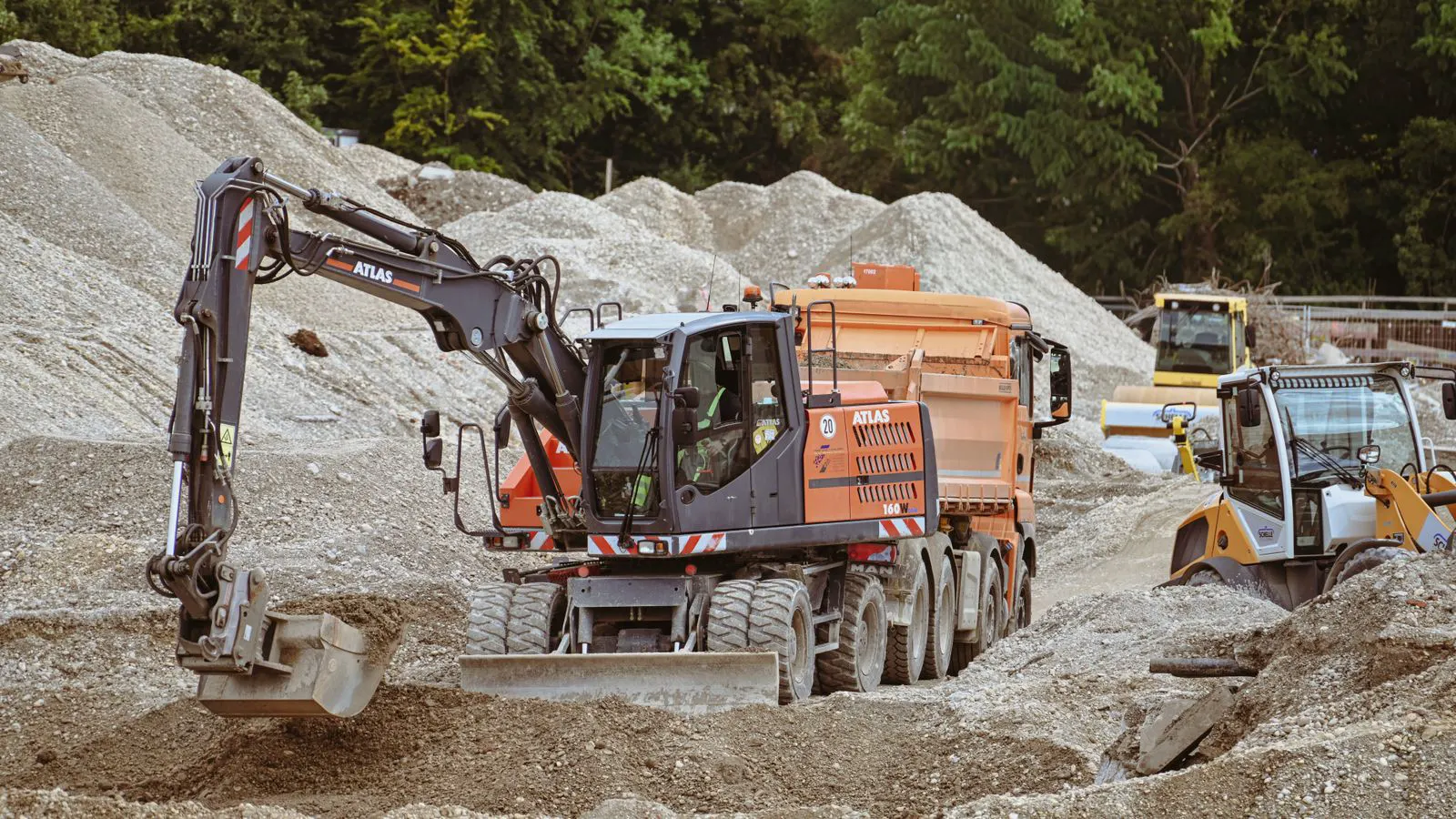
A crawler loader handles soft ground and uneven terrain better due to low ground pressure. A wheel loader moves faster on firm surfaces and offers better maneuverability. The right choice depends on site conditions, payload, and travel distance.
- Crawlers excel on soft, wet, or uneven ground because tracks distribute weight across a larger area.
- Wheel loaders perform better on firm, compacted surfaces where speed and maneuverability matter.
- Stability depends on machine configuration, payload, and operator technique as much as the drive type.
- Site access determines the choice more than raw lifting capacity in most real jobs.
- Consider tire maintenance and track tension as part of the total cost of ownership.
How Ground Pressure Changes Machine Selection
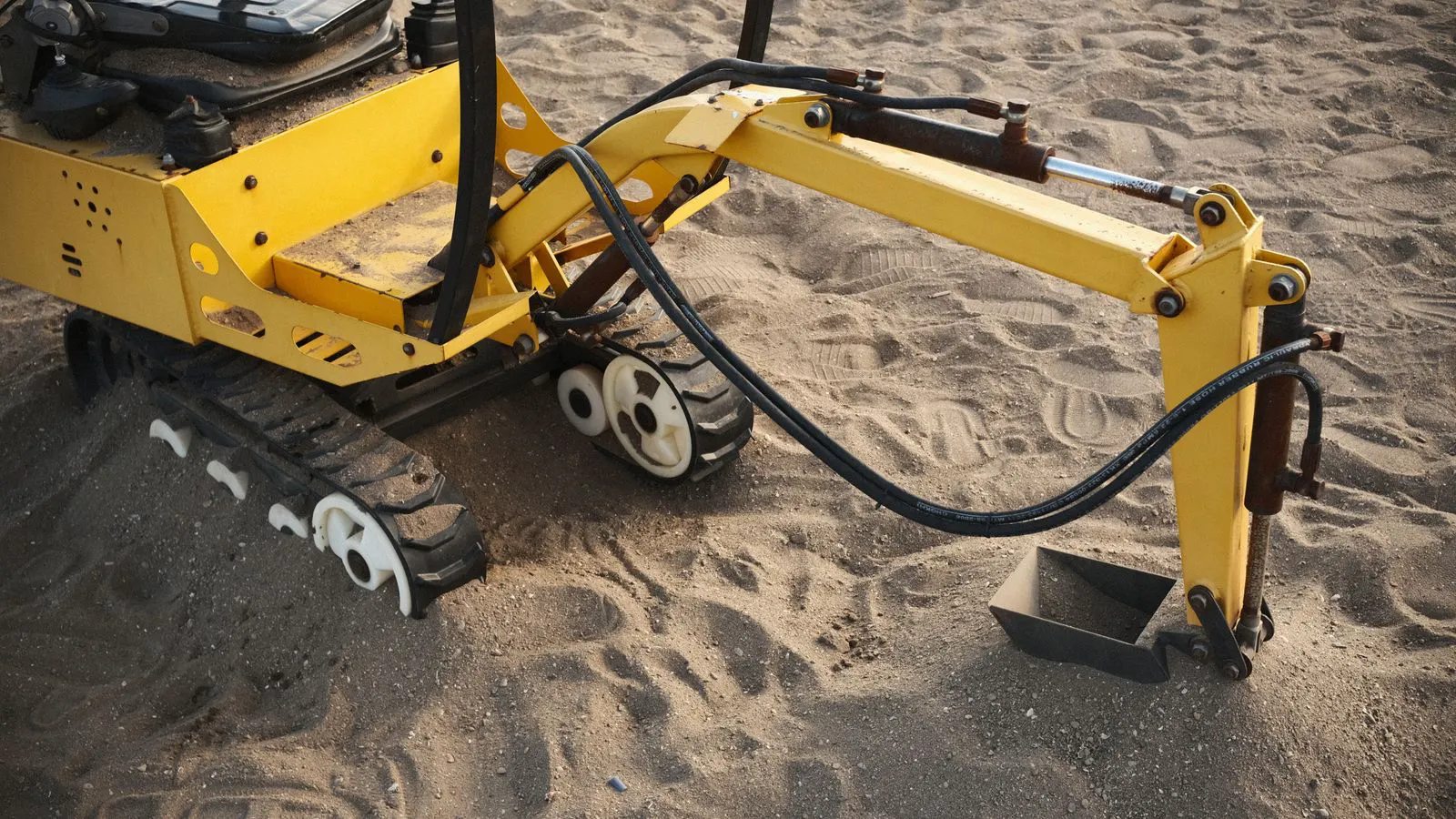
The core difference between a crawler and a wheel loader comes down to how weight transfers to the ground. A crawler uses continuous tracks that wrap around rollers. A wheel loader uses pneumatic tires that contact the ground in small circular patches.
This difference matters when the ground is soft. A crawler spreads its weight across the full length of the track. The contact area stays consistent even as the machine shifts load. A wheel loader concentrates weight at the tire contact patches. If the ground yields, the tires sink. The machine tilts. The operator has to back off or change direction.
On firm, compacted earth, the tire contact patches do not sink. The wheel loader moves with more agility. The crawler drags slightly. The track links flex. The machine feels heavier than its actual mass.
Operators often underestimate this difference. They spec a crawler for a site that is mostly compacted gravel. The machine sits there for months, the tracks wear out, and the owner realizes the wheel loader would have served the same duty with lower maintenance costs. Or they spec a wheel loader for a wet clay site. The tires sink into ruts. The loader stops working for days while the ground dries out.
The site condition is the first variable. It overrides horsepower, bucket size, and price.
Stability Comparison on Uneven Terrain
Stability is not just about tipping. It is about maintaining control while the ground moves under the machine. A crawler loader has a long, low track base. The center of gravity sits close to the ground. When the machine banks on a slope, the track base resists rotation. The machine feels planted.
A wheel loader has a narrower track width relative to its body. The tires can pivot. This helps in tight spaces. It reduces stability on slopes. If the ground shifts under one tire, the machine rolls toward the open side. The operator must counterbalance with the bucket or shift weight.
On a flat, compacted surface, the stability difference is small. Both machines can carry rated loads without issue. On a slope, the crawler has a structural advantage. The wheel loader requires more careful operation. The operator must keep the bucket low and the machine level.
Track loaders also have a shorter wheelbase. This reduces the chance of the rear tracks lifting on a steep grade. Wheel loaders have a longer wheelbase. The rear wheels can lift. The machine becomes top heavy. The bucket weight shifts forward. The center of gravity moves.
For stability comparison tasks, test both machines on the actual site. Run them on the worst day you expect to work. Wet clay, soft fill, steep banks. The machine that handles the bad day without operator stress is the right one.
Site Access in Tight and Confined Areas
Site access determines how the machine moves between work zones. A wheel loader has a narrower turning radius. The tires steer. The cab rotates. The machine can turn in a small yard. It can fit between two buildings. It can back up into a tight corner.
A crawler has a wider body. The tracks are fixed to the frame. The machine cannot turn sharply. It must pivot or use a counterweight. The turning radius is larger. The machine needs more open space.
In a tight urban yard, the wheel loader wins. It can reach the work without the crawler sitting outside the fence line. The crawler needs a larger footprint. It needs a clear path to the work zone. If the path is blocked by formwork, rebar, or temporary structures, the crawler cannot reach the work.
In a large open site, the difference shrinks. The crawler can reach the work. The wheel loader can reach the work. The choice then comes down to speed and ground conditions.
For site access, measure the actual paths. Not the theoretical paths. The paths the machine will use on a busy day. The paths that are blocked by other equipment. The paths that are muddy in the morning. If the crawler cannot reach the work zone without clearing other equipment, it is not the right machine for that job.
Maintenance and Operating Costs
Maintenance costs are often the deciding factor for long term ownership. A crawler loader has more moving parts in the drive system. The tracks have rollers, idlers, sprockets, and chain links. Each of these wears. The tracks stretch. The links wear. The rollers get pitted. The idlers crack. The sprockets lose teeth.
A wheel loader has tires. The tires wear. The tires get punctured. The tires get cut. The tires lose pressure. The tires need alignment. The tires need replacement. The tire wear rate depends on the surface. On asphalt, the tires wear slowly. On gravel, they wear faster. On sharp rock, they get cut.
Track maintenance requires a technician. You cannot just replace a track link on the job site. You need a shop. You need tools. You need time. The machine is down while the tracks are serviced.
Tire maintenance can be done on the job site. You can inflate the tires. You can replace a puncture. You can rotate the tires. You can check the pressure. The machine stays working while you do the work.
For a short project, the wheel loader has lower maintenance downtime. For a long project, the crawler may have higher maintenance costs. The tracks wear out. The drive system needs service. The owner must budget for this.
The total cost of ownership includes the machine price, fuel, maintenance, and downtime. A wheel loader may cost more to buy. A crawler may cost more to maintain. The total over the life of the project decides which is cheaper.
When to Choose Each Machine
Choose a crawler loader when the site is soft, wet, or uneven. The ground will not hold the tires. The crawler tracks will hold the weight. The machine will not sink into the ground. The operator can work on the worst day.
Choose a wheel loader when the site is firm, compacted, and open. The tires will not sink. The machine will move faster. The machine will turn tighter. The operator can reach the work in a small yard.
For a mixed site, consider both. A crawler for the soft areas. A wheel loader for the firm areas. The owner can move the wheel loader to the soft areas when the crawler is busy. The owner can move the crawler to the firm areas when the wheel loader is busy.
The decision should be made after site inspection. Walk the site. Check the ground. Check the paths. Check the work zones. Check the weather. The site will tell you which machine fits.
Common Mistakes in Machine Selection
Operators often pick the machine based on the spec sheet. They look at the lifting capacity. They look at the bucket size. They look at the horsepower. They ignore the ground.
The ground is the most important variable. The spec sheet does not tell you if the ground will hold the tires. The spec sheet does not tell you if the paths are clear. The spec sheet does not tell you if the machine will reach the work.
Another mistake is buying the cheapest machine. The cheapest machine may not fit the job. The owner pays for the wrong machine. The owner pays for the downtime. The owner pays for the extra fuel. The owner pays for the extra labor.
The best machine is not the cheapest. The best machine is the one that fits the site. The one that reaches the work. The one that stays up. The one that the operator can drive without stress.
Frequently asked questions
Can a wheel loader work on soft ground?
A wheel loader can work on soft ground if the ground is not too wet or loose. The tires may sink. The machine may tilt. The operator must reduce the load and drive slowly.
Is a crawler loader more stable than a wheel loader?
A crawler loader is generally more stable on uneven or sloped ground. The track base resists rotation. The wheel loader has a narrower track width and can roll on slopes.
Which machine is faster on a firm surface?
A wheel loader is faster on a firm surface. The tires roll with less resistance. The crawler drags slightly. The track links flex. The wheel loader moves with more agility.
Do crawlers need more maintenance than wheel loaders?
Yes, crawlers generally need more maintenance. The tracks have more moving parts. The tracks wear out. The drive system needs service. The machine is down while the tracks are serviced.
Can I use both machines on the same site?
Yes, many sites use both machines. A crawler for the soft areas. A wheel loader for the firm areas. The owner can move the machines as the site conditions change.