Excavator Engine Oil: Grade and Change Intervals
The correct engine oil grade depends on the OEM specification, ambient temperature, and duty cycle. Matching these factors protects the excavator engine. Regular oil change intervals are defined by maintenance manuals and operating conditions.
- Always verify the manufacturer's recommended engine oil grade before purchasing.
- Adjust oil change intervals based on actual operating hours and site conditions.
- Use the correct viscosity to match ambient temperature and engine load.
- Keep records of every oil change and filter replacement for warranty claims.
An excavator engine does not tolerate guesswork. The wrong oil grade can cause wear, poor fuel economy, or engine failure. The correct specification is printed on the data plate and in the service manual.
What Determines the Correct Engine Oil Grade
The OEM specification sets the baseline. It defines the base oil type, viscosity grade, and performance requirements. Most modern excavators use diesel engines with high-efficiency turbochargers and emission control systems. These engines demand oils that handle high thermal loads and protect against sulfur and ash deposits.
Ambient temperature changes the viscosity requirement. In cold climates, a lower viscosity oil, such as 5W-30, provides better startup protection. In hot climates, a higher viscosity oil, such as 15W-40, maintains a thicker film under load. The “W” in the grade indicates cold-weather flow. The second number indicates hot-weather stability.
Duty cycle affects the selection. A machine that idles for long periods or operates in heavy dust requires a different oil than one that runs continuously at high RPM. High-dust environments increase the load on the crankcase ventilation system. Sludge forms faster when oil degrades in stop-start conditions.
Reading the OEM Specification
The service manual lists the approved oil grades. Some manufacturers specify a single grade. Others allow a range, such as 5W-30 or 10W-40, depending on climate. The manual also lists the performance standard, such as API or ACEA classifications.
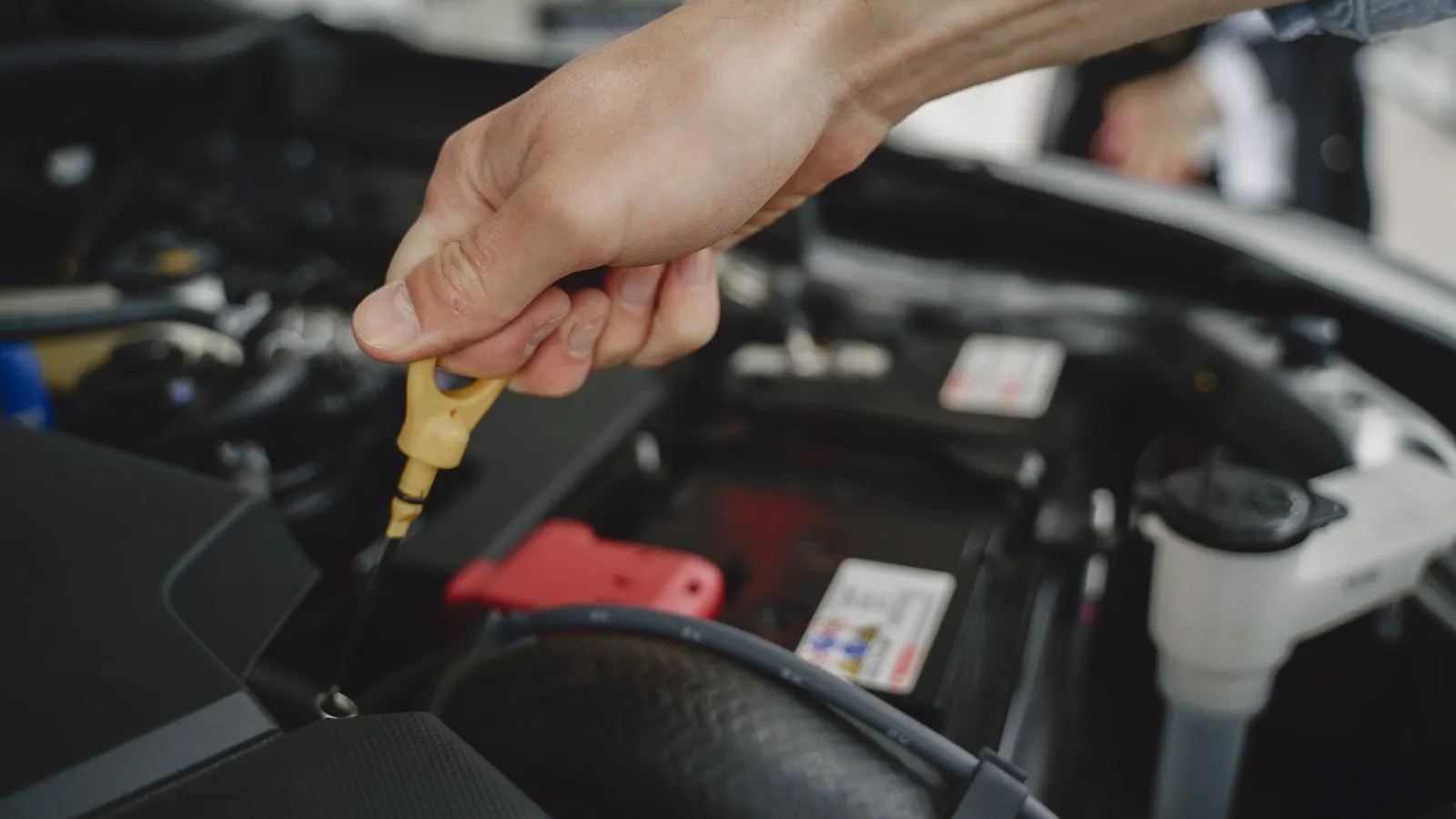
Do not rely on the oil on the dipstick to determine the grade. Old oil may be contaminated or degraded. Check the data plate on the engine block or the owner’s manual. The plate often shows the minimum specification. The manual shows the full list of approved grades and the recommended intervals.
If the manual is missing, contact the dealer or manufacturer. They can provide the exact specification based on the serial number. Never substitute a grade based on a similar model. Different engines have different clearances and fuel injection systems. A grade that works for one model may fail on another.
How to Choose Between Viscosity Grades
Viscosity is the oil’s thickness at different temperatures. A multi-grade oil, like 5W-30, flows like a 50-weight oil when cold and a 30-weight oil when warm. This protects the engine during startup and maintains lubrication during operation.
The first number before the W refers to cold flow. A lower number means better cold flow. For example, 5W flows better than 15W in winter. This matters for hydraulic start-up. A thick oil in cold weather creates high drag. It can stall the engine or delay oil circulation.
The second number refers to operating viscosity. A 30-grade oil is thinner than a 40-grade oil. A thinner oil reduces internal friction but may break down faster under heavy load. A thicker oil provides a stronger film but increases drag. The balance depends on the engine design.
Oil Change Intervals and Operating Conditions
Oil change intervals are not fixed. They depend on the engine’s maintenance category. OEMs often list standard, severe, and extended service intervals. The standard interval assumes normal operation. Severe service assumes harsh conditions. Extended service assumes optimal conditions and a high-quality oil.
Factors that shorten the interval include:
- Operating in high dust or sandy environments
- Running the engine at low RPM for extended periods
- Towing or pulling heavy loads
- Operating in extreme cold or heat
- Frequent idling during standby periods
If any of these conditions apply, move to a shorter interval. The service manual may provide a table that adjusts the interval based on operating hours. For example, if the engine runs 10 hours per day in dust, the filter and oil may need changing every 150 hours instead of 250.
Worked Example: A 25-Ton Excavator in Coastal Areas
Imagine a 25-ton excavator working on a coastal site. The site has salty air and frequent rain. The ambient temperature ranges from 8°C to 32°C. The machine works 8 hours per day, five days a week.
The OEM manual specifies 5W-30 oil for temperatures between 5°C and 35°C. It lists a standard interval of 250 hours or 6 months, whichever comes first. The severe service interval is 150 hours or 3 months.
Because the site is coastal and dusty, the operator uses the severe service interval. The oil is changed every 150 hours. The oil filter is replaced every time. The oil sample is sent to a lab every second change. This detects acid and metal content. If the acid level is high, the next change is moved up.
This approach protects the turbocharger and fuel system. It also keeps the warranty valid. Using a standard interval on a severe site risks engine damage. Using an extended interval without proper oil or clean conditions risks clogged passages.
Common Mistakes in Engine Oil Selection
Operators often make three common mistakes. First, they buy the cheapest oil available. Low-cost oils may not meet the OEM specification. They may lack the additives needed to protect against sulfur and ash.
Second, they ignore the season. An operator in a cold region may use a 15W-40 oil in winter. The oil will be too thick for startup. This creates high friction and delays oil pressure. The engine takes longer to reach operating temperature.
Third, they skip the oil filter. Changing the oil without the filter leaves contaminants in the system. The filter removes fine particles and metal debris. A new filter is required with every oil change.
Record Keeping and Warranty Compliance
Keep a log of every oil change. Record the date, operating hours, oil grade, filter part number, and the name of the technician. This log is required for warranty claims. If the engine fails, the dealer will ask for the maintenance records.
If the records show the oil was changed at 500 hours instead of the required 250, the warranty may be denied. The dealer may argue that the failure was caused by neglect. Good record keeping protects the asset.
It also helps with resale value. A well-maintained excavator with a complete history sells faster and at a higher price. Buyers want to see proof of proper care.
Summary of Key Points
The engine oil grade is defined by the OEM specification. It must match the temperature range and duty cycle. The oil change interval depends on operating conditions. Severe conditions require shorter intervals. Record every change. Use the correct filter. Do not guess.
When to Consult a Dealer
If the specification is unclear, contact the dealer. They can verify the grade for a specific serial number. They can also confirm the correct interval based on the machine’s usage. Do not rely on general advice. Every engine is different.
The dealer can also provide the correct filter part number. Using a wrong filter can cause leaks or poor filtration. The filter must match the oil capacity and the engine’s design.
Frequently asked questions
Can I use any 5W-30 oil in my excavator?
No. The oil must meet the OEM specification. Some 5W-30 oils meet the spec, while others do not. Check the manual for the required performance standard.
How often should I change the oil in a heavy-duty excavator?
The interval depends on the operating conditions. Standard service is usually 250 hours. Severe service is often 150 hours. Check the manual for the exact schedule.
What is the difference between severe and standard service?
Severe service applies to harsh conditions like dust, cold, or heavy loads. It requires shorter oil change intervals. Standard service applies to normal, light-duty operation.
Do I need to change the oil filter every time?
Yes. The oil filter is a single-use part. It collects debris and contaminants. Reusing a filter defeats the purpose of the oil change.
Can I extend the oil change interval with premium oil?
Only if the OEM explicitly allows it. Some oils are certified for extended service. The manual will state if an extended interval is approved. Do not assume.