Explainer: How Daily Inspection Routines Prevent Hydraulic Breakdowns
A structured daily inspection routine prevents major hydraulic failures by identifying low fluid levels, leaks, and abnormal temperatures before they cause component damage. This guide details specific checks that reduce breakdown risk.
- Daily inspections focus on fluid levels, visible leaks, and temperature to catch early hydraulic faults.
- Specific checks like hose condition and filter status directly correlate with failure prevention.
- Documenting findings turns routine checks into a reliable maintenance record.
- Early intervention reduces repair costs and extends component service life.
- Operator awareness of hydraulic behavior is the first line of defense against breakdowns.
What a Daily Inspection Actually Covers
A daily inspection routine is a short, standardized check performed before the first operating hour of the day. It is not a full service. It does not involve draining fluids or replacing seals. The goal is narrow. It looks for signs that the hydraulic system is not operating within normal parameters. If the system runs hot, leaks fluid, or operates with reduced pressure, those symptoms appear in the early stages of failure. Catching them before the shift starts prevents small issues from becoming major repairs.
The routine typically takes less than ten minutes. It relies on the operator having a clear checklist and a basic understanding of what normal looks and sounds like. Without that baseline, an inspection is just a walk-around. With it, the inspection becomes a diagnostic tool. The checks must be specific enough to catch real problems, not vague enough to be ignored.
Which Checks Directly Prevent Hydraulic Breakdowns
Not every item on a checklist has the same weight. Some checks address cosmetic issues. Others target the specific failure modes that stop a machine. The checks below have the strongest correlation with preventing major hydraulic failures.
Fluid Level and Condition
Hydraulic fluid carries the load. It lubricates components, cools the system, and transmits pressure. When the level drops, air enters the system. Air is compressible; hydraulic fluid is not. Compressible fluid causes pressure loss, erratic movement, and damage to pumps and valves. Low fluid also reduces cooling capacity, leading to overheating.
The check is simple. Park the machine on level ground, lower all cylinders, and check the dipstick or sight glass. The level should be between the marks. The fluid should be clear and free of dark sludge or water droplets. Dark fluid indicates oxidation or contamination. Water droplets indicate a seal failure or condensation in the reservoir. Both conditions accelerate wear.
Visible Leaks at Hoses and Fittings
Hydraulic hoses and fittings are under constant pressure. Over time, the rubber degrades, the metal crimps, and the threads wear. A leak at a fitting is not just a nuisance. It reduces system pressure. It contaminates the work area. If the leak is at a high-pressure line, the loss of fluid can drop system pressure to a point where the pump cavitates. Cavitation is the formation of vapor bubbles in the pump. When those bubbles collapse, they erode the pump casing and vanes. This is one of the fastest ways to destroy a hydraulic pump.
The check is visual. Look along the length of each hose. Check the couplings at each end. Look for weeping at the threads of cylinder rod seals. A wet spot is a leak. Even a slow drip means the seal is failing. Replacing a hose or a fitting during a planned maintenance window is inexpensive compared to replacing a pump because of a burst hose.
Abnormal Operating Temperatures
Hydraulic systems generate heat. Friction in the pump, resistance in the valves, and the viscosity of the fluid all create thermal energy. The radiator and cooler remove that energy. When the cooling system fails, or when the fluid breaks down, temperatures rise. High temperatures degrade the fluid, causing it to lose its viscosity and lubricity. This leads to increased wear in the pump and motor.
The check is not always a thermometer reading. Experienced operators know what their machine feels like. If the hydraulic tank is too hot to touch comfortably, or if the radiator is blowing hot air in a way that feels abnormal, that is a signal. If the machine is equipped with a temperature gauge, note the reading. A trend matters more than a single number. A steady rise over several days indicates a developing problem. A sudden spike indicates a failure, such as a clogged cooler or a stuck relief valve.
Unusual Noise and Vibration
Hydraulic systems make noise. Pumps hum. Valves click. Cylinders hiss. The key is knowing what is normal. A new machine has a baseline sound profile. As components wear, that profile changes. A whining sound from the pump usually indicates air in the system or a cavitation condition. A knocking sound can indicate internal wear or a failing bearing. Vibration at the hydraulic block or on the boom can indicate a loose fitting or a developing seal failure.
The check is auditory and tactile. Sit in the operator’s seat. Cycle the boom, bucket, and swing. Listen to the pump at idle and at working speed. Feel the vibration through the controls. A sudden change in sound or vibration is a red flag. It often precedes a mechanical failure. If the machine sounds different today, it will likely break down tomorrow if not checked.
Filter and Reservoir Condition
Filters catch metal particles and debris from the hydraulic system. When a filter becomes clogged, it restricts flow. This increases pressure drop across the filter. The pump must work harder to maintain flow. This reduces efficiency and increases heat. In severe cases, the pressure differential can cause the filter housing to fail, or the pump to cavitate.
The check is visual. Look at the filter indicator, if equipped. A red flag or a rising needle indicates the filter is dirty. Check the reservoir cap. It should be secure and free of debris. Look into the reservoir if possible. The fluid level should be correct, and the surface should be free of foam or contamination. If the reservoir is dirty, the filter is likely clogged. Replacing the filter is a low-cost action that prevents high-cost pump damage.
A Worked Example: The Slow Leak Scenario
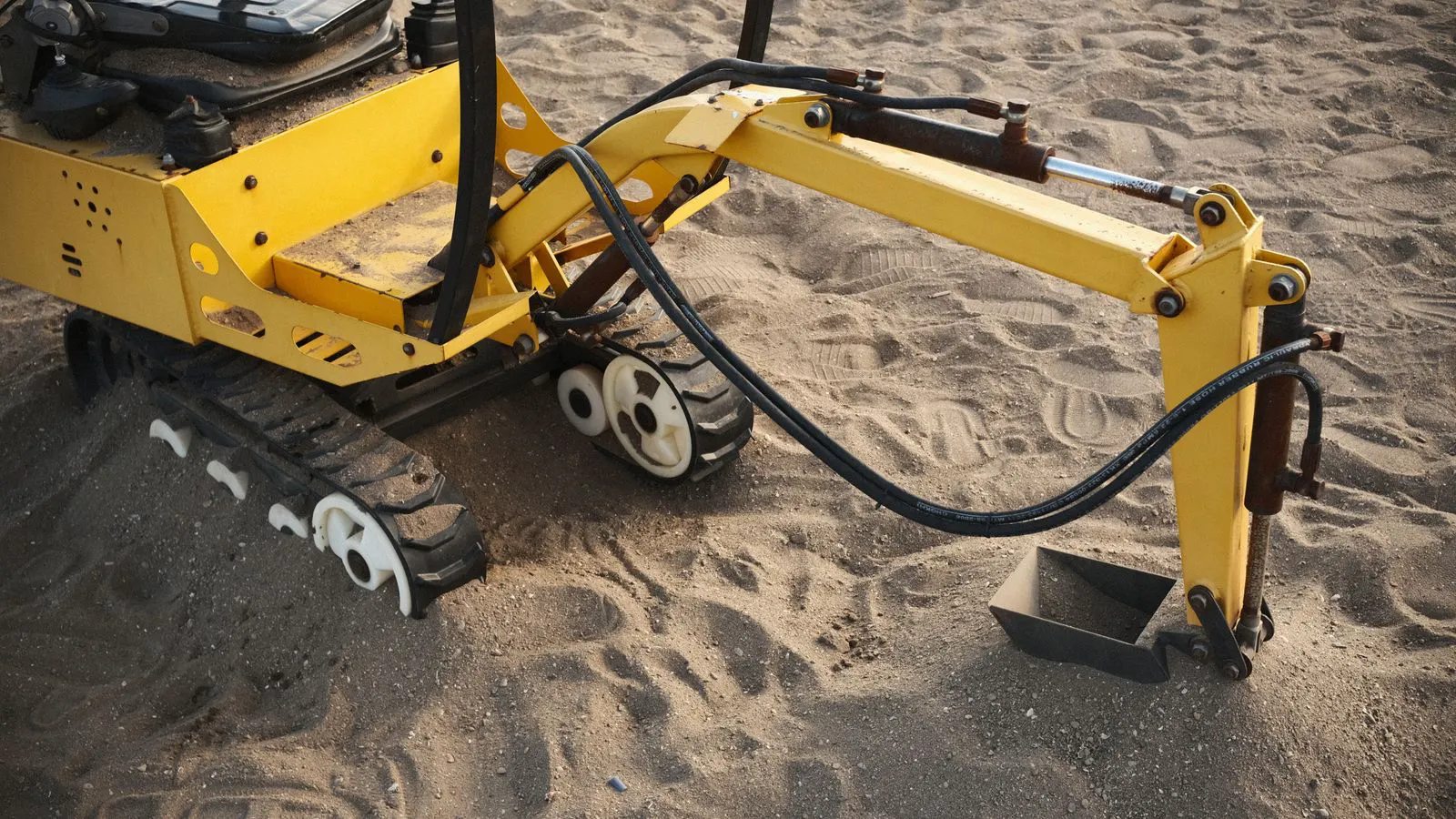
Imagine a crawler excavator. The operator performs the daily inspection. The fluid level is low. There is a small, dark wet spot at the base of the boom cylinder rod. The hose running to the cylinder shows a slight bulge. The pump sounds slightly whining. The temperature gauge is a few degrees higher than usual.
This is not a single failure. It is a chain. The bulge in the hose indicates the rubber is degrading. The leak at the rod seal indicates the seal is failing. The low fluid level is the result of the leaks. The whining pump is the result of air entering the system through the low level and the leaks. The higher temperature is the result of reduced fluid volume and increased pump strain.
If the operator ignores this, the next shift will likely see a burst hose or a cylinder failure. The repair will involve downtime and significant cost. If the operator reports the findings, the maintenance team can replace the hose and seal during a planned window. The cost is low. The downtime is minimal. The machine continues to operate. This is the direct correlation between daily inspection and breakdown prevention.
How Inspections Influence Sourcing and Maintenance Planning
The data collected from daily inspections is not just for the logbook. It feeds into maintenance planning and sourcing decisions. If the same hose fails repeatedly at the same location, the sourcing decision changes. The operator and the maintenance manager need to look at a different hose type, a different routing, or a different installation method. The daily inspection identifies the pattern. The sourcing decision addresses the root cause.
Similarly, if the fluid level is consistently low without an obvious leak, the sourcing decision must look at internal seals or the pump. The inspection data points to the problem area. It prevents the blind trial-and-error of replacing parts that are not the issue. The inspection record becomes a map of the machine’s health. It tells the procurement team what to buy and when to buy it. It turns reactive purchasing into planned maintenance.
Building a Routine That Actually Works
A daily inspection routine fails when it is not part of the operational workflow. If it is an extra task that operators do only when they have time, it will be skipped. It must be integrated into the start-of-shift procedure. The checklist must be accessible. It should be on the dash, in the cab, or on a tablet. The checks must be quick. If the routine takes twenty minutes, it will not be done.
The operator needs a basic understanding of the hydraulic system. They do not need to be a hydraulic engineer. They need to know what normal looks like, sounds like, and feels like. Training should cover the specific checks and the signs of failure. The maintenance team needs to review the log. If operators report issues and nothing happens, the routine loses value. The loop must close. Report, act, document. This creates a culture of preventive maintenance.
Common Mistakes in Daily Inspections
The most common mistake is skipping the check because the machine “seemed fine yesterday.” Hydraulic failures do not always announce themselves. A slow leak can exist for days before it becomes obvious. The machine will still work, but the system is already compromised.
Another mistake is focusing only on the obvious. Operators often check the big hoses but ignore the small lines that feed the control valves. They check the reservoir but not the cooler. They look for wet spots but do not listen to the pump. The inspection must be thorough. It must cover the entire hydraulic circuit, not just the visible, large components.
Finally, the mistake is not documenting the findings. A verbal report to the supervisor is easily forgotten. A written entry in the log creates a record. It allows for trend analysis. It provides proof of due diligence. It ensures that the issue is not lost in the daily noise of operations.
Final Thoughts on the Value of Daily Checks
The daily inspection routine is one of the most effective tools for preventing hydraulic breakdowns. It does not require expensive equipment or advanced technology. It requires discipline, attention, and a clear understanding of what to look for. When done correctly, it catches problems at the stage where they are cheap to fix. It prevents the cascade of failures that lead to major repairs. It protects the asset and the business. The cost of the check is minutes. The cost of the failure it prevents is days of downtime and thousands of dollars in parts and labor. The math is simple.
Frequently asked questions
What is the single most important check in a daily hydraulic inspection?
Checking the fluid level is the most important check. Low fluid leads to air in the system, which causes pressure loss, overheating, and pump damage. It is the most common cause of early hydraulic failure.
How often should a full hydraulic system inspection be performed?
A full inspection, including fluid analysis and filter replacement, is typically performed on a scheduled basis, such as every 250 to 500 operating hours. The daily inspection is a quick visual and auditory check that complements the full service.
Can a daily inspection detect internal pump failures?
A daily inspection can detect the symptoms of internal pump failure, such as whining noise, low pressure, and high temperature. It cannot diagnose the specific internal component that is failing. That requires a more detailed diagnostic. However, it flags the need for that diagnostic.
What should an operator do if they find a hydraulic leak during the daily inspection?
The operator should document the location of the leak in the inspection log. They should inform the maintenance team or supervisor. They should not attempt to repair the leak unless they are trained and equipped to do so. The machine should be tagged or flagged for service.
How do daily inspections differ from preventive maintenance?
Daily inspection is a short, routine check for early signs of failure. Preventive maintenance is a scheduled service that includes parts replacement, fluid changes, and system testing. Inspection catches problems. Maintenance fixes them. They are complementary practices.