Outlook: Predictive Maintenance for Crawler Excavator Track Chains
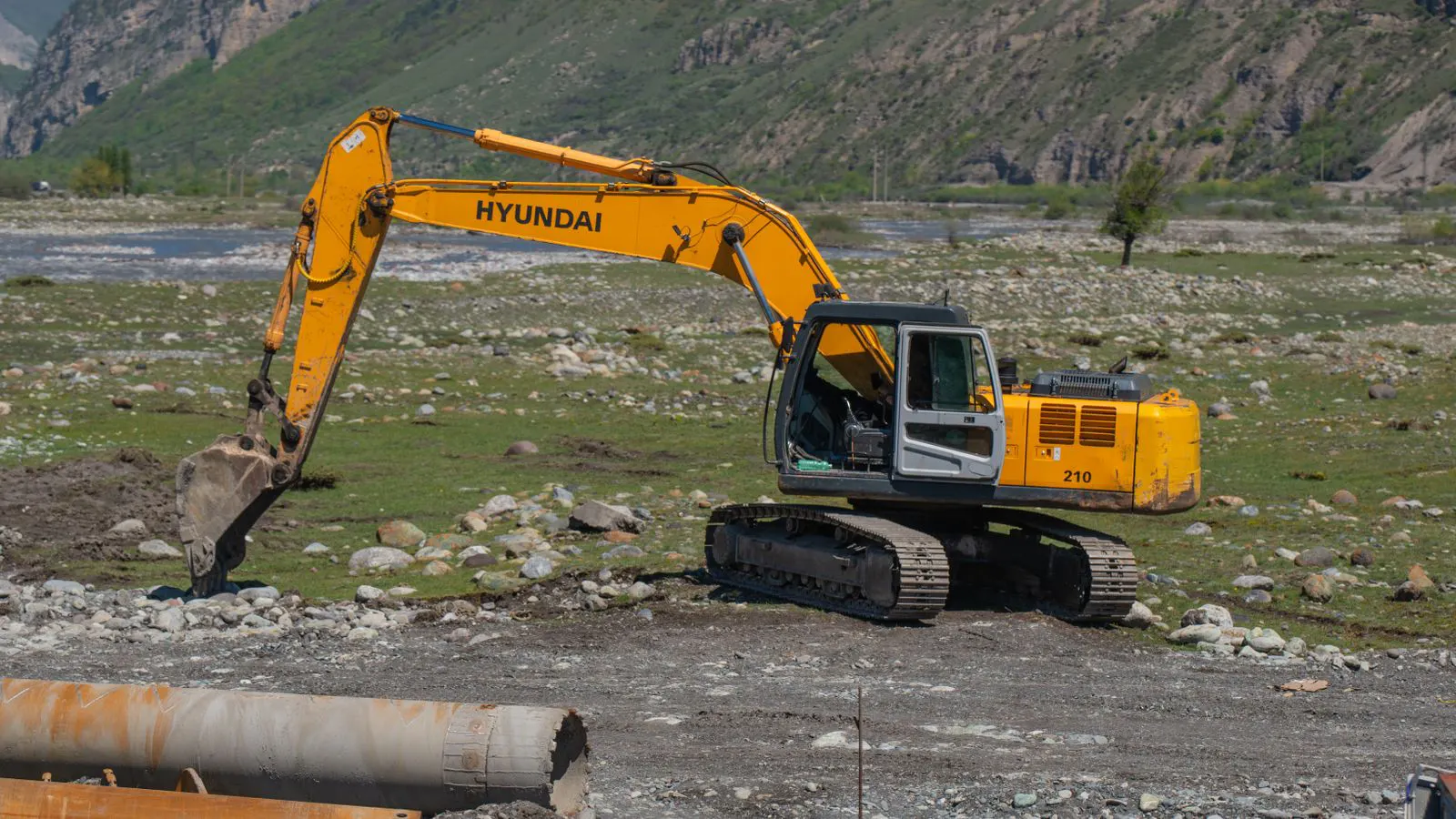
Predictive maintenance uses vibration, temperature, and usage data to monitor crawler excavator track chain wear before failure occurs. It moves track chain maintenance away from calendar or visual inspection only. Buyers should prepare by standardizing sensors, cleaning data, and training crews to act on alerts before breakdowns.
- Sensor data can replace guesswork by tracking chain wear, tension, and heat in real time.
- Track chain maintenance becomes scheduled work instead of emergency replacement.
- Breakdown prevention improves when crews act on alerts before visible damage spreads.
- Telematics helps owners compare fleet units and standardize replacement timing.
- Preparation requires clean data, clear thresholds, and trained maintenance crews.
Why sensor-driven monitoring changes track chain care
Track chain wear is not always visible until it becomes a problem. A loose link, a worn roller, or a small crack can stay hidden under mud and wear dust. Reactive replacement means the chain fails, the machine stops, and the crew spends extra hours digging out, inspecting, and reinstalling hardware.
Predictive maintenance changes that pattern. Sensors on the excavator monitor vibration, temperature, tension, and usage hours. The data shows when a track chain is moving outside its normal range. Maintenance teams can then schedule work while the machine is still in service.
This shift is practical. It fits the way heavy machinery owners already manage equipment. They track hours, check fluids, and replace filters on a routine basis. Predictive maintenance extends that same discipline to undercarriage parts. It also connects to the broader use of telematics across heavy machinery, where operators and planners rely on machine data to make decisions.
What sensors actually monitor on a crawler excavator
Track chain maintenance has historically depended on visual checks and hour-based replacement. Sensors add a layer of continuous measurement. The most useful signals come from a few specific sources.
| Sensor type | What it measures | Typical maintenance use |
|---|---|---|
| Vibration sensor | Chain impact, roller noise, loose hardware | Detects early wear before visible damage |
| Temperature sensor | Chain and sprocket heat | Identifies friction, tension issues, or overload |
| Tension sensor | Chain tightness | Catches slack or over-tension before links jump |
| Usage counter | Operating hours, load cycles | Supports interval planning and fleet comparison |
| Current draw sensor | Hydraulic or electrical load | Helps separate chain problems from other faults |
The value is not in one sensor type. It is in the pattern. A temperature spike alone may mean high load. A temperature rise combined with vibration and increased hours points more directly to chain wear. A crew that can read the pattern will act faster than a crew that only checks the chain visually at the end of the day.
The five shifts buyers should plan for
The move from reactive to proactive track chain care does not happen in one step. It requires changes in data, process, and crew behavior. Buyers should expect these shifts.
-
Inspection becomes continuous, not just periodic.
Visual checks still matter, but they support sensor data instead of replacing it. A quick walk-around remains useful. The sensor gives a baseline that helps the inspector decide where to look first. -
Replacement timing becomes condition-based.
Calendar replacement still has a place, especially for new machines or high-use operations. Predictive maintenance adds a second rule. Replace when the data shows wear, not only when the hour count says so. -
Maintenance crews need new skills.
Mechanics must understand what an alert means. They need to distinguish between a sensor fault, a loose bolt, and a chain link that is about to fail. Training should focus on reading dashboards, not just reading parts manuals. -
Data ownership becomes a maintenance issue.
Who cleans the data? Who sets thresholds? Who approves the work order? If no one owns that process, alerts pile up and get ignored. The same problem happens with any preventive maintenance program. -
Fleet comparison becomes part of planning.
When multiple excavators run similar work, telemetry makes it easier to compare chains. One unit may show higher wear because of terrain, operator style, or load. That information helps buyers standardize replacement plans.
How to prepare before installing sensors
Installation is only part of the work. The bigger challenge is making the data useful. A sensor that records noise but does not trigger a clear action is not useful to the shop.
Start with a baseline. Run the machine through a normal week. Record hours, loads, and operating conditions. Let the system learn what normal looks like. Without that baseline, thresholds are guesses.
Next, define what a warning means. Do not just save raw data. Set simple rules. For example, a temperature rise above a set point for a given number of minutes triggers a check. A vibration pattern that repeats three times in a shift triggers a visual inspection. Keep the rules practical. If the rule is too complex, the crew will not use it.
Also prepare the crew. They should know where the sensors are, how to read the dashboard, and what to do when an alert appears. A short training session is better than a long manual. The crew should be able to answer three questions quickly. What changed? What does the machine show? What do we check first?
Finally, review the data after the first month. Some alerts may be false. Some real issues may have been missed. Adjust the thresholds. This is normal. The system improves as the team learns how the machine behaves.
How predictive maintenance connects to breakdown prevention
Breakdown prevention is not about avoiding all wear. Chains wear. Sprockets wear. Rollers wear. The goal is to keep wear inside the machine so it does not become downtime.
Predictive maintenance helps in two ways. It gives early warning. It also gives a record. When a chain is replaced, the data shows why. That record helps the next decision. If a replacement happened because of a loose tension, the next check can focus on tension. If it happened because of high temperature, the next review can look at load or cooling.
This also improves communication. A maintenance log with sensor data is easier to explain than a log that says chain replaced. It shows the reason. That matters when owners review costs or when a new mechanic takes over.
Practical checks to combine with sensor data
Sensors should not replace physical checks. They should direct them. A few checks remain useful.
- Chain tension. Check for slack or tightness by hand when safe to do so.
- Link wear. Look for stretched links or worn pins.
- Roller condition. Check for cracks, flats, or missing bearings.
- Sprocket contact. Look for uneven wear patterns on the drive and idler sprockets.
- Fasteners. Tighten or replace bolts that show movement.
- Track alignment. Make sure the chain tracks straight on the sprockets.
These checks take minutes. They catch things sensors may miss. The combination is stronger than either one alone.
What to avoid when adopting predictive maintenance
A few mistakes can waste the effort.
Do not rely on one alert. A single sensor reading is not proof. Look for patterns.
Do not replace data with trust. If the crew ignores the dashboard, the program fails.
Do not assume all machines need the same thresholds. Different terrain, load, and operator style change wear.
Do not skip training. A sensor without a trained user is just a light that turns on.
Do not treat this as a one-time project. Review the data regularly and adjust the rules.
How this fits with the rest of undercarriage care
Track chain maintenance does not stand alone. It connects to hydraulic system care, filter replacement, and undercarriage alignment. A machine with poor hydraulic fluid quality may show higher chain vibration. A machine with worn hydraulic components may run the tracks at the wrong speed. These issues can look like chain problems if the crew only checks the chain.
A practical approach is to look at the machine as a system. Use sensor data to guide the chain check. Use the chain check to confirm or rule out hydraulic issues. Keep the maintenance records together. That makes it easier to see what is causing wear and what is normal.
Predictive maintenance for track chains is not a magic fix. It is a shift in how the crew thinks about wear. It moves the question from when to replace the chain to when the chain is moving toward replacement. That shift is what makes breakdown prevention possible.
Frequently asked questions
Does predictive maintenance replace visual inspection of track chains?
No. It directs visual checks. Sensors show where to look, but physical inspection confirms the condition.
What is the main benefit of using telematics for track chain maintenance?
It gives continuous data that helps teams schedule replacement before failure and compare wear across machines.
Do all crawler excavators need the same sensor setup?
No. Sensor needs depend on use, terrain, and load. A light-duty machine and a heavy-duty machine may need different thresholds.
How much training does a maintenance crew need?
They need enough training to read alerts, check the chain, and record findings. Short practical training works better than long theory.
Can predictive maintenance reduce breakdowns?
Yes, by catching wear early and scheduling replacement before the chain fails under load.