Wheel Loader Tire Maintenance: Pressure and Alignment
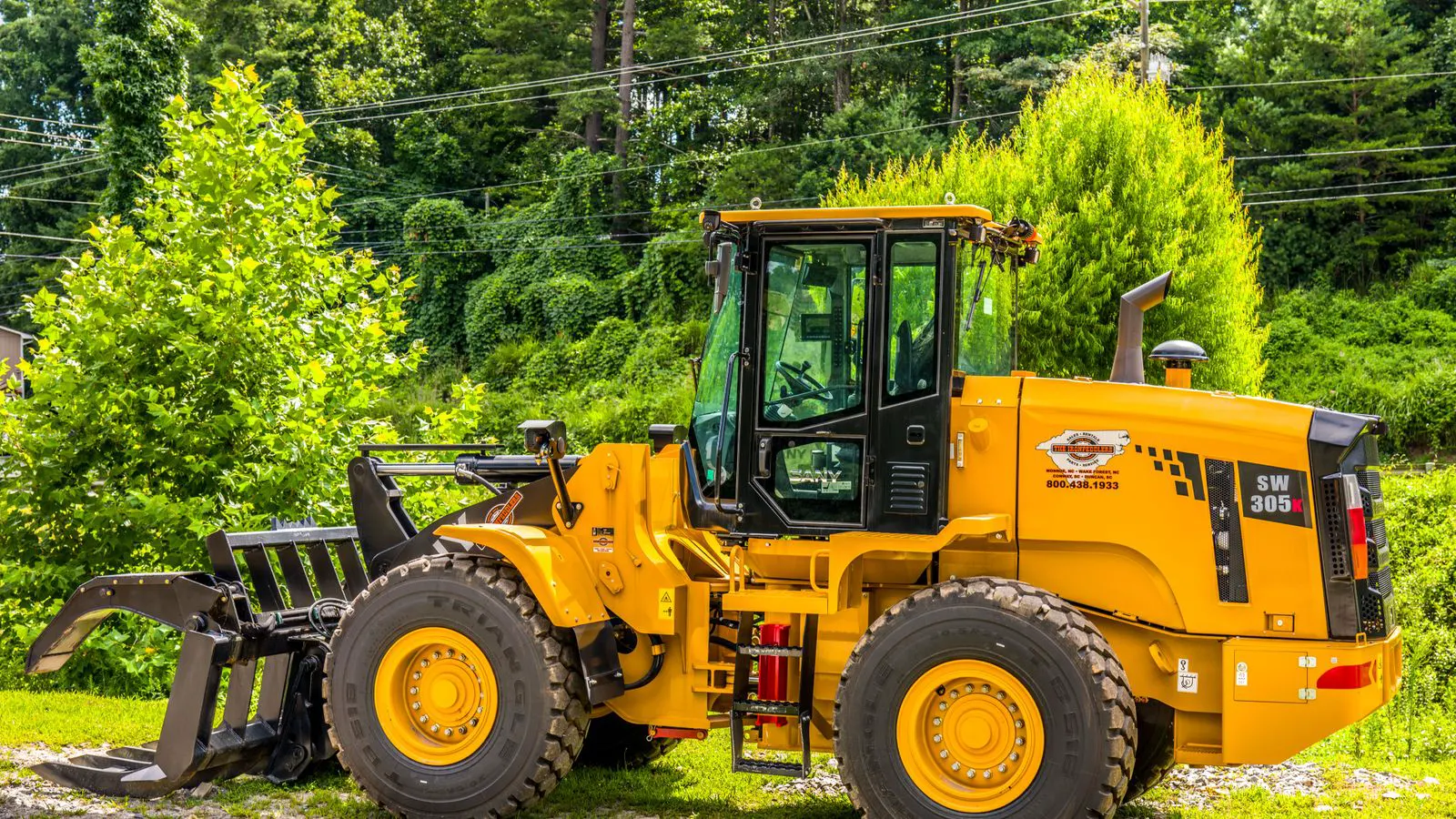
Regular tire maintenance is critical for wheel loader safety and efficiency. By following a structured routine for pressure checks, alignment, and rotation, operators can reduce fuel consumption, prevent premature tire failure, and ensure stable handling during heavy lifting operations.
- Proper tire pressure directly affects fuel efficiency and rolling resistance on construction sites.
- Regular alignment checks prevent uneven wear that can lead to costly and sudden tire failure.
- A documented maintenance log helps identify trends in tire life and operating costs.
Why Tire Maintenance Matters for Loader Performance
Tire maintenance is one of the most impactful yet often overlooked aspects of daily wheel loader operations. Unlike heavy-duty tracks, rubber tires are exposed to abrasive materials, extreme temperatures, and the constant stress of high-speed maneuvering. When tire pressure drops below the manufacturer’s recommended range, the rubber deforms more, creating a larger contact patch with the ground. This deformation increases rolling resistance, forcing the engine to work harder to move the machine. The result is higher fuel consumption and reduced operational speed.
Beyond fuel efficiency, tire condition is a direct safety factor. A wheel loader is designed to lift heavy loads while navigating uneven terrain. If the tires are worn out of alignment or have lost their structural integrity, the machine can become unstable during turns or while carrying a full bucket. This instability increases the risk of tip-overs and can damage the hydraulic system or chassis components. A systematic approach to tire care ensures that the loader operates within its designed performance envelope.
Prerequisites for a Proper Maintenance Routine
Before beginning a tire maintenance session, you must have the right tools and access to the machine. You need a digital tire pressure gauge that can handle high pressures, a jack and wheel chocks for safe lifting, and a tread depth gauge for measuring wear. You should also have the owner’s manual or a reliable specification sheet that lists the correct operating pressure for the specific tire size and duty cycle.
It is crucial to perform these checks when the tires are cold. Driving the loader warms the rubber and the air inside, which temporarily increases the pressure reading. A “hot” pressure reading can be 20 to 30 psi higher than the cold reading, leading to an inaccurate assessment of the tire’s condition. Allow the machine to sit idle for at least 30 minutes after the end of a shift before you begin your inspection.
Step-by-Step Tire Maintenance Procedure
The following routine should be performed weekly or before every major job, whichever comes first.
- Visual Inspection of the Tread and Sidewalls.
- Reason: This is the first line of defense. You are looking for deep cuts, embedded nails, or bulges in the sidewalls. A bulge indicates internal cord damage and means the tire must be replaced immediately. You are also checking for uneven wear patterns, which are often the first sign of alignment issues.
- Check and Adjust Cold Tire Pressure.
- Reason: Correct pressure is the foundation of fuel efficiency. Use your digital gauge to check each tire. If the pressure is low, inflate it to the manufacturer’s specification. If it is high, release air slowly. Do not overinflate, as this reduces the contact patch and can cause the tire to “ride up” on obstacles, leading to premature wear.
- Inspect and Clean the Tread Grooves.
- Reason: Construction sites are dirty. Mud and gravel accumulate in the tread, which can hide damage and reduce the tire’s ability to grip. Use a stiff brush or a dedicated tire brush to remove debris. This ensures that the tread depth measurement is accurate and that the tire is not carrying extra weight.
- Measure Tread Depth and Check for Wear Indicators.
- Reason: Consistent wear across the tread is a sign of proper alignment. If one edge is worn much faster than the center, the tire is out of alignment. Use a tread gauge to measure the depth at multiple points. When the tread reaches the wear limit specified in the manual, the tire must be replaced to maintain grip and structural integrity.
- Check Tire and Rim Alignment.
- Reason: If the rims are bent or the tires are not seated correctly, the machine will pull to one side or vibrate at high speeds. Inspect the rim for cracks or bends. If the machine pulls, the alignment of the steering components or the wheel bearings may need professional attention.
- Rotate Tires if Applicable.
- Reason: On multi-axle loaders or where front and rear tires are different, rotating tires can help equalize wear. However, note that wheel loaders often have different tire sizes for front and rear. Rotation is typically only applicable to the front pair or rear pair if they are identical. Check the manual for rotation intervals.
- Document the Maintenance Log.
- Reason: Recording the date, pressure readings, and tread depth provides a history of the tire’s life. This data helps you predict when a tire will need replacement and can be used to negotiate better service agreements with suppliers.
Common Mistakes to Avoid
Operators often fall into the trap of only checking tires when they are visibly flat or damaged. By the time a tire is “flat,” the damage is often already severe. Another common error is relying on a visual estimate for pressure. The human eye cannot accurately gauge pressure differences of 10 psi, which is a significant change in performance.
Finally, many operators ignore the rim. A bent rim can cause the tire to vibrate and wear unevenly, even if the pressure is correct. Always inspect the rim face for cracks or deformation after the machine has been sitting for a while.
Final Verification and Safety Check
After completing the maintenance routine, perform a final verification. Drive the loader in a straight line on a flat, hard surface at a moderate speed. The machine should track straight without pulling to one side. Listen for any unusual noises, such as humming or thumping, which can indicate tire imbalance or rim damage.
Before returning to heavy work, ensure the bucket is lowered to the ground and the parking brake is engaged. A properly maintained tire system is not just about efficiency; it is the interface between your machine and the ground. When it is correct, the loader feels stable, predictable, and safe.
Maintenance Frequency and Cost Implications
The cost of a new set of loader tires is significant. A preventive maintenance schedule is far more economical than reactive repairs. A weekly pressure check takes less than ten minutes and costs nothing. However, it can prevent a tire from being damaged by a slow leak that goes unnoticed for weeks.
Fuel savings are also substantial. Studies in heavy equipment show that maintaining proper tire pressure can improve fuel economy by up to 5 to 10 percent. For a large wheel loader operating 40 hours a week, this translates to hundreds of dollars in fuel savings per month. Furthermore, extending the life of the tires by even 10 percent through proper alignment and rotation reduces the frequency of expensive replacements.
When to Call a Professional
While basic maintenance like pressure checks and visual inspections can be done by the operator, certain issues require a specialized workshop. If you notice persistent vibration, uneven wear that does not improve with alignment, or if you suspect a bent rim, take the machine to a professional tire service. They have the equipment to perform a dynamic balance and a precise alignment check. Trying to fix a bent rim on-site can lead to further damage or a dangerous tire blowout.
Frequently asked questions
How often should I check my wheel loader tire pressure?
You should check tire pressure at least once a week and before every major shift. It is also advisable to check pressure after the machine has been sitting for a long period.
What happens if I drive with low tire pressure?
Driving with low pressure increases rolling resistance, which significantly raises fuel consumption. It also causes the tire to overheat and can lead to premature wear or blowouts.
Can I use the same tires on the front and rear of a wheel loader?
Most wheel loaders are designed with different tire sizes for the front and rear to optimize stability and traction. Always follow the manufacturer’s specifications for tire placement.
How do I know if my tires are out of alignment?
A common sign is uneven wear, where the inside or outside edge of the tire wears faster than the center. The machine may also pull to one side when driving in a straight line.
Is tire rotation necessary for wheel loaders?
Tire rotation is generally only necessary if the front tires are identical or the rear tires are identical. If the front and rear sizes are different, rotation is not possible and should not be attempted.