Buyer's Guide: Choosing Hydraulic Buckets for Rock
Choosing hydraulic buckets for rock requires matching tooth geometry, edge material, and hydraulic capacity to the specific hardness of the material. This guide outlines the key criteria for bucket selection to ensure durable digging cycles and reduced downtime on heavy excavation projects.
- Match bucket tooth geometry and edge material to the hardness of the rock being excavated.
- Verify that the excavator's hydraulic system can support the weight and force of the selected bucket.
- Prioritize edge wear resistance and replaceability to manage long-term operating costs.
- Check manufacturer specifications for the maximum bucket capacity and hydraulic oil flow requirements.
- Plan for regular inspection of teeth and edge bars to extend the service life of the attachment.
Understanding the Rock Digging Challenge
Rock excavation subjects bucket components to extreme mechanical and thermal stress that soil work simply does not present. Hard rock resists deformation under hydraulic pressure, forcing the attachment to transmit high cutting forces through its tooth profile and edge bar without bending, shearing, or cracking. This specific demand drives the selection process for hydraulic buckets, as general-purpose designs often lack the structural reinforcement and material hardness required for sustained impact.
The primary failure modes in rock work are edge chipping, tooth fracture, and hydraulic seal damage from overloading. A standard general-purpose bucket typically fails quickly in this environment because its geometry and material composition are not optimized for high-impact resistance. Buyers must evaluate the attachment against the specific rock type, machine class, and expected digging cycle. For example, digging in granite requires a very different structural profile than breaking up limestone or slate. The machine operator must also account for the digging cycle, where the bucket must penetrate, sweep, and unload repeatedly without losing structural integrity.
Matching Tooth Geometry to Rock Hardness
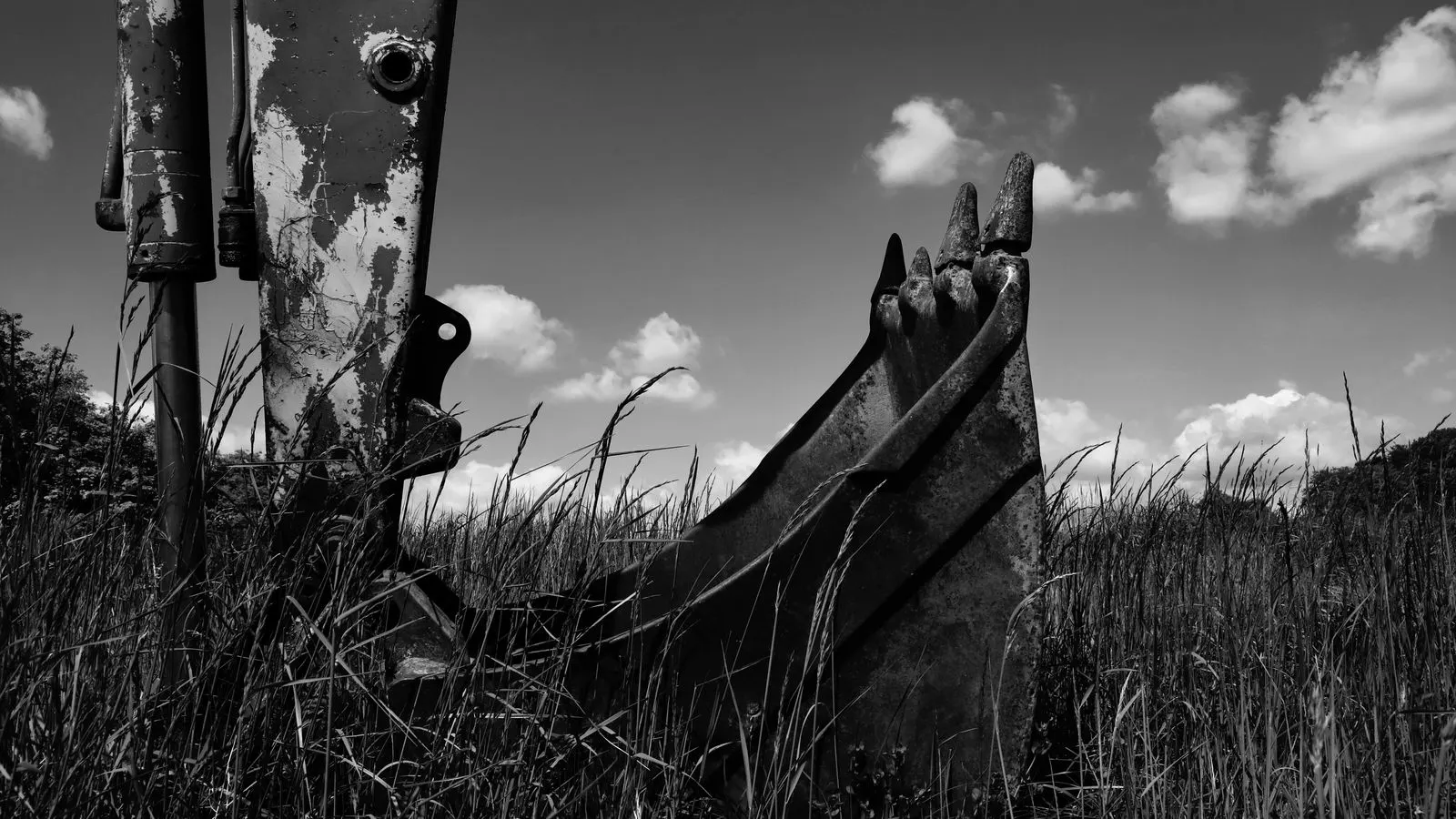
Tooth design is the first variable to evaluate. Rock buckets typically feature a toothed edge rather than a smooth cutting edge. The number, angle, and material of these teeth determine the penetration and retention of the material.
For hard rock, fewer and thicker teeth are generally preferred. These configurations concentrate the hydraulic force on a smaller surface area, increasing the cutting edge pressure. The angle of the tooth relative to the bucket wall also matters. Steeper angles improve penetration but can increase the risk of tooth fracture if the rock is extremely brittle. A shallow angle may slide across the rock face, causing the teeth to wear down rapidly rather than biting into the material.
Consider the following tooth configurations:
- Heavy-Duty Toothed Bucket: Features four to six large, thick teeth. Best for hard, unfractured rock.
- Medium-Duty Toothed Bucket: Features more teeth with slightly thinner profiles. Suitable for fractured rock or medium-hard material.
- General-Purpose Bucket: Lacks dedicated teeth. Only suitable for soft rock or highly fractured material.
The tooth material itself is a separate decision point. Hardened steel is standard, but some applications require insertable carbide tips or replaceable edge bars. These components add cost but significantly extend the service interval before the bucket must be rebuilt. Carbide tips, for instance, are often used in highly abrasive environments where steel teeth would wear down in hours. The root of the tooth must also be strong enough to withstand the bending moment created by the hydraulic cylinder. If the root is too thin, the tooth will snap off, leaving a jagged edge that further compromises the bucket’s ability to dig cleanly.
Evaluating Edge Wear Resistance
The edge bar, or cutting edge, is the component that takes the most direct impact from rock. In high-abrasion environments, the edge bar wears or chips before the tooth structure fails. Evaluating the edge bar requires looking at the material hardness, the attachment method, and the replaceability of the part.
A welded edge bar is common but permanent. If it chips, the entire bucket may need to be sent for grinding and re-hardening. A replaceable edge bar or insert system allows the operator to swap out the worn part without replacing the whole bucket. This approach reduces downtime and labor costs. For a machine operating in a quarry, being able to replace a single edge bar in twenty minutes is far more efficient than taking the entire bucket off the machine for a two-day shop visit.
When evaluating a specific edge bar, check the material specification. Look for details on the heat treatment process and the hardness rating of the steel or carbide insert. The edge should be designed to withstand repeated impact loads without cracking. A properly designed edge bar will have a slight radius at the tip to distribute stress and prevent immediate fracture. The radius helps the edge skip over small inclusions in the rock rather than catching on them, which would otherwise cause a sharp crack to propagate through the insert.
Hydraulic Power and Bucket Capacity
A bucket is only as effective as the hydraulic system driving it. Rock digging requires high force to penetrate the material. The excavator’s hydraulic pump and valves must supply sufficient flow and pressure to operate the bucket at the desired rate. If the pump cannot maintain pressure under the high load of rock digging, the bucket will stall, causing the hydraulic seals to overheat and fail.
When selecting a hydraulic bucket, check the manufacturer’s specified maximum bucket capacity. This is the weight of the material the bucket can hold when full. Rock is significantly denser than soil or gravel, so a bucket sized for soil may be underpowered when filled with rock. A bucket with a one-metre capacity might handle topsoil easily but struggle with a load of dense granite. The hydraulic system must be capable of lifting the fully loaded bucket without exceeding the machine’s rated operating weight.
The hydraulic connection type also plays a role. Quick-connect couplers are convenient for changing attachments, but they must be rated for the high pressures involved in rock digging. Standard quick-connect couplers may leak or fail under the sustained high-load conditions of rock excavation. Verify that the coupler and hose assembly are rated for the specific pressure and flow requirements of the job. A leak at the coupler can lead to a loss of hydraulic pressure, which may cause the bucket to drop unexpectedly or fail to lift the rock load. This not only stops work but also creates a safety hazard for the operator and ground crew.
Structural Integrity and Material Specification
The body of the bucket must be thick enough to handle the stress of rock impacts. Thicker plate steel increases durability but adds weight, which affects the machine’s operating cycle and fuel consumption. Heavier buckets require more hydraulic power to lift and swing, reducing the number of cycles per hour. This trade-off must be managed carefully. A bucket that is too heavy will slow down the machine, while one that is too light will wear out quickly.
Evaluate the plate thickness at the critical stress points: the toe, the sides, and the connection points to the boom. These areas experience the highest bending and impact forces. Look for specifications on the steel grade and whether the body is pre-hardened or heat-treated. Higher-grade steel, such as low-alloy carbon steel, provides better toughness and impact resistance than standard structural steel. The connection points must be reinforced with gussets or thicker plates to prevent fatigue cracking. Fatigue cracks often start at the welds where the bucket attaches to the boom, especially in machines that perform repetitive digging cycles.
Reinforcement ribs are another indicator of structural design. Buckets designed for rock work often include internal or external ribs that increase the rigidity of the side plates. These ribs help prevent the sides from bowing outward under the weight of the rock. Bowing sides can cause the bucket to bind in the rock face, making it difficult to pull the bucket free. This binding increases the hydraulic load and can lead to seal damage.
Cost and Lead Time Considerations
The initial purchase price of a hydraulic bucket is only one part of the total cost. The long-term cost depends on the service interval and the labor required for maintenance. A more expensive bucket with a replaceable edge and heavy-duty teeth may cost more upfront but last longer in rock applications. The total cost of ownership includes the purchase price, the cost of edge replacements, the labor for maintenance, and the cost of downtime.
Lead time is another factor. Specialized rock buckets with custom edge inserts may have longer production times than standard models. Plan for delivery times when scheduling excavation projects. If the machine will be idle while waiting for parts, the cost of downtime can exceed the cost of the attachment itself. For a quarry operating twenty-four hours a day, a one-day delay in bucket replacement can result in lost production that far outweighs the price of the bucket.
When comparing options, request a total cost of ownership estimate. This should include the purchase price, edge replacement costs, labor for re-sharpening or re-hardening, and the expected number of digging cycles before major service is required. The estimate should also account for the expected life of the hydraulic seals, which are often the first component to fail in rock applications.
Decision Checklist for Bucket Selection
Before finalizing a purchase, run the attachment through this checklist. This process helps identify mismatches between the bucket and the specific requirements of the rock digging job.
| Criterion | What to look for | Why it matters |
|---|---|---|
| Tooth Geometry | Thick, heavy-duty teeth with steep angles | Concentrates force for penetration in hard rock |
| Edge Material | Replaceable carbide or hardened steel inserts | Extends service life and reduces replacement costs |
| Plate Thickness | Thickened steel at toe and connection points | Prevents bowing and structural failure under load |
| Hydraulic Rating | Matches excavator flow and pressure specs | Ensures adequate digging force and cycle speed |
| Coupler Type | High-pressure rated quick-connect coupler | Prevents leaks and failures under sustained load |
| Service Interval | Estimated digging cycles before edge wear | Determines long-term operating cost and downtime |
Review each criterion against the specific rock type and machine class. If the bucket does not meet the requirements for the edge material or hydraulic rating, it will likely fail prematurely or cause damage to the excavator’s hydraulic system. A mismatch in hydraulic rating can lead to overloading of the pump and valves, which can result in costly repairs to the machine itself.
Common Mistakes in Rock Bucket Selection
Many buyers make the same errors when selecting hydraulic buckets for rock. The most common mistake is choosing a bucket based solely on capacity. A large bucket may look appealing on paper, but if the hydraulic system cannot support the weight, the machine will struggle to dig effectively. The operator will find that the bucket fills slowly or that the machine cannot lift the load to the dumping height. This reduces the productivity of the machine and increases fuel consumption.
Another frequent error is neglecting the edge bar design. A bucket with a poor edge profile will chip quickly, leading to frequent and costly repairs. Always ask for details on the edge bar material and replacement method before purchasing. A bucket with a welded edge bar may be cheaper to buy but more expensive to maintain. The operator will have to take the bucket off the machine and send it to a shop for grinding and re-hardening, which can take days or weeks.
Finally, do not assume that a general-purpose bucket will perform adequately in rock. The geometry and material specifications are too different to expect reliable performance. Matching the bucket to the specific demands of rock digging is the only way to ensure durability and efficiency. A general-purpose bucket may work for the first few days, but as the edge wears down, the bucket will struggle to penetrate the rock. This leads to increased hydraulic load, seal damage, and eventual failure of the bucket itself.
Frequently asked questions
How do I know if my excavator can handle a heavy rock bucket?
Check the excavator's hydraulic system specifications for flow and pressure. The bucket's required hydraulic pressure and flow must not exceed the machine's capabilities to ensure effective digging without damaging the system.
What is the difference between a toothed bucket and a general-purpose bucket for rock?
A toothed bucket features thick, hardened teeth designed to concentrate cutting force, making it suitable for hard rock. A general-purpose bucket has a smooth edge and is designed for softer materials, making it less effective and less durable in rock applications.
Should I choose a replaceable edge bar or a welded edge bar?
A replaceable edge bar is generally better for rock digging because it allows for cheaper and faster maintenance. If the edge wears out, you can swap the part without replacing the entire bucket, reducing downtime and long-term costs.
How often do rock buckets need maintenance?
The frequency depends on the rock hardness and the specific bucket design. Regular inspection of the teeth and edge bar is recommended. Heavy-duty buckets with replaceable edges may last significantly longer before major service is needed.
Can I use a standard quick-connect coupler for a rock digging bucket?
Standard quick-connect couplers may not be rated for the high pressures and sustained loads of rock digging. Use couplers and hoses specifically rated for the hydraulic pressures and flow rates required by the application to prevent leaks and failures.