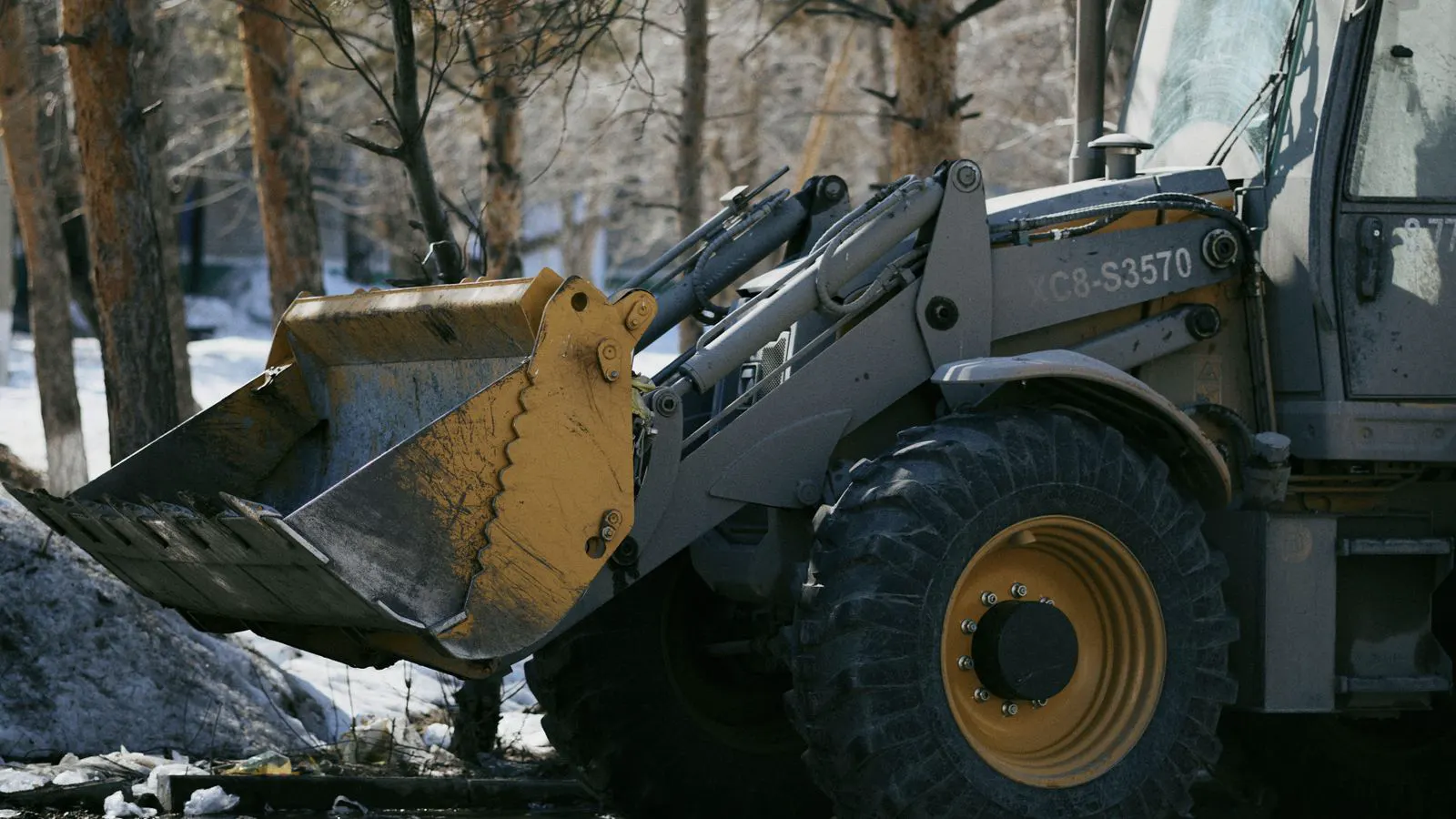
Comparison: Open vs Closed Gravel Buckets
Open gravel buckets offer faster material flow and easier cleaning, while closed buckets provide better retention and reduced spillage. The right choice depends on your soil type, loading cycle, and tolerance for spillage.
- Open buckets handle loose, dry material with faster cycle times but spill more during transport.
- Closed buckets retain finer material and reduce spillage, making them better for wet or cohesive soils.
- Wear patterns differ significantly between the two designs, affecting replacement frequency and maintenance costs.
- Matching the bucket design to your primary material type prevents premature wear and improves productivity.
- Hybrid designs with adjustable lips can balance flow rate and retention for mixed material conditions.
Structural Differences Between Open and Closed Gravel Buckets
The fundamental divide between open and closed gravel buckets comes down to how much of the material stays inside the scoop during the lifting and transport phase. An open bucket has a wide, unobstructed opening at the bottom, allowing material to drop freely once the arm is raised. A closed bucket features a solid or near-solid base plate, forming a complete container that holds the load until the operator releases it at the dump point.
The open design relies on gravity and the natural flow of loose material. When the bucket tilts back, the material slides out through the open bottom. This works well with dry, free-flowing gravel and sand. The closed design uses the weight of the material and the geometry of the scoop to hold it. The base plate prevents the material from falling out during the swing to the truck. This creates a more controlled dump, but it also means the material must be forced out by tilting or shaking the bucket.
These structural differences affect more than just material retention. They change how the bucket interacts with the ground during the cut, how wear distributes across the cutting edge, and what maintenance tasks are needed at the end of each shift. An operator working with an open bucket will notice a different feel at the bottom of the cut. The material shifts and settles differently, and the bucket may dig deeper or shallower depending on how much material is retained in the scoop.
When Open Buckets Perform Better
Open gravel buckets shine in applications where the material is dry, loose, and free-flowing. If you are loading dry gravel, crushed stone, or sand into a haul truck, the open design reduces cycle time. The material drops out quickly, and the bucket can be emptied with minimal effort. The operator does not need to tilt the bucket as far or shake it to release the load.
The open design also makes cleaning easier. At the end of the day, an operator can walk around the bucket and remove any material that stuck to the sides or teeth. There is no enclosed base to trap moisture or fine particles. This reduces the chance of material buildup in areas that are hard to reach with a broom or air compressor.
The cutting edge on an open bucket tends to wear in a predictable pattern. The material flows over the teeth, and wear concentrates on the front edge. This makes it easier to monitor wear by measuring the thickness of the cutting edge and replacing it before it becomes too thin. The open design also allows the operator to see the material inside the bucket. If the load is uneven or the bucket is not cutting properly, the operator can adjust the angle in real time.
Open buckets are also lighter. Without a solid base plate, the bucket weighs less, which reduces the load on the hydraulic cylinders and the loader or excavator arm. This can extend the life of the hydraulic components, especially on machines that operate for extended periods.
When Closed Buckets Perform Better
Closed gravel buckets are the better choice when the material is wet, cohesive, or contains fines. If you are working with damp gravel, clay-rich soil, or a mix of rock and sand, the open design will let material spill out before the load reaches the truck. The base plate on a closed bucket holds the material together, ensuring that the full load is delivered to the destination.
The closed design also reduces spillage during the swing. When the operator moves the bucket from the cut to the truck, material can fall out of an open bucket, especially if the machine is turning quickly or the ground is uneven. A closed bucket prevents this loss, which can be significant over a full day of operation.
Wear on a closed bucket is distributed differently. The base plate takes the brunt of the impact when material is dumped. The cutting edge still wears, but the base plate can be replaced independently of the teeth. This modular approach can reduce the cost of maintenance. In some cases, the base plate wears out before the cutting edge, so the operator can replace just the base and continue using the bucket.
Closed buckets also handle mixed material better. If the material contains both coarse gravel and fine sand, the open design will let the sand drop out through the bottom while the gravel stays in the scoop. The closed bucket holds both sizes together, ensuring that the truck receives the intended mix. This is particularly useful in applications where the material specification is tight, such as road base preparation or concrete production.
Comparison Table
| Option | Best for | Limitations |
|---|---|---|
| Open gravel bucket | Dry, free-flowing material such as sand, crushed stone, or dry gravel | Spills material during transport and swing; harder to handle wet or cohesive material |
| Closed gravel bucket | Wet, cohesive, or mixed material such as damp gravel, clay-rich soil, or road base | Slower cycle time; base plate wears and may need replacement; heavier on hydraulic system |
| Hybrid bucket with adjustable lip | Mixed conditions where material type changes throughout the season | More complex to maintain; adjustable lip can jam if not cleaned regularly; may not perform as well as dedicated open or closed buckets in extreme conditions |
| Rubber-coated closed bucket | Softer material such as topsoil, compost, or demolition rubble | Rubber wears faster than steel in abrasive conditions; not suitable for hard rock or high-impact digging |
| Steel closed bucket with reinforced base | Heavy-duty applications with abrasive material such as quarry gravel or construction waste | Heavier weight; higher initial cost; base plate replacement can be labor-intensive |
Matching the Bucket to Your Material
The best bucket design depends on your primary material. If your job site is dominated by dry, loose gravel, an open bucket will give you the fastest cycle times and the simplest maintenance. If you are working with wet clay or a mix of rock and fines, a closed bucket will reduce spillage and give you a cleaner load in the truck.
Consider the loading cycle. If you are making short trips to a nearby truck, spillage from an open bucket may not be a major issue. If you are loading a long-haul truck or a concrete plant, the lost material adds up quickly, and a closed bucket becomes more cost-effective. The value of the material also matters. If you are moving low-value fill dirt, the cost of spillage is minimal. If you are loading premium aggregate, every ton that spills out is a direct loss.
The machine itself affects the decision. A larger excavator or loader with stronger hydraulics can handle the extra weight of a closed bucket without significant impact on performance. A smaller machine may struggle with the added weight, leading to slower cycles and increased wear on the cylinders. If you operate a compact machine, an open bucket may be the more practical choice.
Wear and Maintenance Considerations
Wear patterns differ between open and closed buckets, and understanding these patterns helps you plan for maintenance. On an open bucket, the cutting edge wears first. The material flows over the teeth, and the front edge takes the abrasive impact. When the edge becomes too thin, it dulls, and the bucket stops cutting efficiently. Replacing the cutting edge is a straightforward task, often done with a bolted-on insert.
On a closed bucket, the base plate wears from the dumping impact. Each time the material is dumped, the base plate takes a hit. Over time, the plate thins and eventually becomes too weak to hold the load. This can lead to spillage from the bottom of the bucket, even though the cutting edge is still in good shape. Replacing the base plate requires more labor than replacing a cutting edge, as the plate is often welded to the bucket body.
Both designs need regular inspection of the cutting edge and the teeth. Check for cracks, especially at the weld points. A cracked tooth can break during digging and embed itself in the material, causing further damage. Clean the bucket at the end of each shift to remove material buildup. Buildup on the teeth changes the digging angle and can cause the bucket to plow rather than cut.
Hydraulic considerations also matter. A closed bucket is heavier, which increases the load on the hydraulic cylinders during the lift and swing. If your machine’s cylinders are already showing signs of wear, adding the weight of a closed bucket may accelerate the problem. Conversely, an open bucket is lighter, which can reduce cylinder load and extend their service life.
Practical Selection Criteria
Start by identifying the primary material you will be handling. If the material is dry and free-flowing, lean toward an open bucket. If it is wet, cohesive, or mixed, lean toward a closed bucket. Next, consider the loading distance. Short trips make open buckets more viable. Long trips or precise loading make closed buckets more valuable.
Evaluate your machine’s capabilities. A larger machine with strong hydraulics can handle a closed bucket without issue. A smaller machine may need the lighter open design. Check your maintenance resources. If you have the ability to replace base plates and cutting edges quickly, a closed bucket is easier to keep in service. If maintenance is limited to on-site adjustments, an open bucket may be more practical.
Finally, consider the cost of spillage. If you are moving material that has a market value, the loss from open bucket spillage can outweigh the speed advantage. If you are moving low-value fill or waste, the speed of the open bucket may be more important than the retention of every ton.
Final Thoughts
Open and closed gravel buckets serve different purposes, and the best choice depends on your material, loading cycle, and maintenance resources. Open buckets are faster and lighter, making them ideal for dry, loose material and short loading cycles. Closed buckets retain material better, reducing spillage and making them better suited for wet, cohesive, or mixed materials.
There is no universal winner. The right bucket is the one that matches your primary material and operating conditions. If your job site conditions change significantly, you may find that a hybrid design or a set of two buckets, one open and one closed, gives you the flexibility to handle different phases of the project. Monitor wear closely, regardless of the design you choose. A well-maintained bucket, whether open or closed, will outlast a neglected one by a significant margin.
Frequently asked questions
Can I use an open bucket for wet gravel?
You can, but spillage will be significant. The open bottom allows water and fines to drop out during the swing and lift, reducing the effective load and increasing the number of trips needed.
How does a closed bucket affect cycle time?
A closed bucket is slower because the material must be forced out by tilting or shaking the bucket. The cycle time increases, but the load delivered to the truck is more complete and consistent.
Which bucket type is easier to maintain?
Open buckets are generally easier to maintain because there is no enclosed base to trap material or wear independently. The cutting edge is the primary wear component, and it is straightforward to replace.
Can I switch between open and closed buckets on the same machine?
Yes, many operators keep both types of buckets on hand and swap them based on the material they are handling. The quick-connect system makes this changeover relatively quick, though it does add downtime.
Does the weight of a closed bucket damage the hydraulic cylinders?
The additional weight increases the load on the cylinders, but it will not damage them if the machine is rated for the bucket's weight and capacity. The cylinders will experience more stress, which may shorten their service life.