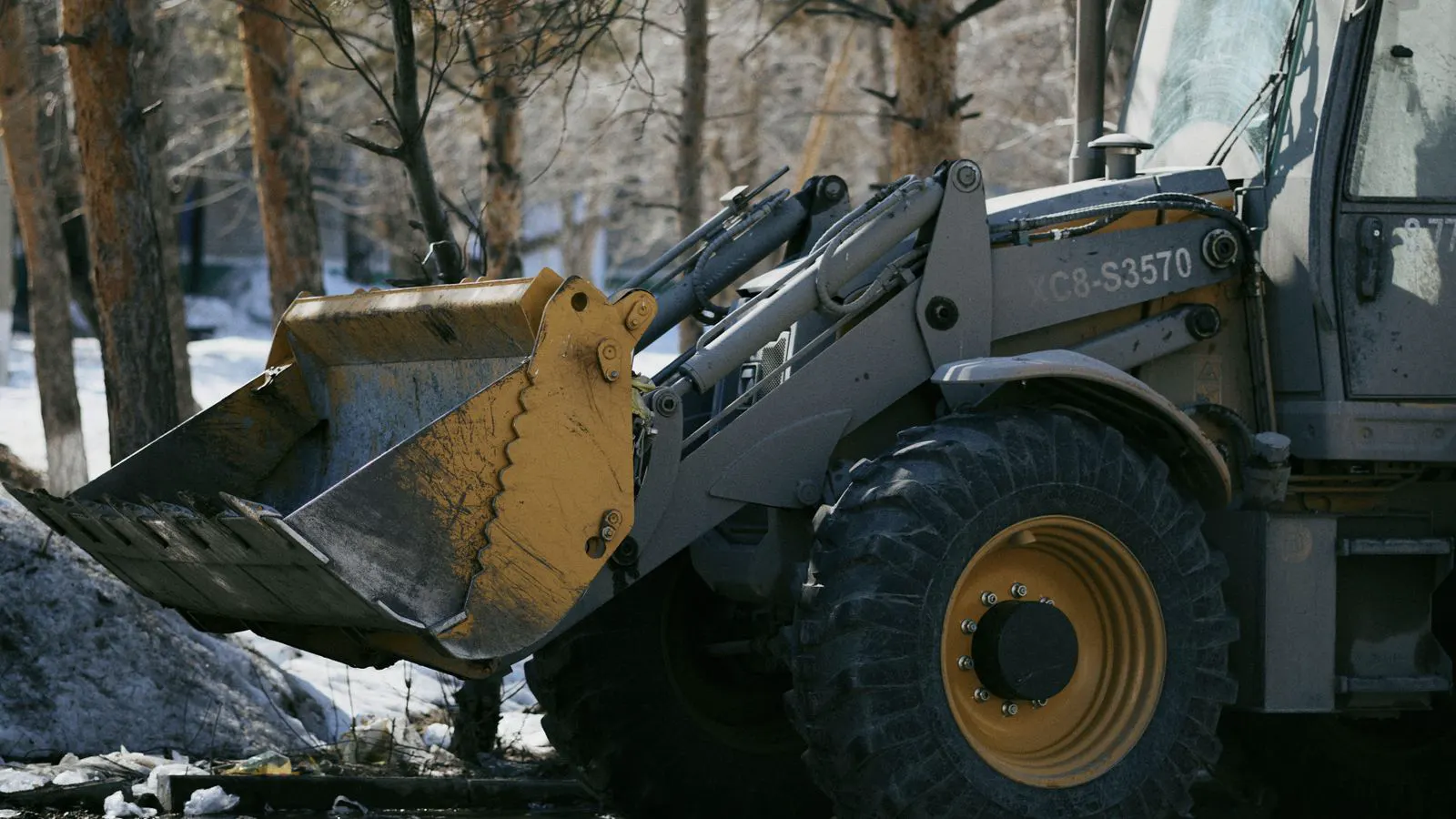
How to Fit Quick-Connect Buckets on Excavators
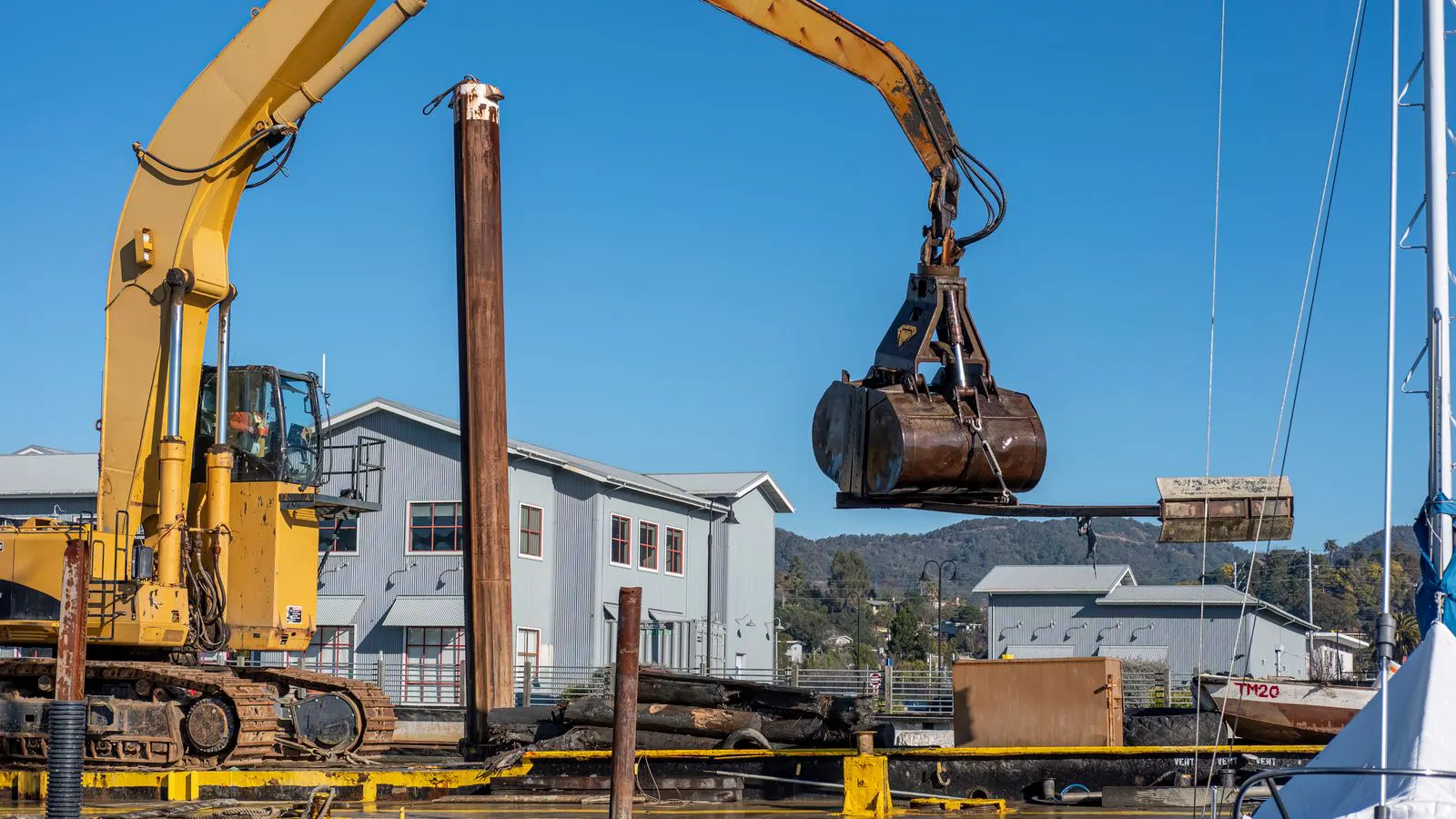
To fit quick-connect buckets on excavators, ensure the machine is safe, the coupler is clean, and the bucket is aligned. Attach the bucket by lowering the boom, engaging the latches, and verifying the connection before lifting.
- Verify the quick connect coupler is clean and the latches are free before installation.
- Lower the boom and arm to ground level to stabilize the machine before attaching the bucket.
- Engage the bucket latches fully and confirm the connection is secure before lifting the load.
- Inspect the bucket and coupler for damage or debris after each installation to maintain safety.
- Always follow the manufacturer’s load limits and operating manual for safe attachment procedures.
Before You Start: What You Need
Before fitting any machine attachments, you must ensure the work area is safe and the equipment is ready. Quick connect couplers are designed for speed, but they still require careful handling to prevent accidents. The reader must have a clear understanding of the excavator’s operating manual and the specific quick connect system being used.
- PPE and Area Check: Put on high-visibility clothing, steel-toe boots, and hearing protection if needed. Clear the area of personnel and obstacles.
- Machine Preparation: Park the excavator on level ground, lower the bucket to the ground, and engage the parking brake.
- Tools: Have a cleaning brush, rag, and a small pry bar available. These are often needed to remove dirt or debris from the latch mechanisms.
Step 1: Inspect the Quick Connect Coupler
Start by examining the quick connect coupler on the excavator. Look for cracks, bent pins, or worn latch surfaces. Dirt and debris can prevent the latches from engaging properly, which is a leading cause of accidental detachment. Use a brush to clean the latch area and the mating surface of the coupler.
Reason: A clean and undamaged coupler ensures a secure mechanical lock, reducing the risk of the bucket coming loose during operation.
Step 2: Inspect the Bucket
Move to the bucket you intend to attach. Check the mounting plates, pins, and the latch mechanism on the bucket side. Look for bent pins, missing washers, or cracked plates. Clean the bucket’s mating surface just as you did the coupler.
Reason: The bucket and coupler must mate perfectly. Any damage or debris on either side can prevent the latches from locking, leading to a dangerous failure.
Step 3: Lower the Boom and Arm
Lower the excavator’s boom and arm so that the quick connect coupler is at a height where you can safely access the latch area. Do not lower it all the way to the ground if it makes access difficult. The goal is to have a stable, controlled position.
Reason: A lower position reduces the load on the hydraulic system and makes it easier to align the bucket with the coupler latches. It also keeps the operator in a safer position relative to the heavy bucket.
Step 4: Align the Bucket
Approach the bucket to the coupler from the correct angle. Most quick connect systems require the bucket to be aligned so that the latch pins on the bucket slide into the latch housings on the coupler. Look for alignment marks or guides if your machine has them.
Reason: Proper alignment ensures that the latches engage smoothly. Forcing the bucket at an awkward angle can bend pins or damage the latch mechanisms.
Step 5: Engage the Latches
Once the bucket is aligned, push it forward or pull it back, depending on your machine’s design, to engage the latches. You should feel resistance and then a distinct click or ratchet sound as the latches lock. Some systems have a lever or lever-like action on the bucket side that you must pull to release the latches after attachment.
Reason: The latches are the primary safety feature of a quick connect system. They must be fully engaged to hold the bucket securely under load.
Step 6: Verify the Connection
Before lifting, perform a physical check. Try to pull or push the bucket to test the latches. You should feel no movement. If there is any play or if the latches do not feel fully seated, stop and re-check the alignment.
Reason: This step catches any missed engagement or misalignment before the bucket is under load. It is a critical safety verification.
Step 7: Lift the Bucket
Slowly raise the boom and arm to lift the bucket off the ground. Observe the machine’s response. The bucket should lift smoothly without any jerking or shifting.
Reason: Lifting slowly allows you to monitor the connection under load. A sudden lift can reveal a weak or incomplete latch engagement.
Common Mistakes to Avoid
- Ignoring Debris: Assuming the coupler is clean when it is not. Always brush off the latch area.
- Forcing the Alignment: Pushing the bucket in at an angle instead of aligning it properly. This can damage the pins.
- Skipping the Verification Step: Lifting the bucket without checking that the latches are fully engaged.
- Using a Damaged Coupler: Continuing to use a coupler with bent pins or cracked plates. This is a serious safety hazard.
Final Verification and Maintenance
After attaching the bucket, perform a final check. Inspect the latches and pins for any signs of stress or damage. Keep a maintenance log for each quick connect system, noting the date, operator, and any issues found. Regular maintenance, such as lubricating the latch mechanisms and replacing worn parts, extends the life of the coupler and ensures safe operation.
| Component | Inspection Point | Action if Defective |
|---|---|---|
| Quick Connect Coupler | Latch pins, housing cracks, debris | Clean, repair, or replace |
| Bucket | Mounting plates, pins, latch area | Clean, repair, or replace |
| Latches | Engagement sound, physical movement | Re-align or replace |
| Hydraulic Lines | Leaks, wear, proper routing | Inspect and repair |
Conclusion
Fitting quick connect buckets on excavators is a routine task when done correctly. By following the steps outlined above, you can ensure that your machine attachments are secure and safe for operation. Always prioritize safety over speed, and never skip the verification steps. A well-maintained quick connect system not only saves time but also protects the operator and the equipment from potential damage.
Frequently asked questions
How often should I inspect the quick connect coupler?
Inspect the coupler before every use and after any heavy lifting or impact. Look for wear, cracks, and debris in the latch area.
Can I attach a bucket without lowering the boom?
It is not recommended. Lowering the boom and arm to a stable position makes alignment easier and reduces the risk of injury or damage.
What if the latches do not click when I attach the bucket?
Do not lift the bucket. Re-check the alignment, clean the latch area, and ensure the latches are fully engaged before proceeding.
Are all quick connect systems the same?
No. Different manufacturers use different latch designs and engagement mechanisms. Always refer to the specific operating manual for your machine and coupler.
How do I know if the bucket is securely attached?
Perform a physical check by trying to move the bucket after latching. There should be no play. Then, lift the bucket slowly and monitor for any shifting.