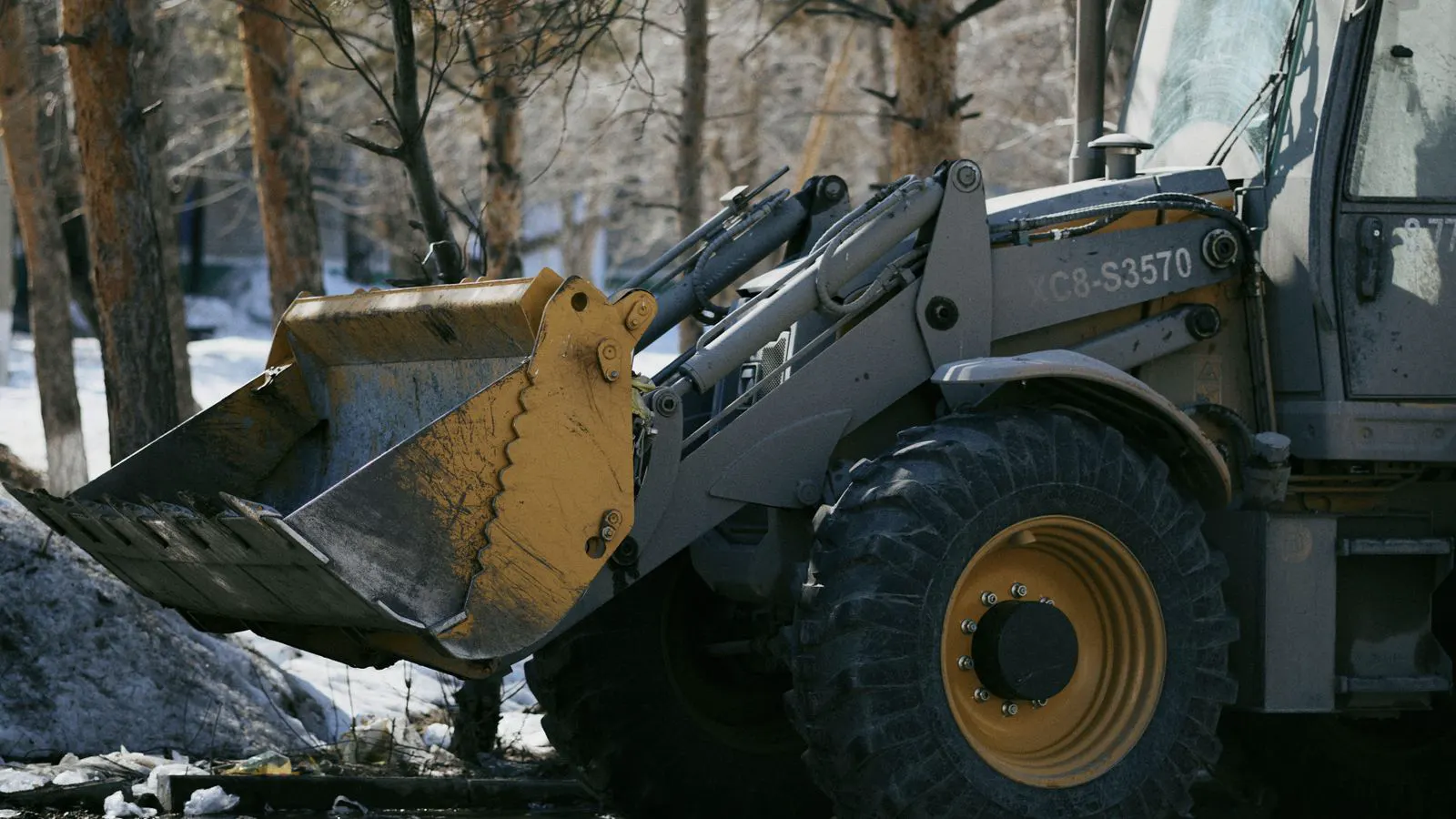
Troubleshooting Slow Digging Performance on Load Haulers
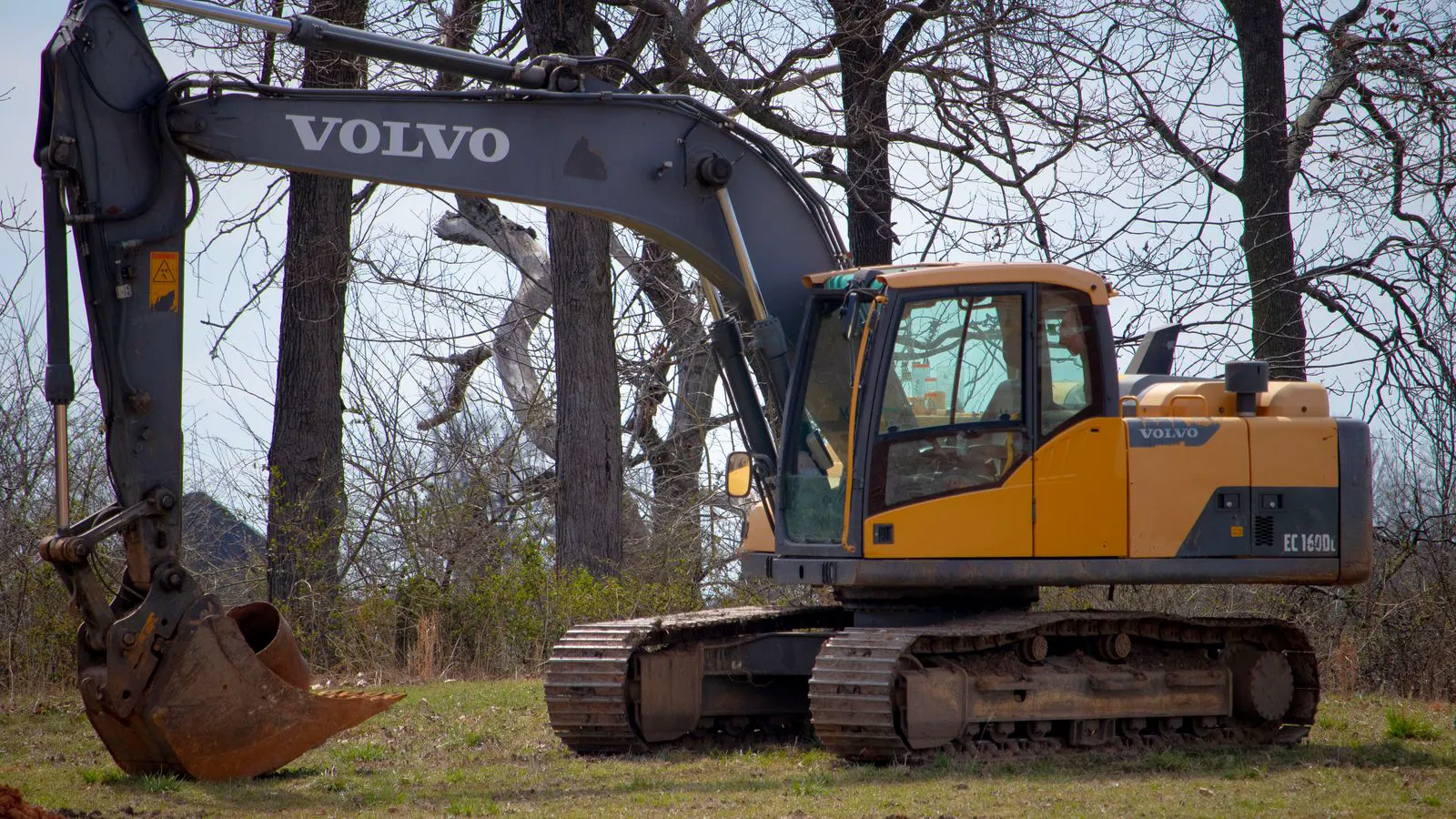
Slow digging on load haulers usually traces to low hydraulic flow, worn cylinders, or incorrect bucket geometry. Check the pump, hoses, and linkage. Apply targeted equipment upgrades to restore digging power and reduce cycle times across the fleet.
- Inspect hydraulic flow rates before blaming the engine or operator habits.
- Check cylinder seals, hose condition, and quick-connect fittings for pressure loss.
- Match bucket tooth length and angle to the soil type to restore digging power.
- Use equipment upgrades such as flow control valves and reinforced hoses to stabilize performance.
- Keep a maintenance log to track wear patterns and plan preventive parts swaps.
Slow digging performance on load haulers often starts with a quiet failure in the hydraulic system. The bucket moves, but it lacks the punch needed to break through hard ground. Operators may slow their swing cycles to compensate, which extends the whole haul loop. This guide walks through the mechanical and hydraulic causes behind that loss of speed.
Identify the Symptoms Before Replacing Parts
Before ordering new components, map out exactly what the machine is doing wrong. Operators often describe slow digging in vague terms. They say the bucket feels weak, or the swing is sluggish. Those descriptions are useful, but they do not tell you where the fault lies.
Look for specific patterns. Does the bucket drop slowly when the machine is in a loaded position? Does it struggle to break soil but recover once the bucket is empty? Note the conditions. Soil type, machine temperature, and load state all change the hydraulic demand. A machine that digs fast in soft mud but crawls in dry clay may have a different problem than one that slows down after a full hour of operation.
Write down the symptoms. If the left cylinder lags the right, the issue is localized. If both cylinders drop pressure at the same time, the pump or main supply line is likely involved. Keep a simple log. It helps you spot trends over time and gives the service technician a clear starting point.
Check Hydraulic Flow and System Pressure
Hydraulic flow is the engine of digging. Without enough fluid moving through the cylinders at the right speed, the bucket cannot generate the force needed to cut into the ground. Slow digging is frequently a flow problem, not a power problem.
Start with the hydraulic pump. Check the drive shaft coupling and the pump shaft seal. If the coupling is worn, the pump may slip under load. The engine is turning, but the pump is not reaching its rated output. Replace the coupling and inspect the pump shaft for scoring.
Next, check the main supply hose and the return hose. A kinked return hose creates back pressure. The pump works harder, but the flow rate drops. Look for crushed sections, worn fittings, and loose clamps. A small restriction in a hose can reduce flow by a significant margin.
Use a flow meter if available. Connect it in line with the pump output. Compare the reading to the machine specification. If the flow is low, the pump is worn or the system is starved. If the flow is normal but the bucket still moves slowly, the problem is downstream, likely in the cylinders or the control valves.
Inspect Cylinders, Seals, and Quick-Connect Fittings
Hydraulic cylinders convert pressure into linear motion. Worn seals allow fluid to leak past the piston. The cylinder still moves, but it loses pressure and speed. This is a common cause of slow digging, especially on machines that have seen heavy use.
Check the cylinder rods for pitting and scoring. Look for weeping at the gland area. If you see oil on the rod, the seal is failing. Replace the seal kit and inspect the rod surface. If the rod is deeply scored, the cylinder may need rechroming or replacement.
Inspect the quick-connect fittings if your machine uses them. A worn bushing in a quick-connect allows a small but steady leak. The system pressure drops, and the cylinder speed falls. A 5 percent leak may seem minor, but over a full day of digging, it adds up.
Check the cylinder pin joints. If the pins are loose or the bushings are worn, the bucket linkage geometry changes. The bucket may not reach its full digging angle. The operator compensates by slowing the swing, which reduces overall cycle time. Tighten the pins and replace the bushings as needed.
Review Bucket Geometry and Tooth Condition
The bucket is the cutting edge. If the teeth are worn or the bucket angle is incorrect, the machine cannot break soil efficiently. Operators sometimes blame the hydraulics when the real issue is a dull bucket.
Check the tooth length. A tooth that is shorter than the tooth retention pin will not cut properly. The bucket slides over the soil instead of biting into it. Replace the teeth and ensure they are seated fully in the bucket.
Look at the bucket lip. A worn lip changes the digging angle. The bucket may push soil instead of cutting it. This is especially noticeable in cohesive soils like clay. The operator slows the swing to avoid tipping, which kills digging speed.
Consider the bucket profile. A standard straight bucket may not suit the soil type. A curved bucket can reduce the digging angle and improve breakaway force. If your site conditions have changed, a different bucket profile can restore digging power without any hydraulic changes.
Evaluate Engine Power and Transmission Settings
Sometimes the hydraulic system is fine, but the machine lacks the engine power to keep up. This is less common, but it does happen. Check the engine oil level and the fuel filter. A clogged fuel filter can restrict power delivery. The engine may run at the correct RPM but produce less torque.
Check the transmission settings. On some load haulers, the transmission can be set to different ranges. If the machine is in a low gear or a crawl mode, the hydraulic pump may not reach its full flow rate. Verify that the transmission is in the correct range for digging.
Inspect the engine cooling system. Overheating causes the engine to derate. The hydraulic pump slows down, and the bucket loses speed. Check the radiator fins for dirt and the coolant level. Clean the radiator and top up the coolant if needed.
If the engine is healthy but the machine still feels weak, check the hydraulic accumulator. Some systems use accumulators to store energy during high-demand cycles. If the accumulator is depleted or leaking, the pump cannot maintain peak flow. Replace the accumulator if the pressure gauge shows a drop during operation.
Apply Targeted Equipment Upgrades
Once you have identified the root cause, apply the right fix. Some problems need a part replacement. Others need a system upgrade. Equipment upgrades can restore digging power and extend the machine life.
Flow control valves are one of the most effective upgrades. They regulate the speed of the cylinders independently. If the left cylinder is slower than the right, a flow control valve can balance the speed. This reduces the need for the operator to compensate and improves cycle time.
Reinforced hoses are another strong upgrade. Standard hoses can kink or burst under high pressure. Reinforced hoses have a thicker braid and better resistance to abrasion. They maintain consistent flow and reduce the risk of sudden failure.
Consider a larger hydraulic pump if the machine is underpowered. A larger pump provides more flow at the same pressure. This increases the bucket speed and digging force. However, a larger pump requires more engine power. Verify that the engine can handle the added load before installing it.
Check the quick-connect bushings. Upgrading to a hardened steel bushing reduces wear and leak. This maintains system pressure and keeps the cylinder speed stable. It is a low-cost upgrade that can save a lot of digging time.
Prevention Tips to Maintain Digging Speed
Prevention is cheaper than repair. Build a routine that catches small issues before they become major problems.
Check the hydraulic fluid level and condition every morning. Low fluid or contaminated fluid damages the pump and seals. Top up the fluid and replace the filter according to the service schedule.
Inspect the hoses and fittings weekly. Look for cracks, leaks, and loose clamps. A small leak today becomes a major failure next week. Replace worn parts before they cause downtime.
Monitor the bucket teeth and lip. Check them after each shift. Replace worn teeth and the lip before they affect the digging angle. A sharp bucket cuts faster and requires less hydraulic pressure.
Keep a maintenance log. Record fluid changes, seal replacements, and tooth swaps. The log helps you spot wear patterns and plan preventive maintenance. It also gives the service technician a clear history of the machine.
Train the operators. Operators should be trained to recognize early signs of slow digging. They should report symptoms immediately and operate the machine within its designed limits. Avoid overloading the bucket and do not use the bucket as a breaker.
When to Call a Technician
Some issues are beyond the scope of field maintenance. If the hydraulic pump is internally worn, the cylinder rod is scored, or the transmission is slipping, a technician is needed. Do not try to diagnose complex hydraulic faults without the proper tools.
A technician can perform a full system test. They can check the pump output, the valve function, and the cylinder pressure. They can identify faults that are not visible to the eye. If the machine is still slow after basic checks, call for service.
Frequently asked questions
What is the first thing to check when a load hauler digs slowly?
Check the hydraulic flow rate and the condition of the main supply hose. Low flow or a restricted hose is the most common cause of slow bucket speed.
Can worn bucket teeth cause slow digging?
Yes. Worn teeth reduce the cutting angle and force. The bucket slides over the soil instead of breaking it, which slows the digging cycle.
Is a new hydraulic pump always the right fix for slow digging?
No. A pump replacement is only needed if the flow test shows the pump is underperforming. Check the hoses, cylinders, and valves first.
How often should I replace the hydraulic fluid?
Follow the manufacturer service schedule, but check the fluid condition weekly. Replace it if it looks dark, smells burnt, or contains water or metal particles.
Can equipment upgrades improve digging power on older machines?
Yes. Flow control valves, reinforced hoses, and larger pumps can restore performance. Match the upgrade to the specific fault you identified.