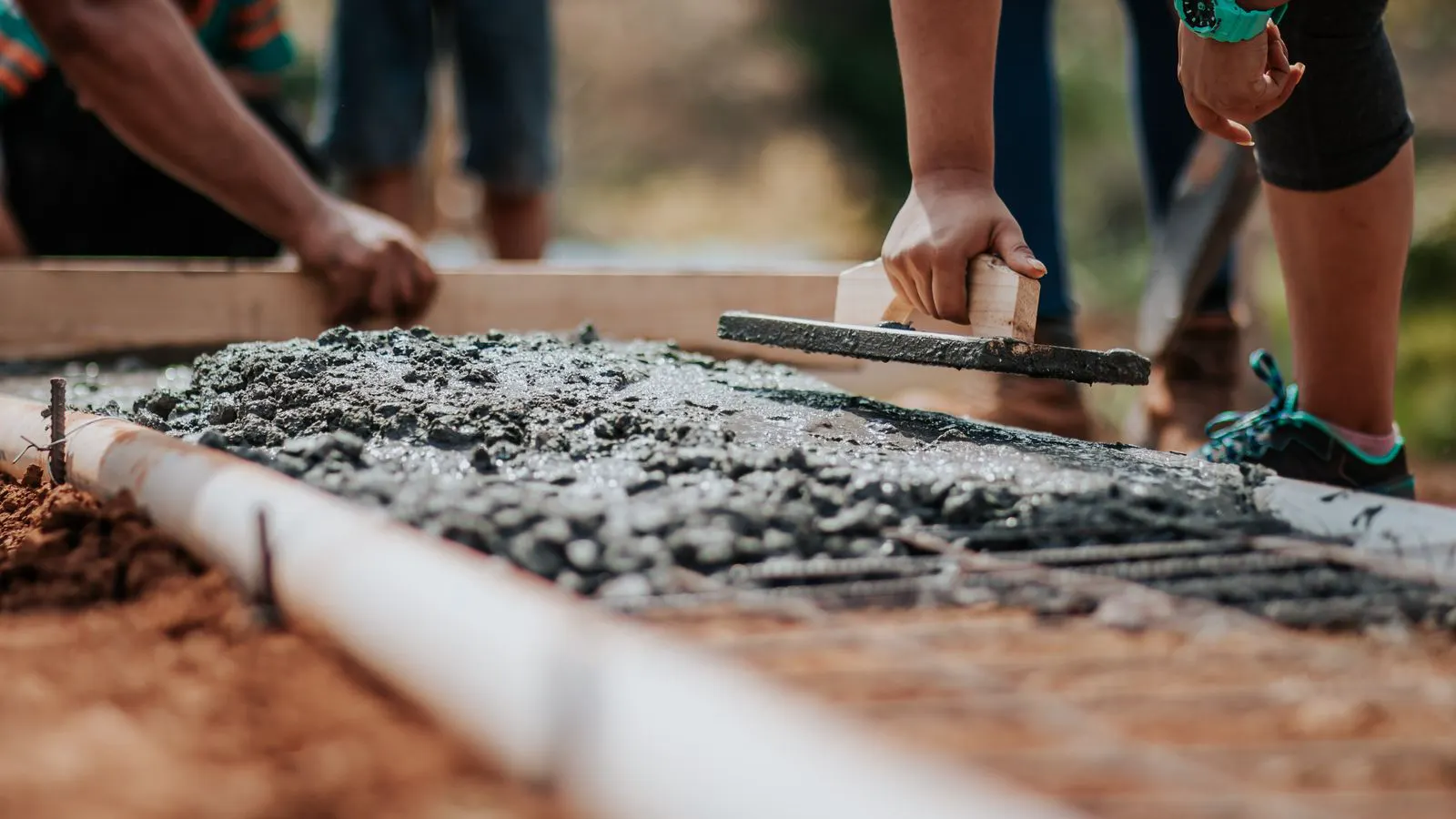
Comparison: Vibrating Tables vs. Internal Vibration for Slabs
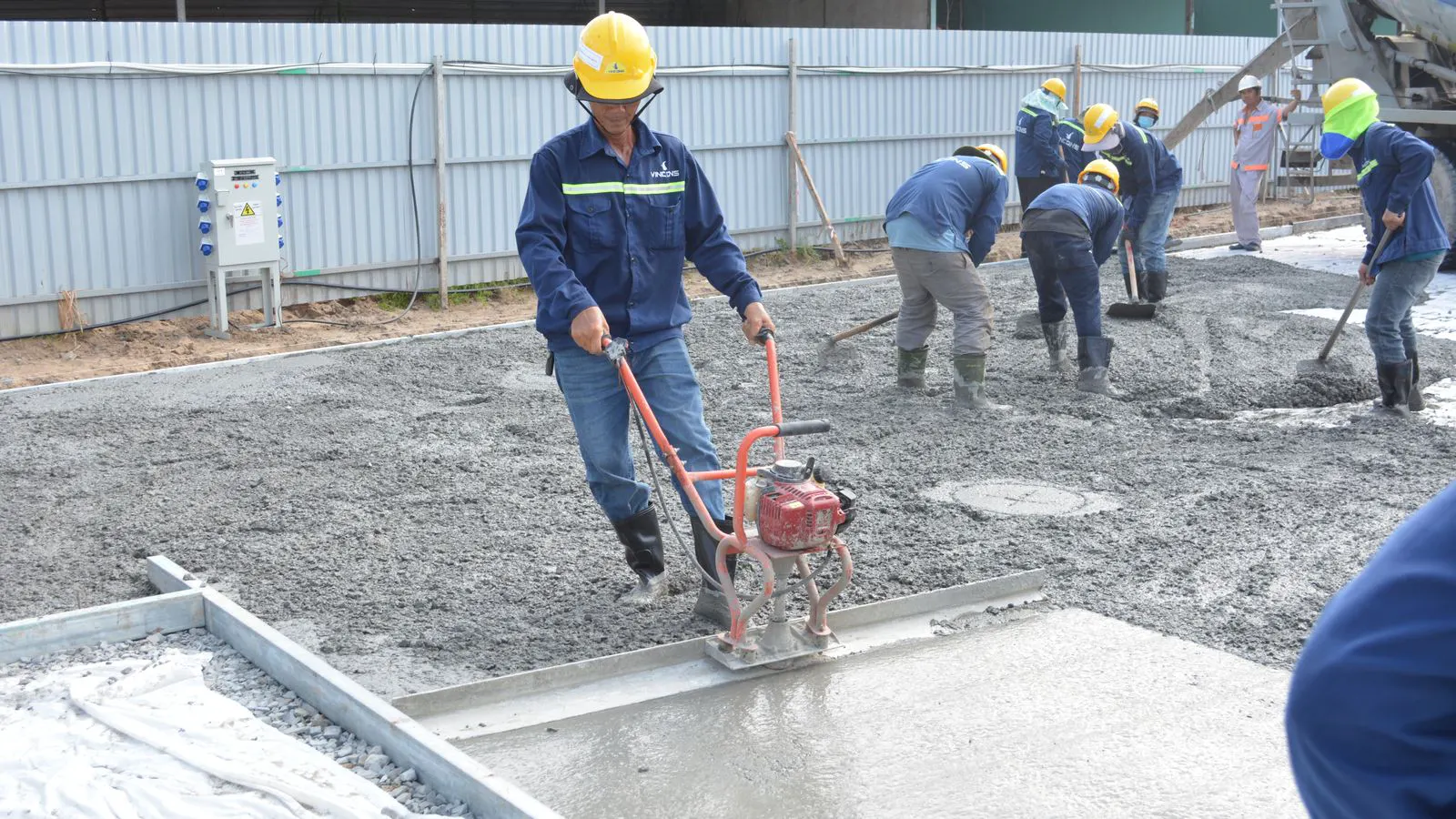
Vibrating tables and internal vibration offer different approaches to densifying concrete slabs. External tables suit thin slabs and speed up finishing, while internal vibration handles thicker sections and complex rebar. Choose vibration equipment based on slab thickness, rebar spacing, and crew efficiency.
- Vibrating tables are fast and effective for thin slabs, but they cannot reach deep into thick sections.
- Internal vibration handles thicker slabs and tight rebar, but requires more skilled placement.
- Slab thickness and rebar density are the primary factors when selecting vibration equipment.
- Combining both methods is common on complex projects to balance speed and quality.
- Proper technique matters as much as the method chosen to avoid honeycombing and surface defects.
How External and Internal Vibration Methods Differ
The choice between vibrating tables and internal vibration comes down to how energy reaches the concrete. External vibration equipment, such as tables, plates, and trowels, applies force to the surface. The vibration travels down through the wet mix and densifies the material from the top down. Internal vibration, usually in the form of immersion rods or needles, is inserted directly into the concrete. The energy source sits inside the mass, displacing air pockets and pulling the mix together from the center outward.
Both approaches are standard practice in slab construction. The difference lies in depth of penetration and how the crew works around the rebar. External methods require the operator to move across the surface, which creates a clear path for finishing. Internal methods require the operator to follow the placement sequence, inserting rods at regular intervals. The placement sequence itself affects the quality of the final surface.
What Slab Thickness Dictates
Thickness is the main constraint. Vibrating tables work well on slabs that are thin enough for the surface energy to reach the bottom. Typical thin slabs, often used for interior floors or parking areas, are suitable for table vibration. As the slab gets thicker, the energy dissipates before it reaches the lower layers. Internal vibration handles thicker sections because the rod tip contacts the dense material directly.
A common rule of thumb in the field is that slabs up to a certain depth can be handled with external equipment, while deeper sections require internal rods. The exact depth depends on the mix design. Stiffer mixes resist vibration and may need internal insertion even on thinner slabs. Fluid mixes are easier to densify externally but can be harder to control without segregation. Engineers specify the mix, but the operator decides the method based on the workability they see on site.
Rebar Spacing and Concrete Quality
Rebar spacing changes the decision. When bars are close together, internal vibration is often preferred. The rod can be placed between bars to ensure the concrete fills the gaps. External vibration can be difficult to apply in tight spaces. The table or plate may not reach the concrete between closely spaced bars. This creates areas of low density, often seen as honeycombing on formwork.
Concrete quality also matters. A well-mixed, properly watered batch is easier to densify with either method. Overwatered concrete separates as the cement and water rise to the surface, leaving the bottom weak. External vibration can bring this material up, but internal vibration keeps the mix more uniform during placement. Undermixed concrete is harder to densify at all. Both methods struggle if the mix is too stiff. In those cases, adding water on site to make the concrete more workable is a mistake that creates long-term problems.
Speed and Crew Efficiency
Vibrating tables are faster to move across a large area. An operator can cover a wide section in minutes. This speed is valuable on tight schedules. The crew can start finishing while the surface is still slightly wet, which reduces the time the slab is exposed to weather and foot traffic. Internal vibration is slower. The operator must insert the rod, hold it in place, and move to the next point. This process takes more time per square meter.
However, speed is not the only factor. A crew that uses internal vibration on a thick slab may finish faster than a crew that tries to use a table and has to patch honeycombing later. The cost of repair is higher than the cost of taking the extra time during placement. Crew size also matters. A large crew can place concrete quickly, but if the vibration method is mismatched, the placement rate drops. Matching the vibration equipment to the placement rate is a key part of planning.
Cost Considerations for Both Methods
The equipment cost is generally low for both methods. Vibrating tables and internal vibration rods are standard tools on most concrete sites. The difference in cost is usually in labor and time. Tables require fewer operators per square meter. Internal vibration requires careful placement and may need two operators on a thick slab. One operator places the concrete while the other inserts the rods.
The cost of defects is the hidden expense. Honeycombing, voids, and surface defects from poor vibration require repair. Patching concrete, grinding down high spots, or applying a repair coat adds cost and time. Choosing the right method reduces the risk of these defects. On a small slab, the cost difference is small. On a large foundation or bridge deck, the efficiency of the method becomes a significant part of the project budget.
When to Pick Each Method
Vibrating tables are best for thin slabs with open rebar spacing. They are ideal for interior floors, parking decks, and other areas where the surface finish is critical. The speed of table vibration allows the crew to finish the surface quickly. The operator can use a finishing trowel after the table, which creates a smooth, uniform surface. This method is also easier to learn. New operators can get the hang of table vibration quickly.
Internal vibration is best for thick slabs and tight rebar spacing. It is the standard choice for foundations, bridge decks, and any slab that is deep or has complex reinforcement. The rod ensures the concrete is dense throughout the section. The surface finish is usually done separately with a screed or trowel. This method requires more skill. The operator must know how deep to insert the rod and how long to hold it. Too much vibration causes segregation. Too little leaves voids.
Common Mistakes in Vibration Practice
One common mistake is using a table on a slab that is too thick. The operator sees the surface settle and assumes the concrete is dense. The bottom of the slab is not. This creates weak areas that are visible after the formwork is removed. Another mistake is overusing internal vibration. Holding the rod in one place for too long brings the cement paste to the surface and leaves the bottom coarse. The fix is to move the rod along the placement line.
A third mistake is not coordinating vibration with placement. The concrete should be vibrated while it is still wet. If the operator waits too long, the concrete sets and the vibration is less effective. This creates a layered effect in the slab. The layers do not bond well, and the surface cracks more easily. The crew should plan the vibration sequence before the pump starts. The placement rate must match the vibration rate.
Practical Selection Checklist
Before choosing between vibrating tables and internal vibration, the crew should check a few things. First, measure the slab thickness. If it is thin, a table is likely sufficient. If it is thick, use internal rods. Second, check the rebar spacing. Close bars require internal vibration. Third, look at the mix design. Stiff mixes need more attention. Fourth, check the crew. A small crew may need a faster method. A large crew can handle a slower method. Fifth, consider the surface finish. Tables are easier for a smooth finish. Internal vibration requires a separate finishing step.
These checks take a few minutes and prevent a lot of problems. The concrete is placed once. The quality of the vibration determines the life of the slab. Choosing the right vibration equipment is a small decision with a large impact. The cost of the equipment is low. The cost of a mistake is high. The crew that plans the vibration method well is the crew that finishes on time and with a good surface.
Final Thoughts on Vibration Equipment
The best vibration equipment is the one that matches the job. For thin slabs with open bars, vibrating tables are fast and easy. For thick slabs and tight bars, internal vibration is more effective. Many projects use both. The crew places the concrete with rods and finishes the surface with a table. This combination balances quality and speed. The key is to understand the limits of each method. A table cannot reach deep. A rod cannot finish a surface. When the crew knows this, the slab comes out right. The concrete is a material that needs care. Vibration is the most important part of placement. Do it well, and the slab lasts. Do it poorly, and the problems show up years later.
Frequently asked questions
Can I use a vibrating table on a thick slab?
It is not recommended. The energy from a table does not reach the bottom of thick sections. Use internal vibration rods for slabs that are deep.
How do I know if I need internal vibration?
Check the slab thickness and rebar spacing. Thick slabs and closely spaced bars require internal vibration to ensure density.
Which method is faster for finishing?
Vibrating tables are faster for finishing thin slabs. They allow the crew to trowel the surface quickly after placement.
What is the biggest mistake with internal vibration?
Holding the rod in one place for too long. This causes segregation and brings weak material to the surface. Move the rod along the placement line.
Can I mix external and internal vibration on one slab?
Yes. Many crews use rods to densify the concrete and a table to finish the surface. This works well for medium to thick slabs.