Cost and Lead Time: Importing Off-Site Batch Plants
Importing a concrete plant involves significant capital outlay and long lead times. This guide breaks down cost drivers, production schedules, and logistical variables to help buyers plan budgets and delivery dates accurately.
- Total cost includes equipment price, shipping, duties, installation, and site preparation, not just the machine itself.
- Lead times extend from factory production to customs clearance and site readiness, often spanning many months.
- A detailed RFQ listing technical specs, site conditions, and delivery requirements prevents costly revisions.
- Comparing quotes requires normalizing scope, payment terms, and after-sales support to ensure fair evaluation.
- Early site surveys and local compliance checks reduce delays during the final installation phase.
What Is Included in the Total Cost of Importing a Batch Plant
When buyers ask for a price on a batch plant, the vendor quote usually covers the machine itself. That is only one part of the final invoice. The total cost includes the equipment, shipping, insurance, customs duties, local taxes, freight, crane rental, site preparation, electrical work, and commissioning. If the site lacks a ready supply of water, power, or storage bins, those infrastructure costs must be added early.
The equipment price varies by capacity, automation level, and control system. A semi-automatic plant is cheaper than a fully automated line with batch weighing and computerized control. The control system is a major cost item. Advanced software and interface hardware add to the initial investment but can reduce labor costs during operation.
Shipping costs depend on the plant size and shipping method. Large plants often ship in sections or as a complete unit depending on the port and road access. The distance to the destination port affects freight rates. Insurance covers the machine during transit and while it is stored at the destination before installation.
Customs duties and taxes are local variables. Different countries apply different tariff rates to construction machinery. Some regions offer tax exemptions or reduced rates for industrial equipment, but this requires specific documentation and classification. Buyers should confirm the correct Harmonized System code with a customs broker before finalizing the contract.
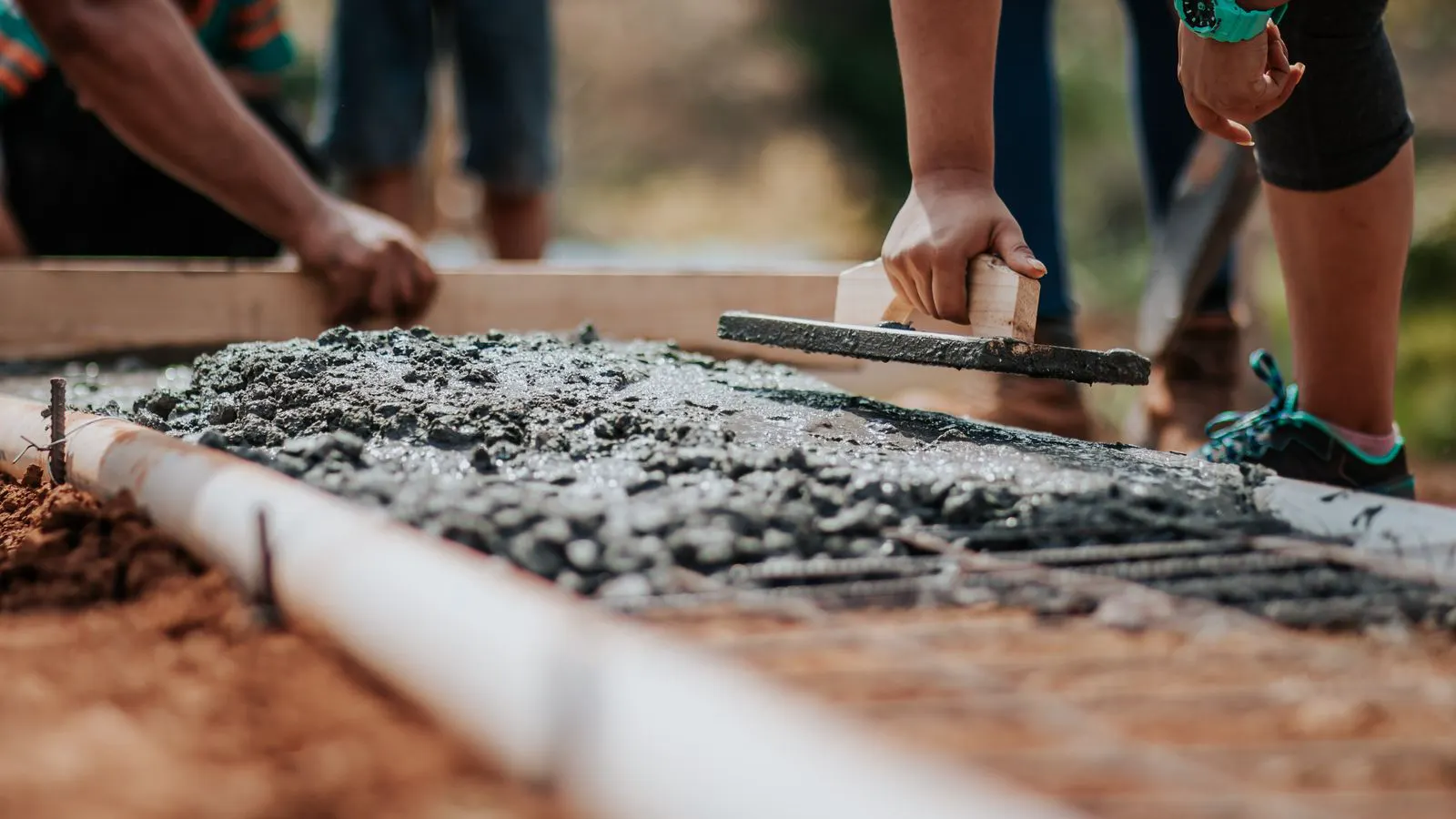
Installation costs include the foundation, crane work, and connection of utilities. A concrete plant requires a solid, level foundation to handle vibration during operation. If the site is not prepared, excavation and concrete pouring add significant cost. Electrical connections, water supply, and air compressors must be installed before the plant can run.
Commissioning is the final step. The vendor or a local technician tests the plant, calibrates the weighing systems, and trains the operators. This phase requires spare parts, test materials, and time. Skipping commissioning or relying on untrained staff can lead to early breakdowns and reduced output.
How Long Does the Lead Time for a Concrete Plant Take
The lead time for a concrete plant starts when the order is confirmed and ends when the plant is ready for production. This period typically includes design confirmation, manufacturing, quality testing, shipping, customs clearance, site preparation, installation, and commissioning. Each stage adds time, and delays in one stage can push the entire project back.
Manufacturing time depends on the complexity of the plant and the vendor’s production schedule. A standard plant may take several months to build. Custom configurations, such as special control systems or additional hoppers, extend the timeline. Buyers should ask for the vendor’s current production backlog and expected start date.
Shipping time varies by route and mode. Sea freight is common for large plants but takes longer than air freight. The transit time depends on the origin and destination ports. Once the vessel arrives, customs clearance begins. This process requires complete documentation, including the commercial invoice, packing list, bill of lading, and certificate of origin.
Site preparation is a local variable. The site must be leveled, compacted, and equipped with a foundation. If the site is in a remote area, material delivery and labor access can slow progress. Weather conditions also affect outdoor work. Rain or extreme heat can delay excavation and concrete pouring.
Installation and commissioning take time because they require coordination between the vendor, local contractors, and site engineers. The vendor may send technicians to supervise the installation or perform the final testing. This requires travel time and on-site days. The plant must pass a trial run before it is handed over.
How to Write a Clear RFQ for a Batch Plant
A Request for Quotation (RFQ) is the first document that sets the scope of the project. A vague RFQ leads to vague quotes. To compare offers fairly, the RFQ must specify technical details, site conditions, and delivery requirements. The more precise the information, the more accurate the quote will be.
Start with the production requirements. State the target output in cubic meters per hour or per day. Specify the concrete mix designs, such as plain concrete, reinforced concrete, or special mixes. List the aggregate types and sizes, such as crushed stone, sand, and gravel. Define the water and admixture systems needed.
Describe the site conditions. Include the location, climate, and access routes. Note the power supply voltage and frequency. Specify the available space for the plant and storage bins. Mention any local regulations, such as noise limits or dust control requirements. Provide a site plan or layout sketch if possible.
State the delivery and installation requirements. Specify the desired delivery date and location. Clarify who is responsible for shipping, insurance, and customs clearance. Define the scope of installation, such as whether the vendor will provide foundation work or only the equipment. Request a detailed breakdown of costs for each phase.
Include commercial terms. Specify the payment schedule, such as a deposit, progress payment, and final payment. Ask for the warranty period and what it covers. Request spare parts and training details. State the currency and the applicable incoterms, such as FOB, CIF, or DDP.
How to Compare Quotes from Vendors Fairly
Vendors often price their offers differently, making direct comparison difficult. To evaluate quotes fairly, buyers must normalize the scope and terms. A quote that includes full installation and training is not the same as one that covers only the equipment. Comparing apples to oranges leads to poor decisions.
Create a comparison table with standardized categories. List the equipment price, shipping cost, duties, installation, and commissioning separately. Check if the quote includes spare parts, tools, and operator training. Look at the warranty terms, such as the duration and response time. Evaluate the payment structure and any hidden fees.
Assess the vendor’s reputation and track record. Check if the vendor has similar projects in the region. Ask for references from past clients. Review the quality of the control system and the availability of spare parts. A cheaper quote may come with higher long-term risks if the vendor has limited local support.
Consider the total cost of ownership. This includes energy consumption, maintenance costs, and potential downtime. An automated plant may cost more upfront but reduce labor costs and improve consistency. A semi-automatic plant is cheaper but requires more manual operation. Factor in the cost of raw materials and waste.
Review the delivery schedule. A vendor with a shorter lead time may charge a premium. A longer lead time may save money but delay the project. Align the delivery date with the construction schedule. If the plant arrives too early, storage costs increase. If it arrives too late, production is delayed.
Key Cost Drivers and Their Impact
The cost of importing a batch plant is driven by several factors. Each factor can change the final budget. Understanding these drivers helps buyers plan more accurately and negotiate better terms.
| Cost Driver | Description | Typical Impact |
|---|---|---|
| Plant Capacity | Output in cubic meters per hour or day | Higher capacity increases equipment price and site requirements |
| Automation Level | Manual, semi-automatic, or fully automated control | Automation adds cost but reduces labor and improves consistency |
| Shipping Method | Sea freight, air freight, or road transport | Sea freight is cheaper but slower; air freight is faster but expensive |
| Customs Duties | Local tariff rates and taxes | Varies by country and equipment classification |
| Site Preparation | Foundation, excavation, and utility connections | Poor site conditions increase labor and material costs |
| Installation and Commissioning | Vendor supervision, testing, and training | Required for proper setup and reduces early breakdowns |
The plant capacity is the largest cost driver. A plant that produces 20 cubic meters per hour costs significantly less than one that produces 100 cubic meters per hour. The size of the plant also affects the site space and the number of workers needed.
Automation level affects the control system price. A manual plant uses simple levers and gauges. A fully automated plant uses computerized weighing and software. The control system is a major expense, and its quality affects the plant’s reliability and ease of use.
Shipping method depends on the plant size and destination. Large plants are often shipped by sea to save money. Air freight is used for urgent deliveries or small components. Road transport is needed for the final leg from the port to the site. The distance and road conditions affect the freight cost.
Customs duties are determined by the local government. The tariff rate depends on the equipment’s classification. Buyers should work with a customs broker to determine the correct code and any applicable exemptions. Delays in customs clearance can hold up the project and increase storage costs.
Site preparation is a local cost. If the site is rocky or uneven, excavation and grading take longer. The foundation must be strong enough to handle the plant’s weight and vibration. Utility connections, such as power and water, must be installed before the plant can operate.
Installation and commissioning are critical for long-term performance. The vendor’s technicians should supervise the installation to ensure the plant is set up correctly. Commissioning includes testing the weighing systems and training the operators. This phase prevents errors that can cause breakdowns later.
Common Mistakes in Planning a Batch Plant Import
Buyers often make mistakes that increase costs or delay delivery. These mistakes usually stem from incomplete information or unrealistic expectations. Avoiding them requires careful planning and clear communication with vendors.
The first mistake is underestimating the total cost. Buyers often focus on the equipment price and forget about shipping, duties, and installation. This leads to budget overruns. A detailed cost breakdown from the start prevents surprises.
The second mistake is ignoring site conditions. If the site is not ready, installation is delayed. Buyers should conduct a site survey before ordering. Check the ground conditions, access routes, and utility availability. Plan for any necessary modifications early.
The third mistake is unclear RFQs. Vendors need precise information to provide accurate quotes. If the RFQ is vague, the quote will be too. This leads to revisions and delays. A clear RFQ with technical specs and site details ensures a fair comparison.
The fourth mistake is choosing the cheapest vendor without considering quality. A low price may reflect inferior materials or limited support. Buyers should evaluate the vendor’s reputation, warranty, and after-sales service. A slightly higher price with better quality and support can save money in the long run.
The fifth mistake is poor planning for customs and logistics. Customs clearance requires complete documentation. Delays here can hold up the entire project. Buyers should work with a experienced customs broker and prepare documents in advance.
How to Reduce Lead Time and Costs
Reducing lead time and costs requires early planning and efficient coordination. Buyers can take several steps to improve the process.
Start the RFQ early. The earlier the vendor has the information, the sooner they can begin manufacturing. A clear scope allows the vendor to plan production and allocate resources. This reduces the manufacturing time.
Choose a vendor with local presence. A vendor with a local office or partner can handle customs, installation, and after-sales support. This reduces the need for long-distance coordination and speeds up the installation phase.
Pre-prepare the site. Begin excavation and foundation work before the plant arrives. This saves time during installation. Coordinate with local contractors to ensure the site is ready on schedule.
Standardize the configuration. Customizations add time and cost. If possible, choose a standard configuration that meets the project needs. This allows the vendor to use existing parts and processes, reducing lead time.
Negotiate payment terms. A larger upfront payment may reduce the manufacturing time if the vendor can start immediately. However, this increases cash flow risk. Balance the need for speed with financial safety.
By following these steps, buyers can manage the cost and lead time of importing a batch plant more effectively. A well-planned project reduces risks and ensures the equipment is ready when needed.
Frequently asked questions
What documents are needed for customs clearance of a batch plant?
A commercial invoice, packing list, bill of lading, certificate of origin, and equipment specifications are typically required. A customs broker can confirm the exact list for the destination country.
How long does site preparation take before installation?
Site preparation time depends on the site conditions and local labor availability. It can range from a few weeks to several months if excavation and foundation work are required.
Can I compare quotes from different vendors directly?
Quotes can be compared if they cover the same scope, terms, and delivery requirements. Normalize the cost breakdown to include shipping, duties, installation, and commissioning before evaluating.
What is the best shipping method for a large batch plant?
Sea freight is common for large plants due to lower cost, despite longer transit times. Road transport is used for the final leg from the port to the site. Air freight is reserved for small or urgent components.
Do I need a local vendor for installation?
A local vendor or partner is highly recommended for installation and after-sales support. They handle local regulations, utility connections, and emergency repairs, reducing delays and risks.