Buyer's Guide: Hybrid Excavator Financing Models
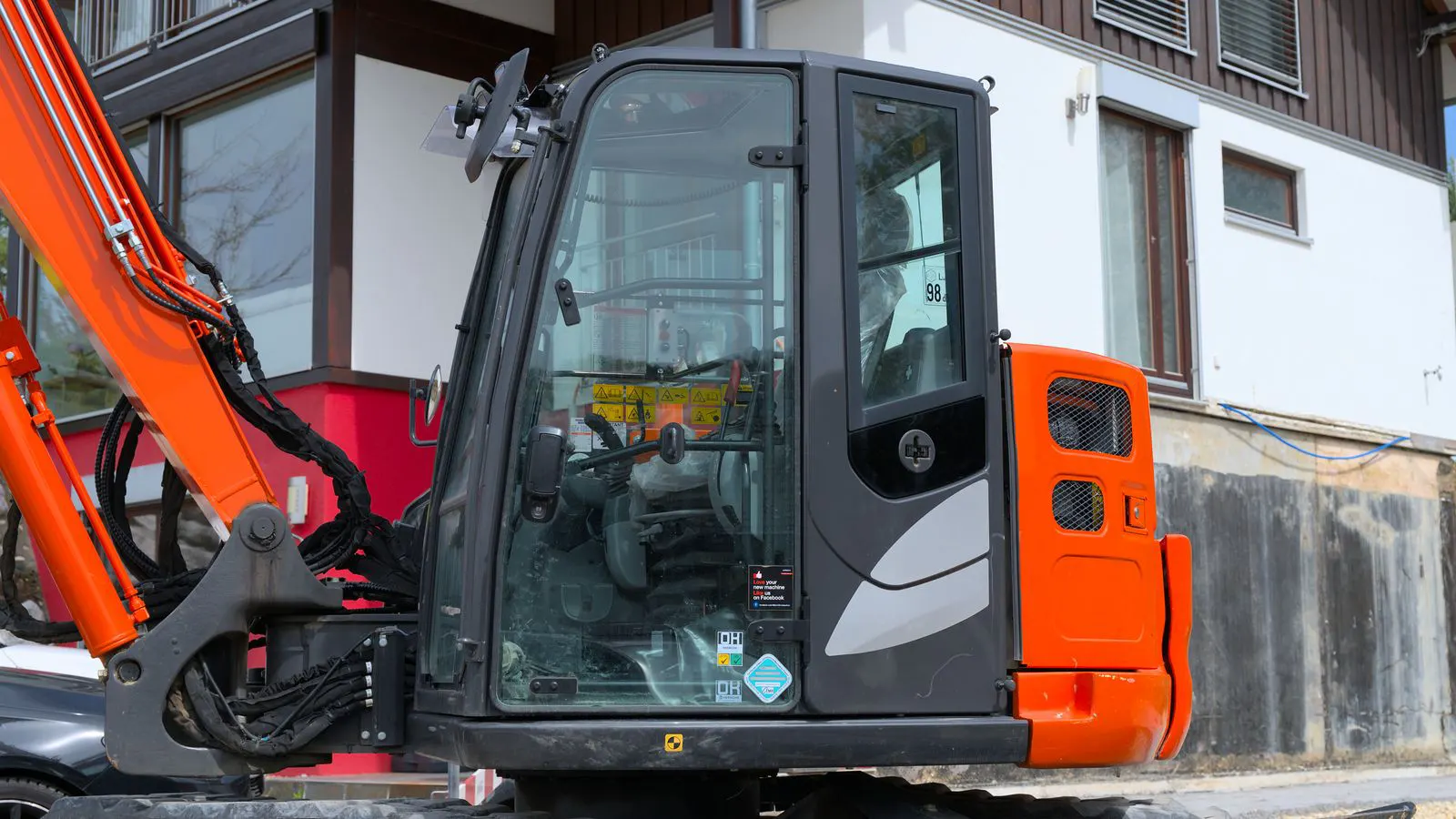
Hybrid excavator financing balances higher upfront capital with reduced fuel and emissions costs. Evaluating lease, loan, and rental structures requires tracking total cost of ownership, utilization rates, and maintenance reserves. The right model depends on project duration, fuel savings, and your current equipment budget.
- Compare total cost of ownership, not just the monthly payment, when selecting a hybrid excavator.
- Match the financing term to your expected project duration and equipment utilization rate.
- Build a capital reserve to cover major service intervals and unexpected repairs.
- Review lease terms carefully to avoid penalties for early termination or excess wear.
- Factor fuel savings into your equipment budgeting to offset higher purchase or lease costs.
Hybrid excavators pair a diesel engine with battery packs or electric assist systems to cut fuel burn and lower emissions during specific operating phases. These machines carry a higher purchase price than standard diesel units, yet they can reduce operating expenses over time if the workload matches the technology. Choosing the right financing structure requires understanding how payment methods affect cash flow, total project profitability, and long-term equipment value.
How to evaluate total cost of ownership for hybrid machines
Total cost of ownership includes purchase price, financing charges, fuel savings, maintenance, and disposal value. A standard diesel excavator may have a lower sticker price, but it burns more fuel and may face stricter emission rules in urban areas. A hybrid unit costs more initially, yet it can reduce diesel usage during low-load phases and idle time.
Start with a fuel baseline. Track gallons or liters per hour across typical tasks. Record this data for at least one full season or a representative set of projects. Then project the savings from reduced fuel use. Add maintenance differences. Hybrid systems add battery care and electrical checks to the routine service schedule. Some manufacturers extend service intervals for hybrid models, but others require more frequent battery health checks.
Do not assume savings are automatic. If your machine sits idle for long periods, fuel savings may be minimal. If you operate in areas with high fuel costs or strict emission limits, savings grow. Build these variables into your equipment budgeting before comparing offers. Look at the machine as a system, not just the engine. The battery capacity, the electric assist configuration, and the control logic all influence how much diesel you actually burn. A hybrid excavator designed for mining may behave differently on a civil works site. Match the machine to the job before you calculate the numbers.
Financing models: loan, lease, and rental
Three main structures dominate hybrid excavator purchases. Each has distinct risks and benefits.
-
Purchase loan: You borrow the full amount and repay over time. You own the asset from day one. This is best for long-term fleets where you expect to hold the machine for many years. Interest rates and collateral terms vary, so compare the total interest paid against the fuel savings. With a loan, you control the maintenance schedule. You choose when to service the battery and when to replace wear parts. This flexibility can be valuable if you have a strong in-house maintenance team. The downside is that you carry the risk of technological obsolescence. If the battery degrades faster than expected, you fund the replacement.
-
Operative lease: The lessor keeps ownership. You pay a fixed monthly fee that covers equipment, maintenance, and sometimes insurance. You return the machine at the end. This is common for short-term projects or when you want to keep your balance sheet clean. Watch out for excess wear clauses and early termination fees. An operative lease transfers the risk of the battery and electrical components to the lessor. If the battery fails, the lessor replaces it. This can be a significant advantage if you do not have the technical expertise to manage a hybrid system. However, you may lose control over the machine. You cannot make modifications, and you must adhere to the lessor’s operating guidelines.
-
Rental: You pay by the day or hour. No ownership, no long-term commitment. This works for occasional use or when you are testing whether hybrid technology fits your workload. Rental costs are higher per hour than ownership, but you avoid financing charges and major maintenance. Rental is the best option for proving the concept. If you are new to hybrid machinery, rent a unit for one or two projects. Measure the fuel savings, track the uptime, and observe the crew’s adaptation. If the numbers work, move to a purchase or lease. If not, you have avoided a large capital outlay.
Criteria for choosing the right structure
Use the table below to compare options against your specific situation.
| Criterion | What to look for | Why it matters |
|---|---|---|
| Project duration | Match term length to the expected job timeline | A two-year lease on a four-year project forces you to buy or extend, adding cost |
| Cash flow stability | Fixed monthly payments vs variable interest | Predictable outflows simplify equipment budgeting and cash flow planning |
| Ownership rights | Who holds title and who handles major repairs | Ownership affects tax treatment, disposal value, and maintenance responsibility |
| Fuel savings projection | Documented operating hours and fuel baseline | Savings justify higher financing costs only when utilization is high and consistent |
| Maintenance burden | Included services vs self-managed maintenance | Hybrid systems need regular battery checks. Lease terms must cover this |
| Disposal or buyout | End-of-term options and residual value | Residual value can offset financing costs if you keep the machine |
When you review these criteria, look for hidden costs. A lease may include routine maintenance, but does it include the battery? Does it include the cooling system for the battery? Does it include the software updates? A purchase loan may seem cheaper on the surface, but the hidden costs are the repairs and the potential loss of value. A rental may seem flexible, but the hourly rate can add up quickly if the project runs long.
How utilization changes the math
Utilization determines whether hybrid savings beat financing costs. A machine that runs 2,000 hours a year with steady load will generate meaningful fuel savings. A machine that runs 500 hours with long idle periods will not.
Check your historical data. If you track operating hours through telematics, use that history. If not, estimate based on project schedules and crew availability. A hybrid excavator may save fuel during low-load digging or when the electric assist handles auxiliary functions. But if the engine runs at full throttle most of the time, the battery saves little.
Lease agreements often include minimum utilization clauses. If you rent or lease below a certain threshold, you may pay a penalty. If you exceed it, you may pay overtime charges. Both affect your true cost.
Consider the type of work. A hybrid excavator excels in situations where the engine can run at a low, efficient RPM while the electric motors provide the torque. This is common in trenching, loading, and auxiliary work. It is less effective in heavy ripping or continuous full-power digging. If your project mix is 80% heavy digging and 20% auxiliary work, the fuel savings may not cover the higher financing cost. If your mix is 50/50 or skewed toward auxiliary work, the savings become more attractive.
Also consider the climate. Cold weather reduces battery efficiency. If you operate in a cold region, the engine may run longer to warm the battery, reducing the fuel savings. In hot weather, the cooling system for the battery may draw more power from the engine. These environmental factors should be part of your calculation.
Managing maintenance and capital reserves
Hybrid excavators add electrical components to the traditional mechanical list. Battery packs degrade over time. Replacing one is expensive. Your financing plan should account for this.
A capital reserve is a dedicated fund for major service events. It should cover battery replacement, major hydraulic service, and unexpected repairs. For a hybrid machine, the reserve amount is higher than for a standard diesel unit because of the electrical system.
When comparing financing offers, ask what is included in maintenance. A lease that covers routine service but excludes battery replacement is not as protective as one that covers both. A purchase loan gives you control but requires you to fund every repair from your own reserves.
Set up the capital reserve from day one. Do not wait for the first major repair. The battery replacement is the single largest cost that can derail your project budget. If you have a reserve, you can handle it without disrupting cash flow. If you do not, you may need to take out a new loan or delay other projects.
Also consider the maintenance schedule. Hybrid machines require different skills. Your maintenance staff needs training on the electrical system. If you do not have that skill in-house, you may need to rely on the manufacturer’s service network. This can be more expensive than in-house maintenance. Factor this into your total cost of ownership.
Tax, depreciation, and cash flow
Tax treatment varies by jurisdiction and structure. Lease payments may be fully deductible as operating expenses. Purchase loans may allow depreciation deductions over several years. The difference can change your net cost significantly.
Depreciation also affects resale value. Hybrid technology is still maturing. Residual values may be lower than for standard diesel machines, especially if the battery degrades faster than expected. Factor this into your disposal plan. If you lease, the lessor handles disposal. If you buy, you carry that risk.
Cash flow timing matters. A purchase loan requires a large down payment and regular interest payments. A lease spreads cost evenly but locks you into a term. A rental is flexible but expensive per hour. Your equipment budgeting should reflect both the purchase decision and the payment rhythm.
Talk to your accountant. The tax implications can be significant. A lease may allow you to deduct the payments in the year they are incurred. A purchase loan may allow you to depreciate the asset over several years. The choice can affect your cash flow and your tax liability. Make sure you understand the rules in your jurisdiction before you sign the contract.
Decision checklist before signing
- Have you documented your fuel consumption baseline for the past six months?
- Does the financing term match your expected project duration?
- Are major service items, including battery care, covered in the lease or loan terms?
- Have you calculated the total cost of ownership, including interest, maintenance, and disposal?
- Is there a capital reserve planned for major repairs and battery replacement?
- What happens if you need to return the machine early?
- Do the fuel savings justify the higher upfront or monthly cost under your actual utilization?
A hybrid excavator can reduce operating costs, but only if the financing structure aligns with your real workload. Do not choose based on the lowest monthly payment. Look at the full life of the machine. Track the numbers, stress test the assumptions, and make the decision on evidence rather than sales talk.
Frequently asked questions
Is a lease better than a loan for a hybrid excavator?
It depends on your project length and cash flow. A lease fits short-term projects and keeps maintenance costs predictable. A loan fits long-term ownership and gives you control over the asset.
How much fuel savings can I expect from a hybrid excavator?
Savings depend on operating hours, load conditions, and idle time. Machines with high idle or low-load phases tend to save more. Track your baseline before committing.
What should I look for in lease terms?
Check maintenance inclusions, excess wear clauses, early termination fees, and buyout options. These details often matter more than the advertised monthly rate.
Do I need a capital reserve for a hybrid excavator?
Yes. Hybrid systems add battery and electrical maintenance to the traditional mechanical list. A reserve helps cover major service intervals and unexpected repairs.
Can I rent a hybrid excavator instead of buying or leasing?
Yes. Rental is useful for testing the technology or for short, specific jobs. It avoids ownership risk but costs more per operating hour.