Comparison: Purchase vs Lease for Short-Term Projects
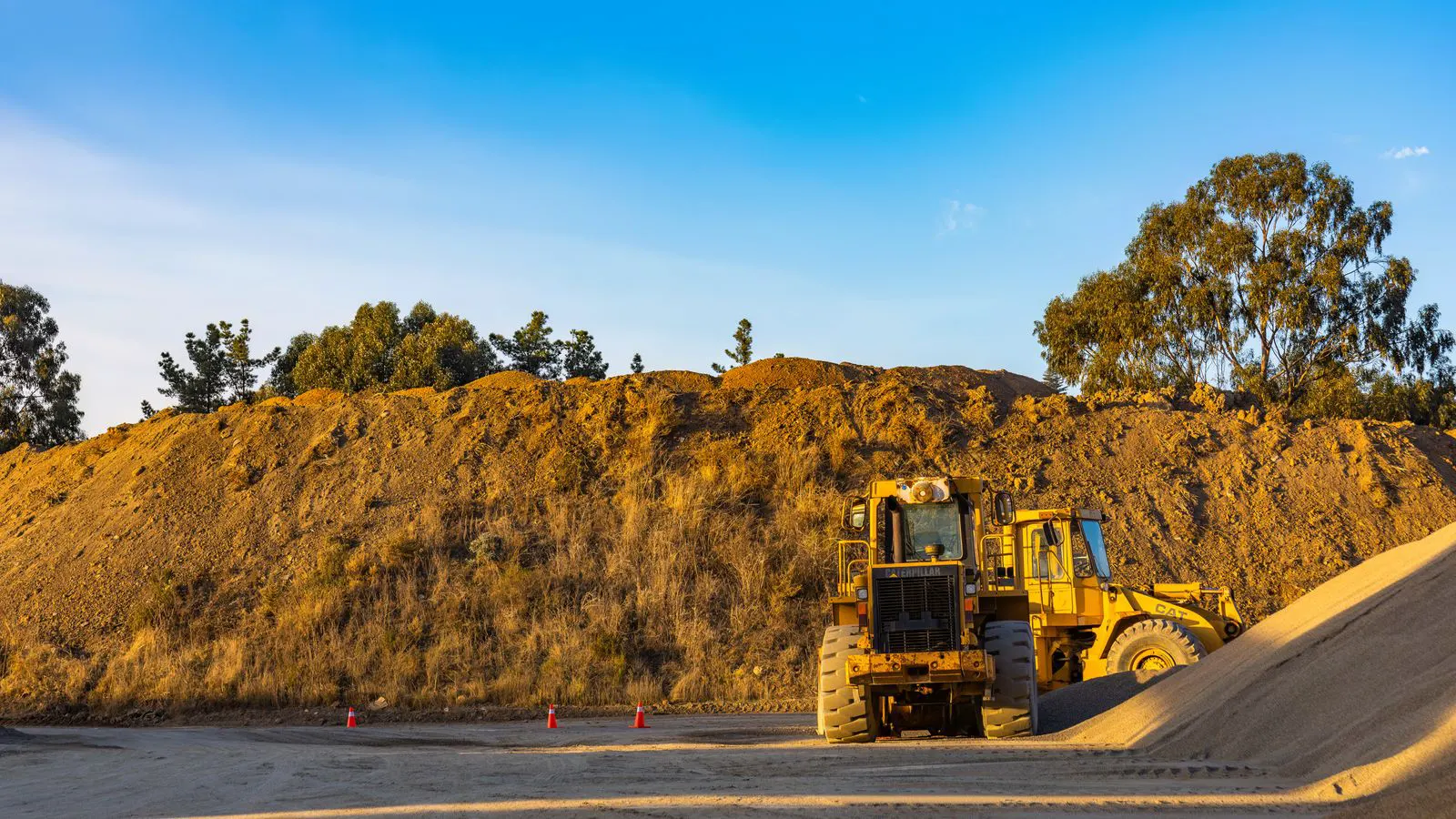
For short-term projects, leasing equipment often preserves cash flow and reduces capital expenditure burdens, while purchasing offers long-term savings if assets can be resold or redeployed. The best choice depends on project duration, utilization rates, and access to financing.
- Leasing short-term projects keeps capital expenditure low and aligns payments with site activity.
- Buying equipment makes financial sense when assets can be redeployed or resold at strong residual values.
- Compare total cost of ownership, including maintenance, insurance, and disposal, not just purchase price or lease rate.
- Utilization rates directly affect which acquisition strategy yields better cash flow.
- Review residual value assumptions before committing to either purchase or lease for temporary site work.
When does leasing equipment make sense for a short project?
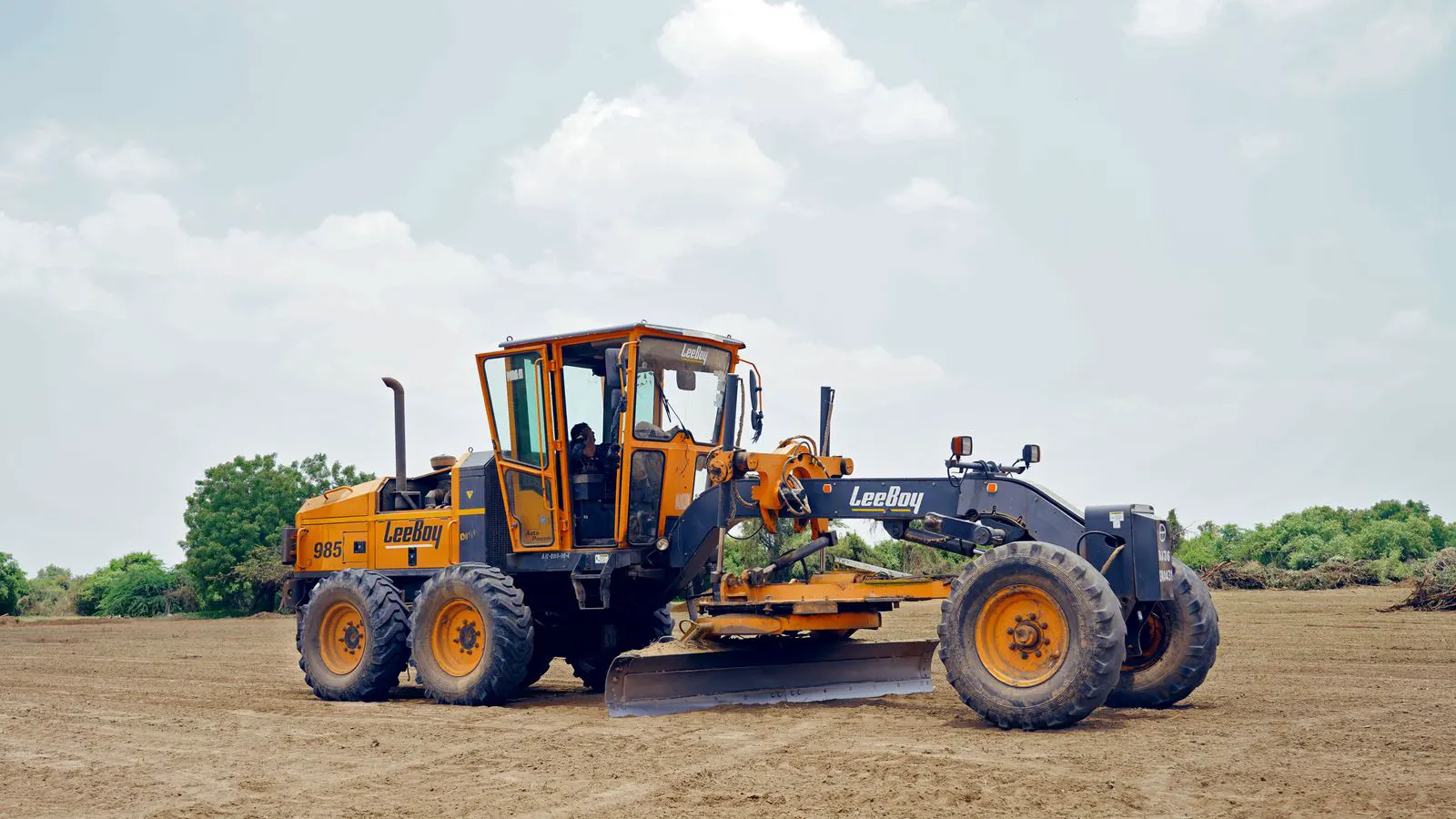
Leasing machinery suits projects with fixed durations, such as a 12-month site fit-out or seasonal earthworks. The operator pays periodic rental fees without taking on a large upfront capital expenditure. This structure protects working capital during periods when equipment sits idle between contracts. For a contractor bidding on a temporary civil works package, the ability to lease a paver or a grader allows them to include the cost in the bid without tying up millions in the bank account.
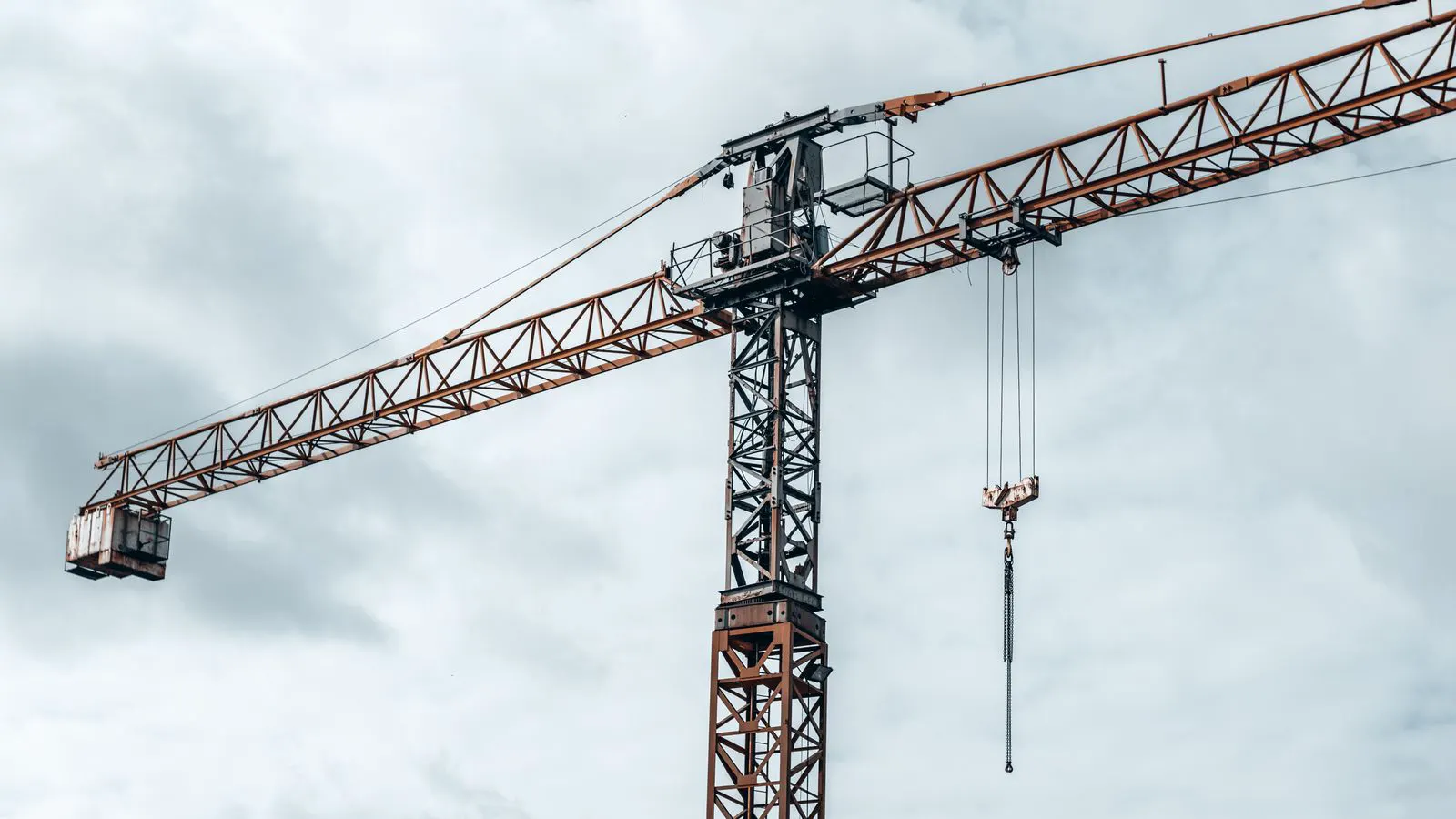
For temporary site requirements, the operator avoids the burden of long-term depreciation. The lessor absorbs the risk of the asset losing value during the lease term. The operator focuses on operating costs, fuel, and maintenance. This separation of capital and operating expenses simplifies financial planning for contractors bidding on short-term work. Consider a contractor who needs a large mobile crane for a single bridge repair. They can lease the unit for the three months the crane is required, return it to the yard, and avoid the risk of the crane sitting in a laydown area for two years waiting for the next project. The lease agreement often includes standard maintenance, meaning the contractor does not need to employ a dedicated mechanic for a machine that will only be on site for a short window.
When is purchasing equipment the better financial choice?
Buying equipment works when the project duration extends long enough to justify the purchase price and when the asset will be redeployed on future jobs. A contractor with a stable pipeline of similar projects may buy an excavator, loader, or crane and use it across multiple sites. If the contractor operates in a region with continuous demand for foundation work, buying a fleet of excavators ensures availability when the next bid comes in.
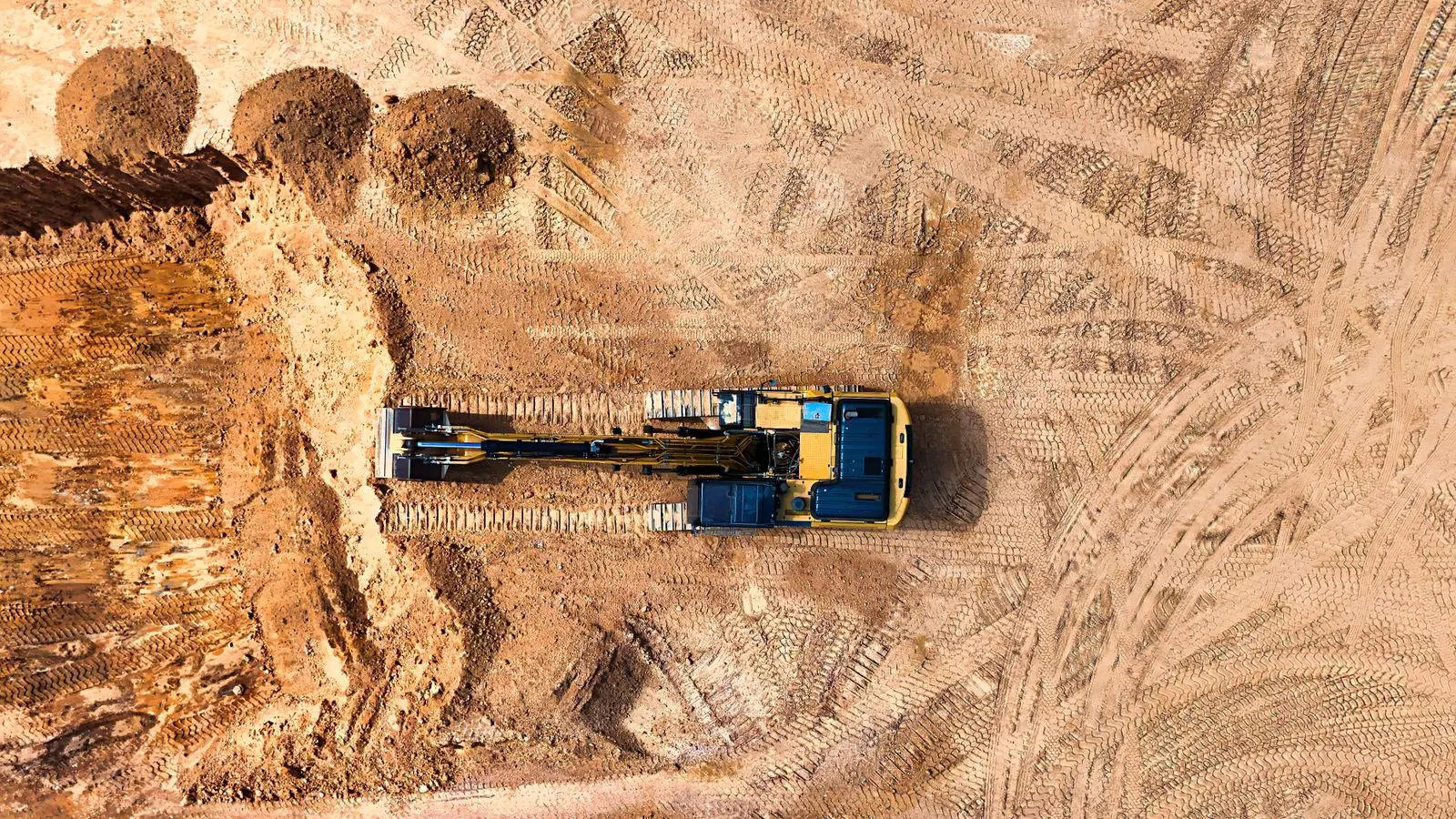
The capital expenditure is higher upfront, but the operator retains full ownership. They control maintenance schedules, can sell the machine when the project ends, and capture the residual value. If the equipment has strong demand in the used market, the sale price can offset a significant portion of the initial outlay. For example, a medium-sized excavator that holds a high resale value might be purchased for a long-term tunneling contract. After three years of heavy use, the machine still commands a premium price in the second-hand market because of its durability. The contractor sells the unit to another operator, recouping a large portion of the initial purchase price, and uses that capital to finance the next acquisition.
How do cash flow and total cost differ between the two approaches?
Cash flow favors leasing. The monthly or weekly rental payment is predictable and usually lower than the equivalent loan payment on a purchased machine. This keeps liquidity available for labor, materials, and site overhead. A small contractor with limited cash reserves can use leasing to keep their bank account liquid. They can use the freed-up funds to pay for labor or materials immediately, rather than locking those funds into a machine that may sit idle for months.
Total cost of ownership tells a different story. A purchased machine requires the operator to cover insurance, storage, maintenance, and eventual disposal. A leased machine shifts much of the maintenance and disposal risk to the lessor, but the total rent over the project life may exceed the net cost of buying and selling the asset. The break-even point depends on project length, utilization, and the machine’s residual value. A contractor must calculate the total rental fees over the entire project term and compare that to the purchase price minus the expected resale value, plus the cost of maintenance and insurance. If the project is shorter than the lease term, the operator may pay for a full year of rent for a machine they only use for four months.
How does utilization affect the decision between lease and buy?
High utilization favors purchasing. When the machine runs close to 2,000 hours or more per year, the operator spreads the purchase cost across more productive hours. The depreciation per operating hour drops, making the asset more economical. For a heavy earthworks contractor, a bulldozer that operates 2,400 hours a year is a critical asset. Buying it allows the operator to amortize the cost over a large number of productive hours. The machine generates revenue every hour it is running, which justifies the capital outlay.
Low utilization favors leasing. If the machine sits idle for months between projects, the operator pays rent for time the asset does not generate revenue. Depreciation continues regardless of use, which erodes the value of a purchased machine during idle periods. A contractor with intermittent short-term assignments should prefer leasing to avoid carrying capital tied up in idle equipment. Consider a contractor who needs a large concrete pump for a single building project that lasts only six months. Buying the pump would mean it sits unused for six months a year. Leasing it for the six months of active work ensures the contractor does not pay for storage, insurance, and depreciation during the idle periods.
What are the key risks in each acquisition strategy?
Leasing carries operational risk. The operator must meet the lessor’s maintenance and usage terms. Exceeding hourly limits or failing to maintain the machine can trigger penalties or affect the final condition credit. The operator also faces lessor availability risk if the machine breaks down and the lessor’s service response is slow. A common issue is that the lease agreement may cap the number of operating hours per month. If the project requires more hours than allowed, the operator may face significant additional costs or penalties.
Purchasing carries capital risk. The operator absorbs the full impact of market price swings and mechanical failure. A major repair on a purchased machine hits the balance sheet directly. The operator also must plan for disposal. Selling a specialized machine to a buyer without local service support can be difficult, especially if the site is remote. If the machine breaks down in a remote location, the contractor must arrange its own repairs and parts supply. This can lead to extended downtime and significant costs that are not covered by a lease agreement.
How should contractors compare the two options side by side?
The table below summarizes the trade-offs for short-term project requirements.
| Option | Best for | Limitations |
|---|---|---|
| Operating lease | Projects under 24 months, low utilization, need for predictable monthly payments | Higher total rent over time, less control over maintenance schedules, no residual value capture |
| Capital lease | Projects with stable cash flow, need to build asset base, longer terms up to 5 years | Acts like a loan with interest, operator bears depreciation and disposal risk |
| Short-term purchase | Projects over 12 months, high utilization, strong resale market for the asset type | High upfront capital expenditure, risk of idle time if project ends early |
| Rental from equipment house | Very short durations under 3 months, one-off tasks, no storage or maintenance responsibility | Highest per-hour cost, limited availability of specific models, no ownership or customization |
The choice depends on the project timeline and the contractor’s broader equipment strategy. A contractor with a fleet of similar machines may buy for one project and sell to another. A project-specific contractor may lease to avoid holding an asset after the site is handed over. For a contractor who regularly works on similar projects, buying the machine may be more cost-effective in the long run. For a contractor who works on diverse, one-off projects, leasing provides flexibility and avoids the risk of holding assets that may not be needed in the future.
What documents and checks should be completed before signing?
Before committing to either lease or buy, the operator should review the following items.
- The full rental or loan agreement, including interest rate, term length, hourly usage caps, and penalty clauses.
- The service and maintenance contract, noting what the lessor covers and what the operator must pay.
- Insurance policy details, confirming coverage for the site conditions and the specific machine.
- The resale or disposal plan, including who handles the asset at the end of the project and at what estimated value.
- The delivery and mobilization schedule, confirming lead time from order to site readiness.
These documents protect the contractor from surprise costs and ensure the equipment plan matches the project timeline. A contractor must verify that the lease agreement includes all necessary insurance coverage for the specific site conditions. If the site is in a high-risk area, the insurance policy must reflect that. The contractor should also check the maintenance contract to ensure that the lessor covers all necessary maintenance and that the operator is not liable for any unexpected repair costs.
How do financing terms change the decision?
Project financing options can shift the balance between lease and buy. A contractor with a strong balance sheet may finance a purchase at a low interest rate, making the net cost competitive with leasing. A contractor with limited access to credit may find that leasing is the only viable path to access the equipment needed for the bid.
The financing rate matters as much as the term. A high interest rate on a purchase loan can erase the savings from capturing residual value. A low-rate lease can make leasing more attractive than expected. The operator should compare the total cost of the machine over the project life, including all financing charges, rather than looking only at the upfront number. For example, if a contractor can finance a machine purchase at a low interest rate, the total cost over the project life may be lower than the total rent over the same period. However, if the interest rate is high, the total cost of financing the purchase may exceed the cost of leasing.
What are the typical mistakes contractors make in this decision?
Contractors often focus on the hourly rate without calculating the total project cost. They select the machine with the lowest weekly rent and ignore the cost of overtime, fuel, and maintenance. They also underestimate the time required to sell a used machine at the end of a short project.
Another common mistake is assuming that leasing always preserves capital. In reality, the total rent over a 24-month project can exceed the net cost of buying a machine that holds strong value. The operator must model both scenarios before signing. A contractor should calculate the total cost of leasing the machine for the entire project duration and compare it to the cost of buying and selling the machine at the end of the project. If the total lease cost is higher than the net purchase cost, buying may be the better option.
Finally, contractors sometimes skip the service network check. A lease or purchase is only as good as the support behind the machine. If the site is in a region with limited parts availability, a breakdown can halt the entire project. The operator should verify the service network coverage before committing to either option. A contractor should check the distance to the nearest service center and the availability of parts for the specific machine model. If the service network is limited, the contractor may face extended downtime and significant costs if the machine breaks down.
Frequently asked questions
Which is cheaper for a 6-month project, leasing or buying equipment?
Leasing is usually cheaper in cash flow terms for a 6-month project. The total rent over six months is typically lower than the purchase price plus financing charges, and the operator avoids disposal costs.
Can I buy equipment for a short project and sell it afterward?
Yes, if the machine has strong residual value and the contractor can find a buyer quickly. The sale price must be high enough to offset the purchase cost and financing charges over the short period.
What happens if the project is delayed and the equipment sits idle?
For a lease, the operator continues paying rent during idle time, though some contracts may offer reduced rates. For a purchase, the machine depreciates while idle, reducing its resale value and increasing the effective cost per operating hour.
How do I compare a lease rate to a purchase price?
Calculate the total cost of the lease over the project term and compare it to the purchase price plus interest, insurance, maintenance, and estimated disposal loss. The option with the lower net cost is the better financial choice.
Does the type of machinery matter for the decision?
Yes. Machines with high resale value and stable demand, such as common excavators and loaders, are easier to buy and resell. Specialized or niche machines may be better leased because finding a buyer after a short project can be difficult.