Explainer: How Utilization Affects Machinery Depreciation
Equipment utilization rates directly determine how fast an asset loses value. High machine hours accelerate wear, while low hours preserve residual value. Buyers must match operating schedules to financing and resale goals to protect long-term financial returns.
- Operating hours are the primary driver of mechanical wear and financial loss.
- High utilization rates reduce residual value faster and may affect loan terms.
- Low utilization preserves value but increases per-hour maintenance costs.
- Buyers should align utilization forecasts with depreciation schedules and lease structures.
- Telematics data helps verify actual machine hours against projected operating schedules.
Why Operating Hours Matter More Than Calendar Time
A machine parked in a yard for six months does not lose value the same way a machine working two shifts daily. The difference is measured in machine hours. These hours track the time the engine and hydraulic systems are active. They determine how fast wear occurs in critical components.
Calendars track time. Engines track work. A buyer who looks only at the age of a machine may miss the real story. A five-year-old excavator with low hours can outperform a two-year-old unit with heavy duty use. The condition of the track, the state of the hydraulic hoses, and the life remaining in the fuel system all depend on what the machine actually did, not just how long it sat on the lot.
For financing, lenders look at these numbers closely. They want to know if the asset will retain enough value to cover the remaining loan balance. They also want to know if the machine will be reliable enough to generate the cash flow needed to repay the debt.
How Wear Accumulates During Use
Wear is not random. It follows a pattern based on load and duty cycle. When a machine lifts heavy earth, the hydraulic cylinders cycle. The engine burns fuel. The transmission shifts. The tracks stretch.
Every hour of operation adds stress to these systems. A machine working in a quarry experiences different wear than a machine doing grading work in a municipal park. The weight of the material, the grade of the terrain, and the frequency of the task all change the rate of wear.
Hydraulic systems are particularly sensitive. The fluid heats up, and the seals degrade. If the machine operates continuously without breaks, the fluid temperature rises. This accelerates the breakdown of the hydraulic oil. The pumps and valves then suffer. The repair costs climb. The machine may need a full cylinder overhaul before it can return to heavy service.
Engine wear follows a similar path. The pistons expand and contract. The valves seat and lift. The oil passages clog with carbon. The turbocharger spins at high speeds. After enough hours, the engine compression drops. The fuel efficiency falls. The machine consumes more fuel per hour of work.
These physical changes translate directly into financial terms. A worn machine has a lower resale value. It requires more maintenance. It may have a lower operating cost per hour because it is less efficient. The buyer must account for these factors when calculating the total cost of ownership.
The Link Between Utilization and Depreciation
Asset depreciation is the reduction in the value of an asset over time. It is usually expressed as a percentage or a dollar amount. For machinery, depreciation is not linear. It is often steeper at the beginning and then flattens out.
High utilization rates accelerate this process. If a machine works 3,000 hours a year, it loses value much faster than one that works 1,000 hours a year. The high-use machine hits its wear limits sooner. The low-use machine retains its condition longer.
This creates a trade-off. A buyer who needs the machine for maximum output will accept higher depreciation. They are buying the machine to do work, not to sit in a showroom. The financial model must reflect the faster loss of value. The loan may be shorter. The monthly payment may be higher. The buyer must ensure that the revenue from the work covers the payment and the maintenance.
A buyer who buys the machine for occasional use or as a reserve unit will see slower depreciation. The machine holds its value better. The loan may be longer. The monthly payment may be lower. However, the per-hour cost is higher. The fixed costs of the loan, insurance, and storage are spread over fewer hours of work.
How Lenders and Leasing Companies Use This Data
Financing terms are built on risk. Lenders assess the risk of the asset losing value faster than the loan balance decreases. If a machine depreciates too quickly, the lender may be under-collateralized. The loan terms may be stricter.
Lenders look at the expected machine hours for the machine. They compare this to the standard depreciation schedules. If the machine is expected to work more than standard, the lender may require a larger down payment. They may set a shorter term. They may require a higher interest rate.
Leasing companies use similar logic. They calculate the residual value at the end of the lease term. They subtract the expected maintenance costs. They add a margin for risk. They set the monthly payment to cover all of this. If the utilization rates are higher than expected, the residual value drops. The lease payment may increase, or the buyer may have to pay more at the end of the term.
Telematics systems help here. They provide real data on machine hours. They show when the engine is running. They show the load on the hydraulic system. This data helps the lender verify that the machine is being used as expected. It also helps the buyer understand their actual operating costs.
A Worked Example of the Relationship
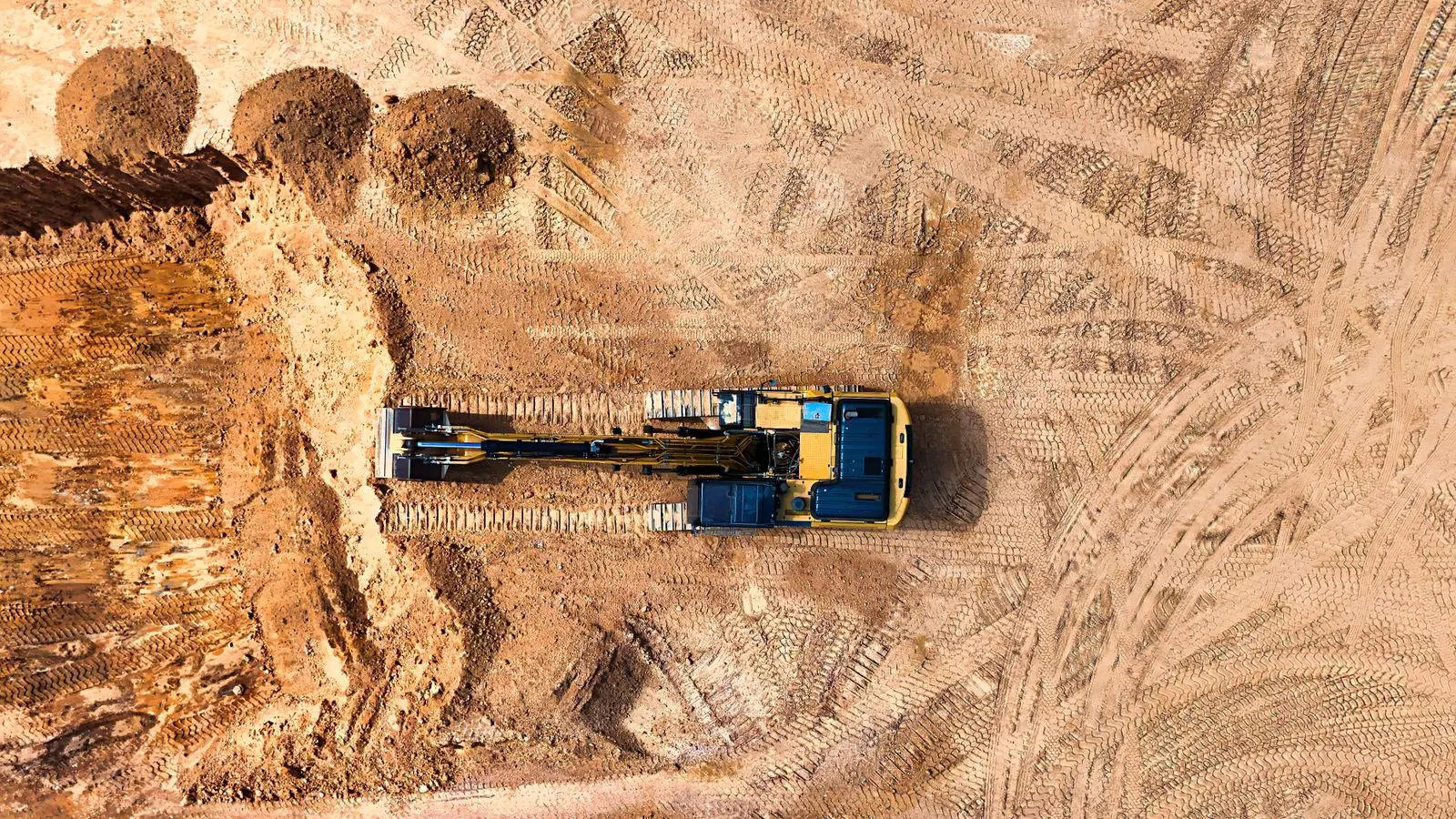
Imagine a buyer is choosing between two options for a medium-sized excavator. They need the machine for a construction project that will last 18 months.
Option A involves buying a new machine. The buyer expects to use it for 2,500 hours during the project. The machine is expected to lose 60 percent of its value over the first two years. The buyer plans to sell the machine at the end of the project.
Option B involves leasing the machine. The lease is for 12 months. The lease agreement is based on 1,500 hours of use. The buyer expects to use it for 2,000 hours. The lease terms include a penalty for overage hours.
In Option A, the buyer buys the machine and uses it hard. The machine wears out quickly. When the project ends, the machine has 2,500 hours on it. The resale value is lower than if it had fewer hours. The buyer must cover the depreciation loss. The buyer also pays for the maintenance that comes with heavy use.
In Option B, the buyer leases the machine for 12 months. The lease is based on 1,500 hours. The buyer uses it for 2,000 hours. The buyer pays the penalty for the extra 500 hours. At the end of the lease, the machine has 2,000 hours. The residual value is determined by the lease agreement. The buyer returns the machine. The lessor handles the depreciation.
The buyer must compare the total cost of Option A with the total cost of Option B. In Option A, the cost includes the purchase price, the loss in value, and the maintenance. In Option B, the cost includes the lease payments, the overage penalty, and the return of the machine.
This example shows how utilization rates drive the financial outcome. The buyer who uses the machine more has a different cost structure than the buyer who uses it less. The buyer must plan for the actual hours of use, not just the theoretical maximum.
Practical Steps for Buyers
Buyers should start by defining their operating schedule. They should look at the project duration. They should estimate the number of hours per day. They should account for downtime. They should consider the season. A machine that works 8 hours a day in summer may only work 4 hours a day in winter.
Next, the buyer should look at the depreciation schedule. They should ask the dealer for the expected residual value at 1,000, 2,000, and 3,000 hours. They should compare these numbers with the loan term. If the loan term is longer than the steep part of the depreciation curve, the buyer must be careful. The machine may lose value faster than the loan balance decreases.
The buyer should also look at the maintenance plan. A machine with heavy use needs more frequent service. The buyer should budget for the filters, the fluids, and the wear parts. They should check with the dealer about the service network. They should make sure they can get the machine serviced quickly.
Finally, the buyer should talk to the lender or lessor. They should share their estimated machine hours. They should ask how this affects the terms. They should ask about the residual value assumptions. They should ask about the penalties for overage. They should get the terms in writing.
Conclusion
Equipment utilization rates are the key to understanding the financial life of a machine. They determine how fast the machine wears out. They determine how fast the machine loses value. They determine the terms of the loan or lease.
A buyer who ignores these rates may face a difficult financial position. They may buy a machine that depreciates too fast. They may take on a loan that is too long. They may have a machine that is not worth what they expected.
A buyer who understands these rates can make a better decision. They can match the machine to the work. They can choose the right financing term. They can plan for the maintenance. They can protect their investment.
The machine is a tool. It is a financial asset. The buyer must treat it as both. The hours on the meter are the truth. The rest is just numbers on a paper.
Frequently asked questions
What is the difference between machine hours and calendar age?
Machine hours measure the time the engine is running and doing work. Calendar age is the time since the machine was manufactured. A machine can be old in years but new in hours, or young in years but old in hours.
How do high utilization rates affect loan terms?
High utilization rates mean the machine will lose value faster. Lenders may require a larger down payment, a shorter loan term, or a higher interest rate. They want to be protected if the asset loses value quickly.
What is the best utilization rate for preserving value?
There is no single best rate. It depends on the buyer's goals. Low utilization preserves value but increases the cost per hour. High utilization generates more revenue but decreases the residual value. The buyer must balance these factors.
How can I verify the machine hours of a used machine?
Check the hour meter on the dashboard. Check the service records. Ask the seller for a maintenance log. Use a telematics system if it is available. Compare the numbers to see if they make sense.
Does the type of work affect depreciation?
Yes. Heavy lifting, digging, and loading cause more wear than light grading or transport. The load on the machine determines the stress on the components. A machine working in a quarry will wear out faster than one working on a smooth road.