Checklist: Verifying Service Network Coverage Before Purchase
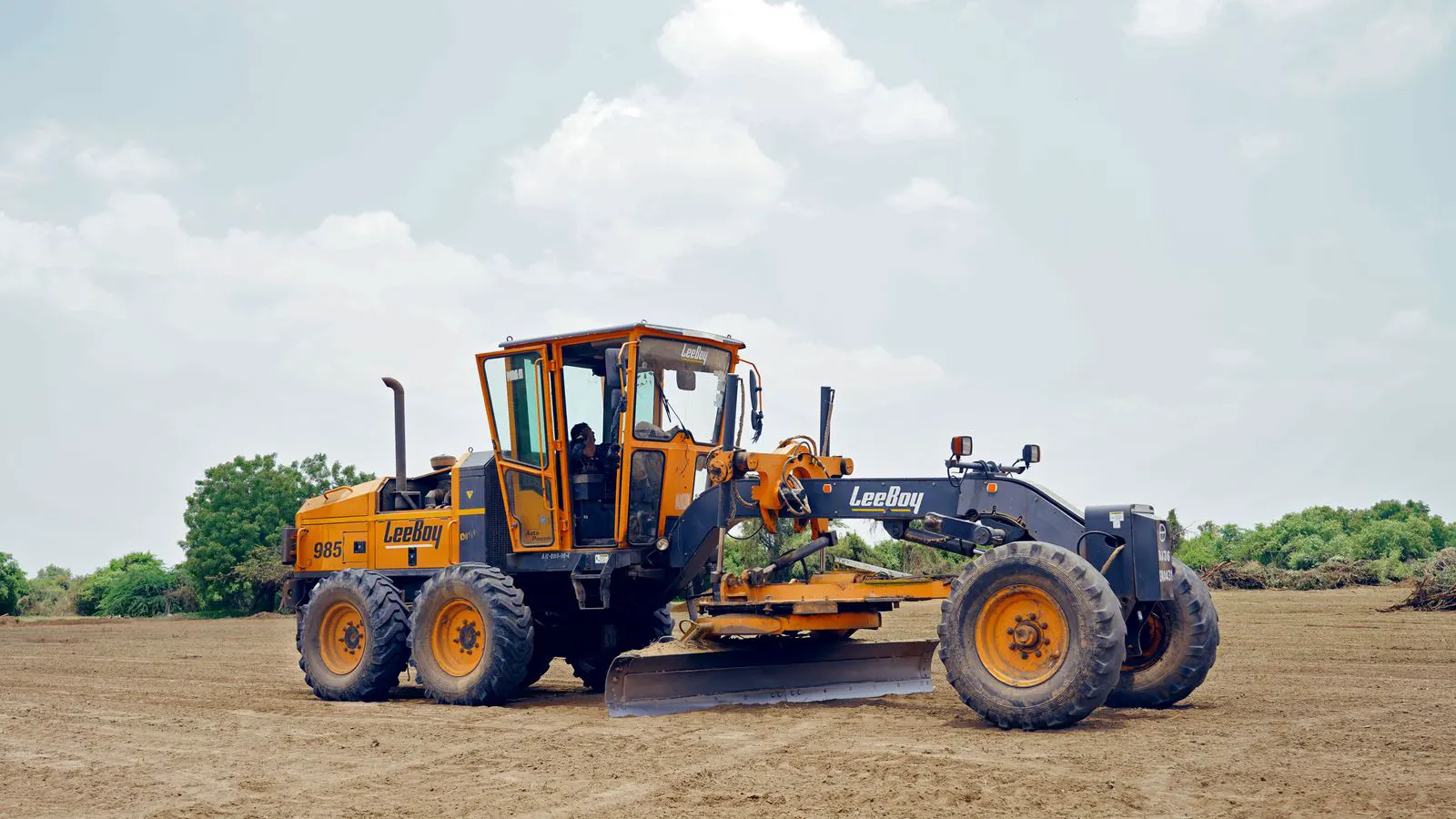
To reduce downtime risk, verify service network coverage before purchase by auditing after-sales support. Check local parts inventory, certified technician access, response times, and maintenance agreements to ensure your machinery supplier has adequate infrastructure for long-term operation.
- Verify local parts inventory levels for critical components before signing a purchase order
- Test after-sales support response times with simulated service requests during the evaluation phase
- Confirm technician certification levels and manufacturer training requirements for your specific machinery type
- Review maintenance agreements to understand what service network coverage includes versus what costs extra
- Document all service network verification findings to use as use in financing negotiations
Why Service Network Coverage Determines Your Real Operating Costs
Your machinery purchase decision ends at the dealer booth. The real financial picture starts when the first hydraulic seal wears out or the engine control module throws a fault code. Without verified service network coverage, you own a machine that cannot be maintained efficiently.
Downtime risk is the silent line item in every fleet budget. A single excavator stopped for four days for a parts delivery issue costs more in lost production than the machine itself. This checklist gives you a structured method to verify your supplier’s support infrastructure before you commit capital.
Local Parts Inventory and Logistics
Checklist items to verify:
- Critical parts stocking: Confirm which components the local service center holds in stock. Ask for a written list including hydraulic cylinders, filters, engine components, and electrical control modules.
- Regional hub distance: Measure the distance from your primary worksite to the nearest parts warehouse. A hub three hundred kilometers away changes your response time calculations completely.
- Emergency parts shipping: Verify the supplier’s process for shipping critical parts outside regular business hours. Ask about same-day or next-day delivery guarantees for high-priority items.
- Parts authenticity: Request documentation confirming that all replacement parts are genuine manufacturer components, not refurbished or third-party alternatives.
- Inventory turnover data: Ask how often the local center restocks. A parts center that goes two months between deliveries is a red flag for your operation.
Red flags to watch: Vague answers about stock levels. “We probably have it” is not an answer. If the local center cannot name the specific part numbers they keep on hand, assume they will not have it when you need it.
Technician Certification and Technical Service
Checklist items to verify:
- Certification levels: Ask which technicians hold manufacturer certification for your specific machinery type. A general diesel mechanic is not the same as a technician trained on your machine’s hydraulic and electronic systems.
- Training frequency: Verify how often the local service team completes manufacturer training. Annual training is typical. No documented training in two or more years suggests outdated technical knowledge.
- Diagnostic tools: Confirm the local center has the manufacturer’s diagnostic software and scan tools installed. Without these, troubleshooting electronic faults takes days instead of hours.
- Service bay capacity: Check how many service bays the local center has. A single-bay shop that serves three neighboring contractors will back up quickly when multiple machines arrive for service.
- Specialist access: Ask about the escalation path for complex issues. If a hydraulic control problem requires a specialist, who is that person and how quickly can they reach your site?
Red flags to watch: The local center has no dedicated technician for your machine type. They rely on “the guys in the warehouse” who are not trained on the specific systems. This means longer diagnostic times and higher labor costs.
Response Time Verification
Checklist items to verify:
- Emergency response: Request a written service level agreement. Emergency response times should be defined. Ask what happens when a machine stops on a Friday evening.
- Routine service scheduling: Verify how quickly you can book a routine maintenance appointment. A two-week wait for a scheduled service is a problem.
- On-site service availability: Confirm whether technicians can come to your worksite or if you must haul the machine to the service center. Hauling a 35-ton excavator to a depot costs money and time.
- Response time tracking: Ask how the supplier tracks and reports response times. Do they have a system that logs when a service request was made, when a technician arrived, and when the job was completed?
- Penalty structure: Check if the service agreement includes penalties for missed response times. Without consequences, promised times become suggestions.
Red flags to watch: No written service level agreement. “We try to get there as soon as we can” is not a commitment. If the supplier cannot produce a documented response time history, assume your machine will sit idle waiting for service.
Maintenance Agreement Terms
Checklist items to verify:
- Included services: Get a written list of what the maintenance agreement covers. Oil changes, filter replacements, and scheduled inspections are standard. Major component replacements are usually not included.
- Labor rates: Confirm the hourly labor rate for service work. Ask if rates increase after the warranty period. Some suppliers charge premium rates once the machine exits warranty coverage.
- Parts markup: Verify the markup percentage on parts sold through the service network. A 15 to 25 percent markup is common, but some suppliers charge significantly more.
- Exclusions: Read the fine print on what is excluded. Some agreements exclude wear items like blades, buckets, and tires. Others exclude damage from operator error or misuse.
- Term length: Match the maintenance agreement term to your ownership period. A one-year agreement that you need to renew annually gives the supplier use to raise prices.
Red flags to watch: The agreement is vague about what is covered. “Routine maintenance” can mean anything from basic oil changes to full system inspections. Get every service item listed by name and part number.
Financing and Total Cost of Ownership
Checklist items to verify:
- Financing terms tied to service: Ask if the financing package includes service credits or discounts. Some suppliers bundle financing with service agreements, reducing your overall cost.
- Residual value impact: Check how the service network affects the machine’s resale value. A well-documented service history from a verified network increases residual value.
- Insurance requirements: Verify if the insurance provider requires service to be performed at certified locations. Some policies void coverage if you use an unapproved shop.
- Tax implications: Ask whether maintenance costs are deductible in your jurisdiction. This varies by location, but your supplier can often provide documentation that supports your tax filing.
- Total cost comparison: Run a five-year cost model. Include purchase price, fuel, maintenance, service fees, and downtime costs. A machine with a higher sticker price but better service coverage may cost less over five years.
Red flags to watch: The supplier pushes you to choose between financing and service. You should not have to pick one. A supplier who cannot offer both in a single package is either overpriced or under-resourced.
Documentation and Record Keeping
Checklist items to verify:
- Service history log: Confirm the format for service records. Electronic logs with timestamps and part numbers are better than paper notes.
- Part traceability: Ask if the supplier tracks part serial numbers. If a hydraulic cylinder fails, you need to know its manufacture date and batch to determine if it is a systemic issue.
- Digital access: Verify if you can access your machine’s service history through a supplier portal. If you must call the service center for every update, you lose control of the data.
- Warranty claim process: Test the warranty claim process before you need it. Submit a minor claim during your evaluation period. See how long it takes to process and what documentation you need.
- Archive retention: Ask how long the supplier keeps service records. Most manufacturers keep records for at least five years, but some only keep them for two.
Red flags to watch: The supplier keeps records on a single computer with no backup. If that computer fails, your service history is gone. Ask about data backup and transfer procedures.
Red Flags Summary
| Red Flag | What It Means | Action Required |
|---|---|---|
| No written service level agreement | Response times are promises, not commitments | Do not proceed without a written agreement |
| Vague parts inventory answers | Critical parts may not be in stock | Request a written parts list with part numbers |
| No manufacturer-certified technicians | Service quality will suffer | Require proof of certification before purchase |
| High service labor rates | Operating costs will exceed budget | Negotiate rates before signing the agreement |
| No digital service history | You lose control of your data | Require electronic service records |
Final Verification Steps
Before you sign the purchase order, run through this final check:
- Get a written confirmation of all service network claims. Verbal promises do not hold up when a machine stops working.
- Visit the local service center in person. Look at the parts inventory. Talk to the technicians. Observe how they handle a live service request.
- Test the emergency response. Call the service line outside of business hours. See if someone answers and what the process is.
- Review the maintenance agreement with your accountant. Make sure the terms match your budget and tax situation.
- Document everything. Keep copies of all written confirmations, service level agreements, and parts lists. This documentation protects your financing terms and your resale value.
Service network verification is not a formality. It is the difference between a machine that works and a machine that sits. The supplier who cannot pass this checklist is the wrong supplier, no matter how good the machine looks on the showroom floor.
Frequently asked questions
How often should I verify my service network coverage?
Verify at least annually and after any significant change in your operation. If you move worksites or add new machinery types, re-verify immediately.
What if the local service center is too far from my primary worksite?
Ask the supplier about mobile service options or regional support partners. If neither is available, factor the travel time and cost into your operating budget.
Can I use an independent repair shop instead of the supplier's network?
Check your warranty terms first. Some manufacturers void the warranty if you use an unauthorized shop. Independent shops can be cheaper but may not have the diagnostic tools.
How do I know if the service agreement is fair?
Compare it against your budget and your machine's expected usage. A fair agreement covers the services you will actually need, at rates you can afford, for a term that matches your ownership period.
What happens if the service network fails after purchase?
You are responsible for downtime and repair costs. This is why verification before purchase matters. Do not rely on the supplier's reputation alone. Get written confirmation of their support infrastructure.