Outlook: Telematics-Driven Dynamic Financing Models
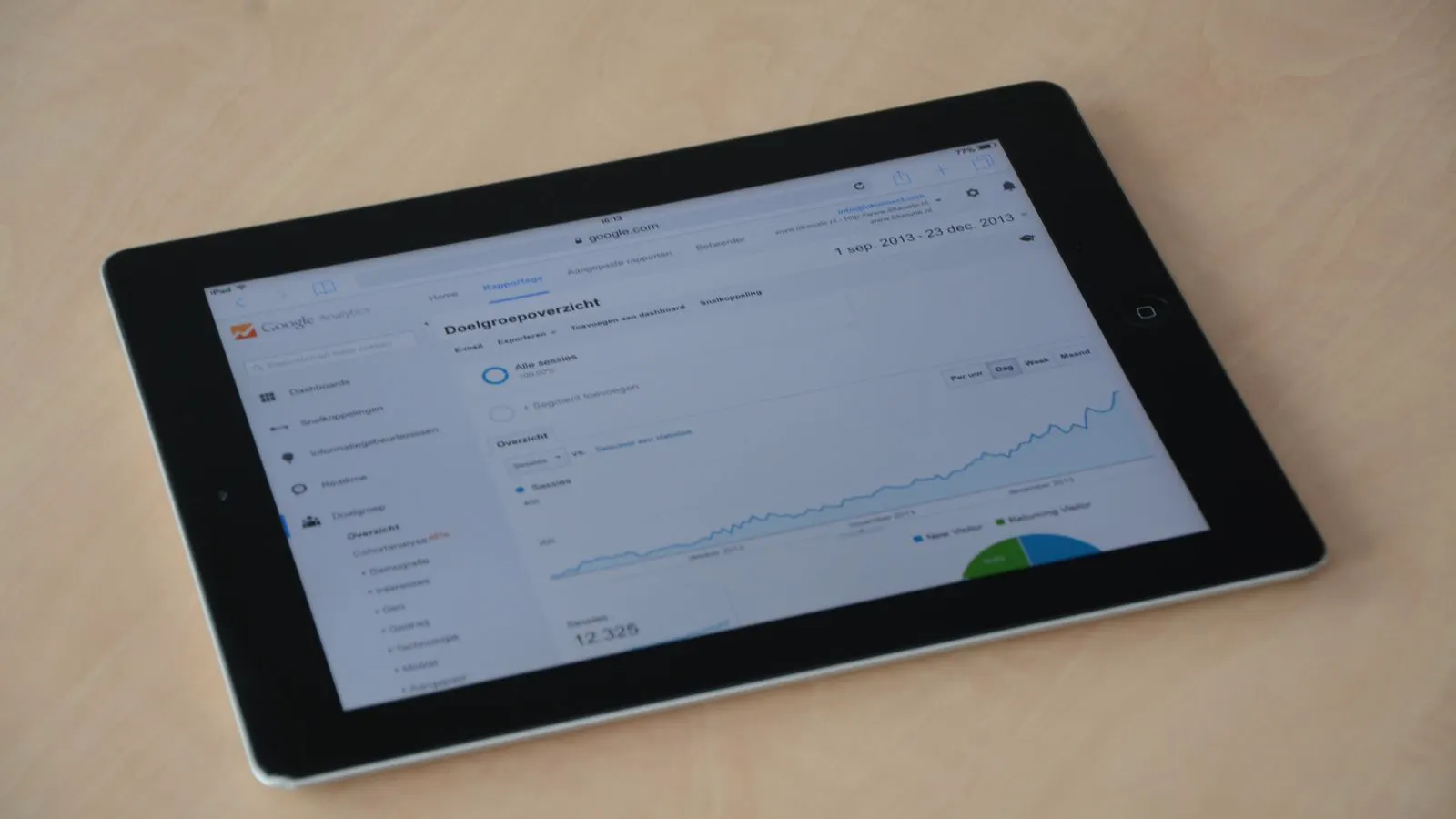
Telematics data is changing how equipment is financed. Lenders use real-time machine usage to set rates and terms. Buyers should prepare for more flexible, data-driven dynamic equipment financing options.
- Telematics data now directly influences interest rates and lease conditions.
- Performance-based pricing rewards efficient operation and penalizes poor utilization.
- Buyers must clean and structure their machine data before financing negotiations.
- Residual value calculations are moving closer to actual usage patterns.
- Contracts are shifting from static terms to variable, data-linked structures.
The financing desk is no longer separated from the machine yard. When a fleet manager submits a lease application, the underwriter now has access to the same telematics stream that tracks the operator. This shift moves risk assessment from annual estimates to daily reality. The result is a new category of credit that adapts to how the iron actually works.
Dynamic equipment financing is reshaping the capital structure for heavy plant. Instead of a fixed rate based on a model year and a static utilization guess, lenders are beginning to price risk using live engine hours, load cycles, and geofencing data. This changes the negotiation table. The buyer is no longer just arguing over the purchase price. The buyer is negotiating the data rights, the reporting frequency, and the penalty clauses that tie the interest rate to machine performance.
How the Underwriting Model Has Changed
Traditional machinery finance relied on collateral value and the borrower’s credit score. The machine was a static asset. Its value dropped by a set percentage each year. The loan terms were set once, at signing.
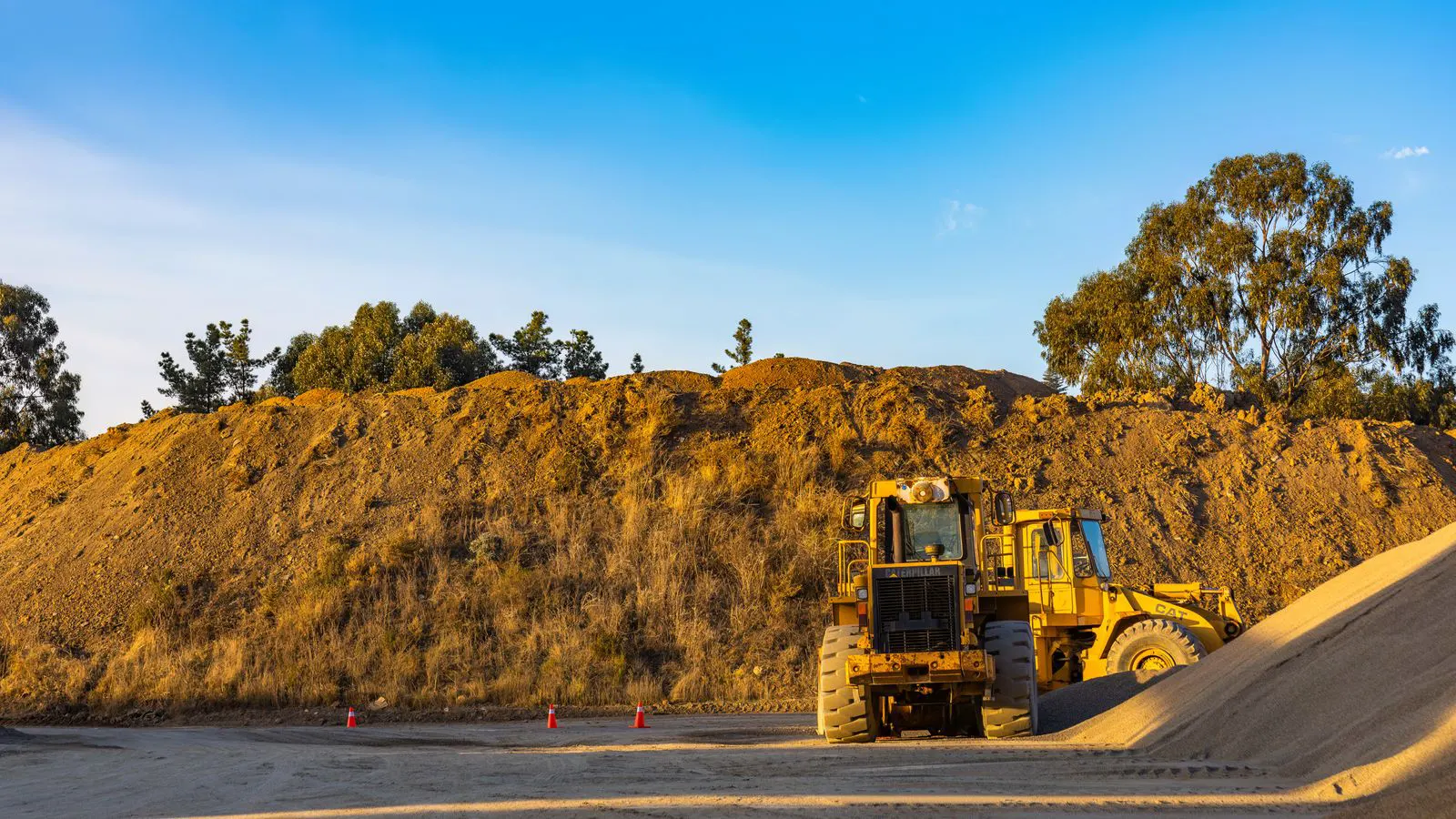
Now the collateral is a stream of data points. A loader operating in a dense urban environment has different risk profiles than the same model running an open-pit cycle. Telematics providers send this context to the lender. The lender calculates the probability of default based on actual usage intensity. If the machine sits idle for a month, the risk profile shifts. If the machine runs continuously, the wear profile shifts. The financing model tracks both.
This creates a feedback loop. The machine’s behavior influences the cost of capital. The cost of capital influences the decision to operate or park. A fleet manager must now understand how their operational choices feed back into their financing terms.
The Rise of Performance-Based Pricing
Performance-based pricing is the most visible shift. In this structure, the interest rate or monthly payment adjusts based on predefined KPIs. Common KPIs include utilization rates, fuel efficiency per hour, and maintenance adherence.
If a fleet maintains high utilization without exceeding recommended service intervals, the rate may drop. If the same fleet pushes machines beyond their service thresholds, the rate may rise. This is not a penalty. It is a risk adjustment. The lender is pricing the expected wear and tear.
Buyers often resist this because it introduces uncertainty into budgeting. A fixed rate is easy to model. A variable rate requires scenario planning. However, the upside is significant for well-managed fleets. A fleet that operates efficiently and keeps machines in prime condition can lower its cost of capital over the lease term. A fleet that struggles with maintenance will see costs creep up.
Residual Value and Data Accuracy
Residual value is the estimated worth of the machine at the end of the lease. It is the number that determines the difference between the purchase price and the total amount financed. In traditional leases, residual value is a static number based on market trends.
With telematics, residual value becomes a moving target. If a machine’s data shows it has been operated gently and within spec, the residual value estimate may be higher. If the data shows heavy, abusive use, the residual value estimate drops. This directly impacts the monthly payment. A lower residual value means the lender expects to lose more money on the repossessed asset, so they demand a higher down payment or a lower initial loan amount.
This shifts the burden of data accuracy onto the buyer. If the telematics unit is installed incorrectly, or if the machine is used outside the defined geofence without flagging it, the data feed becomes noisy. Noisy data leads to conservative underwriting. Conservative underwriting leads to worse terms.
Contractual Risks and Data Ownership
The legal structure of these new financing models is still maturing. The most common dispute point is data ownership. The machine owner expects to own the operational data generated by their asset. The telematics provider owns the platform. The lender consumes the data for underwriting.
Contracts now need clear clauses on what data is shared, how often, and for what purpose. A buyer who signs a generic lease agreement without reviewing the data annex may find their operational details exposed to multiple third parties. This is a privacy and commercial risk.
There is also the issue of data gaps. What happens if the machine is taken to a remote site with no signal? Does the lender assume the worst? Does the system default to a high-risk profile? Buyers should negotiate fallback terms. A standard clause should state that data gaps do not automatically trigger rate increases. The risk adjustment should be based on verified usage, not assumed usage.
Preparation Checklist for Fleet Managers
Preparing for these financing models requires a shift in how you manage your fleet’s information infrastructure. The data must be clean, consistent, and actionable.
- Audit your current telematics coverage. Ensure every asset in the financing pool is connected to a reliable data feed.
- Define your KPIs. Work with your finance team to identify which metrics matter most. Utilization? Fuel burn? Service adherence?
- Standardize your operating protocols. If your operators follow a specific procedure for engine start-up and shutdown, document it. This consistency helps the data look clean.
- Review your lease agreements. Look for clauses that define how data is used. Ensure you have the right to audit the data feed before it reaches the lender.
- Build a scenario budget. Model your cash flow under three conditions: high performance, average performance, and low performance. Understand the range of possible monthly payments.
The Role of the Fleet Manager
The fleet manager is no longer just an operator. They are a data steward. The quality of the data they produce directly affects the cost of the fleet. A manager who ignores maintenance alerts to keep a machine running is increasing the financing cost of every unit. A manager who enforces service intervals and tracks utilization is lowering the cost of capital.
This changes the internal conversation. Finance is now part of the daily operations meeting. The fleet manager and the finance director are looking at the same dashboard. The machine’s health is a financial metric. The engine hours are a cost line. The idle time is a revenue leak.
The shift is toward integration. The boundary between the machine yard and the finance department is dissolving. The best outcomes come from treating the machine as a data-generating asset that requires disciplined management to maximize its financial return.
Table: Comparing Financing Structures
| Feature | Traditional Lease | Telematics-Linked Lease |
|---|---|---|
| Interest Rate | Fixed at signing | Variable, tied to KPIs |
| Risk Assessment | Credit score and asset value | Credit score, asset value, and usage data |
| Data Requirement | Minimal, mostly for asset tracking | High, requires real-time streaming |
| Residual Value | Static estimate | Dynamic estimate based on usage history |
| Maintenance Link | Separate from financing | Directly impacts rate and residual value |
| Budgeting Complexity | Low | High, requires scenario modeling |
The table above highlights the operational difference. The traditional lease is a simple exchange of goods for money over time. The telematics-linked lease is a complex relationship between the asset, the operator, and the capital provider. The buyer is no longer just buying a machine. They are buying a data pipeline and a performance contract.
Navigating the Transition
The transition to dynamic equipment financing is not optional for larger fleets. It is becoming the standard for any fleet that wants access to competitive credit terms. The lenders that offer these models are the ones with the best data access. The buyers who refuse to engage with this data are the ones who will be priced out.
The preparation is straightforward. Clean your data. Define your metrics. Understand the legal implications of sharing your operational data. Budget for the variability. The machine is the asset. The data is the lens through which the asset is valued. When you align your operations with the data requirements of your financiers, you turn the machine’s performance into a financial advantage.
The future of machinery finance is not just about the machine. It is about the truth of the machine. The data tells the truth. The financing model prices the truth. The buyer must be ready to live with that truth.
Frequently asked questions
Does telematics data always lower financing costs?
No. It only lowers costs if the data shows efficient, well-maintained operation. Poor usage patterns can increase the rate.
What happens if my machine loses signal?
Most contracts have fallback clauses. The lender may use last known data or assume a conservative risk profile. Check your agreement for this specific term.
Can I switch lenders if my data shows better performance?
Yes. Telematics data is portable if you own the machine. You can use your usage history to negotiate better terms with a new lender.
Is dynamic equipment financing only for large fleets?
It is most common in large fleets, but mid-sized operators with multiple units are increasingly accessing these models.
Who owns the data generated by the machine?
This is a contractual matter. You should negotiate the data ownership clause in your lease agreement. Do not assume default ownership.