Cost and Lead Time: Sourcing Hybrid Excavator Batteries
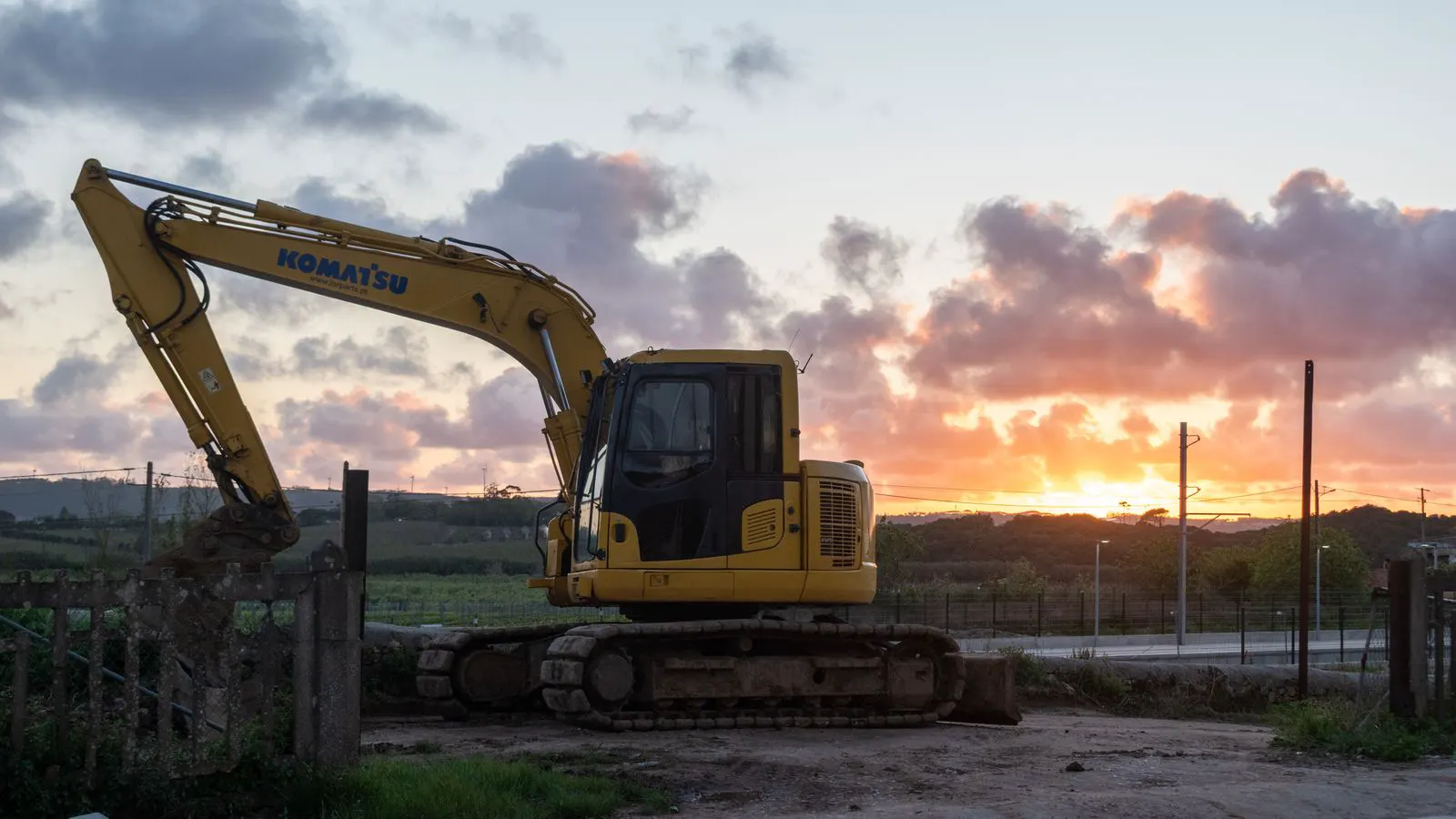
Sourcing hybrid excavator batteries involves complex pricing based on capacity, chemistry, and regional supply chains. Lead times often extend from weeks to months due to import delays and parts procurement. Clear RFQs and fair quote comparisons reduce risks for fleet buyers.
- Battery costs depend on capacity, chemistry, and regional supply chain conditions, making early market research essential.
- Equipment import delays and spare parts procurement can extend delivery times significantly, requiring buffer periods.
- A clear RFQ with detailed specifications helps vendors provide comparable quotes and reduces rework.
- Comparing quotes fairly requires standardizing assumptions about warranty, installation, and logistics.
- Sourcing hybrid excavator batteries is a strategic decision that impacts fleet uptime and maintenance budgets.
What Drives the Price of Hybrid Excavator Batteries
Hybrid excavator battery sourcing starts with understanding what actually moves the number on the invoice. The core component is the battery pack itself, which includes cells, a battery management system, cabling, and protective casing. Cell chemistry and capacity dictate the largest share of the cost. Higher capacity packs hold more energy, increasing the number of cells required and raising material costs.
The battery management system adds another layer of pricing. It monitors voltage, temperature, and state of health in real time. A more advanced BMS with detailed diagnostics and longer warranty coverage costs more than a basic unit. Cabling and connectors are often overlooked in initial estimates, but they represent a meaningful share of the total. Heavy gauge copper conductors and reinforced connectors cost more than standard components, and the quantity scales with the size of the machine.
Regional supply chain conditions also affect pricing. Some regions have established manufacturing capacity for battery components, while others rely on imports. When a fleet buyer sources from a region with limited local supply, prices can rise due to logistics and currency fluctuations. The battery supply chain includes raw material extraction, cell manufacturing, pack assembly, and final testing. Each step adds time and cost, and disruptions at any point can ripple through the final price.
How Lead Time Is Determined in the Sourcing Process
Lead time is not a single number. It is a chain of dependent activities, and the longest link determines the overall delivery date. The first step is specification confirmation. If the buyer and vendor disagree on capacity, voltage, or interface standards, the timeline stalls while revisions are exchanged.
After specifications are agreed, the vendor checks inventory. If a standard pack is available, lead time can be short. If a custom build is required, the process moves to cell procurement. Cell manufacturing is the most time intensive step. Cells are not produced to order in most cases. Vendors may need to reserve capacity on a production line, which can add weeks to the timeline.
Assembly and testing come next. Each pack is built, then subjected to electrical and safety tests. These tests verify that the pack holds charge, responds correctly to the BMS, and meets thermal limits. A failure during testing triggers a rework cycle, adding days or weeks to the schedule.
Logistics is the final phase. Shipping a battery pack requires specialized handling. The pack is heavy, and it may need temperature control during transport. Customs clearance adds another variable. Equipment import delays are common when documents are incomplete or when the destination port has congestion. Buyers should not assume that a factory completion date equals a delivery date.
How to Write a Clear RFQ for Hybrid Batteries
A vague request produces a vague quote. If the RFQ does not define the machine model, the battery role, and the operating profile, the vendor must guess. That guessing leads to either an overdesigned pack or an undersized one, both of which create problems later.
Start with the machine details. Include the make, model, and serial number range of the excavators. State whether the battery will be a drop-in replacement or a new installation. If it is a new installation, provide the electrical interface requirements, such as voltage, current draw, and connector types.
Define the operating profile. Describe the duty cycle, ambient temperature range, and expected number of charge cycles per year. This information helps the vendor select the right chemistry and cell configuration. A battery for a hot desert environment needs different thermal management than one for a cold northern region.
Specify the documentation requirements. Request a detailed bill of materials, a warranty statement, and a test report from the final pack. If the battery will be imported, ask for the certificate of origin and any required safety data sheets. These documents are not optional. They are the foundation of a fair comparison between quotes.
How to Compare Quotes Fairly Across Vendors
Vendors often structure their quotes differently, which makes side-by-side comparison difficult. One quote may include the battery pack and installation. Another may quote the pack only. A third may bundle spare parts and extended warranty. To compare fairly, normalize every quote to the same baseline.
Create a comparison table that lists each vendor and the following line items: pack price, BMS price, cabling, connectors, installation, testing, warranty period, spare parts included, and shipping. If a vendor does not provide a line item, mark it as not specified. This reveals hidden costs and forces the vendor to clarify.
Check the warranty terms carefully. A longer warranty sounds better, but the conditions matter more than the length. Read the exclusions. Does the warranty cover cell failure only, or does it include the BMS and cabling? What happens if a cell fails due to overvoltage or a connector issue? Some warranties exclude damage from improper storage or extreme temperatures.
Logistics terms are another area where quotes diverge. One vendor may ship to the port. Another may deliver to the site. The cost difference is significant. Factor in the time required for customs clearance and the risk of damage during transit. A cheaper quote that arrives in a damaged state is not a bargain.
Cost Drivers and Their Impact on Budget
The table below summarizes the primary cost drivers and how they affect the final budget for hybrid excavator battery sourcing.
| Cost Driver | Description | Budget Impact |
|---|---|---|
| Cell Chemistry and Capacity | Number of cells and energy density | High. Larger capacity increases cell count and material cost. |
| Battery Management System | Complexity of monitoring and control | Medium to High. Advanced diagnostics add cost. |
| Cabling and Connectors | Gauge, length, and durability | Medium. Heavy gauge and reinforced parts cost more. |
| Regional Supply Chain | Local manufacturing vs. import | Medium to High. Imports add logistics and currency risk. |
| Warranty and Testing | Duration and scope of coverage | Medium. Longer warranties and stricter tests raise price. |
| Installation and Service | Labor, tools, and site access | Medium. Custom installations take longer and cost more. |
The cell chemistry and capacity line usually dominates the budget. If the fleet requires a higher capacity pack than the previous model, the cost increase will be the most visible. The BMS and cabling are smaller line items, but they add up quickly across a fleet. A single excavator may have a modest BMS cost, but a fleet of twenty machines multiplies that cost.
Managing Supply Chain and Import Risks
The battery supply chain is global. Raw materials are extracted in several regions, cells are manufactured in a handful of facilities, and packs are assembled in different locations. This structure creates vulnerability. A disruption at a raw material supplier can delay cell production. A disruption at a port can delay pack delivery.
Equipment import delays are a common pain point. They occur when shipping documents are incorrect, when the destination country changes its import regulations, or when the port is congested. To mitigate this risk, buyers should build buffer time into their project schedule. Do not plan fleet upgrades around a single delivery date. Plan around a window.
Spare parts procurement adds another layer of complexity. Batteries are not the only component that needs replacement. Connectors, sensors, and cabling can fail. If the vendor does not include spare parts in the quote, the buyer must source them separately. This can be difficult if the parts are proprietary or if the vendor has discontinued the model.
Practical Steps for Fleet Buyers
- Identify the exact machine models and battery specifications required.
- Request quotes from at least three vendors with the same RFQ.
- Normalize all quotes to a common baseline using a comparison table.
- Verify warranty terms, test reports, and logistics conditions.
- Build buffer time into the project schedule for import and installation.
- Confirm spare parts availability before signing the contract.
These steps are not optional. They are the standard practice for reducing risk in a complex procurement process. A fleet buyer who skips these steps often discovers problems after the equipment is on site, when the cost to fix them is higher.
When to Seek Additional Support
Some projects are too complex for a single buyer to manage alone. If the fleet spans multiple regions, or if the battery specifications are custom, consider engaging a technical consultant. A consultant can review the RFQ, validate the vendor quotes, and help with the installation planning.
The goal is not to find the cheapest battery. The goal is to find the right battery for the machine, delivered on time, with a warranty that covers the operating profile. Hybrid excavator battery sourcing is a strategic decision. It affects uptime, maintenance costs, and the overall performance of the fleet. Treat it with the same level of care as the machine itself.
Frequently asked questions
What is the typical lead time for sourcing a hybrid excavator battery?
Lead times vary widely. Standard packs can ship within weeks, while custom builds can take several months. The main delays come from cell procurement, assembly testing, and equipment import delays.
What documents should I include in my RFQ for a hybrid battery?
Include the machine model, battery role, capacity and voltage, operating profile, and documentation requirements. A clear RFQ helps vendors provide comparable quotes and reduces rework.
How do I compare quotes from different vendors fairly?
Normalize all quotes to a common baseline. Create a table that lists the pack price, BMS, cabling, installation, warranty, and shipping. This reveals hidden costs and allows a direct comparison.
What are the main risks in the battery supply chain?
The main risks are disruptions at the raw material or cell manufacturing stage, logistics delays, and equipment import delays. Build buffer time into your schedule to account for these variables.
Should I include spare parts in my battery procurement?
Yes. Spare parts such as connectors, sensors, and cabling can fail. If they are not included in the quote, you must source them separately, which can be difficult and costly.