Explainer: How Fuel Efficiency Impacts Machinery Budgets
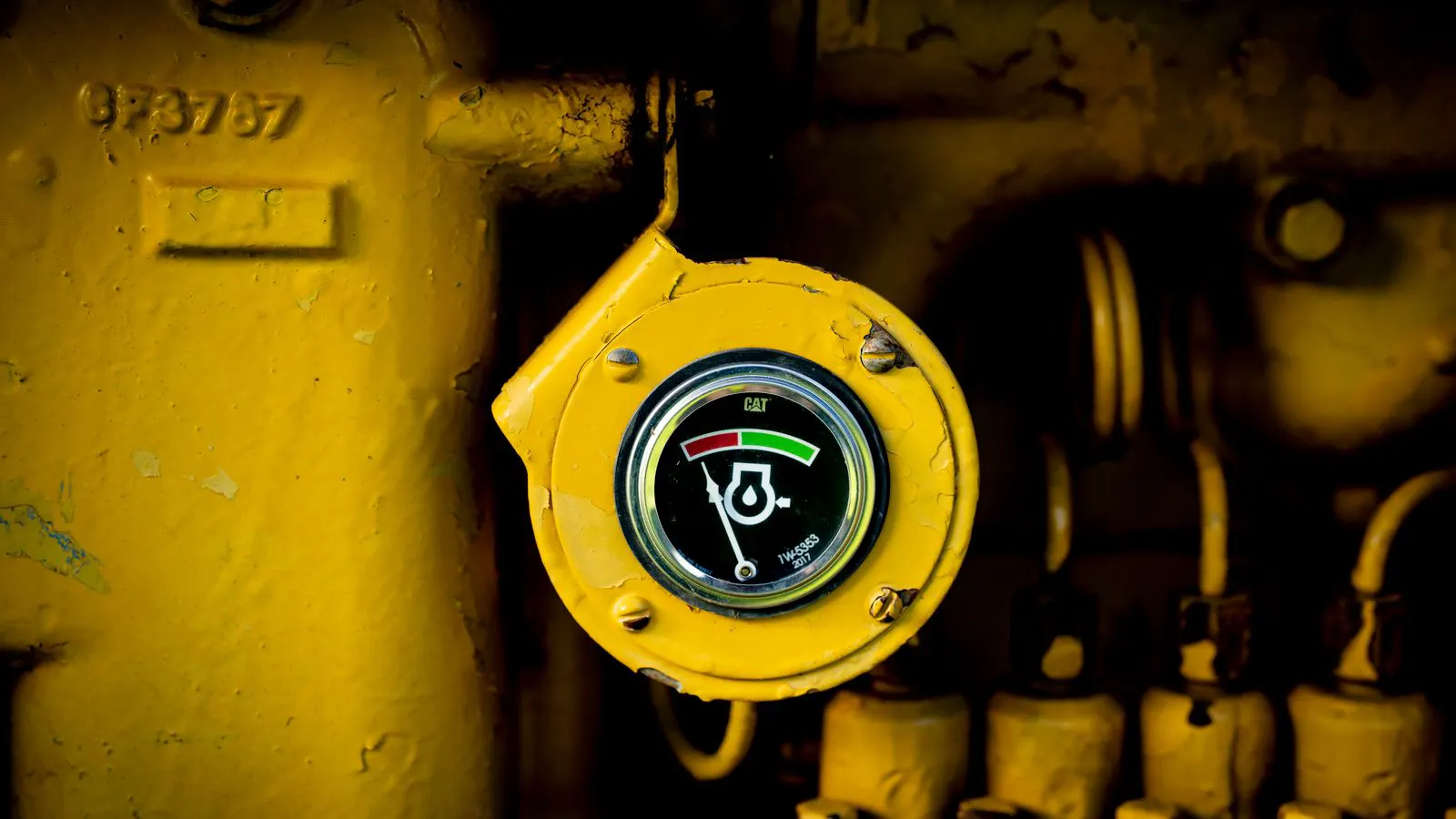
Fuel efficiency directly drives machinery operating costs. Better consumption rates reduce fuel spend, improve lease residual values, and lower total cost of ownership. This guide breaks down how to evaluate fuel metrics for equipment budgeting and financing decisions.
- Fuel consumption rates directly determine the largest variable operating expense for diesel-powered machinery.
- Fuel efficiency impacts not just operating costs but also financing terms, insurance premiums, and residual value.
- Always model total cost of ownership using realistic fuel consumption rates, not just purchase price or lease rate.
- Modern machinery with improved efficiency can offset higher upfront costs through lower fuel spend over the machine's life.
- Track actual fuel data from the field to validate manufacturer claims and refine future budgeting.
What Does Fuel Efficiency Mean in Machinery Operations
Fuel efficiency in construction machinery refers to how much work a machine performs per unit of fuel burned. For diesel-powered equipment, this is measured in liters of fuel consumed per hour of operation, or per unit of work such as cubic meters of earth moved. The metric matters because fuel is typically the largest single operating expense for most fleets.
A machine that burns 15 liters per hour versus one that burns 12 liters per hour creates a meaningful gap in annual operating costs, even before accounting for maintenance differences. The difference compounds over thousands of operating hours.
This distinction between purchase price and operating cost is where many budgeting decisions go wrong. A slightly more efficient machine may cost more to buy or lease but save significantly on fuel over three or four years of service.
How Fuel Consumption Rates Shape Operating Expense Management
Fuel consumption rates are the raw data behind every operating expense line item tied to fuel. These rates vary by machine type, engine size, duty cycle, and operator technique. A backhoe loader in intermittent digging work consumes fuel differently than a dozer on continuous grading.
Three factors drive consumption rates in the field:
- Idle time. Machines left running during short breaks or between tasks burn fuel without producing work.
- Load and terrain. Moving heavy material uphill or through soft ground increases consumption per hour.
- Engine technology. Newer machines with common rail injection, turbocharging, and emissions controls often burn less fuel per unit of work.
Fleet managers who track actual liters per hour against the machine’s rated consumption can identify outliers. A machine consistently burning 20 percent more than expected may need service, have a clogged filter, or be operated in a way that wastes fuel.
Operating expense management starts here. If you know your average consumption rate and your average fuel price, you can project annual fuel spend with reasonable accuracy. That projection goes directly into the operating budget line item.
How Efficiency Metrics Influence Sourcing Decisions
When sourcing machinery, buyers often compare sticker price first. That approach misses the larger cost driver. A vendor-neutral evaluation should compare machines on a cost-per-hour basis that includes fuel, maintenance, and downtime.
Consider two excavators of similar size and capability. Machine A is priced 5 percent higher than Machine B. Machine A has a 10 percent lower fuel consumption rate. Over a three-year lease with 2,000 operating hours per year, the fuel savings on Machine A can exceed the upfront price difference.
This is where fuel efficiency becomes a sourcing criterion, not just an operating metric. The decision shifts from “which machine is cheaper to buy” to “which machine is cheaper to run.”
Buyers should ask vendors for:
- Rated fuel consumption at rated power output.
- Real-world consumption data from comparable applications.
- Engine specifications that explain efficiency differences, such as displacement, turbo configuration, and emissions control type.
Without this data, you are budgeting on assumptions rather than evidence.
A Worked Example in Plain Words
Imagine a fleet manager evaluating two mid-size excavators for a residential development project. Both machines are suitable for the same work. The project will run 1,800 hours over two years.
Machine A is the base model. It is priced lower. Its rated fuel consumption is 14 liters per hour.
Machine B is the efficiency model. It is priced 8 percent higher. Its rated fuel consumption is 11.5 liters per hour.
Over 1,800 hours, Machine A burns 25,200 liters. Machine B burns 20,700 liters. The difference is 4,500 liters.
At a fuel price of 1.80 per liter, the fuel cost difference is 8,100. The upfront price difference on Machine B, assuming a 250,000 purchase price, is 20,000.
Machine B costs more to buy. But over two years, it saves 8,100 on fuel. The net picture depends on maintenance differences, residual value, and whether the machine will be used for more than two years.
The key point is that the fuel metric moved the decision from a simple price comparison to a total cost comparison. That is the whole point of fuel efficiency in budgeting.
The Table: Comparing Fuel Impact Across Key Budget Lines
The table below shows how a typical fuel consumption difference plays out across different budget categories. The numbers are illustrative only, meant to show the structure of the calculation, not specific prices.
| Budget Line | Low Efficiency Machine | High Efficiency Machine | Difference Driver |
|---|---|---|---|
| Annual fuel spend | Higher | Lower | Liters per hour times hours times fuel price |
| Maintenance intervals | Shorter or same | Longer or same | Lower thermal stress on engine components |
| Lease residual value | Lower | Higher | Buyers pay more for efficient machines |
| Insurance premium | Slightly higher | Slightly lower | Lower operating risk, lower emission profile |
| Downtime for refueling | More frequent | Less frequent | Larger effective fuel reserve per tank |
| Carbon compliance risk | Higher | Lower | Emissions per hour of work |
The fuel spend row is the largest single line. The residual value row is often overlooked. A machine that consumes less fuel holds its value better at the end of a lease term. That value comes back to the fleet when the machine is sold or traded.
How Efficiency Affects Financing and Lease Terms
Fuel efficiency is not just an operating number. It moves into financing conversations.
Lenders and lessors underwrite leases based on residual value assumptions. A machine expected to retain more value at the end of the term is easier to finance. That can mean lower monthly payments, smaller down payments, or more flexible lease lengths.
There are three direct ways efficiency shapes financing:
- Lower operating cost improves debt service coverage. If fuel spend is lower, the cash flow available to service loan payments is higher.
- Higher residual value reduces the lessor risk. That risk discount can appear as lower lease rates.
- Emissions compliance reduces future regulatory risk. A machine that will still meet future standards is a safer asset to finance.
This is why hybrid and electrified options are entering the financing conversation. Even if the purchase price is higher, the fuel savings and lower emissions profile change the risk profile of the asset. The financing terms adjust accordingly.
Buyers should not treat financing as separate from fuel efficiency. The two are linked through the total cost of ownership model.
Practical Checks Before You Commit to a Purchase
Before signing a purchase order or lease agreement, run these checks:
- Get the rated consumption from the operator’s manual, not just the marketing brochure.
- Ask the dealer for real-world data from similar applications in your region.
- Model the fuel cost at three fuel price scenarios: low, mid, and high.
- Check the maintenance schedule. Efficient engines sometimes have different service intervals.
- Ask about residual value history for that model in your market.
- Confirm the machine’s emission stage. A newer stage may cost more but holds value better.
The most common mistake is budgeting fuel at last year’s price and last year’s consumption rate. Fuel prices shift. Duty cycles shift. If your model does not include a fuel price sensitivity check, your operating budget is fragile.
A simple habit helps. Track actual liters per hour from the field for the first 500 hours of any new machine. Compare that to the rated rate. If the gap is larger than expected, investigate before it becomes a recurring cost.
Fuel efficiency is not a single number on a spec sheet. It is a budgeting variable that touches purchase price, operating cost, maintenance, financing, and residual value. The machines that win on price today may lose on cost tomorrow if the fuel math is not done properly.
Frequently asked questions
What is the best way to compare fuel efficiency between two machines of the same type?
Use rated liters per hour at rated power output, then adjust for expected duty cycle. A machine that burns less fuel in heavy work may consume more in light work than a different model. The comparison should reflect the actual application, not just the spec sheet.
Does fuel efficiency matter for leased equipment the same way it matters for owned equipment?
Yes, and sometimes more. With a lease, the residual value at term end matters to the lessor. A more efficient machine often holds value better, which can reduce lease payments or improve the trade-in value at the end of the term.
Can operator technique change fuel consumption enough to affect the budget?
Yes. Aggressive operation, excessive idling, and poor travel routes can increase consumption by a meaningful margin. Training and dispatch discipline can recover a portion of the fuel spend without changing the machine.
How often should I review fuel data for my fleet?
At minimum, monthly for each machine or asset group. Weekly tracking is useful during new projects or when fuel prices are volatile. Look for trends, not single readings. A one-day spike may mean nothing. A two-week trend of higher consumption per hour is a signal.
Is there a simple rule of thumb for how much fuel savings to expect from a more efficient model?
No single rule covers all applications. Efficiency gains vary by engine generation, duty cycle, and operating environment. The honest approach is to model the specific consumption difference for your application. If a vendor cannot provide comparable data, treat the savings claim as unverified.