Future of Fleet Financing: Digital Leasing and Tech
Digital leasing and tech in construction are changing fleet financing by making data accessible, reducing admin work, and tightening risk controls. Buyers should plan for real-time valuation, digital contracts, and integrated asset tracking to keep equipment costs predictable.
- Digital leasing changes how lease terms are set by tying payments to real operating data.
- Buyers should expect tighter documentation and fewer manual checks during fleet financing.
- Equipment owners need clean service records and asset IDs to qualify for better terms.
- Financing decisions should account for how data feeds affect depreciation and resale.
- Prepare staff for more digital handoffs and fewer paper-based approvals.
What changed in fleet financing
Fleet financing used to rely on a fixed set of documents: purchase price, machine hours, maintenance logs, and a credit check. Those inputs still matter. What has changed is the speed and granularity of the data behind them.
Lenders and lessors now pull more from the machine itself. Engine diagnostics, telematics, GPS, and service records feed into underwriting. That means a lease application is no longer just a paperwork exercise. It becomes a data review.
The practical effect is smaller. The same equipment can be financed at different terms depending on how clean the data is. A fleet with consistent service history and live telemetry often gets smoother approvals. A fleet with gaps in records or inconsistent operating patterns may face tighter limits or higher rates.
For buyers, this changes the pre-purchase decision. You are not only comparing machines. You are comparing how well each machine will perform under digital monitoring.
How digital leasing works in practice
Digital leasing replaces much of the manual work in traditional leasing. Instead of signing a paper contract and then waiting for a technician to inspect the unit, the machine is registered, its serial number is linked to a platform, and the lease terms are generated around that record.
The machine data becomes part of the lease. Hour meters, fault codes, location history, and service intervals are captured through the same system that handles payments. If a unit hits a threshold, the platform can flag it. If a service interval is missed, the flag appears in the lease file.
This changes what a lease agreement actually says. Older leases often relied on the customer to report hours and maintenance. Newer leases can reference the data feed directly. The customer may still need to approve the terms, but the underlying numbers are not estimates.
There is a trade-off. More transparency helps both sides. It also means there is less room to dispute a missed service or an unreported hour. If your operation relies on manual logs, you need to clean that process before applying.
What tech in construction brings to equipment acquisition
Tech in construction does not only mean cameras and sensors. It also means the software that connects the machine to the finance system.
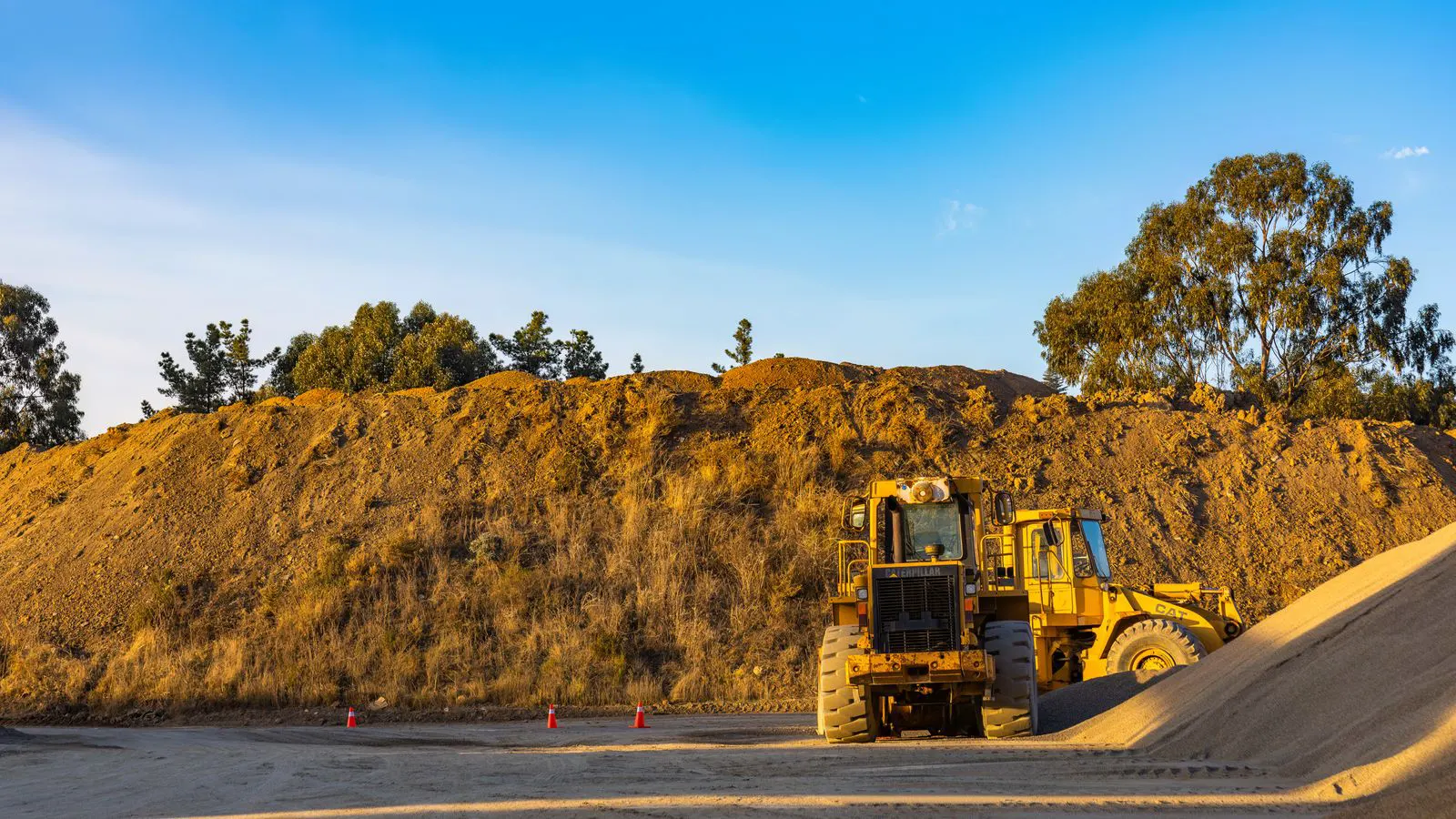
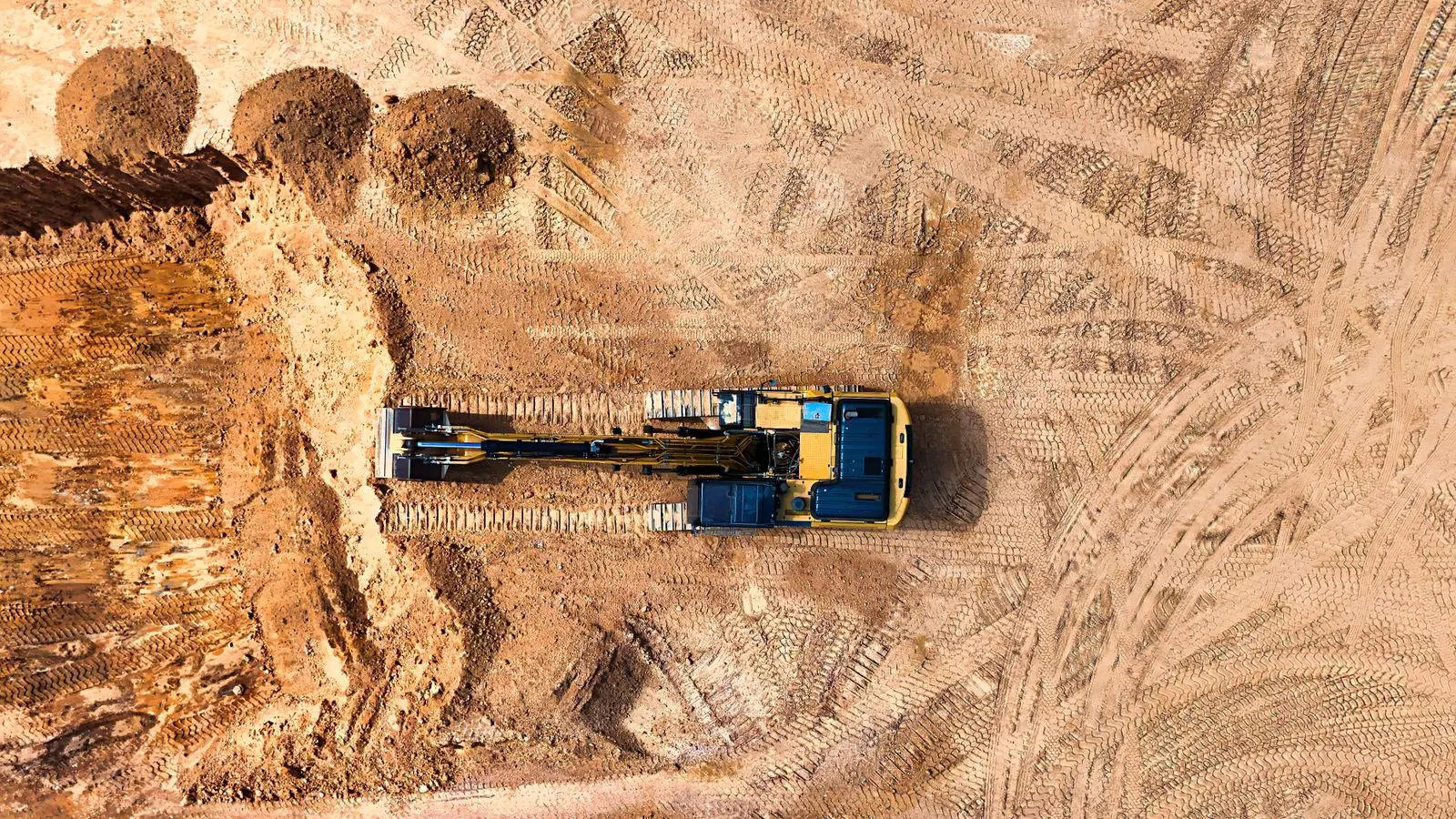
When a tracked excavator or wheel loader is connected to a fleet management platform, the data flows into several places at once. The operator sees it on a tablet. The site manager sees it on a dashboard. The finance team sees it when the lease is reviewed.
This changes the pre-purchase conversation. Before buying, you can review the machine’s operating profile. A unit that has been idling too much, running at high load without maintenance, or sitting in a yard for long stretches will show that pattern. It may still be a good asset, but it changes the financing picture.
The same applies to used equipment. A machine with a strong service history and a steady operating pattern is easier to finance than one with a history of downtime. The difference is not always in the machine itself. It is in how the data tells the story.
Five shifts buyers should plan for
-
Underwriting becomes data-driven. Your credit profile matters, but so does the machine’s operating history. Clean logs and active telemetry reduce friction.
-
Lease terms move closer to real usage. Payments and renewals may be tied to actual hours or service events, not just a fixed schedule.
-
Documentation becomes stricter. Missing service records or unclear ownership history can slow approval.
-
Asset tracking becomes part of the lease. If the machine is not registered or not linked to the platform, the lease may not activate.
-
Resale value is affected by data quality. A machine with a full digital record is easier to sell to a buyer who also wants digital financing.
These shifts are not optional. They are becoming standard in how equipment is financed.
How to prepare your fleet for digital leasing
Start with the basics. Every unit in the fleet needs a clear asset ID. That ID should be visible on the machine, in your maintenance software, and in your finance records. If the ID is missing or inconsistent, the data feed will be weak.
Next, review your service records. A digital lease underwriter will look for consistency. If a machine had a major service at 500 hours, the next one should appear around 1000 hours. If there are gaps, the system flags them. You do not need perfect records, but you need records that make sense.
Third, check your operator practices. If operators are not logging hours or reporting faults, the data will be incomplete. A digital lease does not care whether the hours are real. It cares whether the system sees them.
Finally, choose a fleet management platform that can talk to the finance system. You do not need a system with every feature. You need one that exports clean data in the format the lessor or lender expects.
A practical comparison of financing approaches
| Approach | Data used | Typical buyer benefit | Main risk |
|---|---|---|---|
| Traditional lease | Purchase price, hours, credit | Simple terms, familiar process | Manual checks can create delays |
| Digital lease | Telematics, service logs, live hours | Faster approval, usage-based terms | Requires clean machine data |
| Loan with tracking | Telematics, asset value, cash flow | Flexible repayment | Higher scrutiny on operating data |
| Deferred payment | Service history, asset condition | Lower upfront cost | Depreciation and data gaps matter |
| Hybrid financing | Mixed data sources | Balanced risk and cost | More complex setup |
No single approach fits every fleet. A small contractor with two machines may be better served by a simple loan. A larger operator with a full fleet and active telematics may get better terms from a digital lease. The decision comes from how well your data can support the financing structure.
What to check before signing a digital lease
Before you sign, ask for the data feed documentation. You should know what data is captured, how often, and where it is stored. If the platform does not give you a clear answer, slow down.
Check the service interval rules. If the lease requires service at 250 hours, make sure your maintenance schedule matches that. If your normal interval is 300 hours, the lease may flag the machine early.
Review the fault code handling. Some leases treat certain fault codes as triggers. A minor sensor fault can become a lease event if the system is set that way. You want to understand what counts as a trigger.
Look at the renewal terms. A digital lease may offer renewal based on usage. If your fleet runs more hours than expected, the renewal cost can change. Ask how the renewal is calculated before you commit.
Finally, confirm the exit process. If you sell the machine, the lease must transfer or close cleanly. The digital record should make that easier, but it only works if the record is complete.
How to keep your fleet ready for financing changes
Fleet financing is moving toward real time. The machines you buy today will be financed, monitored, and resold with more data than the machines you bought last year. The firms that prepare early will have less friction when it comes time to finance, service, or sell.
The preparation is not complicated. It is just consistent. Keep asset IDs clear. Keep service records current. Keep operator practices tight. Keep your data platform connected to your finance system.
When you do that, fleet financing stops being a paperwork problem. It becomes a management tool.
Frequently asked questions
What is digital leasing?
Digital leasing is a leasing model where machine data, service records, and lease terms are managed through a connected platform. It reduces manual checks and ties payments to real operating data.
Do I need telematics to get fleet financing?
You do not always need full telematics, but you do need reliable data. Hour meters, service logs, and asset IDs are the minimum. The cleaner the data, the smoother the financing process.
Can used equipment be financed digitally?
Yes, if the machine has a usable digital record. Service history, operating pattern, and asset ID matter more than the machine's age. A well-documented used unit can be easier to finance than a new one with poor records.
What is the biggest mistake buyers make with digital leasing?
The biggest mistake is signing a lease without checking the data rules. If your service intervals, fault code handling, or hour reporting do not match the lease terms, you can get flagged before you even start operating.
How does tech in construction affect equipment resale?
It makes resale easier when the digital record is complete. A buyer can review the machine's history, verify service, and process financing faster. A machine without a clean digital record is harder to sell and may take longer to finance.