Buyer's Guide: Tower Crane Hoist Motor Selection
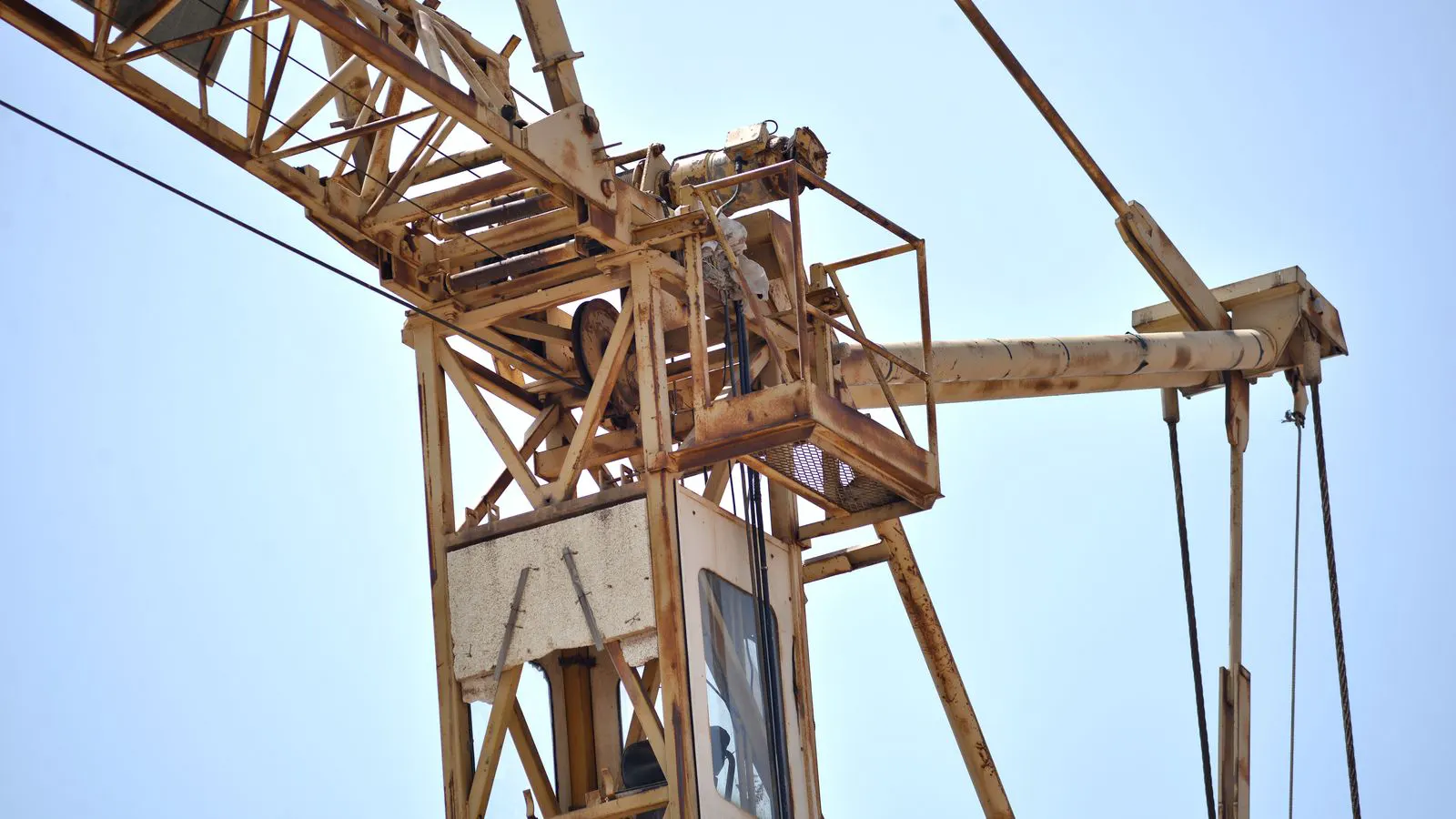
A tower crane hoist motor must match the maximum load, hoist speed, and duty cycle of the specific tower crane. Procurement teams should verify motor nameplate ratings, duty class, and integration requirements before ordering, to ensure safe lifting and reliable service life.
- Match motor torque to the maximum load and hoist speed required by the tower crane.
- Verify the duty class and service profile before selecting a hoist motor.
- Confirm integration requirements for control systems, cooling, and mounting.
- Review manufacturer documentation and application data sheets to avoid mismatched components.
- Use a decision checklist to standardize component selection across projects.
Match motor torque to load and speed
The first step in selecting a tower crane hoist motor is to calculate the torque requirement from the load weight and desired hoist speed. The motor must provide enough torque to lift the maximum rated load at the required speed, with room for acceleration and friction losses.
Buyers should start with the tower crane lifting capacity. This value is defined by the crane design and the load moment diagram. The hoist motor must support the maximum load at the maximum working radius, not just the nominal capacity. If the motor is undersized, the crane will stall under load, overheat, or trip protective devices.
Next, define the required hoist speed. Speed is usually set by the lifting program and job requirements. Faster hoisting requires more power and higher torque. Slower hoisting reduces power demand but may not meet production targets. The torque and speed combination determines the motor size, frame class, and cooling requirements.
A practical check is to compare the required torque against the motor rated torque. The rated torque is the continuous value the motor can deliver at its rated speed. If the required torque exceeds the rated torque, the motor will run continuously at high load. This condition shortens service life and increases maintenance risk.
Choose the correct duty class
Duty class describes how the motor will be used over time. A tower crane hoist motor typically operates in short bursts, holding the load, and reversing direction. This service profile is different from a continuous industrial motor.
The duty class is usually defined by the manufacturer based on the number of starts, run time, stop time, and load percentage. A motor rated for a light duty cycle may overheat when used for frequent heavy lifts. A motor rated for a heavy cycle may cost more than necessary for a lighter application.
Procurement teams should ask for the duty class rating on the nameplate and in the technical data sheet. The rating should match the expected operating pattern of the tower crane. If the crane will lift heavy loads frequently, the motor duty class must reflect that. If the crane will run at light loads most of the day, a lower duty class may be acceptable.
The duty class also affects cooling design. A motor for a heavy cycle will have better cooling and may use a higher insulation class. A motor for a light cycle may use smaller cooling fans and lower insulation. Matching the duty class to the application protects the winding insulation and extends life.
Verify cooling and enclosure requirements
Tower cranes operate in outdoor conditions. The hoist motor will be exposed to rain, dust, temperature changes, and vibration. The cooling method and enclosure rating must suit the site conditions.
The cooling method is usually air-cooled, but some applications use liquid cooling or forced air cooling. Air-cooled motors are common because they are simple and cost-effective. They require clean air and adequate airflow. Dust and debris can reduce cooling efficiency and overheat the windings.
The enclosure rating is defined by the protection class. A higher protection class resists dust and water ingress. In wet or dusty environments, a higher protection class is required. A lower protection class may fail if water or dust enters the motor.
Buyers should check the installation environment. If the crane will be used in coastal areas, rain exposure, or dusty construction sites, the motor protection class must be higher. The cooling method should also be checked for airflow restrictions. If the motor is mounted in a tight space, airflow may be limited. The motor data sheet should specify the minimum free air space for cooling.
Check control and integration requirements
The hoist motor is not a standalone component. It connects to the crane control system, variator, and hoist drum. The motor must be compatible with the control system and the electrical supply.
The control system type is a common factor. Some tower cranes use variable frequency drives. These controls adjust motor speed and torque based on load and speed requirements. The motor must be rated for variable speed operation. If the control system is a fixed speed drive, the motor speed is fixed by the supply frequency and the number of poles.
The electrical supply voltage and frequency must match the motor rating. The motor nameplate lists the voltage, frequency, and power rating. If the supply differs from the motor rating, the motor will not perform correctly. A mismatch can cause overcurrent, overheating, or failure to start.
The hoist drum and gearbox also affect the selection. The gearbox ratio changes the torque and speed at the drum. If the gearbox ratio is high, the motor torque requirement is lower. If the ratio is low, the motor torque requirement is higher. The total system torque must be checked, not just the motor alone.
Review documentation and application data
Before placing an order, review the manufacturer documentation. The technical data sheet, nameplate, and application notes provide the key ratings and service conditions.
The technical data sheet lists the motor power, voltage, speed, torque, duty class, and protection class. These values must match the tower crane requirements. The application notes may include installation dimensions, cooling requirements, and control compatibility.
Buyers should ask the supplier for the application data sheet specific to the tower crane model. The data sheet should show the required torque and speed for the maximum load. If the supplier cannot provide this data, the selection process is incomplete.
The nameplate is the final check. The nameplate must match the technical data sheet. If there is a mismatch, the motor may not be the correct type. A wrong nameplate can lead to a motor that fails under load.
Use a decision checklist
A decision checklist helps standardize the selection process. The checklist should include the key criteria and the required documentation.
Use the table below to evaluate each candidate motor against the tower crane requirements.
| Criterion | What to look for | Why it matters |
|---|---|---|
| Torque rating | Rated torque at rated speed | Ensures the motor can lift the maximum load without stalling |
| Duty class | Manufacturer duty class rating | Matches the motor service profile to the crane operating pattern |
| Hoist speed | Motor speed and gearbox ratio | Determines the lifting speed and productivity |
| Cooling method | Air-cooled or forced air | Prevents overheating in outdoor conditions |
| Protection class | Ingress protection rating | Protects the motor from dust and water ingress |
| Control compatibility | VFD or fixed speed drive | Ensures the motor works with the crane control system |
| Electrical rating | Voltage and frequency | Matches the motor to the site power supply |
The checklist also includes the required documents. The technical data sheet, nameplate, and application notes should be available before purchase. If any document is missing, the selection is not complete.
The checklist should be used for every tower crane component order. It helps avoid mismatched components and reduces the risk of field failures.
Final decision
The correct tower crane hoist motor is selected by matching torque, duty class, cooling, control, and electrical ratings to the crane requirements. The selection process is not a single number. It is a set of checks that must all pass.
Use the criteria table and the decision checklist to evaluate each option. Confirm the application data sheet and the nameplate before ordering. The goal is a motor that lifts the load safely, runs at the required speed, and survives the service conditions.
A well-selected hoist motor reduces downtime and protects the lifting system. A mismatched motor can cause overheating, stalls, and failures. The selection process is simple in principle, but it requires specific data. Do not guess. Use the manufacturer data and the crane lifting capacity to make the decision.
Frequently asked questions
How do I know the required torque for a tower crane hoist motor?
Calculate the torque from the maximum load weight and the desired hoist speed. The motor rated torque must be equal to or greater than the required torque, with margin for acceleration and friction.
What is the difference between a light duty and heavy duty hoist motor?
A light duty motor is rated for short run times and light loads. A heavy duty motor is rated for long run times and repeated heavy loads. The duty class must match the crane operating pattern.
Can I use a standard industrial motor as a tower crane hoist motor?
A standard industrial motor may not have the correct duty class or cooling for a tower crane. Tower crane hoist motors are designed for outdoor service and frequent starts and stops.
What documents should I request before ordering a hoist motor?
Request the technical data sheet, nameplate, application notes, and control compatibility statement. These documents confirm the motor ratings and service conditions.
How does the gearbox ratio affect the motor selection?
The gearbox ratio changes the torque and speed at the hoist drum. A higher ratio reduces the required motor torque. A lower ratio increases the required motor torque. The total system torque must be checked.