Mobile vs Tower Cranes: Capacity and Site Access Comparison

Choose between a mobile crane and tower crane based on capacity, radius, and site access. Tower cranes handle sustained high loads over time, while mobile cranes provide flexible reach and faster deployment for variable work.
- Tower cranes suit sustained heavy lifting on fixed structures with limited ground access.
- Mobile cranes provide flexible radius and quick repositioning for variable lifting zones.
- Site access determines whether a mobile crane can reach the work area without extending booms into restricted space.
- Capacity charts must be checked against load radius and boom configuration for safe lifting.
- Setup time and ground preparation differ significantly between the two crane types.
Capacity Differences in Practice
Tower cranes and mobile cranes solve different lifting problems. A tower crane provides a fixed, high-reach lifting point that stays in place while a building rises. A mobile crane offers a movable lifting point that can travel to different zones during the project.
The capacity comparison starts with the load radius. A tower crane typically lifts heavy loads at short radii from the mast. Its jib extends outward, and the lifting capacity drops as the hook moves farther from the structure. A mobile crane uses a telescopic boom or lattice boom, and its capacity also drops with radius. The key difference is the work pattern.
Tower cranes are designed for repeated lifts at similar radii. They carry structural steel, concrete blocks, and large formwork panels over many days. The operator works in a cab, and the machinery is tuned for consistent, high-volume loads. The load chart is read from the mast position and jib length.
Mobile cranes handle variable loads at different radii in the same shift. They set up, lift, move, and set up again. This flexibility creates a different capacity profile. A mobile crane may lift a heavy load at a short radius, then travel to a new area and lift a lighter load at a longer radius. The operator must re-check the chart after each move.
In practice, a tower crane is often chosen when the structure needs a constant lifting point. A mobile crane is chosen when the lifting point must follow the work front. The capacity decision is not just about maximum tonnage. It is about how much load can be lifted safely at the exact radius where the material is being placed.
Site Access and Ground Conditions
Site access shapes the crane choice more than raw capacity. A tower crane requires a clear, stable foundation area. The mast must stand on prepared ground or a concrete pad. The base plates need proper leveling and ballast. In many projects, the tower crane occupies a fixed corner of the site, and the access road must allow the jib to swing without hitting other structures.
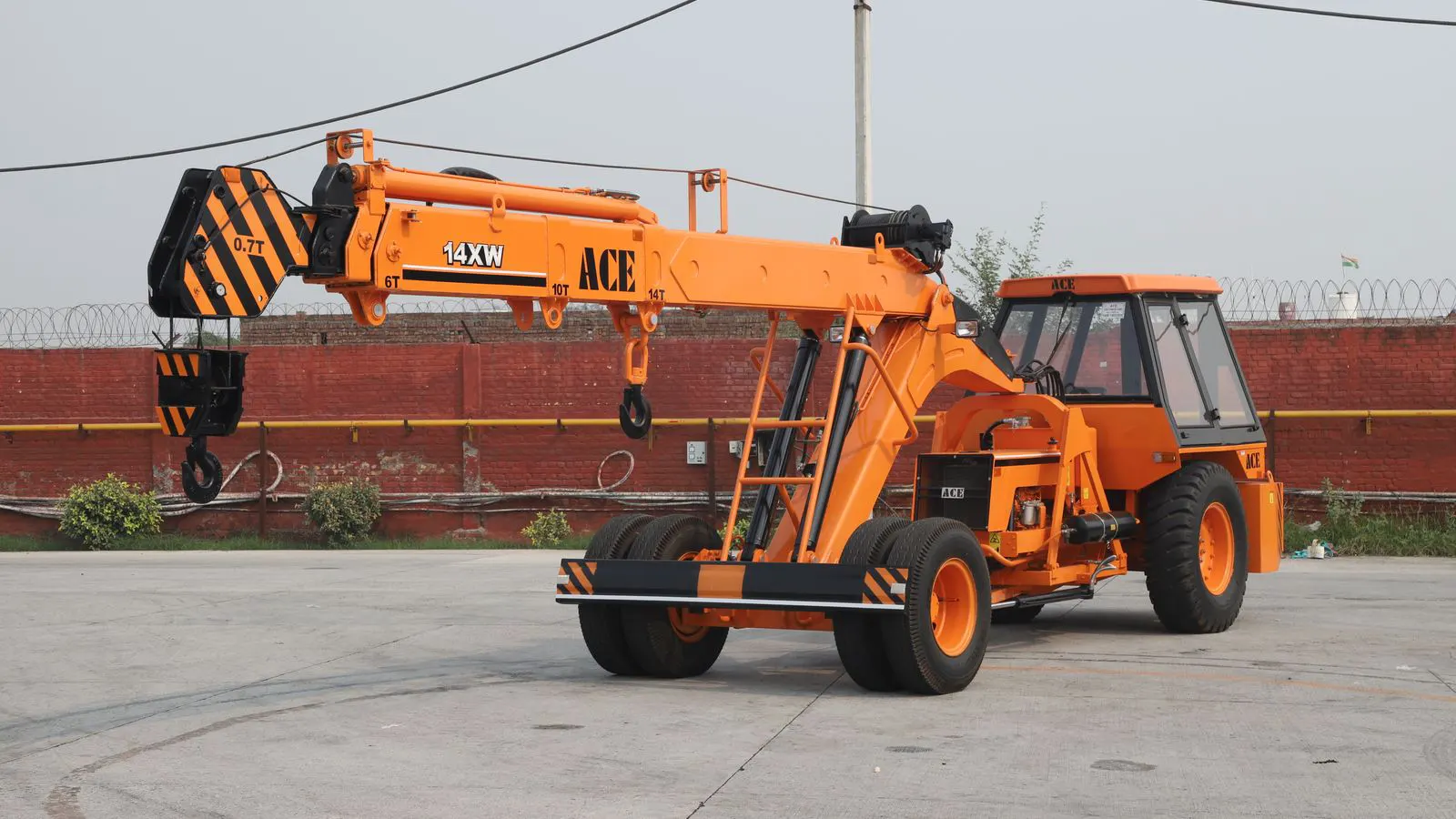
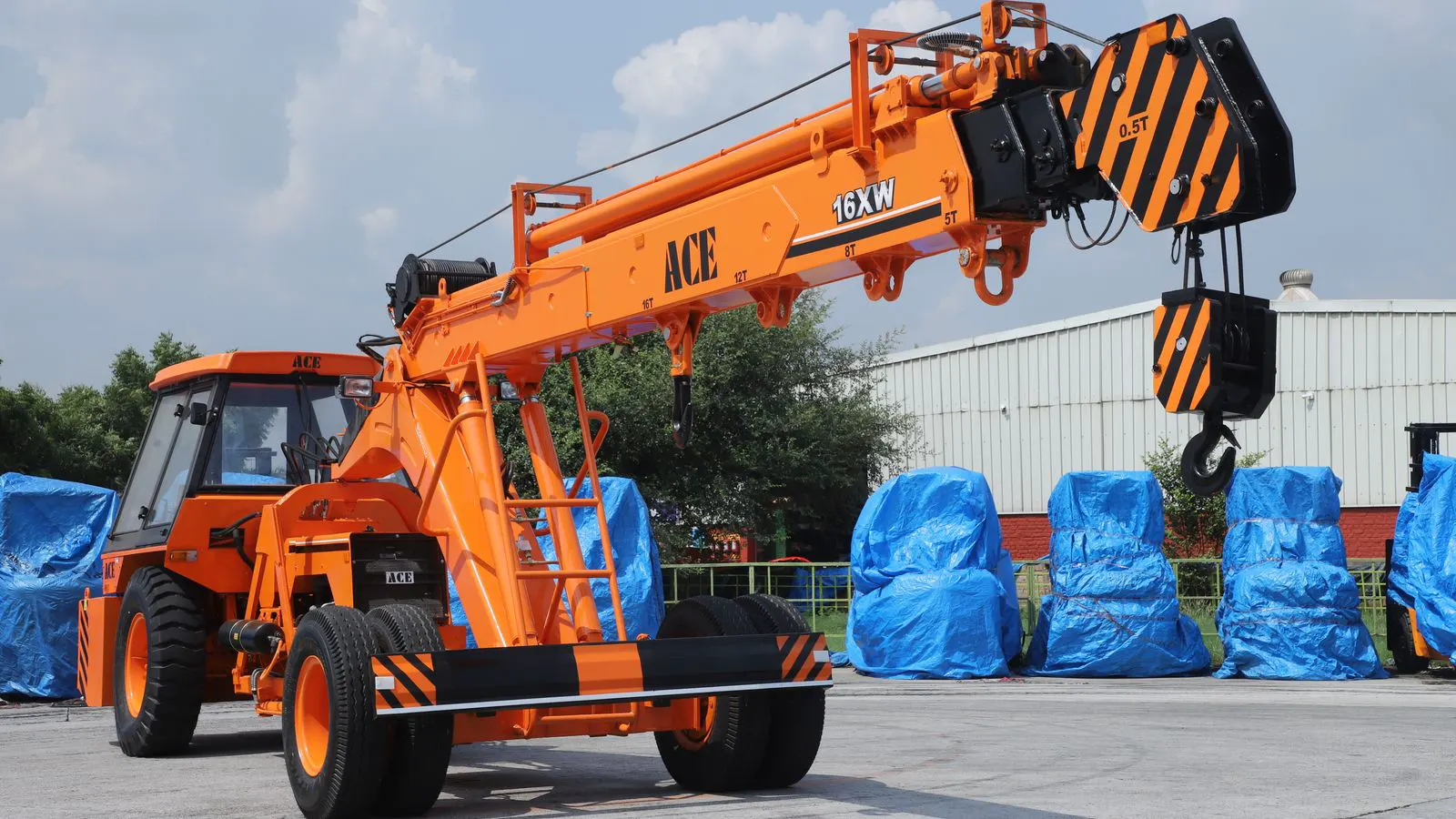
Mobile cranes need a different access path. They must drive to the work zone, often over uneven ground or through temporary roads. The outriggers must land on solid ground. If the site is tight, the mobile crane may need to extend its outriggers into areas that are not available to a tower crane.
Ground conditions affect both types. A tower crane is sensitive to soft ground near the base. Settlement can shift the mast out of plumb. A mobile crane is sensitive to ground pressure under the outrigger pads. If the soil cannot support the load, the crane will sink. Both types require ground bearing checks before lifting.
Access also means line of sight. A tower crane operator looks out from a high cab. The view is clear, but the operator is fixed in position. A mobile crane operator looks from a lower cab. The view changes as the crane moves. The mobile crane can see the work area directly from the set-up position, which helps with placement accuracy.
Setup Time and Site Disruption
Setup time is a major factor in project scheduling. A tower crane is a fixed installation. The base, mast sections, jib, and counterweight are erected over several days. The crew assembles the tower in stages, and the structure is checked after each lift. The crane is not ready for lifting until the final inspection is complete.
A mobile crane is a rolling unit. It drives to the site, levels the outriggers, and begins lifting. The setup time is measured in hours, not days. This speed is useful for short projects or phases where the crane is needed for a few weeks. The mobile crane can also leave the site quickly when the work is done.
Site disruption differs. A tower crane occupies a fixed area for the full project. Other equipment must plan around it. The jib swing area is a controlled zone. A mobile crane moves through the site. It changes position, which can interrupt traffic and require re-planning of material flow.
For a long building project, the tower crane setup is a one-time cost. For a series of short phases, the mobile crane setup is repeated. The project team must decide which disruption is easier to manage. The tower crane creates a permanent obstacle. The mobile crane creates a temporary one that moves.
Rigging and Load Handling
Rigging requirements differ between the two crane types. A tower crane handles loads that are often heavy and bulky. The hook falls a long distance, and the load may swing if not controlled. The operator uses a dedicated load line and a separate hoist motor for the jib. The rigging team must plan for the long drop and the limited maneuvering space near the structure.
A mobile crane handles loads that may be lighter but need precise placement. The boom can be positioned closer to the target. The load drop is shorter. This is useful for placing materials in tight spaces, such as between building floors or around columns. The mobile crane can also use a shorter boom configuration to reduce the radius and increase capacity.
The load line matters. A tower crane load line is fixed by the jib length. A mobile crane load line changes with boom extension. The operator must adjust the boom length to match the required radius and capacity. This adds a step to the lifting plan. The load chart must be read for the specific boom configuration used.
Rigging weight is often under-estimated. The slings, shackles, and spreader bars add weight to the load. This weight is part of the total load. The load chart must include the rigging weight. If the rigging weight is not included, the crane may be overloaded at a given radius. The operator and rigger must calculate the total weight before lifting.
Safety Checks and Daily Operations
Daily safety checks are similar in principle but differ in focus. A tower crane requires checks on the mast, jib, hoist lines, and counterweight. The operator checks the cab controls and the load indicator. The rigger checks the rigging points. The crane is inspected before each shift.
A mobile crane requires checks on the outriggers, boom, and hydraulic systems. The operator checks the ground conditions before extending the outriggers. The rigger checks the load and the rigging. The crane is inspected before each move and each lift.
The pre-use checklist is a standard document. It lists the items to check before daily lifting. For a tower crane, the checklist includes the mast alignment, jib connection, and counterweight. For a mobile crane, the checklist includes the outrigger pads, boom extension, and load indicator. The checklist is not a substitute for a trained inspector, but it is a daily reminder.
Operator experience matters more for a mobile crane. The operator must move the crane, set the outriggers, and lift. The tower crane operator stays in the cab and lifts from a fixed position. The mobile crane operator has more tasks to perform, and the risk of error is higher if the checks are skipped.
Which Crane Fits the Project
The choice between a mobile crane and a tower crane depends on the project needs. A tower crane is best for sustained heavy lifting on a fixed structure. It provides high capacity at short radii and a constant lifting point. It is ideal for building frames, core walls, and large structural elements.
A mobile crane is best for flexible lifting and variable access. It provides quick setup and repositioning. It is ideal for pre-fabricated elements, temporary works, and sites with limited space for a tower crane. It is also useful for projects that need a crane for a short period.
The site access requirements determine the choice. If the ground is soft or the access road is narrow, a mobile crane may be harder to deploy. If the structure is tall and the lifting radius is short, a tower crane is more efficient. If the lifting zones change, a mobile crane is more practical.
The capacity chart is the final check. For a tower crane, the chart is read from the mast position and jib length. For a mobile crane, the chart is read from the boom length and radius. The load must be within the rated capacity at the required radius. The rigging weight must be included. The ground conditions must support the crane. The operator must be trained for the specific crane type.
The decision is not about which crane is better. It is about which crane fits the site, the load, and the schedule. A tower crane and a mobile crane can both be used on the same project, depending on the phase. The project team must plan the crane strategy early, because the crane choice affects site layout, material flow, and lifting safety.
Frequently asked questions
When is a mobile crane preferred over a tower crane?
A mobile crane is preferred when the lifting zones change, the site access is variable, or the project duration is short. It can be moved to different areas and set up quickly.
What is the main capacity difference between a tower crane and a mobile crane?
A tower crane provides high capacity at short radii from a fixed mast. A mobile crane provides variable capacity that changes with boom length and radius, and it can be repositioned to match the work.
How does site access affect the crane choice?
Site access determines whether a crane can reach the work area. A tower crane requires a stable foundation and a clear swing area. A mobile crane requires a drive path and solid ground for the outriggers.
Can a mobile crane replace a tower crane on a building project?
A mobile crane can handle some lifting tasks, but it is not a direct replacement for a tower crane on a tall structure. It lacks the sustained high-reach lifting capacity of a tower crane.
What should be checked on the load chart before lifting?
The load chart must be checked for the specific boom configuration, radius, and total load weight, including rigging. The load must be within the rated capacity for the given radius.