Outlook: Telematics for Real-Time Tower Crane Load Monitoring
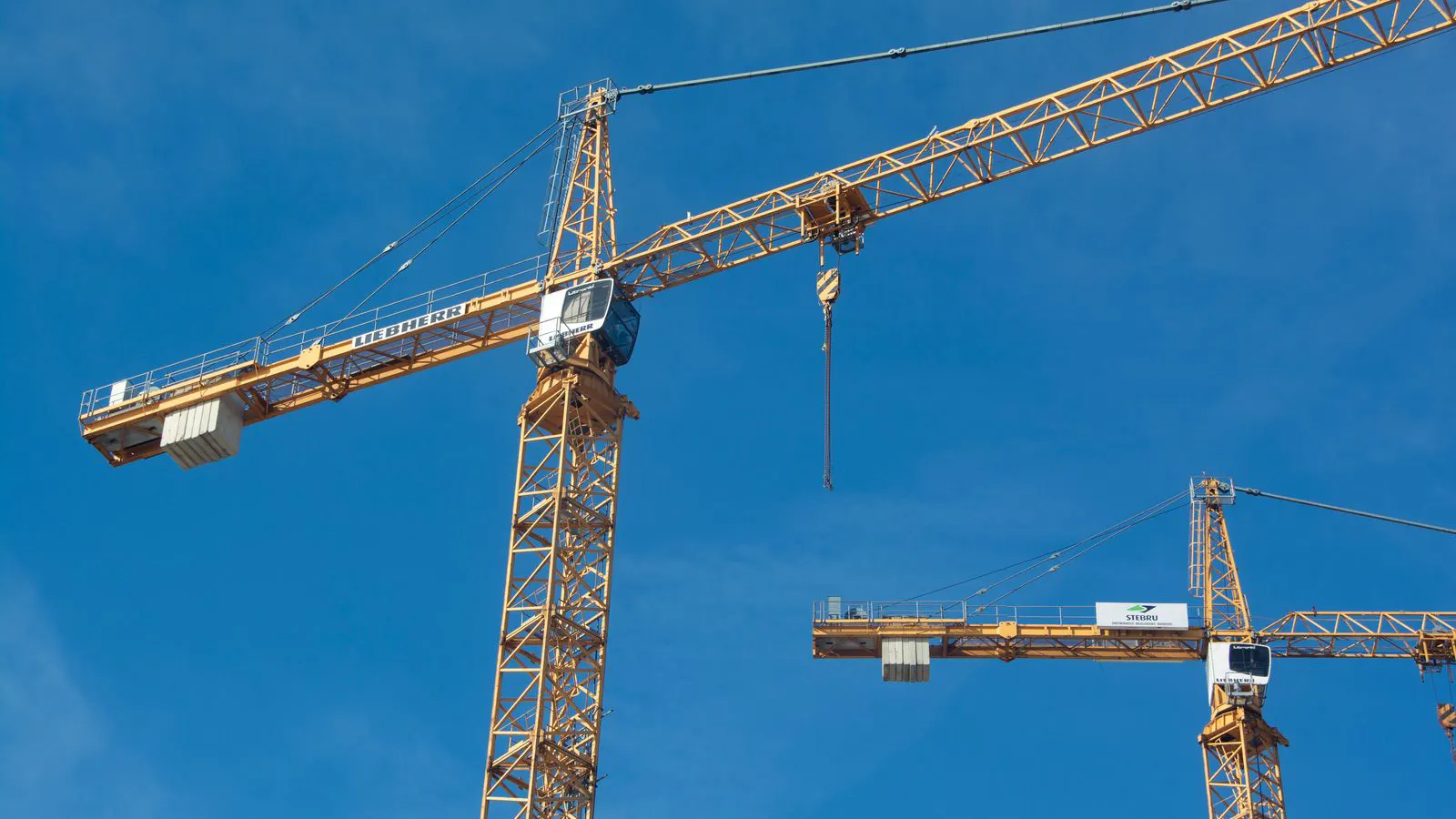
Tower crane telematics replaces manual logs with live data on load moments, wind, and hoist status. Buyers should plan for integration, operator training, and data ownership. This outlook maps five shifts and practical preparation steps.
- Digital sensors turn tower crane load data into continuous records rather than spot checks.
- Buyers must define data ownership, access rights, and integration with site management systems.
- Real-time monitoring reduces reliance on single-operator judgment during high-risk lifts.
- Maintenance windows can be planned from vibration and motor data, not just hour counters.
- Procurement should include clear service levels for sensor uptime and software support.
Why manual logs fail under pressure
A tower crane operator works from a cab with limited visibility of the full load path. The load moment indicator gives a numeric check, but the operator must still estimate wind gusts, judge hook sway, and track the load position while the crane is in motion. Paper logs or memory-based records create gaps. A shift change, a short break, or a noisy site makes it easy for a critical lift to fall out of the record.
Telematics changes the baseline. Sensors mounted on the hoist, slewing unit, and jib stream data to a central platform. The operator sees live load factor, wind speed, and boom length. The site manager sees the same data from a tablet or office dashboard. This removes the lag between the lift and the record. It also creates a continuous audit trail for every rotation and every tonne lifted.
How load moment data works in practice
The core component is the load moment indicator, now integrated with external sensors. The LMI calculates the product of load weight and radius. Telematics adds context. A load cell on the wire rope gives actual weight, not just the operator’s entry. Accelerometers on the jib detect sway. Anemometers or embedded sensors track wind at the jib tip, not just at ground level.
The software applies site-specific rules. For example, a lift near the edge of the crane’s rated capacity triggers a visual alert before the LMI reaches the limit. If wind exceeds a threshold, the system locks out slewing or hoisting until conditions improve. The data is timestamped and stored. This means a near-miss during a concrete pour can be reviewed later with exact wind readings and load values.
The practical value is not just safety. It is consistency. Different operators may have different comfort levels. Telematics applies the same logic to every shift. A new operator gets the same alerts as a veteran. The crane behaves predictably, regardless of who is in the cab.
Five shifts buyers should plan for
The move to digital monitoring is not just a hardware upgrade. It changes how the crane is purchased, operated, and maintained. Buyers who plan for these shifts avoid costly rework later.
-
Data ownership and access
Who controls the data? The crane owner, the operator, or the platform provider? Contracts must state this clearly. Site managers need read access for daily reports. Maintenance teams need raw data for diagnostics. Without defined access, data becomes siloed and unusable. -
Integration with site management
Tower crane data rarely lives in isolation. It should feed into the site’s daily log, lifting plan approvals, and weather monitoring. If the telematics platform exports CSV files that no one processes, the value drops to near zero. Buyers should require API access or native integration with existing construction management software. -
Operator training and acceptance
Operators are the first users. If the alerts are noisy or confusing, they will be ignored. Training must cover not just how to read the screen, but how to respond to specific alerts. A wind gust alert is different from a load moment warning. Site supervisors should run dry-run scenarios before the first live lift. -
Maintenance planning shifts from reactive to predictive
Vibration sensors on the hoist motor and slewing gear detect early signs of wear. A spike in vibration during a normal lift may indicate bearing wear before it becomes a failure. This changes maintenance from “service at 500 hours” to “service when vibration exceeds threshold.” Buyers should expect shorter service intervals and higher data quality requirements. -
Insurance and liability records
In an incident, the data record becomes evidence. Insurers and insurers’ adjusters increasingly expect digital logs. The quality of the record matters. If the system is down for hours, that gap weakens the case. Buyers should negotiate service level agreements that cover sensor uptime and data continuity, not just software availability.
Table: Telematics components and their buyer impact
| Component | Function | Buyer Consideration |
|---|---|---|
| Load cells | Measure actual hoist weight | Verify calibration frequency and integration with LMI |
| Anemometers | Track wind at jib tip | Confirm placement and wind threshold settings |
| Accelerometers | Detect jib sway and vibration | Check data sampling rate and alert sensitivity |
| GPS/IMU | Track crane position and tilt | Ensure compatibility with site layout and lifting plans |
| Edge gateway | Transmits data locally | Verify connectivity method and offline storage capability |
| Cloud platform | Central dashboards and reports | Define data retention, access rights, and export formats |
Preparing for the transition
Preparation starts before the crane is delivered. The site layout affects sensor placement. A crane near a tall building may need additional wind sensors. A site with poor mobile connectivity may require a local edge server to buffer data.
The first step is a data mapping exercise. List every system that will consume crane data. The lifting plan software, the daily report tool, the weather station, the maintenance log. Each system needs a defined data input. Without this, the telematics platform becomes an island.
Next, define the alert logic. Too many alerts cause fatigue. Too few miss critical risks. Work with the operator and the manufacturer to set thresholds based on the crane’s rated capacity and the site’s typical conditions. A threshold that works in a quiet urban site may fail on an exposed coastal site.
Finally, test the system during commissioning. Run simulated lifts with known weights and wind conditions. Verify that the alerts trigger correctly. Check that the data matches the manual LMI readings. This catches integration errors before the first real lift.
Common mistakes buyers make
Buying the platform before the sensors. The software is only as good as the data it receives. If the sensors are poorly placed or uncalibrated, the dashboards show false confidence. Always verify the sensor package before finalizing the software contract.
Ignoring offline capability. Sites with poor connectivity are common. If the platform drops for three hours, the data must still be stored locally and synced when connection returns. Ask the provider for offline storage duration and sync protocols.
Assuming the operator is the only user. The value of telematics extends to site managers, maintenance staff, and safety officers. If the interface is designed only for the cab, it misses the broader use cases. Request demo access for non-operator roles.
Neglecting data quality in contracts. A contract that says “software included” is vague. Specify data retention periods, export formats, and uptime guarantees. If the platform fails during a critical lift, the consequence is not just inconvenience; it is a safety gap.
How this changes the procurement conversation
The conversation with crane suppliers changes when telematics is in scope. The question is no longer just “What is the rated capacity?” It becomes “What does the data look like during a 15-tonne lift at 40-metre radius in 20-metre-per-second wind?”
Suppliers who invest in telematics tend to have stronger maintenance programs and clearer safety documentation. But not all platforms are equal. Some are basic dashboards with limited alerting. Others are full safety systems with predictive analytics. Buyers should evaluate the depth of the data, not just the existence of the screen.
The long-term advantage is operational. A well-run tower crane with telematics operates closer to its rated capacity with fewer interruptions. The data shows where the limits are being approached, allowing the site to adjust lifting sequences. It also reduces downtime by catching mechanical issues early. Over the life of the crane, these gains compound.
Final preparation checklist
- Map all data consumers and define integration requirements.
- Verify sensor placement against the site layout and wind exposure.
- Set alert thresholds with operators and safety officers.
- Test offline storage and sync protocols during commissioning.
- Define data ownership and access rights in the contract.
- Train non-operator staff on daily reporting and alert response.
- Review service level agreements for uptime and support response times.
The shift is practical. It moves tower crane operations from a series of isolated checks to a continuous, verifiable process. Buyers who prepare for the data side of the equation capture the full benefit. Those who treat it as an afterthought end up with a screen that shows numbers but changes nothing.
Frequently asked questions
Does tower crane telematics replace the load moment indicator?
No. The load moment indicator remains the primary safety check for the operator. Telematics adds context and records data that the LMI alone does not capture.
What is the main benefit for procurement managers?
Procurement managers gain verifiable data for safety audits, maintenance planning, and insurance claims. The digital log reduces reliance on manual records that are easy to lose or dispute.
How much does it cost to integrate telematics with existing site software?
Costs vary by site complexity and existing systems. Basic CSV exports are low cost. Native API integration with construction management platforms requires more development time and may involve additional licensing fees.
Can telematics be used on older tower cranes?
Yes. Retrofit kits are available for many existing models. The key challenge is sensor placement and ensuring the retrofit does not interfere with existing safety systems.
What happens if the internet connection drops on site?
A properly configured system stores data on a local edge gateway. The data syncs automatically when the connection returns. Buyers should verify the offline storage duration and sync protocol before installation.