Pre-Use Crane Safety Checklist: Inspections Before Daily Lifting
A pre-use crane safety checklist helps supervisors identify defects before daily lifting begins. This guide lists specific inspection items for structural, electrical, and operational systems, explaining what to look for and which conditions require immediate work stoppage to keep the site safe.
- A daily crane safety checklist catches small defects before they become lifting failures.
- Never operate a crane with a defective anti-two block, limit switch, or structural crack.
- Record every inspection result and tag out of service items immediately.
- Match the checklist to the specific crane type, as tower and mobile cranes have different systems.
- Train the whole crew to recognize red flags and report them without delay.
Why a Daily Crane Safety Checklist Matters
A pre-use crane safety checklist is the first line of defense against lifting accidents. It forces the operator and supervisor to slow down and look at the machine before the hook moves. Most crane failures start with small, visible problems that nobody notices because the crane looked fine yesterday. A structured inspection finds those problems early.
This guide provides a practical, copyable checklist organized by theme. Each item includes what to check and the red flags that mean stop work immediately. Use it as a daily routine for tower cranes, mobile cranes, and other lifting equipment. The goal is simple: if the crane is not safe, it does not lift.
Structural Checks: What to Look For
Start with the frame. The main jib, boom, lattice, and base plate carry all the load. Inspect every visible joint, weld, and bolt. Look for cracks, deformation, rust, or missing hardware. A hairline crack in a high-stress area is a stop-work condition. Do not paint over damage. Do not tighten a loose bolt and keep operating. Replace or repair the component first.
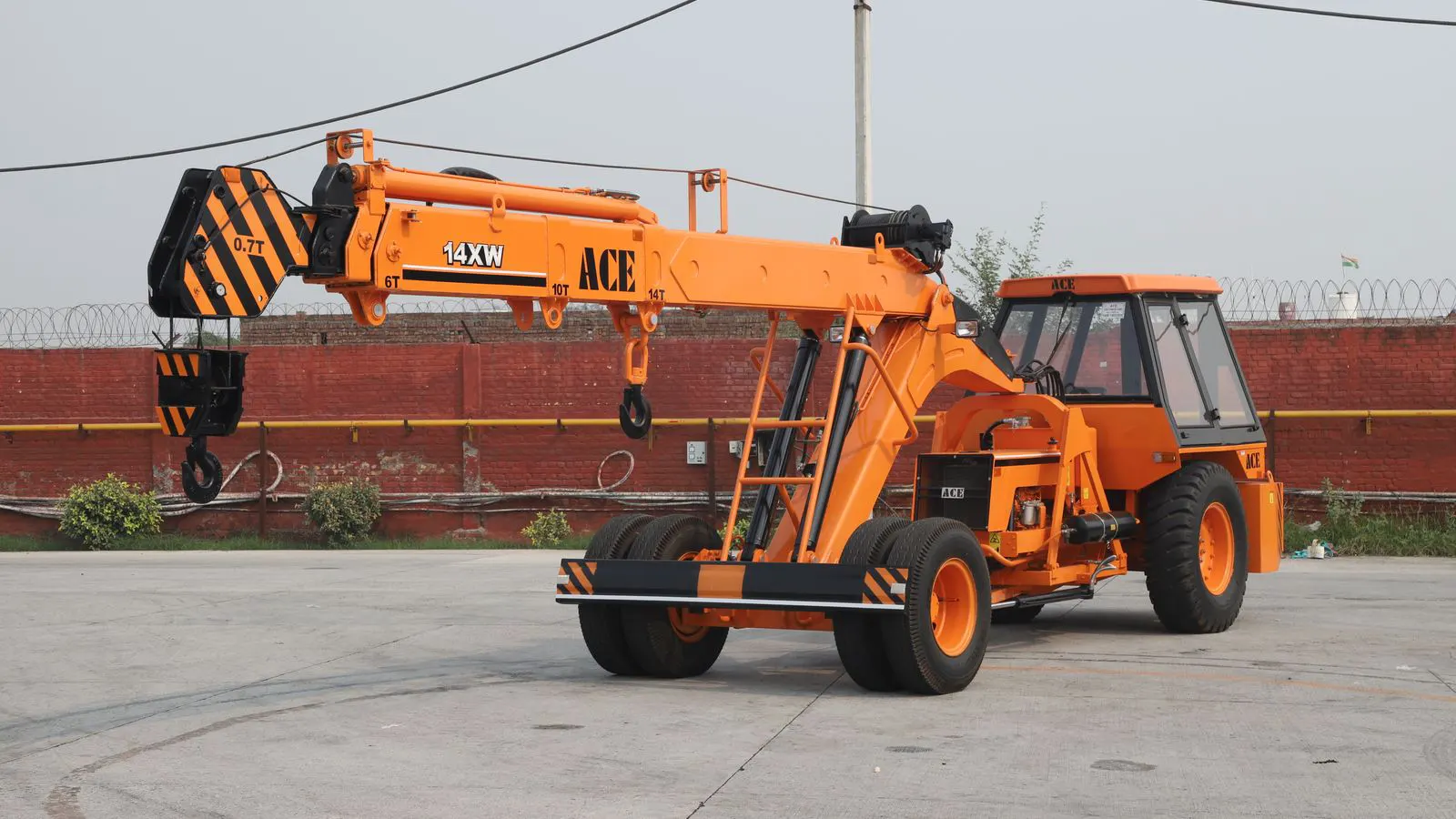
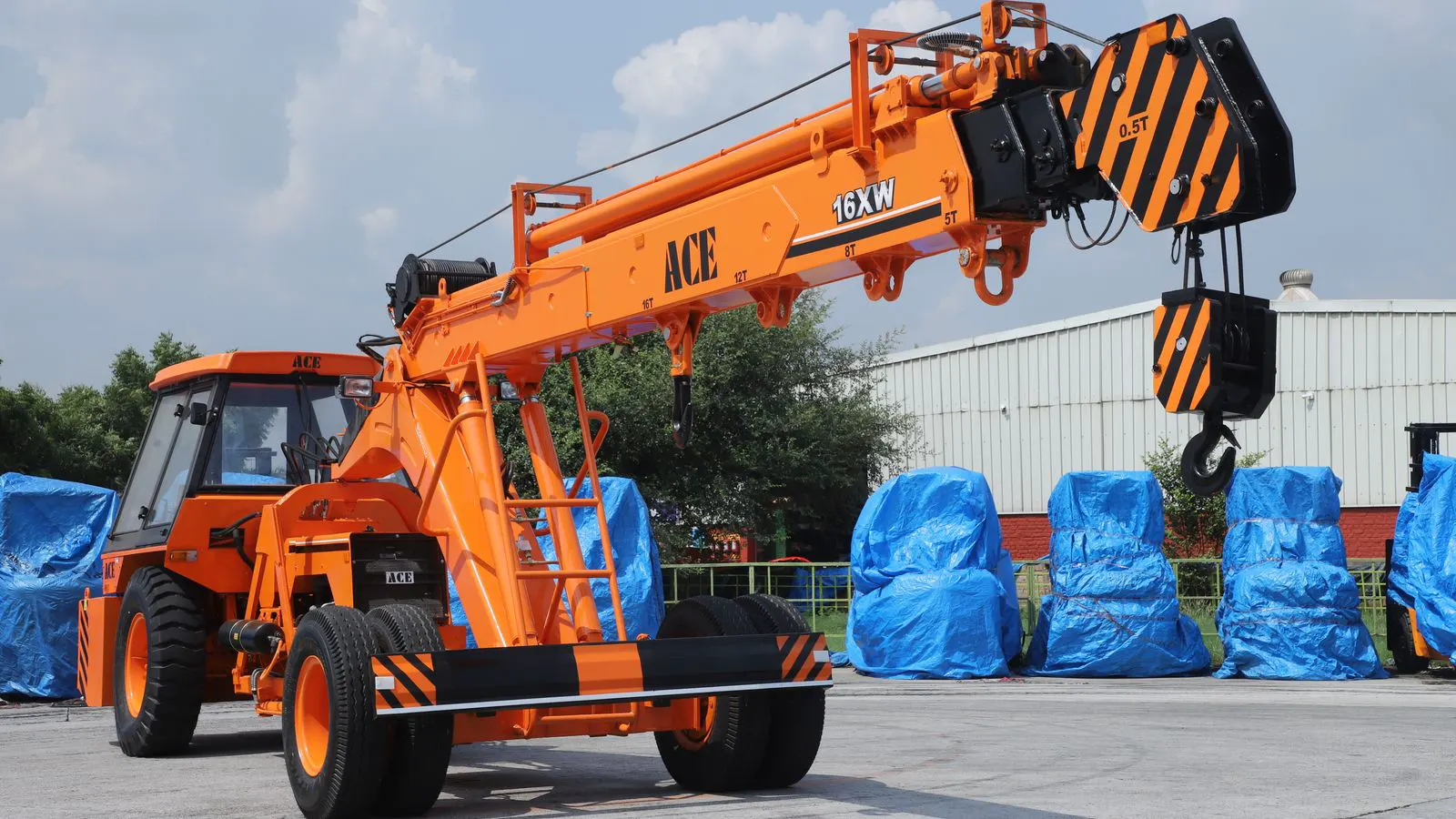
Check the outriggers and jacks on mobile cranes. The ground beneath them must be compacted, level, and free of soft spots. Use mats where needed. The outrigger pads must be fully extended and locked. If a pad is sinking into the ground, the crane is unstable. Stop work and re-stabilize.
For tower cranes, check the mast and slewing ring. Look for bent sections, missing bolts, or worn pins. The slewing ring must rotate smoothly without grinding. The tie bars and ballast must be secure. A loose tie bar can cause the mast to lean under load.
| Inspection Area | What to Check | Red Flag |
|---|---|---|
| Main Jib/Boom | Welds, pins, and structural cracks | Visible cracks, bent sections, or missing pins |
| Base Plate | Anchor bolts and ground condition | Loose anchors, soft ground, or tilted base |
| Outriggers | Pad extension and ground pressure | Sinking pads, uneven extension, or missing locks |
| Mast | Sections and connection bolts | Bent sections, loose bolts, or worn pins |
| Tie Bars | Tightness and corrosion | Loose ties, heavy rust, or missing hardware |
Electrical and Control Checks
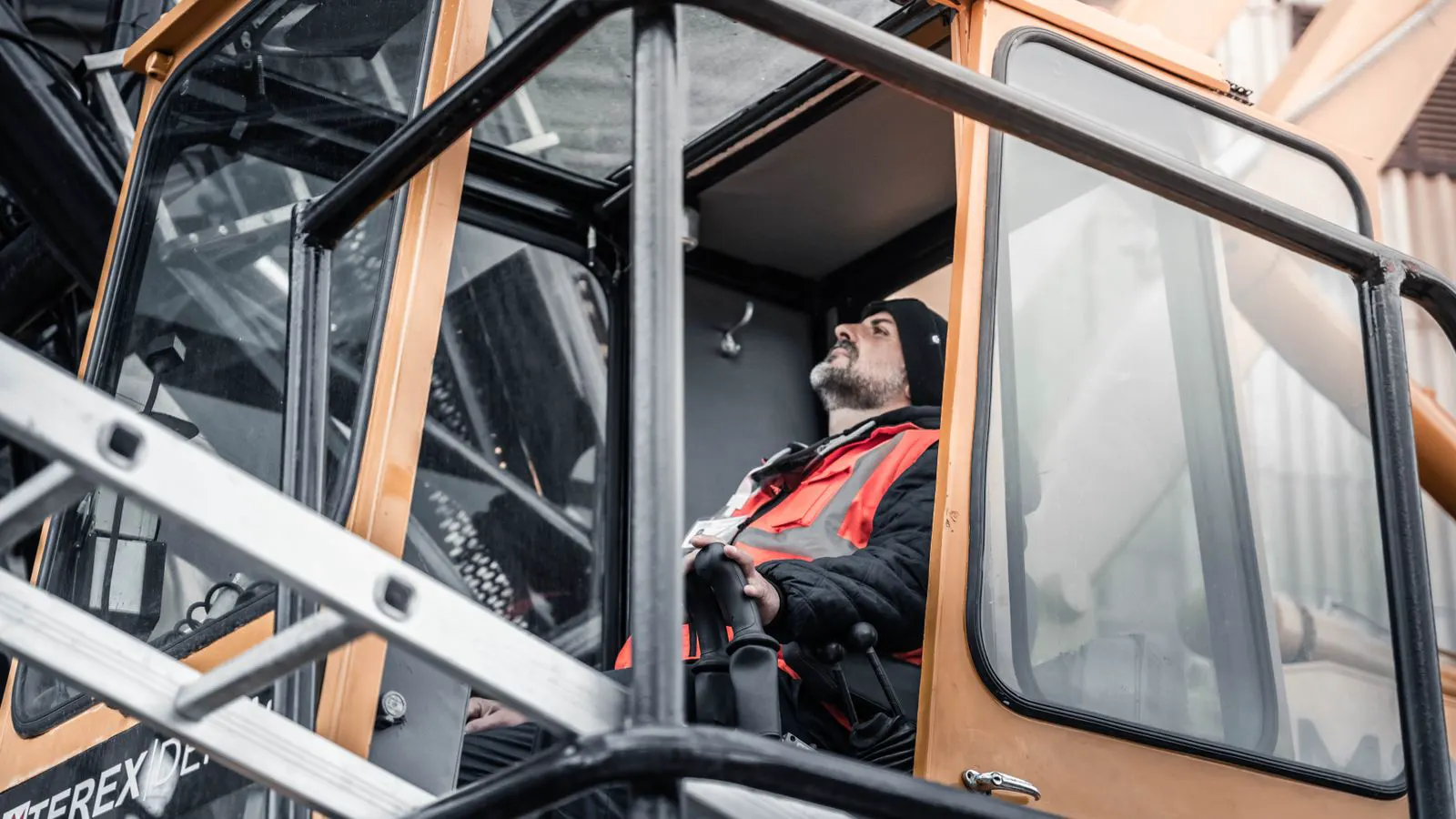
The control room is where the operator makes every decision. Before the first lift, test every control. Move the slew, hoist, and trolley controls slowly through their full range. The motion should be smooth and responsive. If a control sticks, drags, or requires excessive force, stop work. A sticking control can cause sudden movement under load.
Check the emergency stop button. Press it. The crane should stop all motion immediately. If the stop is delayed or requires a second press, the system is faulty. An emergency stop that does not work is a serious safety risk.
Inspect the wiring. Look for frayed cables, exposed conductors, or damaged insulation. Check the junction boxes for water intrusion or loose connections. Electrical faults can cause random stops, unexpected movements, or fires. Do not operate a crane with exposed wiring.
Lifting and Hoisting System Checks
The hoist system is the heart of the crane. Inspect the cables, sheaves, and brake. The cables must be free of broken wires, kinks, or severe corrosion. Count the broken wires if your site policy requires it. Even a small number of broken wires means the cable is out of service. Do not splice a cable in the field. Replace it.
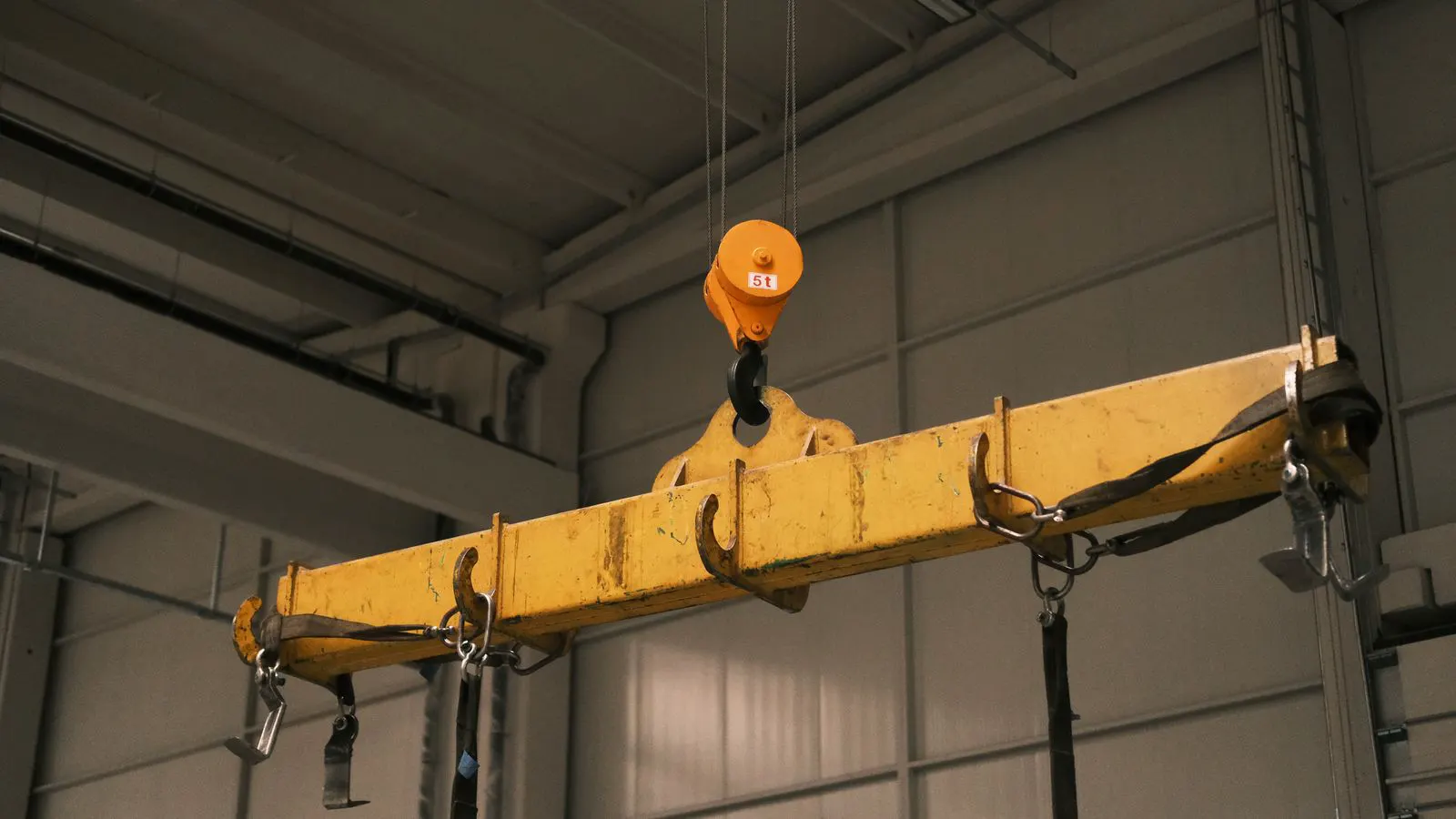
Check the sheaves for wear. The grooves should be smooth and free of sharp edges. Worn sheaves can cut the cable and cause a sudden break. Inspect the anti-two block device. This is a critical safety device that prevents the hook block from rising higher than the hoist mechanism. Test it by lifting the hook until the limit is reached. If the hoist keeps moving after the anti-two block trips, the crane is unsafe.
Check the load moment indicator and any capacity warnings. These systems calculate the load based on the radius and boom angle. They must be accurate and responsive. If the display is blank, flickering, or showing an error, do not lift. An inaccurate LMI can lead to an overloaded crane.
Brakes and Safety Devices
Brakes stop the crane. Without working brakes, the load can fall or the crane can slew out of control. Test the hoist brake. Lift a small test load and hold it at a fixed height for one minute. If the load drops, the brake is slipping. A slipping hoist brake is a stop-work condition. Do not try to compensate with the operator. Stop and repair.
Check the slew brake. Turn the crane slowly to the left and right. Stop at a fixed position. If the crane continues to drift, the slew brake is weak. Drifting during a lift can swing the load into the structure or personnel.
Inspect all safety devices. The limit switches, anti-two block, and wind speed indicator must be tested and functional. A wind speed indicator that does not alarm when the wind picks up can lead to a tip-over. Know the crane’s rated wind speed limit and shut down when it is exceeded.
Documentation and Communication
A crane safety checklist is useless if the findings are not recorded. Keep a daily inspection log on site. Record the date, the inspector, the crane ID, and the condition of each item. Sign the log only when the crane is safe. If a defect is found, tag the crane out of service. Use a clear, visible tag that says “Do Not Operate.”
Brief the crew before the first lift. Tell them what the crane is rated for, where the exclusion zone is, and who has the right to call a stop. The operator must know the site layout, the load weight, and the lifting plan. If the load weight is unknown, do not lift. Estimate only with the help of the engineer or the manufacturer’s data.
Red Flags That Require Immediate Stop Work
Some conditions are too risky to operate around. If you see any of these, stop work immediately:
- A crack or deformation in the main structure.
- A broken or severely corroded hoist cable.
- A defective anti-two block device.
- A slipping or failed hoist brake.
- A missing or inoperative emergency stop.
- A crane operating above its rated wind speed.
- An unstable or sinking outrigger pad.
- A load suspended over personnel.
Do not argue with a red flag. Do not try to “just do one more lift.” The cost of a repair is always less than the cost of a failure. Stop the crane, secure the area, and call the competent person to assess the defect.
How to Keep the Checklist Current
A static checklist can become outdated. Crane modifications, new parts, or changed site conditions can alter what needs to be checked. Review the checklist regularly. Add items when a new failure occurs on site. Remove items that are no longer relevant. Keep the checklist specific to your crane model and your site rules.
Train the crew on the checklist. The inspector should not be the only person looking for problems. Operators, riggers, and supervisors should all know what to watch for. Encourage reporting of near-misses and small defects. A culture where people speak up is the best safety system you can have.
A daily crane safety checklist is not a formality. It is a practical tool that saves lives. Use it every single day. If the crane is not safe, it does not lift. Period.
Frequently asked questions
How often should I perform a full crane inspection?
A daily pre-use inspection is the minimum. Major structural and mechanical inspections should be done periodically by a qualified person, typically every year or as required by local regulations.
Can I operate a crane if one item on the checklist fails?
No. If any safety-critical item fails, such as a brake, anti-two block, or structural crack, stop work immediately. Do not operate until the defect is repaired and the crane is re-inspected.
Who should perform the daily crane safety checklist?
A qualified and trained person, such as the crane operator or a designated supervisor, should perform the inspection. The person must know how to identify defects and have the authority to stop work.
Do I need a different checklist for a tower crane and a mobile crane?
Yes. Tower cranes and mobile cranes have different components, such as masts versus outriggers. The checklist should be tailored to the specific crane type and model.
What should I do if I find a defect during the inspection?
Tag the crane out of service immediately. Record the defect in the inspection log. Notify the competent person or maintenance team to repair the issue. Do not remove the tag until the crane is safe.