What Is a Lifting Plan and Why It Matters Before Heavy Machinery Moves

A lifting plan is a written document that defines how heavy machinery will be moved, rigged, and lifted safely. It covers load calculations, equipment selection, and site controls. Procurement managers use these details to compare vendors and verify compliance before signing a contract.
- A lifting plan defines load weights, rigging methods, and crane capacity requirements for each move.
- Site lifting plans must account for ground conditions, wind, and clearances to prevent structural or operational failures.
- Procurement managers should verify that vendors provide a written plan before equipment delivery or relocation.
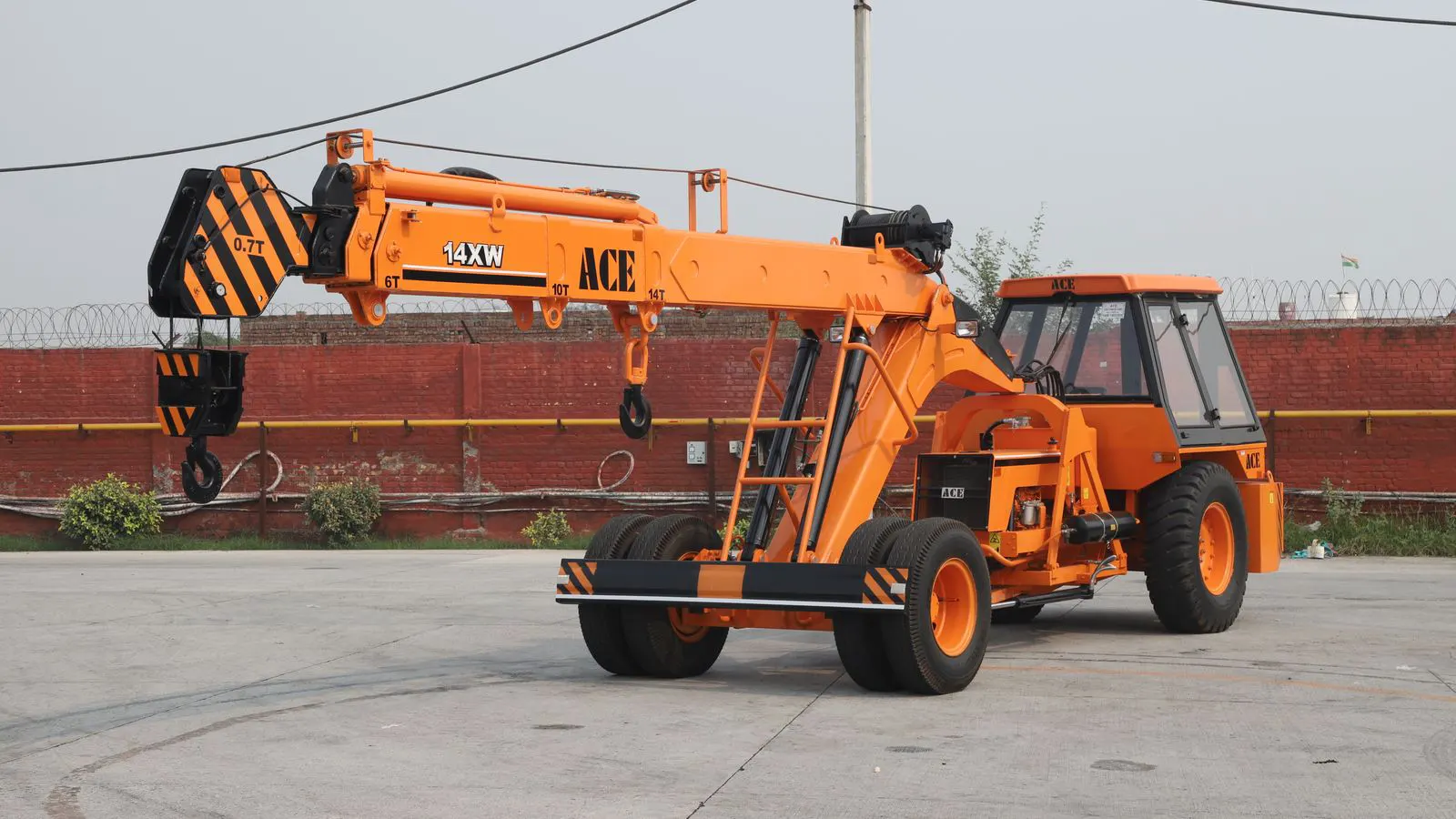
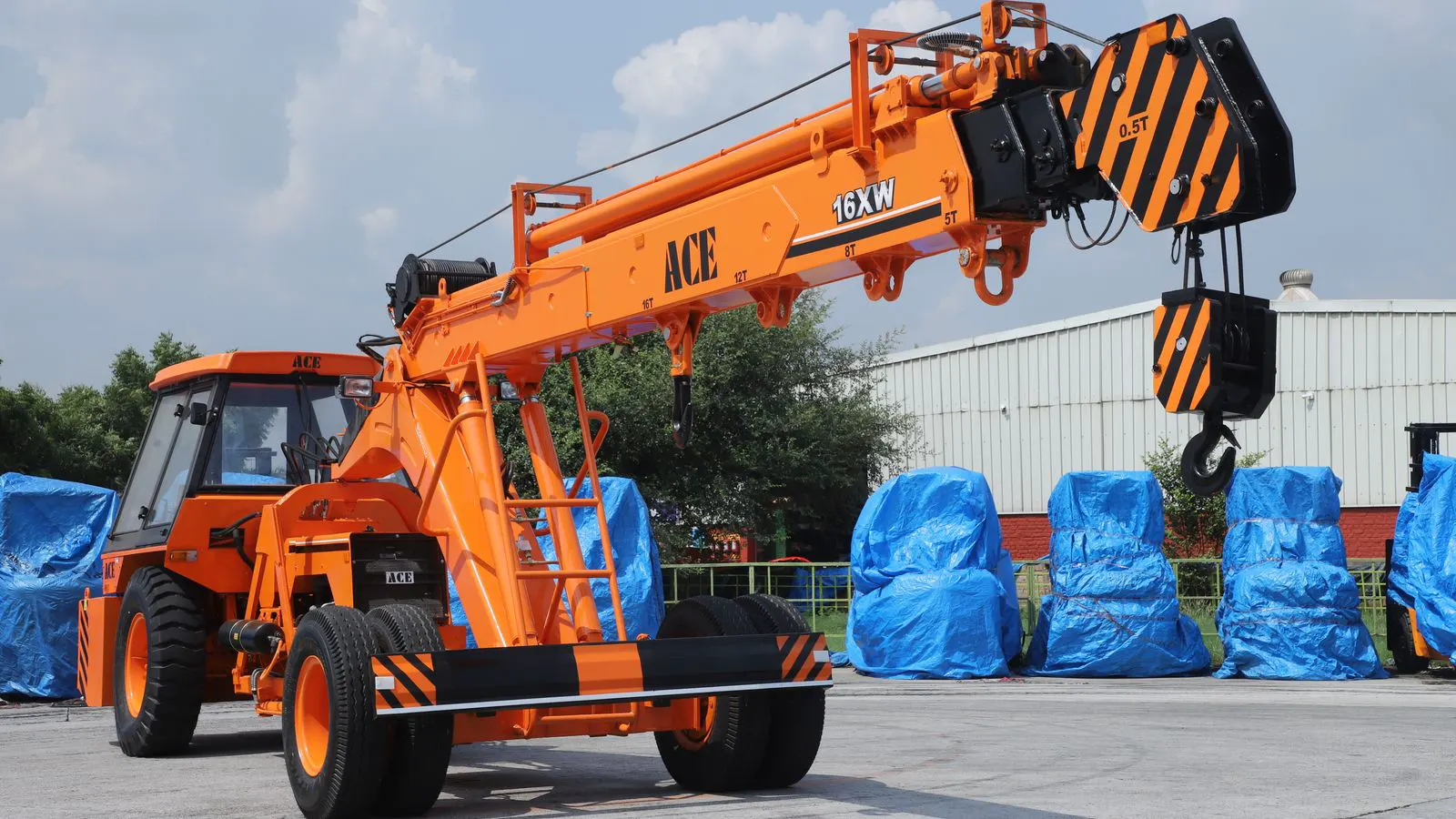
- The plan determines whether a mobile or crawler crane is required based on load radius and site access.
- Incomplete plans lead to delays, re-rigging, and potential damage to the machinery or surrounding structures.
A lifting plan is not a formality. It is the operational blueprint for moving heavy machinery. Without it, a crane operator has no verified data on load weight, center of gravity, or required rigging. The document bridges engineering calculations and on-site execution.
What defines a compliant lifting plan
A compliant lifting plan lists the specific load, the lifting equipment, and the environmental controls. It identifies the load weight, the center of gravity, and the lifting points. The plan also states the crane model, boom length, and radius. These figures must match the manufacturer’s capacity chart for the specific configuration.
The plan assigns roles. A competent person reviews the calculations. A rigger inspects the slings and shackles. A spotter monitors the swing path. Clear roles reduce confusion during the lift. If a load shifts, the operator and rigger know exactly who makes the call to stop.
Compliance also requires a site-specific risk assessment. The plan must identify hazards such as overhead power lines, uneven ground, or pedestrian traffic. It sets exclusion zones. It defines communication methods, such as hand signals or radio channels. These controls protect the crew and the machinery.
How load calculations drive sourcing decisions
The load weight is the starting point. But the radius and lift height change the required crane capacity. A load that is light at a short radius may exceed a crane’s capacity at a long radius. Procurement managers must verify that the vendor’s crane can handle the maximum radius during the move.
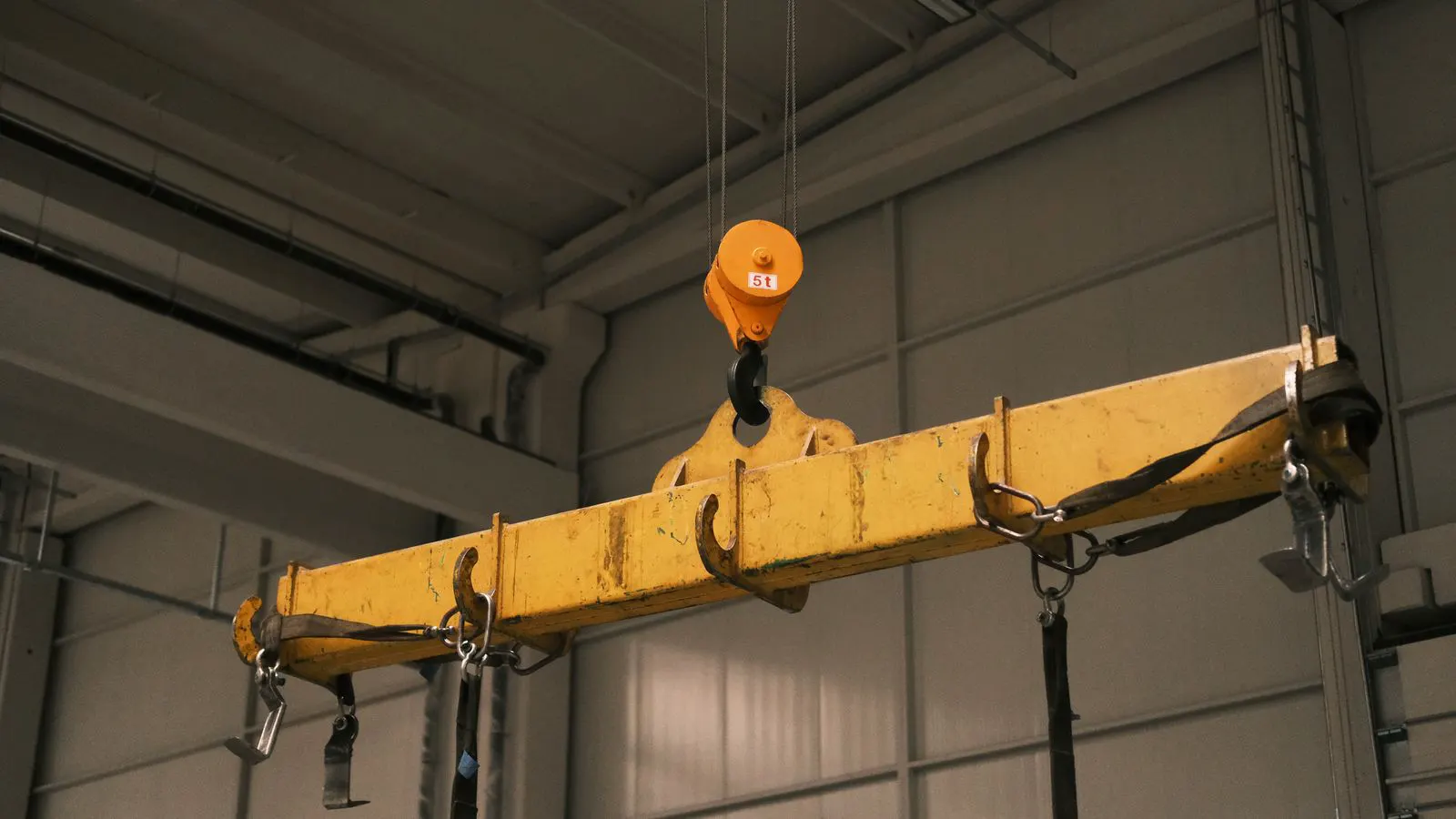
The center of gravity matters as much as the weight. An asymmetric load, such as a machinery body with a counterweight on one side, creates uneven torque. The lifting plan must account for this. It may require multiple lifting points or a specialized beam. If the vendor’s crane lacks the stability for the calculated moment, the lift fails.
Rigging weight adds to the total load. Slings, shackles, and the spreader beam all have mass. The plan includes these in the total load calculation. This is often where sourcing goes wrong. A crane rated for the machinery alone may be overloaded once the rigging gear is added.
The role of site conditions
Site lifting is rarely performed in a vacuum. Ground bearing capacity is a critical factor. Soft soil can cause the crane to settle, changing the boom angle and reducing stability. The plan must specify ground conditions. It may require mats, cribbing, or a different lifting method.
Wind limits affect crane performance. The lifting plan states the maximum wind speed for the operation. It includes the wind direction relative to the crane’s boom. High winds can cause sway, increasing the effective load on the crane’s structure. The operator must be trained to read wind indicators and stop the lift if conditions change.
Clearances are another site factor. The plan maps the swing radius against nearby structures, power lines, and other equipment. It calculates the required clearance. If the site is tight, the plan may specify a smaller boom length or a different crane type. This directly impacts the sourcing decision. A crawler crane may be too wide for a narrow site, requiring a mobile crane with outriggers instead.
Rigging and lifting equipment selection
The lifting plan specifies the rigging gear. It lists the sling type, angle, and safety factor. The angle of the sling affects the tension in the rigging. A steep angle, close to vertical, reduces the load on the sling. A shallow angle increases it dramatically. The plan must calculate the tension for the chosen angle.
The lifting equipment includes the crane, the rigging gear, and any accessories. The plan verifies that each item is rated for the calculated load. It checks the safety factor, which is the ratio of the rated capacity to the working load. A higher safety factor provides a margin for error.
The plan also addresses the load’s lifting points. It confirms that the machinery has certified lifting lugs. If the lugs are not rated, the plan must specify an alternative method, such as a dedicated lifting frame. This is a common source of damage. Using unverified lifting points can deform the machinery or break the lugs.
How a lifting plan affects procurement
Procurement managers use the lifting plan to compare vendors. The plan reveals the total cost of the move. It includes the crane hire, the rigging gear, the competent person, and any ground preparation. A vendor with a vague plan may underprice the crane but overprice the mobilization. A clear plan shows the true scope.
The plan also signals the vendor’s competence. A detailed plan indicates that the vendor has experience with the specific machinery type. It shows they have considered the site conditions and the load characteristics. This reduces the risk of failure. A vendor who cannot produce a specific plan may not be ready for the job.
The lifting plan also affects the timeline. It defines the sequence of steps. It identifies dependencies, such as the need to remove obstructions before the crane arrives. It sets the duration of the lift. This helps the procurement manager plan the site schedule. A delay in the lift can cascade into other work packages.
Worked example: moving a concrete pump
Consider the move of a concrete pump from a storage yard to a building site. The pump weighs forty tonnes. The center of gravity is low and centered. The lift requires a mobile crane with outriggers. The radius is short, and the site is compact.
The lifting plan lists the load weight. It calculates the rigging weight. It selects a crane with a capacity of fifty tonnes at that radius. It specifies slings with a safety factor of five. It identifies the lifting points on the pump chassis. It checks the ground bearing capacity at the outrigger pads.
The plan maps the swing path. It ensures the boom does not hit the site fence. It defines the exclusion zone. It sets the wind limit. It assigns the competent person to review the calculations. It confirms the communication method. This example shows how the plan turns a physical move into a controlled operation.
Common mistakes in lifting plans
The most common mistake is using generic data. The plan lists a standard load weight but ignores the specific configuration. It does not account for attachments or fluids. This leads to underestimating the total load.
Another mistake is ignoring the site. The plan assumes a flat, hard surface. It does not consider the actual ground conditions. This can cause the crane to settle or tip. The plan must be site-specific.
A third mistake is poor rigging selection. The plan chooses slings that are too short or at too shallow an angle. This increases the tension beyond the rated capacity. The slings may fail under load.
A fourth mistake is lack of review. The plan is written but not checked by a competent person. Errors in the calculations go undetected. The plan must be reviewed and signed before the lift begins.
Frequently asked questions
What is the primary purpose of a lifting plan?
A lifting plan defines the load, equipment, and site conditions for a specific move. It ensures the operation is safe and compliant.
How does a lifting plan affect crane selection?
The plan specifies the load weight, radius, and lift height. These factors determine the required crane capacity and type.
What site conditions must a lifting plan address?
The plan must account for ground bearing capacity, wind limits, and clearances around the lift area.
Can a lifting plan be reused for different loads?
A generic plan is not sufficient. Each load and site condition requires a specific, written plan.
Who is responsible for approving the lifting plan?
A competent person with the right training and experience reviews and approves the plan.