Comparison: Crawler Excavator vs Wheel Loader for Trenching
A crawler excavator is generally better for narrow trenching because it offers better stability and precise digging in tight spaces. Wheel loaders work best when the trench is wide enough for the machine and the job involves both digging and hauling.
- Crawler excavators are better for narrow trenching due to superior stability and precision.
- Wheel loaders suit wider trenches where the machine can operate and haul material.
- Cycle time and ground conditions often determine the best choice.
- Trench width and material type are the most important selection factors.
What is the core difference between a crawler excavator and a wheel loader for trenching
A crawler excavator and a wheel loader handle trenching differently. The excavator digs with a hydraulic arm and bucket, often working in a fixed spot or shifting slowly along the trench. The wheel loader uses a front bucket to scoop material and can transport it while the machine is moving.
For narrow trenching, the main question is whether the trench is wide enough for a wheel loader to operate. If the trench is only a few feet wide, a wheel loader will struggle to get in and out, and its wheels may damage the trench walls. A crawler excavator, with its tracks and compact swing radius, can usually work from the trench edge and reach into the narrow space.
The choice also depends on what the contractor needs to do after digging. If the material needs to be moved long distances or loaded into trucks, a wheel loader may save time by combining digging and hauling. If the trench is short and the spoil pile is nearby, an excavator is usually more efficient.
How trench width affects the choice of machine
Trench width is the first factor to check. A wheel loader needs enough room for the machine to turn and for the operator to position the bucket without damaging the trench sides. If the trench is only wide enough for a person or a small tool, a wheel loader is not practical.
A crawler excavator can work from the edge of the trench and swing the boom into the cut. This is especially useful for utility trenches, where the width may be only wide enough for pipes or cables. The excavator tracks distribute weight over a larger area, which helps keep the trench walls from collapsing.
When the trench is wider, a wheel loader can operate inside the trench if the ground is firm enough. In that case, the wheel loader can dig a continuous path and move spoil to the side as it goes. This can reduce the number of passes needed.
How ground conditions change efficiency
Ground conditions matter as much as machine type. Soft soil, wet earth, or loose fill can make a wheel loader sink or slide. Its wheels have less traction than the tracks of a crawler excavator, especially in muddy or uneven ground.
A crawler excavator can often maintain stability on softer surfaces because the tracks dig into the ground. This makes it better for trenching in areas with poor ground conditions. The operator can also adjust the machine position more easily without disturbing the trench walls.
On firm, compacted ground, a wheel loader can move faster and handle more material per pass. If the site is flat and the trench is wide, the wheel loader may complete the job in less time. The excavator may still be better if the trench is narrow or if the ground is soft near the edges.
What the comparison table shows for trenching jobs
| Option | Best for | Limitations |
|---|---|---|
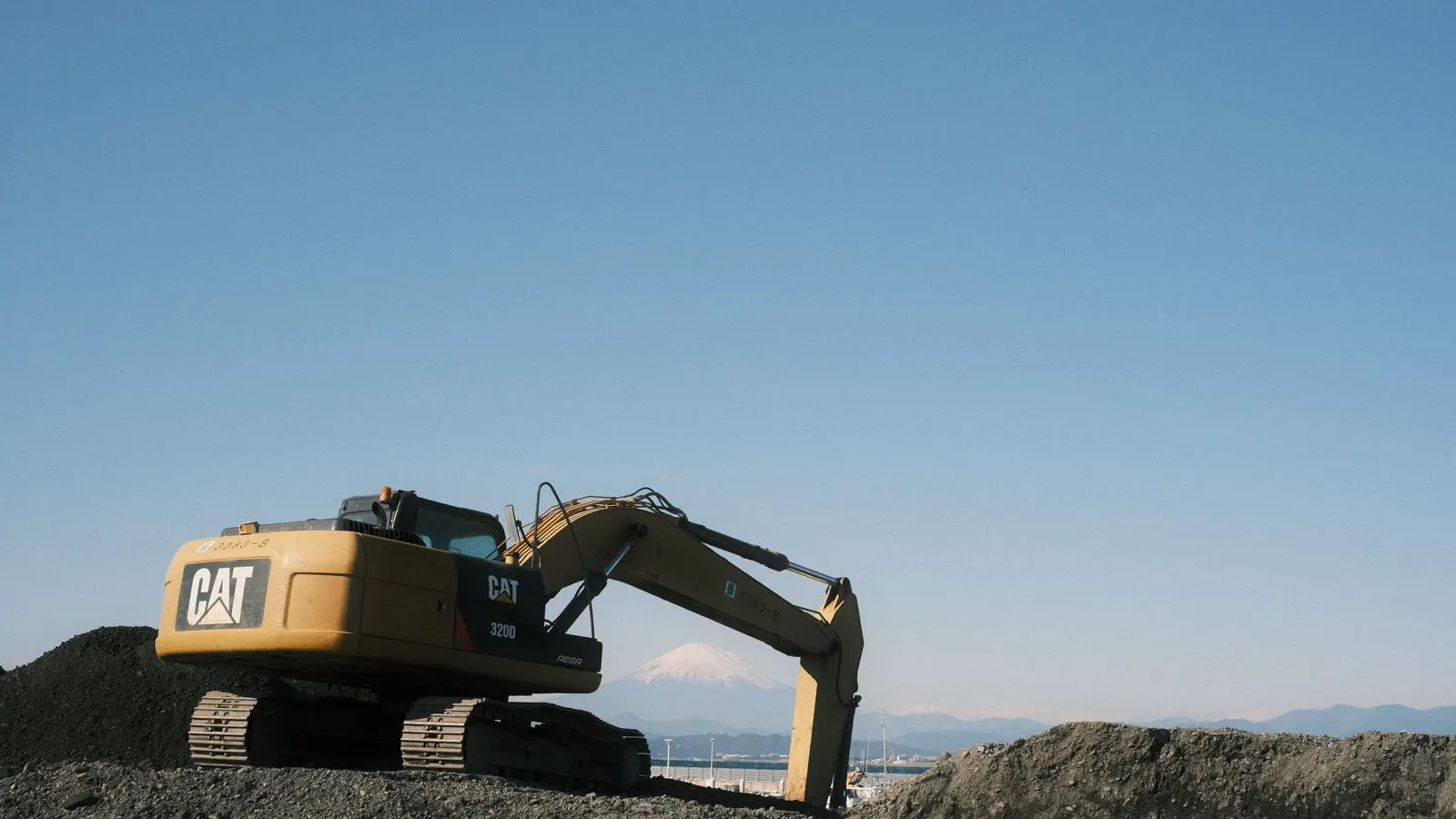
| Crawler excavator | Narrow trenches, soft ground, precision digging | Slower material transport, higher cost per hour |
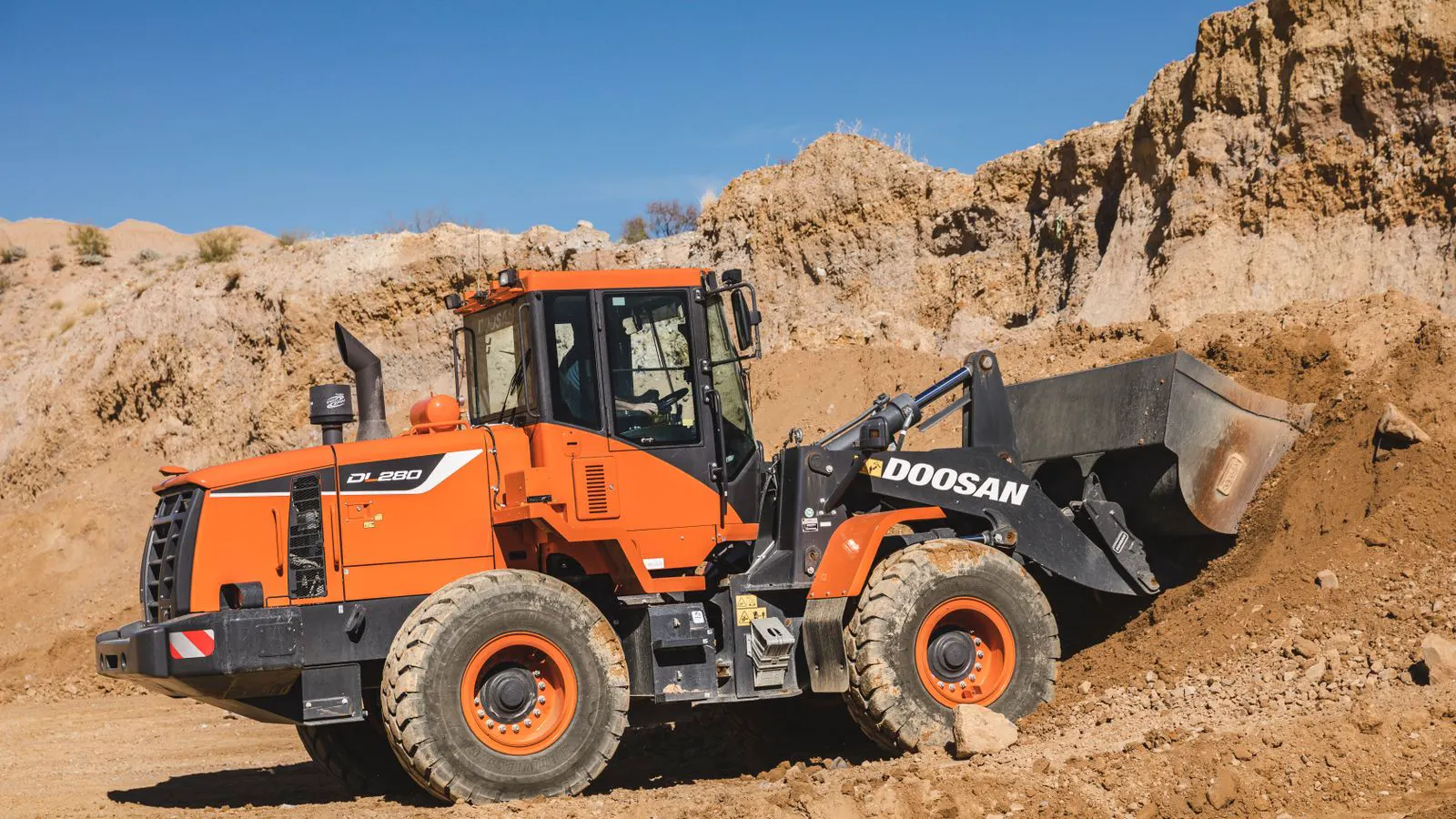
| Wheel loader | Wide trenches, firm ground, combined digging and hauling | Poor stability in narrow spaces, limited reach |
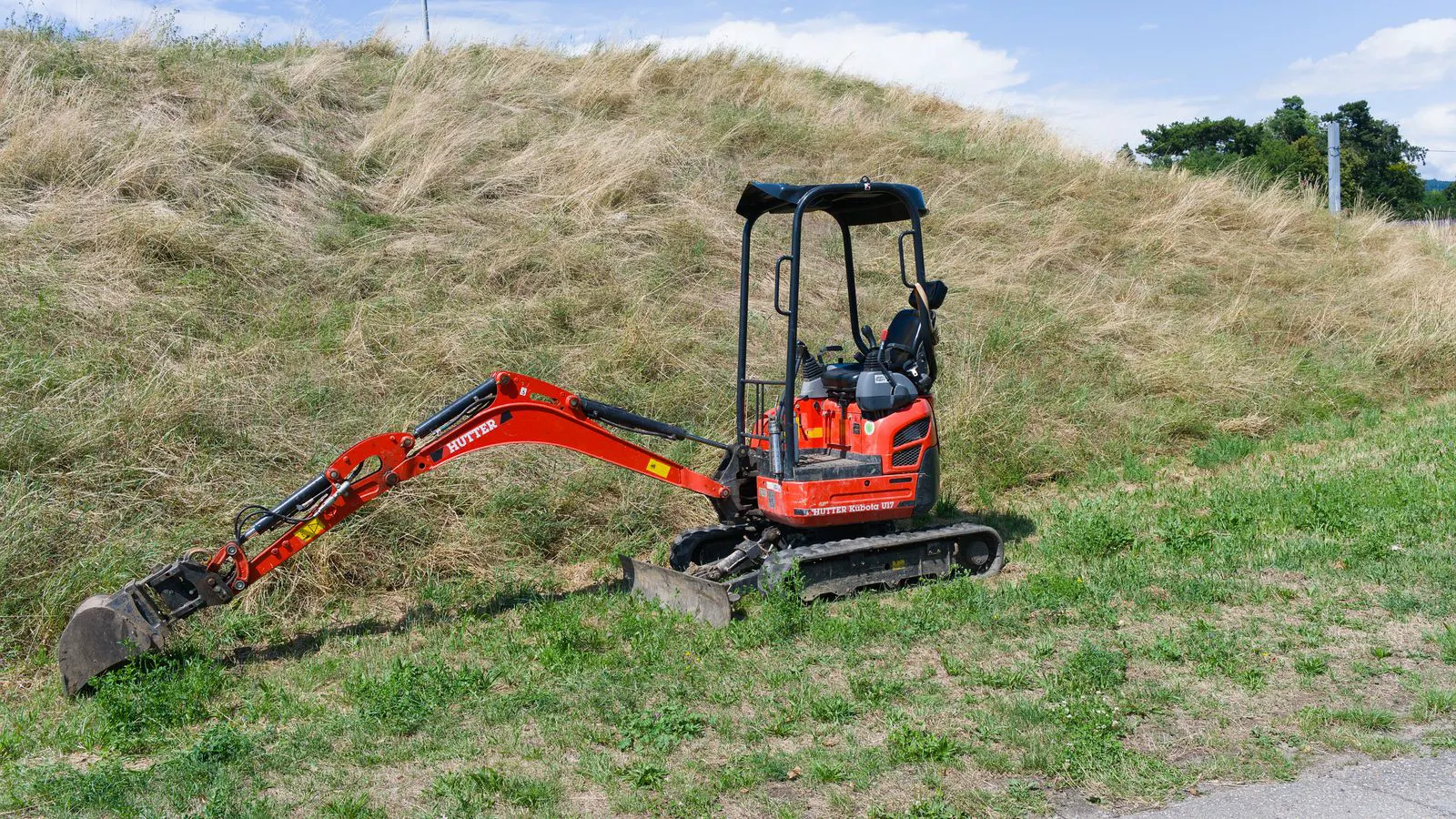
| Mini excavator | Very narrow trenches, confined sites | Smaller bucket, slower cycle time |
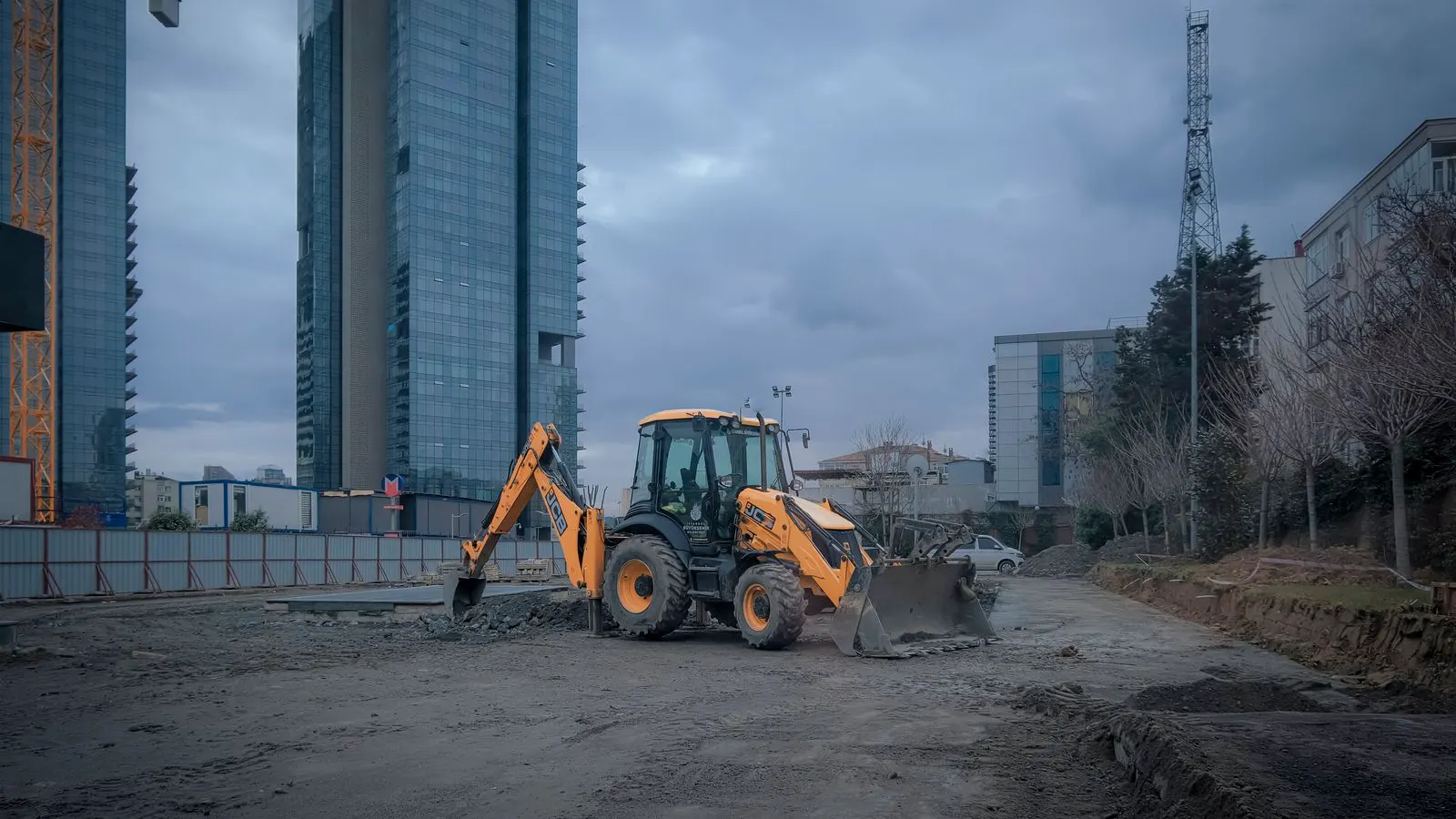
| Backhoe loader | Medium-width trenches, mixed tasks | Limited digging depth compared to a crawler |
| Trencher attachment | Long straight trenches, utility work | Requires a carrier, limited to attached machines |
The table shows that no single machine wins in every situation. A crawler excavator is the default for narrow trenching because of its stability and reach. A wheel loader becomes competitive when the trench is wide and the ground is firm. A mini excavator may be better for very tight spaces, but it takes longer. A backhoe loader is a middle ground for jobs that need both digging and loading. A trencher attachment is useful for long utility runs but is limited to the machine it is mounted on.
When to pick a crawler excavator for trenching
Pick a crawler excavator when the trench is narrow and the ground is soft. This is common in urban utility work, where trenches may be only a few feet wide and the soil is often disturbed or wet. The excavator can work from the edge and keep the trench walls stable.
It is also a good choice when precision matters. Utility trenches often need to be placed at a specific depth and location. The hydraulic controls of an excavator allow the operator to dig with fine control. A wheel loader can dig, but the operator has less control over the exact shape of the cut.
If the trench is short and the spoil pile is close by, the excavator is usually the better pick. The operator can dig a pass, move the bucket to the spoil pile, and return to the trench. The cycle is simple and efficient.
When to pick a wheel loader for trenching
Pick a wheel loader when the trench is wide enough for the machine to operate inside. This is common in site grading, drainage work, or large utility trenches where the width exceeds the machine width. The wheel loader can dig a path and move spoil as it goes, which reduces the number of passes.
It is also a good choice when the ground is firm and flat. The wheels can roll over compacted soil, and the operator can maintain speed. If the trench is long and straight, the wheel loader can cut a continuous line and load material into trucks as it works.
A wheel loader is better when the job involves both digging and hauling. If the contractor needs to move spoil across the site or load it into dump trucks, the wheel loader saves time by combining those tasks. The excavator would need a separate machine to move the material.
How to decide for a specific trenching job
Start with the trench width. Measure the planned trench and compare it to the machine width. If the trench is narrower than the wheel loader plus clearance, the wheel loader will not fit. In that case, a crawler excavator or a mini excavator is the only option.
Next, check the ground. If the soil is soft, wet, or uneven, the crawler excavator is safer and more stable. If the ground is firm and compacted, a wheel loader can operate without sinking.
Then, consider the length and shape of the trench. A long, straight trench is better for a wheel loader because it can cut and haul in one pass. A short trench with turns or obstacles is better for a crawler excavator because it can swing from the edge.
Finally, look at the spoil pile. If the spoil pile is close by, the excavator can move material quickly. If the spoil pile is far away, the wheel loader can haul it as it digs. The distance between the trench and the spoil pile changes the cycle time for each machine.
Common mistakes in trenching machine selection
One common mistake is choosing a wheel loader for a trench that is too narrow. The machine may fit at first, but as the trench deepens, the walls narrow and the loader cannot operate. The operator may have to dig from the edge, which defeats the purpose of using a loader.
Another mistake is ignoring ground conditions. A wheel loader on soft soil may sink or slide, slowing the job and damaging the trench. A crawler excavator can often work in those conditions, but the operator needs to manage track tension and weight distribution.
A third mistake is not considering the spoil pile. If the spoil pile is far from the trench, the wheel loader may be faster because it can haul material. If the spoil pile is close, the excavator is usually better because it can move material quickly with short swings.
A fourth mistake is underestimating precision needs. Utility trenches often need to be in a specific location and depth. A wheel loader can dig, but the operator has less control. A crawler excavator allows finer control over the bucket position and depth.
Frequently asked questions
Which machine is better for a 3-foot-wide trench?
A crawler excavator is better. A wheel loader is too wide to operate inside a 3-foot trench without damaging the walls.
Can a wheel loader trench in soft soil?
It can, but it will sink or slide more easily. A crawler excavator is more stable on soft ground because of its tracks.
How long should a trench be for a wheel loader to be efficient?
Long, straight trenches are better for a wheel loader. Short or narrow trenches are better for a crawler excavator.
What is the biggest advantage of a crawler excavator for trenching?
It offers better stability and precision in narrow spaces. The operator can dig from the trench edge without entering the trench.
When would a wheel loader beat a crawler excavator for trenching?
When the trench is wide, the ground is firm, and the spoil pile is far away. The wheel loader can dig and haul in one pass.