Troubleshooting: Intermittent Wheel Loader Lift Cylinder Crawl
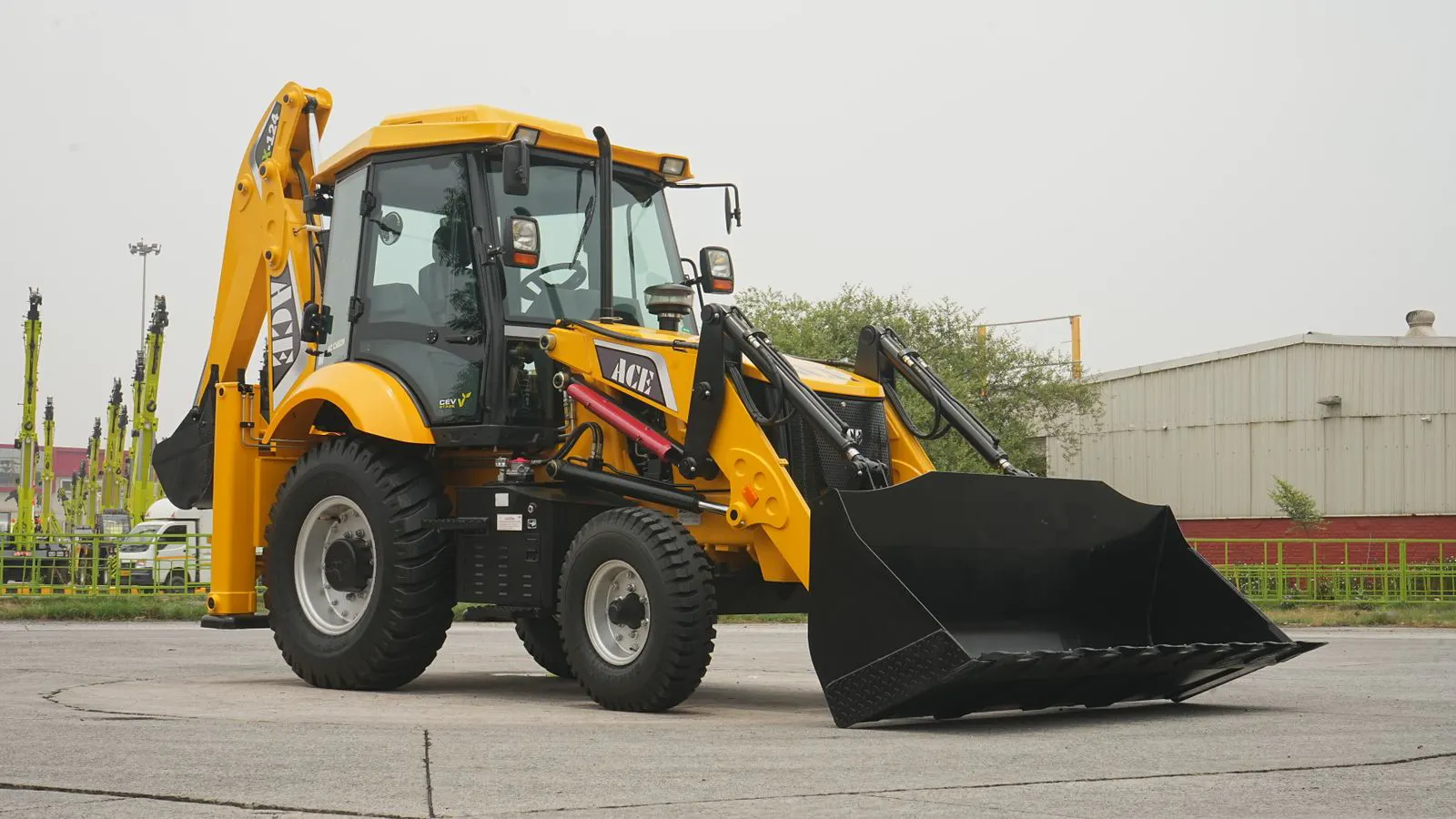
Intermittent loader lift cylinder crawl usually points to internal seal wear, air in the hydraulic system, or low charge pressure. Check the lift cylinder first, then inspect hoses, valves, and the pump. This guide lists likely causes and practical fixes to restore stable bucket control.
- Intermittent bucket drop often starts with air in the system or a leaking lift cylinder seal.
- A slow leak at the lift valve or a worn pump can mimic a cylinder fault.
- Check hose fittings, charge pressure, and reservoir level before opening any major component.
- Record when the drift happens, including load, temperature, and machine position, to narrow the cause.
- Replace seals as a set and test the cylinder after reassembly to prevent repeat visits.
A wheel loader bucket that drops slowly under load is a safety issue. The operator cannot trust the machine to hold material in the air, and the load may settle unevenly on the forks. This condition is usually called loader lift cylinder crawl, and it appears in two ways. The bucket drops a few centimeters after the lever is released. Or the bucket sinks slowly while the loader is carrying a full bucket of aggregate, sand, or soil. The problem is intermittent because the drift stops when the engine speed changes, the machine turns, or the operator shifts gears. That pattern points to a pressure loss somewhere in the hydraulic circuit.
The hydraulic system holds the bucket up through the lift cylinder. The cylinder rod and piston create the lift. Internal seals keep hydraulic oil from moving from the high pressure side to the low pressure side. When those seals wear, oil leaks past the piston. The cylinder loses pressure, and the bucket falls. The fall is slow when the leak is small. It becomes faster when the seals are badly worn or when the system cannot recover pressure quickly enough.
Identify the visible symptoms first
Before opening any valve or cylinder, observe the machine. Note the exact moment the bucket drops. Does it happen only when the loader is stationary? Or does the drift start when the wheels rotate? Does it appear after the engine has warmed up? Does it get worse with a heavier load? These details separate a cylinder fault from a pump or valve issue.
Watch the bucket while the operator holds the lift lever in the up position. If the bucket drops with the engine running and the lever held up, the system cannot maintain pressure. If the bucket drops only after the lever is released, the lift cylinder may be leaking internally. If the drop is fast and sudden, check for a ruptured hose or a stuck valve. If the drop is slow and steady, suspect seal wear or air in the lines.
Listen to the pump. A high pitch or whining noise can mean low fluid level, air ingress, or a pump with worn internal parts. Check the hydraulic reservoir level while the engine is at idle and while the loader is lifting. Low fluid level is a common cause of intermittent drift. The reservoir may be below the correct mark after long operation, or a hose may be leaking oil onto the ground.
Check the lift cylinder itself for external leakage. Look at the rod seal where the piston rod exits the cylinder. Look at the gland at the rear of the cylinder. A small weep at the rod seal is common. A steady drip or a wet streak on the arm is not. Wipe the rod and gland clean, then run the lift and lower cycle several times. If oil appears on the rod after a few cycles, the rod seal is leaking. If oil appears only at the gland, the rear seal may be failing.
Use a structured fault check table
The table below lists the most common symptoms, likely causes, and the first checks to run. Follow the order from simple to complex. Do not replace a cylinder before checking the reservoir, hoses, and valve. A cylinder that looks healthy may still be the cause if the other parts are good.
| Symptom | Likely cause | What to do |
|---|---|---|
| Bucket drops slowly after the lift lever is released | Worn internal lift cylinder seals | Inspect the cylinder for rod movement without pressure. Replace the seal kit if oil bypasses the piston. |
| Bucket drifts while the operator holds the lift lever up | Air in the hydraulic system or a leaking lift valve | Bleed the system, check the lift valve for internal leakage, and verify charge pressure. |
| Drift starts only after the engine warms up | Internal seal wear that expands with temperature | Check the cylinder seals and the lift valve. Replace seals as a set and test after reassembly. |
| Bucket drops faster with a heavier load | Weak pump or low charge pressure | Test the pump output and check the charge pump. Verify the reservoir level and suction hose condition. |
| Oil appears on the lift cylinder rod after a few cycles | Worn rod seal or gland leak | Replace the rod seal and gland. Wipe the rod clean and check for pitting or scoring. |
| Drift appears only at one wheel angle or machine position | Mechanical binding or a hose kink | Check the lift arm geometry, hose routing, and cylinder mounting bolts for damage. |
Run the lift and lower cycle with the bucket empty, then with a small load, then with a full load. Note the difference. A full bucket increases pressure on the seals. If the drift is only a few millimeters with an empty bucket and many centimeters with a full load, the internal seals are likely the main issue. If the drift is similar with both, the system pressure may be low.
Check the charge pressure. The charge circuit supplies the pump and the control valves with oil at a steady pressure. Low charge pressure causes the lift valve to close unevenly. That creates a momentary loss of pressure in the lift cylinder. The bucket drops for a short time, then the valve opens again and the bucket stops. This is a classic intermittent pattern. Measure the charge pressure with a gauge at the service port. Compare the reading to the manufacturer specification. If the pressure is below the specified range, check the charge pump, the charge relief valve, and the suction hose.
Air in the hydraulic system causes slow drift
Air is a common cause of intermittent loader lift cylinder crawl. Compressible air makes the hydraulic oil less effective at holding pressure. When the system is not fully primed, the lift cylinder may feel spongy. The bucket drops a little, then the system recovers. The operator may think the cylinder is leaking, but the real cause is air in the lines or the reservoir.
Air enters the system through a loose fitting, a worn suction hose, a cracked reservoir, or a bad cap. The suction hose draws oil from the reservoir. If the hose is cracked near the fitting, it can pull in air only when the pump is under load. The result is a soft lift that drifts when the operator asks for height.
Check the suction hose first. Look for a bulge, a crack, or a loose clamp. Replace the hose if the fitting is corroded or the rubber is dry and cracked. A new hose and a new clamp often fix intermittent drift without opening the cylinder.
Bleed the system after any repair. Run the lift and lower cycle with the engine at a steady speed. Move the bucket to the top and bottom several times. Keep the reservoir level above the correct mark. Do not overfill. The correct level is usually at the midpoint of the sight gauge or the level indicator.
Inspect the lift valve and hoses
The lift valve controls oil to the lift cylinder. It has spools or poppets that open and close to direct pressure. When the valve wears, oil can leak from the high pressure port to the return port. The cylinder loses pressure while the valve is supposed to hold. This is a different fault from a cylinder leak. The bucket drops while the operator holds the lever up.
Check the lift valve for external leaks. Look at the valve body, the fittings, and the lines. A small leak at the valve body may only appear when the valve is under pressure. Run the lift and lower cycle and watch for oil at the valve connections. If you find a leak, replace the O rings and gaskets. If the leak is inside the valve, the valve may need rebuilding or replacement.
Inspect the hoses that connect the valve to the cylinder. Look for bulges, kinks, or damaged clamps. A hose that is slightly crushed can restrict flow. The cylinder may not get full pressure, and the bucket drifts. A hose that is routed over a moving part can rub and leak slowly. Replace the hose if the outer layer is cracked or if the fitting is loose.
Check the hose fittings. A loose fitting can allow air in and oil out. Torque the fittings to the correct value. Use new crush washers if the fitting is of that type. Do not reuse a washer that has been deformed. A small air leak at a fitting can cause intermittent drift that is hard to find.
Check the pump and charge pressure
The main hydraulic pump supplies oil to the lift cylinder. If the pump is worn, it cannot build enough pressure. The bucket drops under load because the system cannot hold the pressure. The pump may still work at low load, so the problem appears only when the operator lifts a full bucket.
Listen to the pump. A noisy pump can have worn internal parts. A quiet pump that does not build pressure may have a bad gear or a worn vane. The pump may also be starved for oil if the suction hose is blocked or the reservoir is low. Check the suction hose for a kink or a clog. Check the reservoir for debris. A small amount of dirt in the reservoir can damage the pump over time.
Test the pump output. Use a pressure gauge at the service port. Run the loader through the lift cycle. Compare the pressure to the specification. If the pressure is low, the pump may need rebuilding or replacement. Do not replace the cylinder before checking the pump. A weak pump can make a healthy cylinder look bad.
Prevention tips that stop repeat faults
Prevent loader lift cylinder crawl by keeping the hydraulic system clean and sealed. Check the reservoir level and the suction hose at every shift. Look for oil on the ground under the machine. A small leak at the rod seal or a hose fitting can be found before it becomes a major fault.
Replace seals as a set. Do not replace only the rod seal if the internal seals are also worn. The internal seals are harder to access. If they are already worn, the new rod seal will not last. A full seal kit costs more than a single seal, but it avoids a second repair visit.
Keep the lift arm and cylinder clean. Dirt and grit can enter the gland and damage the rod. Wipe the rod after cleaning the machine. Do not use a wire brush on the rod. A scratch on the rod can create a permanent leak.
Use the correct hydraulic oil. The oil must match the viscosity and additive package specified for the machine. The wrong oil can damage seals or cause the pump to wear faster. Keep the reservoir cap sealed. A loose cap allows air into the system and lets dirt in.
Log the drift. Write down when the bucket drops, the load, the temperature, and the engine speed. This record helps identify the cause. If the drift appears only in cold weather, the oil may be too thick. If it appears after long operation, the seals may be worn. If it appears only under load, the pump or valve may be weak. A short log entry saves time when the fault returns.
When to call a hydraulic specialist
Some faults are not safe for a site technician to fix. A cylinder that has a scored rod, a valve that has metal debris inside, or a pump with a broken gear needs professional repair. Open a cylinder only if the rod is clean and the seals are the likely cause. If the rod is scored, the cylinder body may also be damaged. Replacing the seal will not fix a damaged bore.
If the machine has a telemetry system, check the fault codes. Some machines record hydraulic pressure, temperature, and valve position. A code for low charge pressure or a cylinder pressure mismatch can point to the fault. Use the codes as a starting point, not as the final answer. Still perform the physical checks listed above.
Do not ignore a slow bucket drop. A small leak today can become a full cylinder failure tomorrow. A failed cylinder on a full load can drop the bucket quickly and damage the machine or the material. Check the system early. Replace worn parts before they cause a major breakdown. A short repair now saves a long shutdown later.
Frequently asked questions
Can a loose hose fitting cause intermittent loader lift cylinder crawl?
Yes. A loose fitting can let air into the system and allow oil to escape. This creates a soft lift and slow drift, especially when the pump is under load.
How do I tell if the lift cylinder seals are worn?
Run the lift and lower cycle and watch the rod. If oil appears on the rod after a few cycles, the rod seal is leaking. If the bucket drifts with the lever held up, check the internal seals and the lift valve.
Does a low hydraulic reservoir level cause bucket drop?
Yes. Low fluid level can let air into the suction hose. The system cannot maintain pressure, and the bucket drifts. Check the level and the suction hose before opening any component.
Should I replace the cylinder if the bucket drops only with a full load?
Not immediately. A full load increases pressure on the seals and the pump. Check the charge pressure, the lift valve, and the hoses first. Replace the cylinder only if the other parts are good.
What is the safest first step when the bucket starts to drop?
Stop the machine and lower the bucket to the ground. Do not try to hold a full bucket in the air while diagnosing. Check the reservoir level and look for visible oil leaks.