Comparison: Wheel Loader vs Skid Steer for Tight Sites
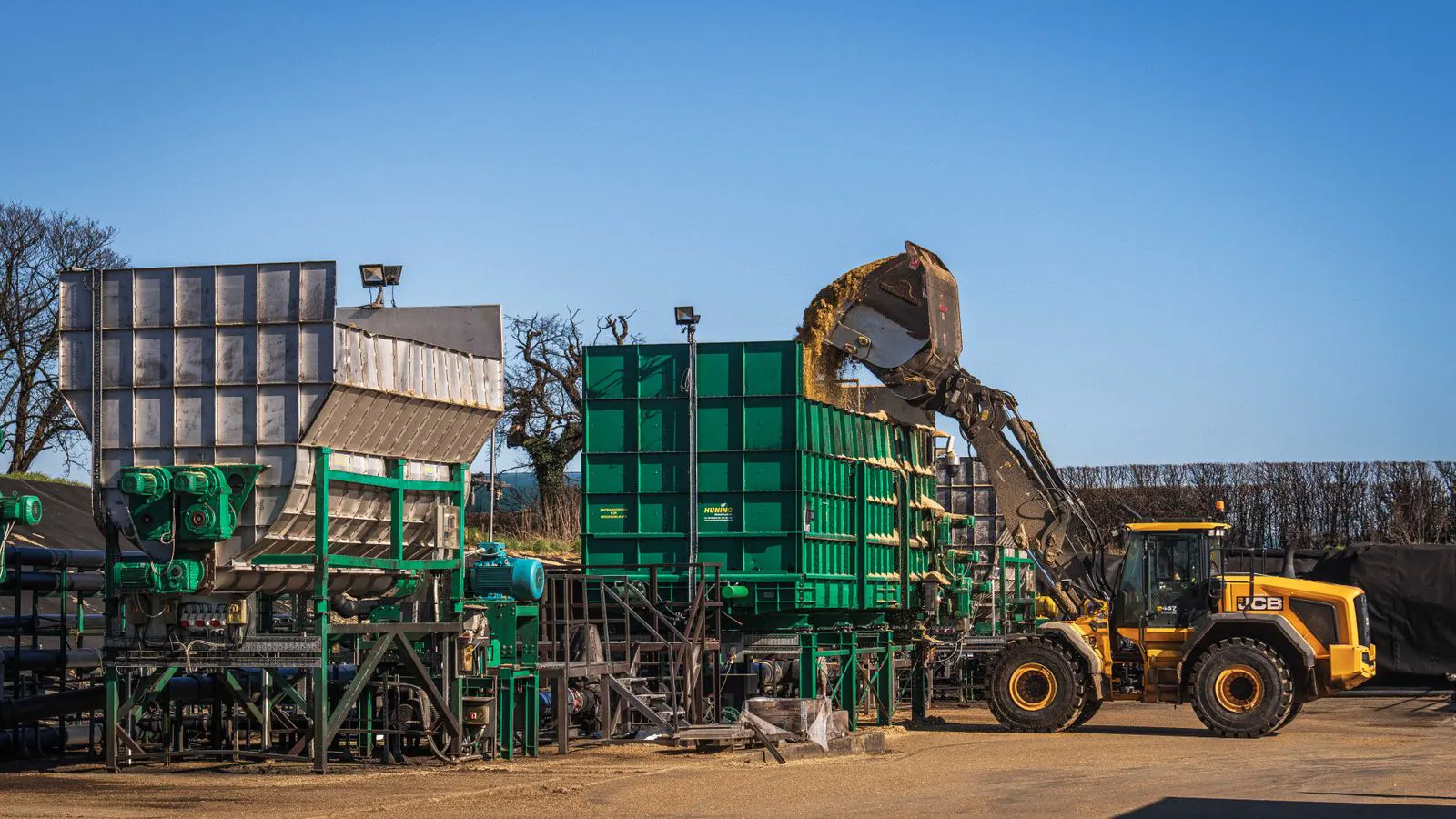
Wheel loaders offer higher payload capacity and faster material handling, while skid steers provide better maneuverability and attachment variety. The right choice depends on site access, material type, and daily cycle times.
- Wheel loaders handle larger payloads and faster cycles for open, tight-access work.
- Skid steers excel in narrow spaces and offer more attachment options per machine.
- Check undercarriage wear and tire cost before finalizing the purchase.
- Match the machine to the daily cycle, not just the maximum capacity.
- Consider electric versions only if your site has decarbonization targets and power access.
Which Machine Fits a Constrained Work Area
Tight sites force a different choice than open yards. A wheel loader and a skid steer both handle material, but they do it in different ways. The wheel loader is built for payload and speed. The skid steer is built for turning radius and attachment variety.
For constrained work areas, the decision usually comes down to three things. First, how much material moves per hour. Second, how tight the access path is. Third, what attachments the job requires. A procurement manager who picks only on price will often face higher operating costs later.
The wheel loader typically carries more material per bucket. It also has a larger engine and a longer wheelbase, which means it can move heavy loads faster. The skid steer uses tracks or small wheels and turns on the spot. It can fit into spaces where a wheel loader cannot.
Site access equipment selection should start with the actual work. If the job moves aggregate, topsoil, or crushed stone across a short distance, the wheel loader usually wins on cycle time. If the job involves grading, trenching, or multiple attachment changes, the skid steer is more flexible.
How Maneuverability Differs on Tight Sites
Maneuverability is the core difference between these two machines. A wheel loader turns on its front wheels. The rear wheels steer by differential, which gives a wider turning radius. A skid steer steers by driving the left and right tracks in opposite directions. It can pivot in place.
In a narrow trench, a skid steer can position itself with minimal backing. A wheel loader may need several turns to align the bucket. In a tight yard with parked trucks, the skid steer can back up to a loading point without the operator having to walk around the machine.
The wheel loader’s larger tires also dig into soft ground. The skid steer’s tracks spread load over a wider area. On compacted gravel or concrete pads, both machines perform well. On soft soil, the skid steer may hold position better, but the wheel loader can dig deeper into the material.
For site access equipment, consider the path width. If the path is wide enough for the wheel loader’s turning circle, the larger machine is usually more efficient. If the path is tight, the skid steer’s on-site turning is a major advantage.
Capacity and Cycle Time Comparison
Capacity is where the wheel loader often has the edge. A wheel loader bucket can hold more material per lift. It also has a larger hydraulic system that can cycle faster. A skid steer bucket is smaller, but the machine can reach tighter spaces, which can reduce idle time.
Cycle time depends on the distance between the load point and the dump point. If the distance is short, the skid steer’s faster positioning can offset its smaller bucket. If the distance is longer, the wheel loader’s larger payload wins.
Consider the material type. Loose aggregate requires a larger bucket to move the same volume. Dense material like gravel or rock may require a smaller bucket with more digging force. The wheel loader’s hydraulic power is better suited for dense material. The skid steer’s smaller bucket can handle lighter material more efficiently.
For a procurement manager, the question is not just maximum capacity. It is how many hours the machine will run and what the hourly cycle time will be. A wheel loader that moves 50 cubic meters per hour may cost more per hour in fuel and maintenance than a skid steer that moves 30 cubic meters per hour but reaches the load point faster.
Cost and Maintenance Considerations
Purchase price is not the only cost. Operating costs matter more over the life of the machine. Tires on a wheel loader wear quickly on rough terrain. Skid steer tracks wear from undercarriage wear and hydraulic stress. Both machines have different maintenance intervals and parts costs.
The wheel loader has a larger engine, which means higher fuel consumption per hour. The skid steer uses less fuel but may require more frequent track adjustments. Check the undercarriage wear and how it affects cost before finalizing the purchase.
For tight sites, the skid steer’s smaller size may reduce the need for a dedicated operator. The wheel loader often requires a trained operator to handle the larger turning radius. Labor costs can shift the decision, especially on short jobs.
Consider the attachments. A skid steer can change attachments quickly. A wheel loader can change buckets and forks, but the process is slower. If the job requires multiple attachments, the skid steer’s flexibility can reduce downtime.
When to Pick Each Machine
The choice depends on the daily work. A wheel loader is best when the site has enough space for turning and the job involves moving large volumes of material. A skid steer is best when the site is tight, the work involves multiple attachments, or the machine needs to reach narrow spaces.
Use a wheel loader when:
- The material is dense or bulky.
- The distance between load and dump points is moderate.
- The site has enough width for the turning radius.
- The job runs long hours and cycle time is critical.
Use a skid steer when:
- The site is narrow or has tight access.
- The work involves multiple attachments.
- The machine must work in confined spaces.
- The material is light or the distance is short.
A hybrid approach is possible. Some sites use both machines. The wheel loader handles bulk material, and the skid steer handles finishing work. This setup can be cost-effective when the job is large enough to justify two machines.
For site access equipment, the right choice is not always the one with the highest capacity. It is the one that fits the site and the daily cycle.
Final Selection Checklist
Before signing the purchase order, run through this checklist. Measure the site paths and turning circles. Check the material type and density. Estimate the daily cycle time. Review the operating costs for both machines.
The wheel loader is a workhorse. The skid steer is a multitool. The right choice depends on the job. If the site is tight and the work is varied, the skid steer is usually the better fit. If the site is open enough and the work is bulk material movement, the wheel loader wins.
Check the undercarriage wear and how it affects cost. Review the maintenance intervals. Confirm the attachments you will need. The machine that fits the job will save money over the life of the project.
Frequently asked questions
Can a wheel loader work in the same tight space as a skid steer?
A wheel loader can work in tight spaces, but it needs a wider turning radius. It may require more backing and repositioning. A skid steer can pivot in place and reach tighter points with less maneuvering.
Which machine is cheaper to operate on a small site?
It depends on the work. A skid steer uses less fuel and may have lower tire costs. A wheel loader has higher fuel use but can move more material per hour. The cheaper option is the one that matches the daily cycle.
Do skid steers require more maintenance than wheel loaders?
Skid steers have more moving parts in the track system. They may need more frequent track adjustments. Wheel loaders have tire wear as a major cost. Both machines require regular undercarriage checks.
Is a skid steer better for soft soil?
A skid steer's tracks spread load over a wider area, which helps on soft ground. A wheel loader's tires dig in more easily. For soft soil, a skid steer may hold position better, but a wheel loader can dig deeper.
Should I buy a wheel loader or a skid steer for a one-off job?
For a one-off job, consider the total cost. A skid steer is easier to move and store. A wheel loader is better for bulk material. Choose the machine that fits the specific task and site access.