Explainer: What Is Undercarriage Wear and How It Affects Cost
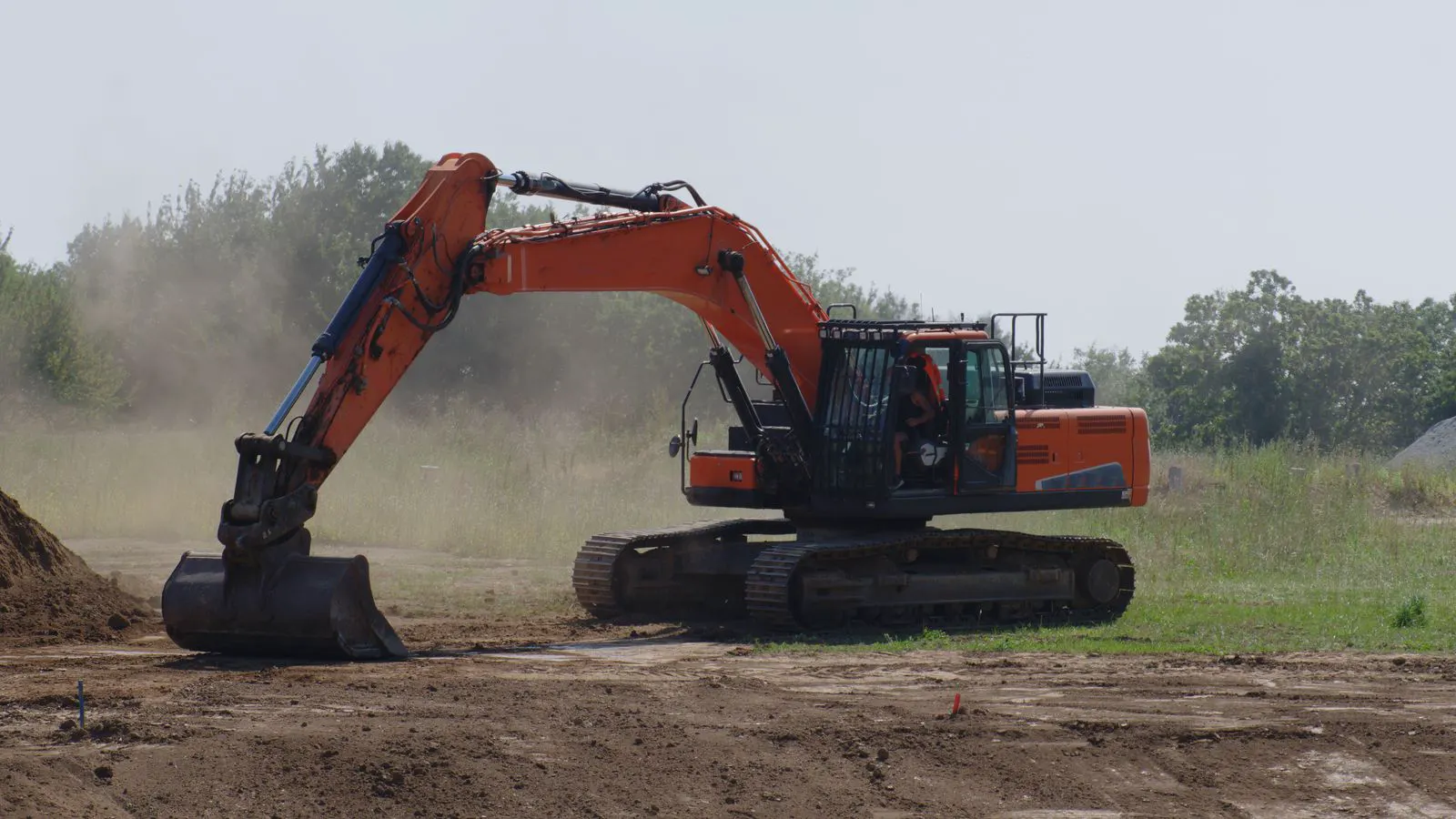
Excavator undercarriage wear happens as tracks, pads, and rollers contact the ground. It affects total operating cost through replacement parts and downtime. Engineers must match wear rates to soil type and work patterns.
- Excavator undercarriage wear is driven by soil abrasion, impact loads, and improper tension.
- Crawler wear parts include track links, shoes, rollers, and idler wheels.
- Undercarriage maintenance cost rises when wear is ignored or parts are replaced in mismatched sets.
- Engineers should inspect wear patterns regularly to plan sourcing and reduce downtime.
- Matching undercarriage components to soil type improves lifespan and total cost of ownership.
What Is Undercarriage Wear
Excavator undercarriage wear refers to the gradual loss of material and shape in the ground contact system. It includes track links, shoes, rollers, sprockets, and idlers. These parts take direct impact from rocks, gravel, and hard soil. They also wear from friction and heat during operation.
Wear is not uniform. One side of the machine may wear faster than the other. This happens when the excavator works with a consistent bias, such as digging on one side of a trench. The result is uneven contact and accelerated wear on specific components.
Understanding wear starts with identifying the parts. The track links are the main moving segments. Shoes are the outer plates that touch the ground. Rollers support the track from below. Sprockets engage the links. Idlers guide the track at the rear. Each part wears at a different rate.
Shoes are the first to show damage. They sit directly against the ground surface. When they wear below the original thickness, the link pins bear more load. This shifts stress away from the intended contact area. Links wear as a result.
Rollers and sprockets operate in a closed loop with the links. If the shoes thin out, the track tension changes. The sprocket teeth then engage the links at a different angle. This creates side loading on the pins and bushes. Over time, the track becomes loose or misaligned.
Idlers are often overlooked. They guide the return side of the track. If an idler wears or bends, the track sits unevenly on the rollers. The return side may twist. This causes the links to rub against the frame or the idler itself.
How Wear Develops in Crawler Excavators
Crawler wear parts fail for several reasons. Soil abrasion is the primary driver. Hard particles grind against metal surfaces. Impact loads occur when the machine hits rocks or uneven ground. Heat builds up in the track system during continuous operation.
Track tension matters. If tension is too low, links skip the sprocket teeth. This causes pitting and rapid wear. If tension is too high, rollers and bearings heat up. Excessive tension also strains the hydraulic drive.
Soil type changes the rate. Soft clay may be forgiving to the track. It can cushion impacts but may cause sticking if the machine sits too long. Gravel and rock are abrasive. They cut into shoes and wear through links. Wet conditions can accelerate corrosion on exposed metal.
Track tension is usually set by the manufacturer’s service manual. Operators often adjust it using hydraulic jacks or manual tensioners. The correct tension allows the track to move smoothly over the sprocket and idler without lifting off the rollers.
When the track is loose, the links can jump over sprocket teeth. This creates a knocking noise. The tooth profile wears down quickly. The links also suffer from lateral shock.
When the track is too tight, the rollers cannot rotate freely. The bearings inside the rollers heat up. The track system transmits more force to the hydraulic motors. This increases fuel consumption and can lead to seal failure.
Soil composition affects wear rates significantly. Rocky terrain produces sharp edges. These cut into the shoe surface. Clay soils can pack into the track links. This creates friction inside the link assembly. Gravel is abrasive. It acts like sandpaper on the shoe surface.
Why Undercarriage Maintenance Cost Is More Than Parts
Undercarriage maintenance cost includes parts, labor, and downtime. Replacing a single shoe is cheaper than replacing the entire track assembly. But if one part fails and causes the others to fail, total cost rises sharply.
Labor costs vary by region and complexity. Track replacement requires removing the machine from work. It needs crane support or heavy lifting. It also needs cleaning and alignment checks. These steps add time and expense.
Downtime has a direct impact. An excavator cannot work while tracks are being replaced. The longer the repair, the more project delays occur. This is why maintenance planning matters. Keeping spare parts on hand and scheduling work during planned stops reduces disruption.
A single worn shoe can lead to a full track replacement. When one shoe fails, the remaining shoes are often uneven. The track tension changes. The sprocket and idler wear becomes irregular. Replacing only the bad shoe does not fix the underlying issue.
The labor cost of a partial replacement is rarely lower than a full set. The technician still needs to remove the track, clean the frame, and inspect the rollers and sprocket. The time saved by not buying new parts is usually lost in the alignment process.
Downtime is the hidden cost. If the excavator is the only machine on a site, any repair stops production. The cost of lost production often exceeds the cost of the parts and labor.
How Wear Affects Sourcing Decisions
Engineers choose crawler wear parts based on expected service life. If the machine works in rocky terrain, heavier shoes and reinforced links are needed. These parts cost more upfront but last longer.
Sourcing decisions also depend on lead time. Common parts may be available quickly. Specialized undercarriage components may take weeks. Engineers should check inventory levels and supplier reliability before starting a project.
Matching parts is critical. Mixing old and new components can cause uneven wear. If the sprocket is worn, it will damage new links. If the idler is misaligned, it will bend the track. A full inspection before replacement helps avoid this.
Part selection depends on the working environment. For rocky sites, engineers often choose shoes with deeper lugs. These lugs provide better traction and shed debris. The links may need thicker pins. The sprocket may need a harder steel alloy.
For softer sites, standard parts may suffice. The focus shifts to corrosion protection. Engineers may select shoes with a corrosion-resistant coating. They may choose links with sealed pins and bushes.
Lead time is a practical constraint. If the machine is due for a major overhaul, the parts must be ordered in advance. If the parts are not available, the machine sits idle. The cost of idle time can be higher than the cost of the parts.
Worked Example: Replacing Track Components on a Rock Excavator
Consider an excavator working in a quarry. The machine digs through hard rock and gravel. The soil is abrasive and contains sharp edges. The operator notices the track is walking out of alignment. The left side sits lower than the right.
The technician inspects the track. The left shoes show deep grooves. The right shoes are relatively smooth. The left rollers have more wear than the right. The sprocket teeth are chipped. The idler is misaligned.
The replacement plan includes new shoes, links, rollers, and sprocket. The technician replaces the full set on both sides. He also realigns the idler and checks the hydraulic drive. This prevents uneven wear from returning.
The cost is higher than replacing only the damaged side. But it prevents future failures. The machine returns to work with balanced wear. This reduces the chance of early breakdowns.
In this case, the uneven wear was caused by the machine working in a specific area. The left side hit more rock. The right side worked in softer soil. The technician replaced the entire system because the wear was already uneven.
The technician cleaned the frame and the rollers. He checked the hydraulic hoses for leaks. He inspected the drive sprocket for damage. He measured the track tension after installation.
The machine returned to work with a full set of new parts. The operator reported that the machine handled the rock better. The track did not slip or jump. The fuel consumption was similar to the previous setup.
How to Plan for Wear in Operating Cost
Planning for wear starts with inspection. Technicians should check track tension, shoe wear, and roller condition. They should measure wear at regular intervals. They should record data to track trends.
Scheduling maintenance around work cycles helps. If the machine works for a set number of hours, parts can be replaced before they fail. This avoids emergency repairs. It also allows better budgeting for parts and labor.
Training operators is part of the plan. Operators should learn to spot unusual noise, vibration, or track slippage. They should report issues early. This helps technicians act before small problems become major ones.
Inspection should include visual checks and measurements. Technicians should measure the shoe thickness at several points. They should measure the link wear at the pins. They should check the roller rotation for smoothness.
Scheduling maintenance around work cycles means replacing parts when they are due for replacement. This is different from replacing parts when they fail. It is a proactive approach. It reduces downtime and extends the life of the other parts.
Training operators to spot issues early is crucial. Operators spend the most time with the machine. They can hear unusual noises. They can feel changes in the machine’s handling. They can see track slippage.
How Undercarriage Wear Affects Total Cost
Total cost of ownership includes purchase price, fuel, maintenance, and parts. Undercarriage wear adds to this cost. High wear rates increase parts spending. Poor maintenance increases labor and downtime.
The goal is not to minimize all costs. The goal is to balance wear with service life. Replacing parts too early wastes money. Replacing them too late causes bigger failures. The right balance depends on soil, work pattern, and machine use.
Engineers should look at the full system. Track condition affects the hydraulic drive. It affects the structure. It affects fuel use. A worn undercarriage can cause secondary damage. This raises total operating cost.
A worn undercarriage increases fuel consumption. The machine has to work harder to move. The track system transmits more force to the hydraulic motors. This increases fuel use.
A worn undercarriage can cause structural damage. If the track is misaligned, the frame may bend. The chassis may suffer stress. This reduces the machine’s resale value.
Final Thoughts on Cost and Wear
Excavator undercarriage wear is a predictable part of operation. It is not a failure when managed. It becomes a cost problem when ignored.
Engineers should treat the undercarriage as a system. They should inspect it regularly. They should plan replacements based on actual wear, not guesswork. They should match parts to the working conditions.
The result is a machine that performs consistently. It has lower total operating cost. It spends less time in the shop. It delivers more productive hours on site.
| Component | Primary Wear Cause | Common Symptom | Replacement Impact |
|---|---|---|---|
| Shoes | Abrasion and impact | Grooved or thin plates | High cost, high downtime |
| Links | Friction and bending | Worn pitch, skipped teeth | Expensive, labor intensive |
| Rollers | Heat and misalignment | Play in bearings, noise | Moderate cost, moderate labor |
| Sprocket | Tooth wear and impact | Chipped or rounded teeth | High cost, affects whole track |
| Idler | Misalignment and wear | Track slippage, bending | Moderate cost, alignment needed |
| Track Tension | Improper adjustment | Skipped links or high heat | Prevents other failures |
Frequently asked questions
What are the main parts affected by excavator undercarriage wear?
The main parts are track links, shoes, rollers, sprockets, and idlers. These components take direct wear from soil and impact.
How does soil type affect undercarriage wear?
Hard and abrasive soils cause faster wear. Soft soils may be gentler but can cause sticking. Rocky terrain increases impact loads.
What is the difference between replacing one part and a full set?
Replacing one part is cheaper but can lead to uneven wear. Replacing a full set ensures balanced performance and longer life.
How can engineers reduce undercarriage maintenance cost?
Engineers can reduce cost by inspecting regularly, matching parts to soil, and planning replacements before failure.
Does undercarriage wear affect other parts of the excavator?
Yes. Worn tracks can strain the hydraulic drive and affect the machine structure. This can increase total repair costs.