Buyer's Guide: Choosing a Crawler Excavator for Soft Soil
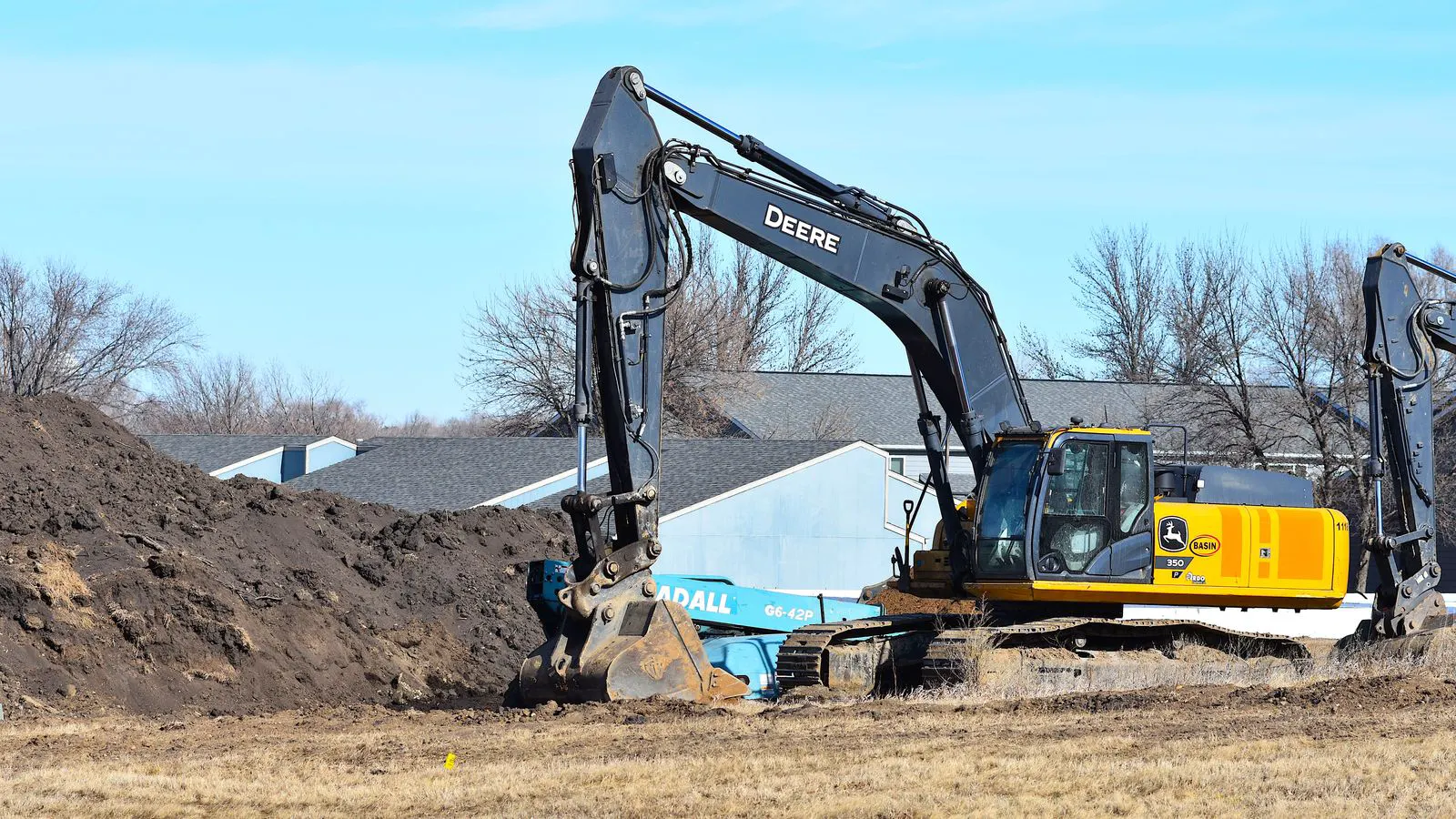
A crawler excavator for soft soil requires wide tracks, high ground pressure management, and sufficient digging power. Evaluate undercarriage options and engine torque before purchase to ensure stability and productivity in low-strength conditions.
- Match track width and undercarriage configuration to the expected ground bearing capacity.
- Prioritize torque and digging power over peak horsepower when operating in weak soil.
- Verify stability features such as anti-roll bars and boom configuration for low ground strength.
- Test the machine in a similar environment before finalizing the purchase decision.
Understanding the Ground Condition
Soft soil creates a direct conflict between machine weight and ground strength. The soil cannot support the concentrated load of the tracks without deforming. This deformation resists movement and slows the digging cycle. The operator applies throttle, but the machine loses forward traction. Fuel consumption rises as the engine works against the resistance. The cycle time lengthens, and the project schedule slips.
The primary failure mode is bogging. The tracks sink into the material, and the machine loses the ability to advance. If the sinkage exceeds the track length, the machine becomes immobilized. Recovery requires external assistance, such as another crawler or a crane. This downtime erodes the profitability of the project. It also damages the track components and increases the wear on the drive sprockets.
Buyers must identify the ground strength before selecting equipment. Low-strength conditions include saturated clay, peat, deep sand, or organic topsoil. Each material behaves differently under load. Clay holds its shape but offers low resistance to penetration. It can support a machine briefly, but it fails slowly and unpredictably. Sand shifts and offers no support. It flows around the tracks and creates a deep channel behind the machine. Peat compresses under load. It acts like a sponge, absorbing the track weight and offering little pushback.
The selection process starts with site data. Surveyors provide ground bearing capacity values. These numbers guide the undercarriage configuration. Without this data, buyers rely on general assumptions that often lead to poor choices. A machine that handles well on firm ground may sink in a wet field. The buyer needs to know the specific material profile. This includes moisture content, depth of the weak layer, and the presence of debris.
Evaluating Undercarriage Configuration
The undercarriage is the first factor to examine. Track width determines ground pressure. Wider tracks distribute the machine weight over a larger area. This reduces the force per square inch on the soil surface. Ground pressure is calculated by dividing the total machine weight by the total contact area. A lower pressure keeps the machine on top of the soil rather than inside it.
Track length also matters. Shorter tracks can reduce ground pressure in some configurations, but they offer less stability on uneven terrain. The interaction between width and length requires calculation. A very short track may sink into loose material even if the width is sufficient. A longer track provides a larger contact patch and better flotation. It also helps the machine bridge over small depressions or soft spots.
Bogging resistance depends on track gauge. A wider gauge provides better lateral stability. This is critical when the boom is extended. If the machine tilts, the tracks dig in and the machine stops. The wider the gauge, the more weight is transferred to the ground on the higher side, which can increase the risk of tipping or sinking on that side.
Consider the type of track shoes. Standard steel shoes offer durability on hard ground. Soft ground requires specific configurations. Rubber tracks provide better flotation and quieter operation. They reduce the digging resistance in loose material. However, they wear faster and are not suitable for abrasive or rocky terrain. Rubber compounds soften in high heat and can stretch under heavy loads. They also require more frequent inspection to check for cuts or punctures.
Rubber tracks are a common solution for soft soil. They increase the contact area and reduce the peak stress on the ground. This allows the machine to move without creating deep ruts. The trade-off is replacement cost. Rubber tracks have a limited service life compared to steel. They must be replaced when the tread wears down or when the compound degrades. The buyer must factor this into the total cost of ownership.
Engine Power and Digging Torque
Horsepower ratings do not tell the whole story in soft soil. High horsepower at high RPM does not help if the engine cannot produce torque at low speeds. Digging in weak material requires high torque to break the ground without slipping. The engine must deliver force at the point of contact with the soil. This happens at low engine speeds, where the hydraulic system is working against resistance.
Look for the torque curve of the engine. The area under the curve indicates the power available across the RPM range. A flat torque curve is preferable. It provides consistent digging force as the load increases. If the torque drops sharply at low RPM, the engine will stall when the bucket breaks into resistant soil. The operator must rev the engine to maintain power, which wastes fuel and increases heat.
Hydraulic system efficiency plays a role. The boom and stick cylinders must have sufficient flow rate. If the hydraulics are underpowered, the machine cannot maintain digging speed. The boom stalls. The operator waits for the cylinder to recover. This waiting time adds up over a shift and reduces the number of cycles completed. A high flow rate allows the cylinders to extend and retract quickly, even under load.
Check the hydraulic pressure. High pressure allows the cylinders to exert more force. This helps in breaking up compacted layers within soft soil. The combination of engine torque and hydraulic pressure determines the actual digging capability. If the engine has high torque but the hydraulic system has low pressure, the bucket cannot exert enough force to penetrate the soil. Conversely, if the hydraulics are powerful but the engine lacks torque, the engine will redline and stall under load.
Stability and Control Features
Stability is a safety issue as much as a performance issue. A machine that tilts in soft ground puts the operator at risk. The boom configuration affects the center of gravity. A counterweight balances the boom. It shifts the weight rearward to keep the machine stable during digging operations.
The position of the counterweight matters. A heavier counterweight shifts the center of gravity rearward. This reduces the risk of tipping forward during digging. However, it increases the weight on the rear tracks. This can worsen bogging if the rear tracks are not wide enough. The buyer must balance the need for tipping protection against the need for flotation. A machine that is too heavy in the rear may sink into soft ground even if the front tracks are stable.
Anti-roll bars are a useful feature. These bars connect the left and right sides of the undercarriage. They prevent the tracks from splaying outward. This maintains the track gauge during operation. When the machine tilts, the anti-roll bar transfers the load between the tracks and prevents them from separating. This keeps the machine level and prevents the tracks from digging into the ground on the higher side.
Control systems affect operator precision. A smooth response from the joysticks allows the operator to make small corrections. This helps maintain control in slippery conditions. Look for machines with good sensitivity and low lag. A laggy control system can cause the boom to overshoot the target. In soft soil, overshooting can destabilize the machine and increase the risk of bogging. Smooth controls allow the operator to work carefully and maintain the machine on a stable platform.
Practical Testing and Site Validation
Spec sheets provide general information. They do not reflect the specific conditions of your site. A machine that performs well in a demonstration yard may struggle in your field. The demonstration yard often has firm ground and ideal conditions. The actual project site may have wet clay, deep sand, or organic material that the machine has not been tested against.
Request a site trial. Bring the machine to a representative area of the project. Dig in the actual soil. Measure the cycle time. Observe the track behavior. Check for slippage or bogging. The trial should be conducted under the same conditions as the actual work. This includes the same moisture level, the same depth of material, and the same obstacles.
Involve the operator in the test. A skilled operator can adjust the technique to compensate for weak ground. This reveals the true capability of the machine. If the operator cannot maintain productivity, the machine is not suited for the application. The operator should be allowed to use the full range of controls and techniques. This includes adjusting the boom angle, changing the digging angle, and modifying the travel speed.
Inspect the undercarriage after the test. Check for wear on the tracks and rollers. Look for signs of overheating. Excessive wear indicates that the machine is working harder than it should. Check the temperature of the hydraulic oil. High temperatures can indicate that the hydraulic system is overloaded. This can lead to component failure and increased maintenance costs.
Decision Checklist
Use this checklist to evaluate candidates.
- Ground bearing capacity is known and documented.
- Track width and length are calculated for the expected load.
- Engine torque curve supports sustained digging in weak material.
- Hydraulic system provides adequate flow and pressure.
- Stability features such as counterweight and anti-roll bars are present.
- A site trial has been completed in a representative area.
- Maintenance costs for the chosen undercarriage are understood.
- The operator has been trained on specific techniques for soft ground.
Criteria Table
| Criterion | What to look for | Why it matters |
|---|---|---|
| Track Width | Wider tracks to reduce ground pressure | Prevents bogging and maintains traction in loose material |
| Track Material | Rubber or specialized steel shoes | Increases flotation and reduces resistance in soft soil |
| Engine Torque | High torque at low RPM | Provides digging force without slipping in weak ground |
| Hydraulic Flow | Sufficient flow rate for cylinders | Maintains digging speed and prevents boom stall |
| Counterweight | Adequate mass to balance boom | Reduces tipping risk and stabilizes the machine during digging |
| Anti-Roll Bar | Structural bar connecting undercarriage sides | Prevents track splaying and maintains lateral stability |
Conclusion
Selecting a crawler excavator for soft soil requires a focus on ground interaction. The undercarriage design is the primary determinant of success. Wide tracks and appropriate materials reduce the risk of bogging. The machine must be able to distribute its weight effectively to stay on top of the soil.
The engine and hydraulic system must support the undercarriage. High torque and adequate flow ensure that the machine can dig without stalling. Stability features protect the operator and the asset. A machine that is unstable in soft ground is a safety hazard and a financial risk.
Do not rely on marketing claims. Verify the machine in your specific environment. A site trial provides the most reliable information. The right machine keeps the project moving in conditions that would stop a poorly chosen unit. It maintains productivity and reduces the need for external assistance. The buyer must make the decision based on site data, undercarriage configuration, and practical testing.
Frequently asked questions
What is the ideal track width for soft soil?
The ideal width depends on the machine weight and the ground bearing capacity. Wider tracks generally reduce ground pressure and improve flotation in weak material.
Can rubber tracks be used on rocky terrain?
Rubber tracks are not recommended for rocky or abrasive terrain. They wear quickly and can be damaged by sharp objects. Steel tracks are more durable in harsh conditions.
How does counterweight affect bogging?
Counterweight increases the machine weight. This can increase ground pressure and worsen bogging. However, it improves stability. The balance must be optimized for the specific application.
Is it better to choose a larger machine for soft soil?
A larger machine is not always better. It has more weight, which can increase ground pressure. A smaller machine with wider tracks may perform better in weak ground.
How often should undercarriage parts be replaced in soft soil?
Replacement frequency depends on the materials used and the intensity of operation. Rubber tracks generally have a shorter service life than steel tracks in soft soil. Regular inspection is required.