Outlook: Electric Loaders and Site Decarbonization Targets
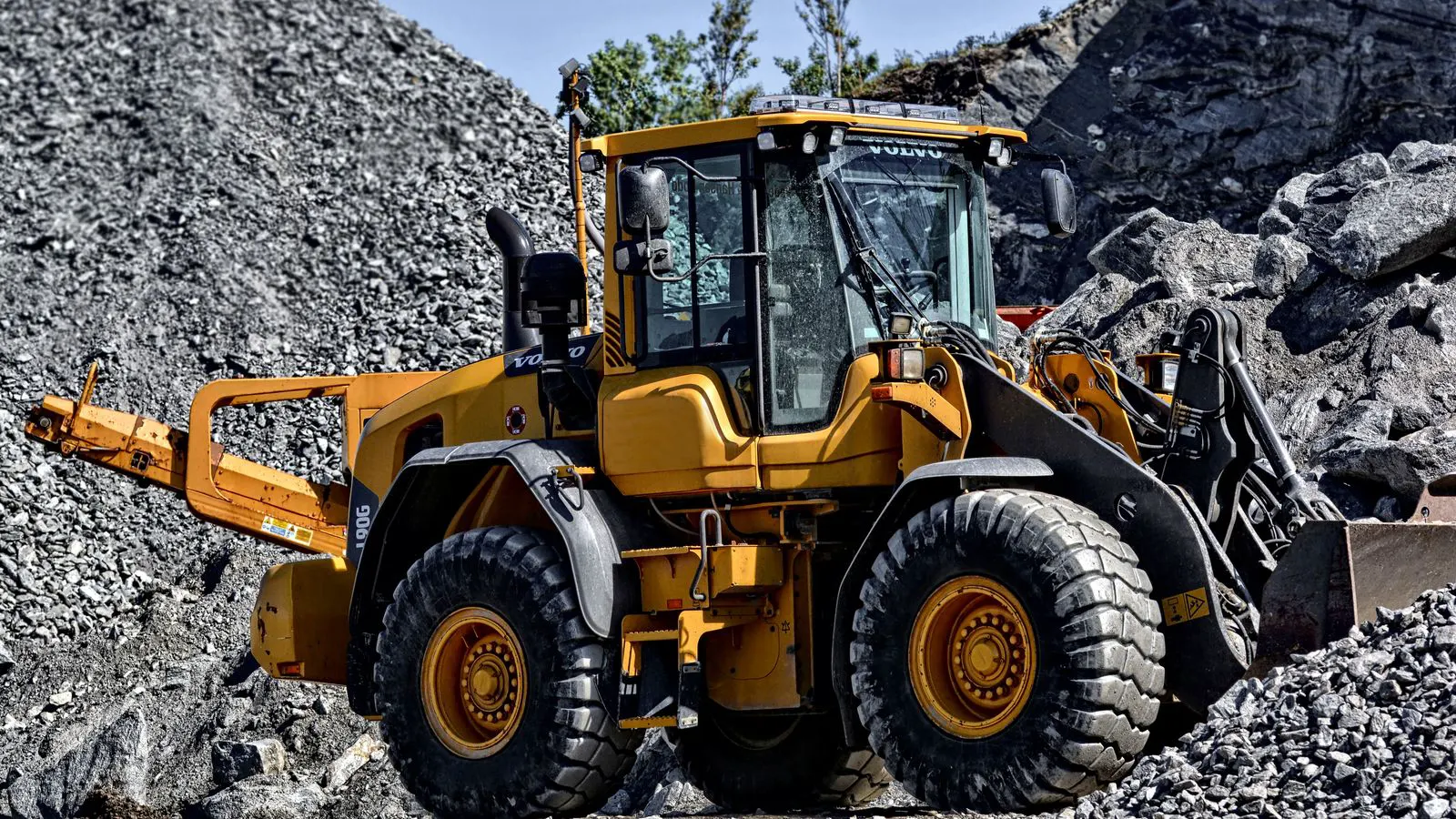
Electric wheel loaders are moving from pilot projects to core fleet assets. Procurement teams must plan for energy infrastructure, total cost of ownership, and hybrid transition paths. Site decarbonization targets are driving demand for battery electric earthmoving equipment.
- Electric wheel loaders change how fleets manage energy, maintenance, and operating costs.
- Battery electric earthmoving requires planning for charging infrastructure before purchasing equipment.
- Hybrid and electric loaders offer different trade-offs for different site conditions.
- Decarbonization construction targets are shifting procurement from fuel efficiency to energy source.
- Fleet managers should prepare by mapping site power access and defining operating patterns.
The shift from fuel efficiency to energy source
Procurement managers used to evaluate loaders primarily on fuel burn, hydraulic output, and tire life. Those metrics still matter. The new variable is the energy source. Electric wheel loaders change the calculation because they separate the machine from the fuel supply chain and shift the cost into electricity, batteries, and site power.
For many buyers, the question is no longer whether these machines exist. The question is whether they fit the next three to five years of fleet planning. Site decarbonization targets are pushing operators to reduce carbon emissions from diesel units. Electric wheel loaders offer a direct path, but they also introduce new operational requirements.
A fleet manager evaluating this option needs to look at more than the purchase price. The decision involves charging power, duty cycles, battery degradation, and the long-term mix of diesel, hybrid, and electric units.
How site decarbonization targets change the buying decision
Decarbonization construction goals are not just environmental preferences. They are becoming contractual requirements. Clients, municipalities, and large contractors now ask for emission reduction plans. Diesel-only fleets face pressure to show a reduction schedule.
This changes the procurement conversation. When a tender requires lower emissions, the bid team must account for electric or hybrid units. The equipment budget must include the cost of charging infrastructure. The maintenance budget must include electrical systems and battery management.
A common mistake is treating the electric loader as a direct replacement for a diesel unit. It is not. It is a different operating model. The machine may perform the same loading task, but the site must support it differently.
Buyers should identify which projects have decarbonization construction requirements. Those projects may justify early electric adoption. Projects without those targets may be better served by diesel or hybrid units for now.
The five shifts buyers must plan for
Fleet planning for electric wheel loaders involves several structural changes. These are not small adjustments. They require new procedures, new staff knowledge, and sometimes new site layouts.
The first shift is power access. A diesel loader runs on fuel. An electric one needs a charging connection. This means evaluating site power, grid capacity, or the need for battery swapping.
The second shift is maintenance. Electric loaders have fewer moving parts. They do not have engine oil changes, fuel filters, or exhaust systems. They do have battery cooling, high-voltage checks, and software updates.
The third shift is operator training. Operating an electric loader is similar to operating a diesel one, but the safety and maintenance routines differ. Operators need to understand battery states, charging protocols, and high-voltage zones.
The fourth shift is total cost of ownership. The purchase price may be higher than a diesel equivalent. The operating cost may be lower. The break-even point depends on usage, electricity rates, and battery life.
The fifth shift is fleet mix. Most fleets will not go fully electric at once. The plan is likely a mix of diesel, hybrid, and electric units. The challenge is managing that mix across different sites.
Charging infrastructure: the hidden cost
The most overlooked part of battery electric earthmoving is the charging setup. A single electric wheel loader needs a power supply that matches its charging rate. The site must have the electrical capacity to support that load.
For large sites, this may mean upgrading the substation or installing dedicated transformers. For smaller sites, a portable generator or battery swap system may be more practical. The choice depends on the number of machines and their duty cycle.
Charging time affects the operating schedule. If a loader needs four hours to recharge, it cannot run continuously. The fleet manager must plan around that window. Many operators use opportunity charging during breaks or between tasks.
This is why the site layout matters. The charging point must be close to the work area. Long cable runs increase cost and create tripping hazards. The site plan should include the charging location as part of the machine deployment.
Battery life and degradation
Battery degradation is the main concern for total cost of ownership. Every battery loses capacity over time. The rate depends on temperature, charge cycles, and the operating environment.
In hot climates, batteries may degrade faster. In cold climates, charging efficiency drops. The site environment should be part of the evaluation.
Fleet managers should ask manufacturers for warranty terms on batteries. The warranty may cover a certain number of charge cycles or a certain percentage of capacity. It is not a guarantee of infinite life.
Battery replacement is a significant cost. Some operators plan for battery replacement at a defined capacity threshold. Others use second-life batteries for lower-demand applications. The plan should be clear from the start.
A practical comparison of fleet options
The table below shows the main trade-offs between diesel, hybrid, and electric wheel loaders. This is a general comparison. Specific units vary by manufacturer and configuration.
| Option | Operating Cost | Infrastructure Need | Maintenance Profile | Best For |
|---|---|---|---|---|
| Diesel | Moderate fuel cost | None beyond fuel supply | Engine, hydraulics, filters | Long hours, remote sites |
| Hybrid | Lower fuel cost | None beyond fuel supply | Engine plus electrical | High duty cycle, mixed sites |
| Electric | Low energy cost | High power access | Electrical, battery, tires | Urban sites, short cycles |
This table helps frame the decision. It does not replace a detailed site analysis. The best option depends on the specific operating conditions.
How to prepare your fleet for electric adoption
Preparation starts with data. Operators should collect operating data from their current fleet. Hours per week, average load, cycle times, and site power access are all relevant. This data helps model the electric option.
The next step is a pilot. A pilot does not need to be a full fleet replacement. One or two electric wheel loaders on a suitable site can reveal the real operating pattern. The pilot should measure energy use, battery performance, and maintenance needs.
Staff training is part of the pilot. Operators and maintenance technicians need hands-on experience. The training should cover safety, charging, and basic troubleshooting.
Finally, the fleet plan should be written. It should define the target percentage of electric units over time. It should identify the sites where electric units will operate first. It should outline the infrastructure upgrades needed.
A clear plan reduces risk. It also makes it easier to justify the investment to leadership and clients.
The role of hybrid units in the transition
Hybrid loaders are not the end goal. They are a bridge. They reduce fuel use while the fleet prepares for electric adoption. For sites where electric is not yet practical, hybrid units offer a middle path.
A hybrid unit can run on electric power for low-load tasks and switch to diesel for high-load tasks. This reduces emissions without requiring full electric infrastructure.
The fleet mix should evolve over time. As battery technology improves and charging infrastructure becomes more common, the share of electric units can grow. The transition should be managed, not rushed.
Buyers should not view hybrid units as a failure to go electric. They are a practical step. The key is to have a clear path from hybrid to electric.
What to watch in the next few years
The electric loader market is changing. Battery energy density is improving. Charging speeds are increasing. The cost of electric drivetrains is falling. These trends make electric wheel loaders more attractive.
Procurement managers should watch the manufacturer roadmap. New models will offer higher capacity, faster charging, and better battery management. The technology is moving toward standardization.
The regulatory environment is also changing. Emission standards are tightening in many regions. This will drive demand for electric and hybrid units. The earlier a fleet prepares, the less pressure it faces later.
A practical approach is to start small and scale up. Pilot electric units on suitable sites. Build the infrastructure. Train the staff. Then expand to the full fleet. This reduces risk and allows the fleet to learn as it goes.
The shift to electric wheel loaders is not a single purchase. It is a fleet transformation. Planning for it now will save time, money, and operational disruption later.
Frequently asked questions
Can electric wheel loaders replace diesel units in all applications?
No. Electric loaders work best in sites with reliable power access and moderate to short operating cycles. Long hours, remote sites, or extreme temperatures may make diesel or hybrid units more practical.
What is the biggest cost to consider when buying an electric loader?
Charging infrastructure is often the largest additional cost. The site must have the electrical capacity to charge the machine, which may require upgrades to the power supply.
How long does a battery electric earthmoving machine last?
Battery life depends on usage and environment. Most batteries are covered by a warranty for a defined number of charge cycles or capacity. Replacement will be needed eventually.
Do I need new operators to run electric loaders?
No, but existing operators need training. The operating controls are similar to diesel units, but safety, charging, and maintenance routines are different.
What is the best first step for a fleet considering electric adoption?
Collect operating data from your current fleet and run a pilot on a suitable site. This will reveal the real energy needs and help plan the infrastructure and fleet mix.