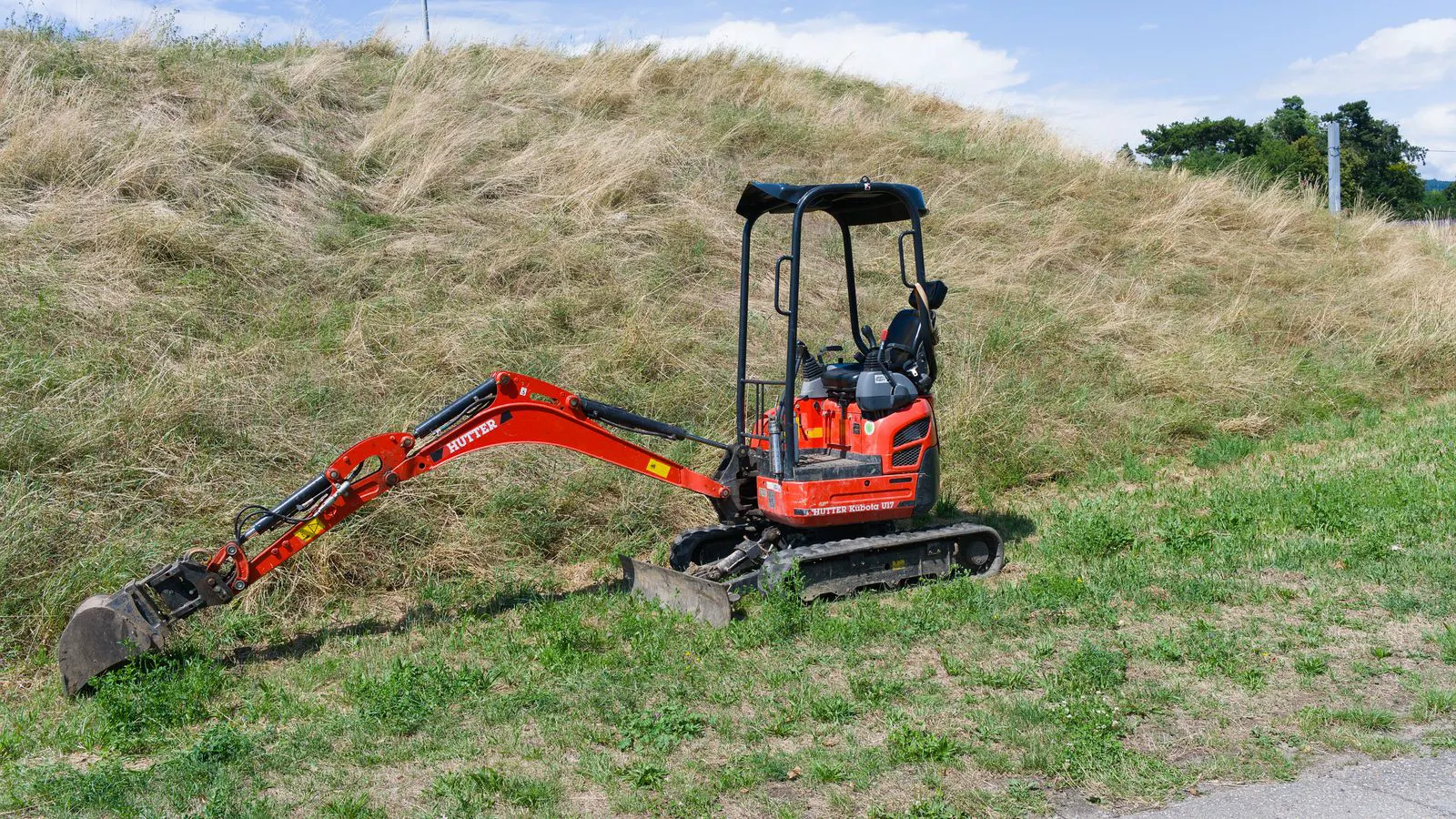
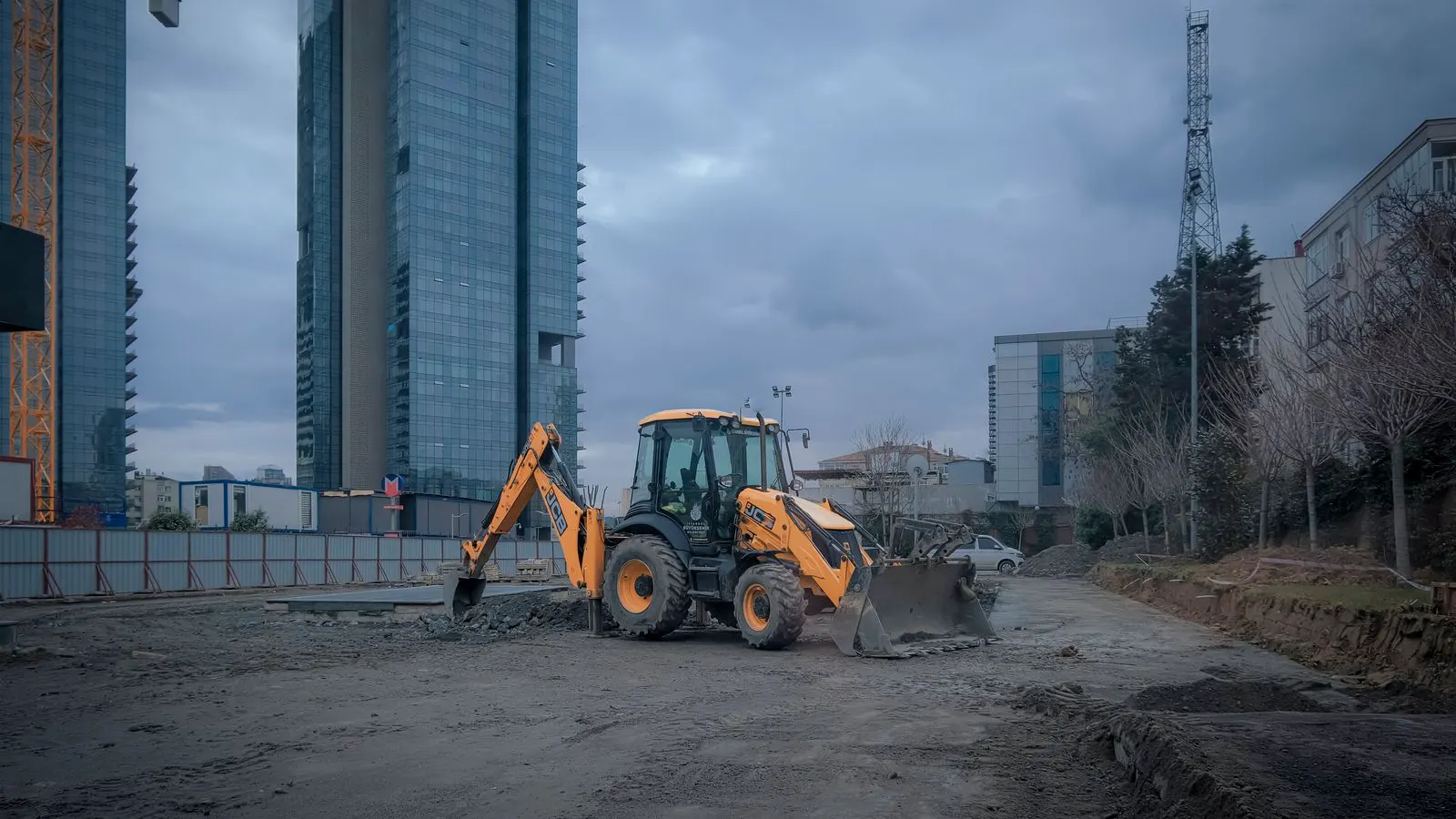
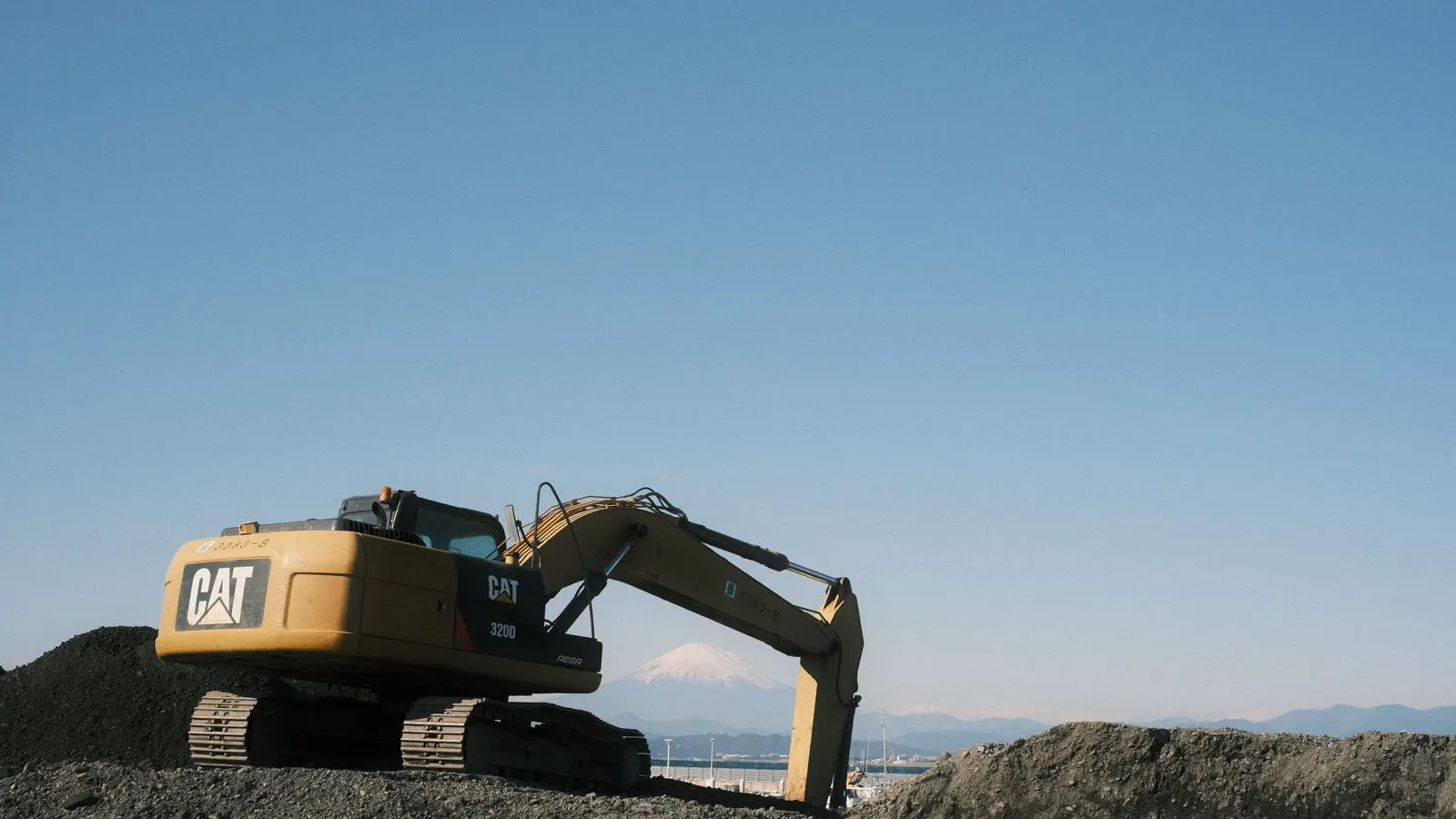
Excavator Selection: Bucket Size vs Digging Depth
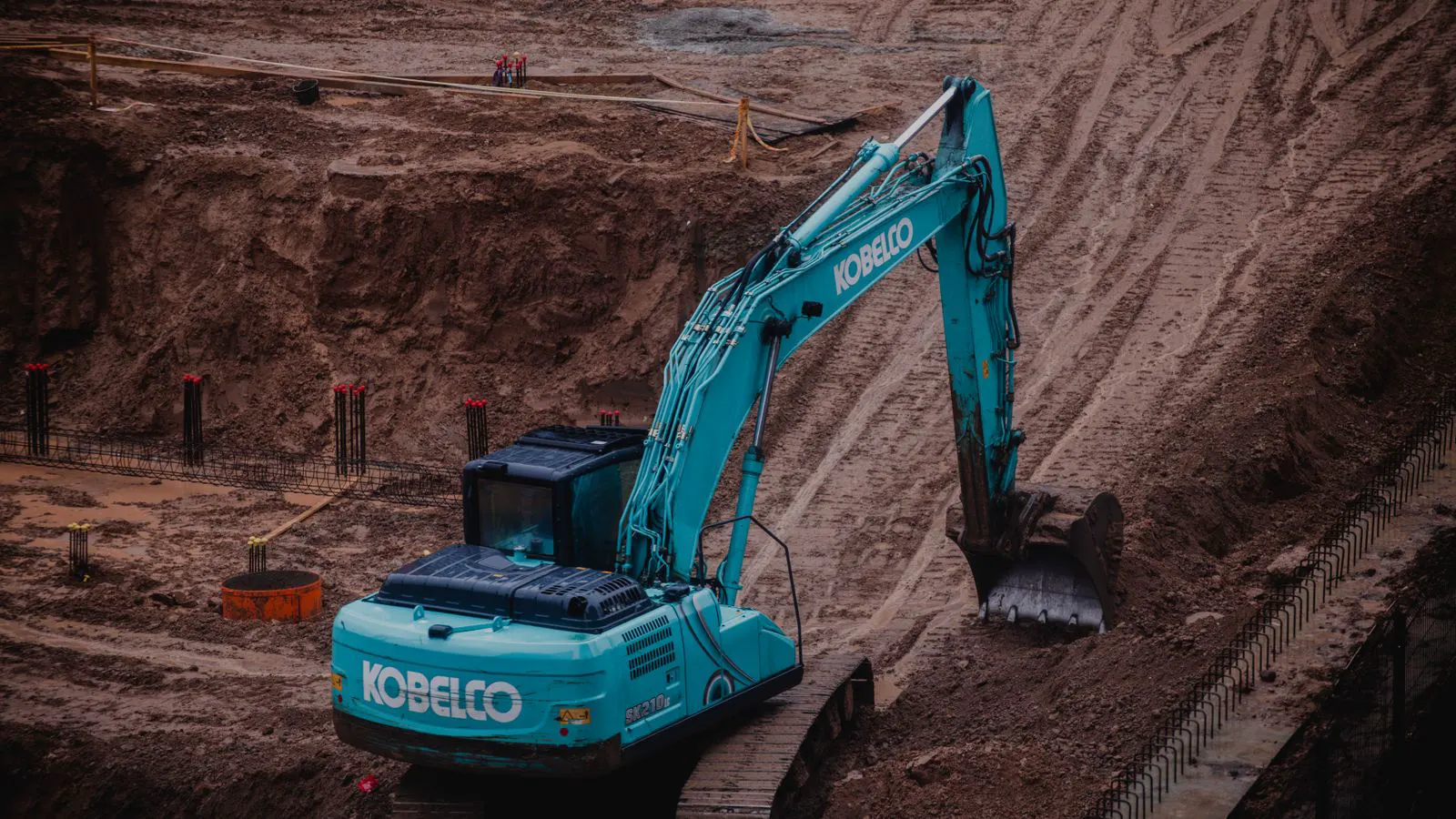
Excavator selection requires balancing bucket size for material handling against digging depth for trenching. The right choice depends on the specific task. A smaller bucket may reach deeper, while a larger bucket moves more material per cycle. Site equipment planning must consider both factors.
- Excavator selection depends on the balance between bucket capacity and trench depth.
- Larger buckets increase material handling speed but may limit reach or depth.
- Smaller buckets allow deeper digging but reduce material moved per cycle.
- Site equipment choices should match the primary task of the project.
- Operators can adjust bucket geometry to optimize for specific conditions.
What defines excavator selection?
Excavator selection is the process of choosing the right machine for a specific task. It involves looking at the machine’s dimensions, operating range, and how it interacts with the ground. A common point of confusion is how bucket size and digging depth relate to each other.
These two factors often work against each other. A machine built for speed with a large bucket may not reach as deep as a machine built for precision with a smaller bucket. Understanding this trade-off is essential for planning site equipment.
How does bucket size affect work?
Bucket size refers to the volume of material the machine can lift in a single pass. It is usually measured in cubic meters or cubic yards. The size of the bucket directly impacts the cycle time of the excavator.
A larger bucket moves more material per pass. This is ideal for general earthmoving, where the goal is to move large volumes of soil quickly. However, a larger bucket adds weight to the arm. This extra weight can change the machine’s center of gravity and may reduce the maximum reach.
For contractors, bucket size is a key factor when calculating productivity. If the site requires moving a lot of material in a short time, a machine with a larger bucket may be the better choice, provided it can reach the work area.
How does digging depth work?
Digging depth is the maximum vertical distance the bucket can reach below the ground surface. It is measured from the machine’s pivot point to the tip of the bucket. This measurement is critical for trenching, foundation work, and utility installation.
A machine with a large digging depth can handle deep trenches without needing to reposition. This reduces downtime and increases the safety of the operation. However, achieving deep digging often requires a narrower bucket. A narrow bucket fits into tight spaces and allows the arm to extend further down without hitting the ground.
If the excavator cannot reach the required depth, the operator must move the machine closer to the trench. This can limit the width of the trench that can be excavated in one pass.
What is the relationship between bucket and depth?
The relationship between bucket size and digging depth is generally inverse. As the bucket gets larger and heavier, the mechanical arm becomes longer and more rigid to support the weight. This can limit the angle at which the arm can extend.
A machine with a small, light bucket can often achieve a greater digging depth. This is because the arm can swing further down into the earth. Conversely, a machine with a large bucket is often designed for reach and lift rather than extreme depth.
This relationship is not absolute. Manufacturers offer different configurations of the same excavator model. By changing the bucket, the operator can alter the machine’s performance profile. This flexibility is a major advantage when selecting site equipment.
How to match the machine to the task
When choosing an excavator, start by defining the primary task. If the job is mostly surface grading, prioritize bucket size. If the job involves deep utility trenches, prioritize digging depth.
Consider the soil conditions. Soft soil may require a larger bucket to avoid getting stuck. Hard soil may require a machine with more digging power and a narrower bucket for precision.
The following table shows how different machine profiles suit different tasks.
| Machine Profile | Bucket Size | Digging Depth | Best For |
|---|---|---|---|
| Large Bucket | Large | Moderate | General earthmoving, grading |
| Small Bucket | Small | Deep | Trenching, utility work |
| Medium Bucket | Medium | Moderate | Mixed tasks, backfilling |
| Compact Bucket | Very Small | Very Deep | Tight space, narrow trenches |
A worked example
Imagine a site that requires both a wide access road and a deep drainage trench. A single excavator must handle both tasks.
For the access road, the operator needs to move a large amount of loose soil. A medium-sized bucket is efficient here. It moves enough material to keep the cycle time short. The digging depth for the road is shallow, so a large bucket is not a problem.
For the drainage trench, the operator needs to dig a narrow, deep hole. The medium bucket might be too wide to fit comfortably in a small trench. In this case, the operator might swap the bucket for a smaller one. The smaller bucket allows the arm to dig deeper and fit into the narrow space.
By using the same excavator with different buckets, the contractor can handle both tasks without renting a second machine. This is a practical application of excavator selection. It shows how changing the bucket changes the machine’s role on the site.
Final considerations for site equipment
When selecting site equipment, always look at the whole picture. Do not just look at the machine’s specifications. Look at the site conditions. Are there overhead wires? Is the ground soft? Is the space tight?
A machine that is perfect on paper may not work well on a specific site. For example, a machine with a long reach may not fit in a small urban construction site. A machine with a deep digging capacity may be overkill for a shallow foundation.
The best excavator selection is one that matches the specific needs of the project. It may require a machine with a medium bucket and moderate depth, or it may require a machine with a small bucket and deep reach. The key is to understand the trade-offs and choose the configuration that fits the job.
Frequently asked questions
Can I change the bucket size on an excavator?
Yes, most excavators allow the operator to swap buckets. Changing the bucket can alter the machine's digging depth and material handling capacity.
Is a larger bucket always faster?
Not always. A larger bucket moves more material per cycle, but it may require more time to swing and lift. The speed depends on the soil and the specific task.
How do I know if I need deep digging?
Check the project plans for the depth of foundations, trenches, or utilities. If the work requires going below a certain level, prioritize the machine's digging depth.
Does bucket weight affect fuel consumption?
Yes, a heavier bucket requires more power to lift. This can increase fuel consumption. A lighter bucket is generally more fuel-efficient for the same task.
What is the best excavator for trenching?
A machine with a small bucket and high digging depth is best for trenching. It can fit into narrow spaces and reach the required depth without repositioning.