Fixing Loader Slow Loading: Hydraulic and Engine Checks
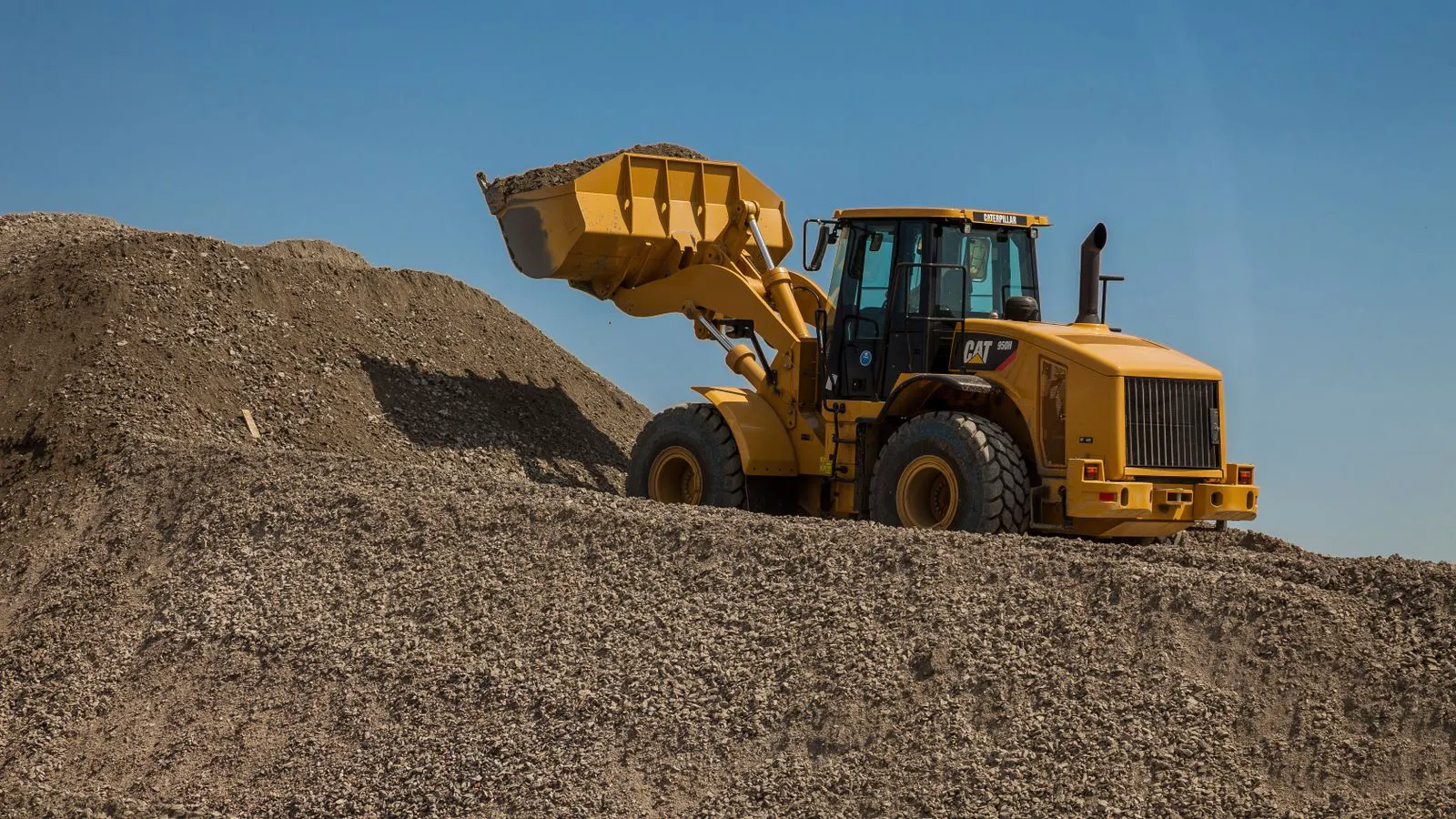
Reduced loading speed on a wheel loader usually stems from hydraulic fluid leaks, low pressure, or engine power issues. This guide provides a methodical approach to inspecting loader specs and performing hydraulic checks to restore efficiency and prevent costly downtime.
- Inspect hydraulic fluid levels and pressure to identify leaks or low system pressure.
- Perform engine diagnostics to ensure the power unit is delivering rated torque and RPM.
- Review loader specs to confirm the machine is operating within its intended capacity and speed range.
- Regular maintenance of hoses, filters, and seals prevents minor issues from becoming major failures.
- Monitor operator habits and machine load to maintain consistent loading cycle times.
When a wheel loader begins to move slowly during loading operations, it signals a potential issue that affects productivity and profitability. Reduced speed is rarely a single problem; instead, it often points to a combination of mechanical, hydraulic, or operational factors. Understanding how to diagnose these issues is essential for fleet managers and operators who rely on consistent performance. This guide outlines a systematic method for identifying the root cause of slow loading and restoring the machine to its rated capabilities.
Recognizing Symptoms of Reduced Loading Speed
Before opening hoods or checking gauges, it is crucial to observe the machine in operation. Operators often notice subtle changes before major failures occur. Common symptoms include the loader taking longer to fill the bucket, the bucket lifting slowly, or the machine struggling to reach full operating RPM under load. Additionally, the engine may sound strained or the transmission may slip. Identifying which specific part of the loading cycle is affected helps narrow down the potential cause. For instance, if the bucket lifts slowly but the machine moves normally, the issue is likely hydraulic. If the engine RPM does not increase when the operator demands more power, the problem may be engine-related or related to the transmission.
Checking Loader Specs Against Operating Conditions
One of the first steps in troubleshooting is to review the machine’s official documentation. Every wheel loader has specific loader specs that define its rated capacity, maximum operating speed, and hydraulic power output. Comparing the machine’s current performance against these specs helps determine if the issue is a mechanical failure or an operational mismatch. If the operator is consistently loading material that exceeds the bucket’s designed capacity, the machine will naturally run slower to protect its components. Similarly, if the loader is being used for a task it is not optimized for, such as handling very loose sand with a bucket designed for rock, the loading speed will drop. Confirming that the material being loaded matches the bucket’s intended application is a simple but often overlooked step.
Performing a Hydraulic Check
Hydraulic systems are the heart of a wheel loader’s lifting and loading functions. A hydraulic check involves inspecting the fluid, pressure, and physical condition of the hoses and cylinders. Low hydraulic fluid levels can cause air to enter the system, leading to spongy controls and slow cylinder extension. Leaks are another common culprit; even small seeps at the cylinder rods or hose fittings can result in significant pressure loss over time. Operators should check the hydraulic reservoir level when the engine is off and the machine is level. If the fluid is low, top it up with the manufacturer-recommended fluid type and inspect the system for visible leaks. If the fluid level is correct but the loader still operates slowly, a pressure test may be necessary to verify that the pump and valves are delivering the required force.
Engine Diagnostics and Power Output
If the hydraulic system checks out, the next focus should be on the engine. Engine diagnostics can reveal issues such as restricted air filters, clogged fuel injectors, or faulty sensors that limit the engine’s power output. A restricted air filter, for example, can starve the engine of oxygen, causing it to run at a lower RPM than designed, even if the throttle is fully engaged. Checking the engine oil level and condition is also important; low oil or contaminated oil can reduce efficiency and strain the power unit. Additionally, the transmission should be inspected. If the fluid is low or degraded, the transmission may not shift efficiently, resulting in slower overall movement and loading cycles. Replacing worn filters and fluids according to the maintenance schedule is a proactive way to maintain engine and transmission health.
Common Causes and Solutions Table
The table below summarizes the most frequent symptoms, their likely causes, and the recommended actions to take. This quick-reference guide helps technicians and operators prioritize their checks based on observed behavior.
| Symptom | Likely cause | What to do |
|---|---|---|
| Slow bucket lift | Low hydraulic pressure or air in system | Check fluid levels, inspect for leaks, bleed the system |
| Engine RPM drops under load | Restricted air filter or fuel system issue | Replace air filter, check fuel injectors and lines |
| Sluggish transmission response | Low or contaminated transmission fluid | Check fluid level, replace fluid and filter if necessary |
| Loader moves slowly overall | Worn tires or excessive tire pressure loss | Inspect tire pressure and tread depth, replace if needed |
| Slow loading cycle time | Operating beyond rated capacity or wrong bucket | Review loader specs, adjust bucket size or loading technique |
| Overheating during loading | Cooling system blockage or radiator issues | Check coolant level, inspect radiator and hoses for debris |
Prevention Tips for Sustained Performance
Preventing slow loading issues is often more cost-effective than repairing them after they occur. Regular maintenance is the foundation of a reliable fleet. Following the manufacturer’s maintenance schedule for fluid changes, filter replacements, and seal inspections ensures that components do not wear out prematurely. Additionally, training operators on proper loading techniques can significantly extend the life of the machine. Operators should be encouraged to use the correct bucket angle, avoid overloading, and maintain smooth control inputs. Monitoring machine performance through telematics or daily walk-around inspections can also help identify early signs of wear, such as slow leaks or unusual noises, before they lead to a breakdown. Keeping detailed records of maintenance and performance data allows fleet managers to predict when components are likely to fail, enabling proactive replacement rather than reactive repair.
When to Call for Professional Service
While many basic checks can be performed on-site, some issues require specialized tools and expertise. If a hydraulic pressure test confirms low pressure despite proper fluid levels, the problem may lie within the pump or valves, which often require disassembly and professional repair. Similarly, complex engine diagnostics that involve electronic control modules or fuel system recalibration should be left to certified technicians. Attempting to repair these components without the proper equipment can lead to further damage and increased repair costs. Knowing when to escalate an issue from a routine inspection to a professional service call is a key part of effective fleet management. It ensures that the machine is returned to peak performance quickly and safely.
Frequently asked questions
How often should I check hydraulic fluid levels?
It is best to check hydraulic fluid levels daily as part of a pre-operation walk-around. This helps catch leaks early and prevents air from entering the system.
Can tire pressure affect loading speed?
Yes, under-inflated tires increase rolling resistance and can cause the loader to move more slowly, particularly when carrying heavy loads.
What is the first step when a loader starts running slowly?
The first step is to observe the machine in operation to identify which specific function is slow, such as lifting, moving, or engine RPM.
Do I need to replace the hydraulic fluid if it looks dark?
Yes, dark or discolored hydraulic fluid often indicates contamination or age. Replacing the fluid and filters is a standard preventive measure.
Can operating with the wrong bucket size cause slow loading?
Absolutely. Using a bucket that is too large or too small for the material being loaded can reduce efficiency and strain the machine.