Buyer's Guide: Choosing the Right Wheel Loader
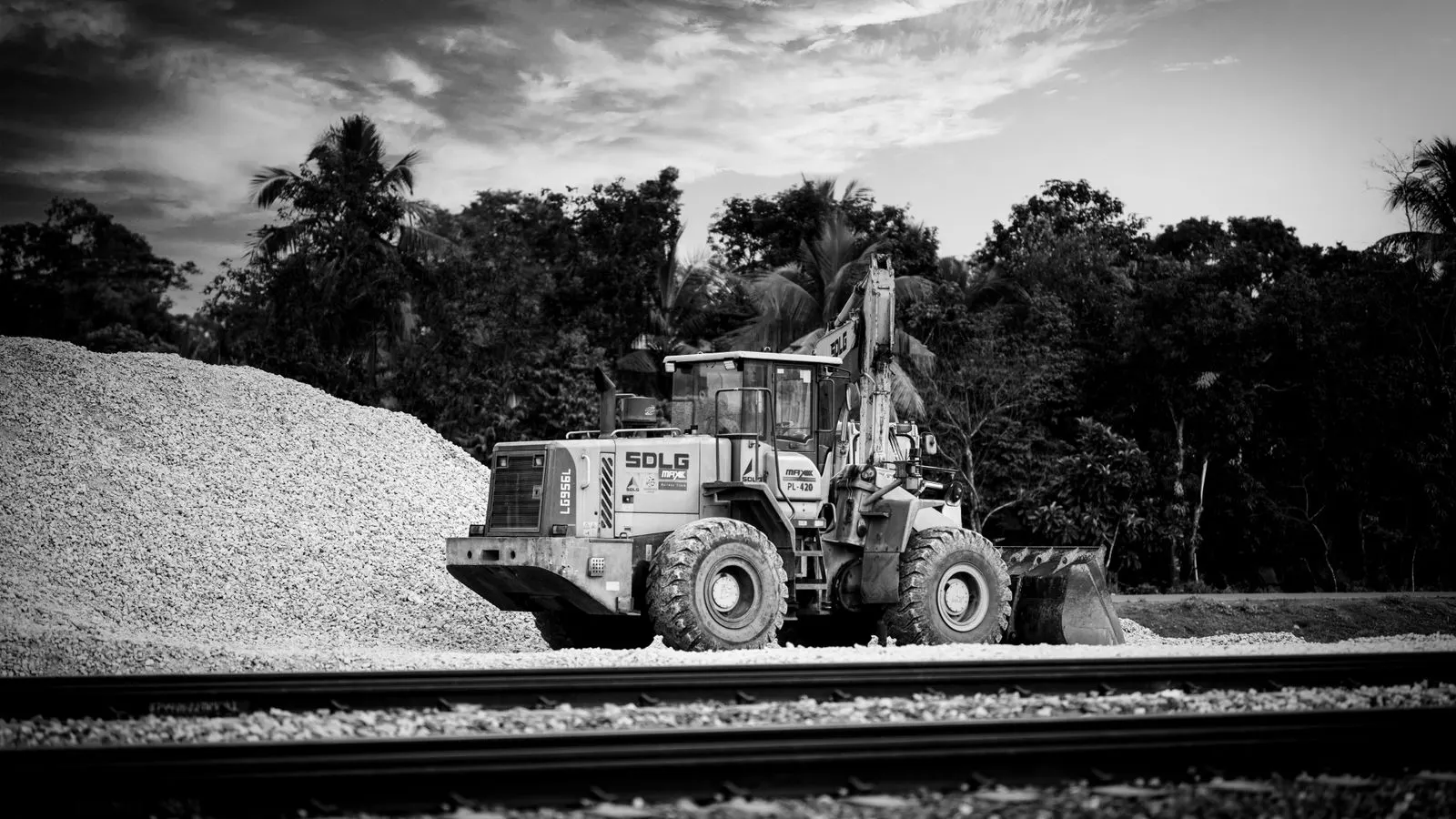
Selecting the right wheel loader requires matching machine size and power to specific site work tasks. This guide breaks down loading capacity, hydraulics, and terrain needs to help engineers choose the correct site equipment for their project.
- Match the wheel loader's loading capacity to the actual material density and daily production targets.
- Evaluate the terrain and ground conditions to determine if a standard wheel loader or an all-terrain model is required.
- Inspect the hydraulic system and engine specifications to ensure the machine can handle the specific site work without excessive wear.
- Verify operator comfort and safety features, as these directly impact productivity and reduce long-term maintenance costs.
- Review the resale value and parts availability before finalizing the purchase of new or used site equipment.
Define the Daily Production Target
The first step in choosing site equipment is calculating the required tonnage. A machine that moves too little material creates a bottleneck, while an oversized unit wastes fuel and wears parts faster than necessary. Start by measuring the average density of the material being moved, such as topsoil, sand, gravel, or demolition debris. Multiply the daily volume in cubic yards by the density to get the weight in tons.
Divide that number by the number of operating hours. This gives you the required tons per hour. Once you have that figure, compare it against the rated capacity of the wheel loaders you are considering. Do not rely solely on the bucket capacity in cubic feet. A small bucket filled with dense asphalt aggregate moves significantly more weight than a large bucket filled with loose topsoil. Always verify the rated capacity under the specific conditions of your site work.
If the daily target is high, look at machines with larger engines and higher hydraulic flow rates. If the target is low, a smaller machine will operate more efficiently. Over-specifying the machine leads to higher purchase costs, higher fuel consumption, and unnecessary tire wear.
Evaluate Loading Capacity and Bucket Geometry
Loading capacity is the net weight of material the bucket can carry under specific operating conditions. This rating depends on the bucket shape, the machine’s payload, and the angle of the material. A straight wall bucket is best for dense, cohesive materials like concrete or wet sand. A curved bottom bucket works better for loose, free-flowing materials like gravel or topsoil.
Check the bucket capacity in both cubic feet and metric tons. The cubic foot rating tells you the volume, while the ton rating tells you the weight. For site work involving mixed materials, the weight rating is the more reliable metric. A wheel loader with a 2.5 cubic foot bucket may have a lower ton rating if the material is light, which reduces its practical loading capacity.
Consider the bucket depth as well. Deeper buckets allow the operator to scoop more material in a single lift, reducing the number of trips per hour. However, deeper buckets require more engine power to lift the full load. If the site work involves short distances, a larger bucket is advantageous. If the material is moved over long distances, a smaller bucket may be more efficient because it reduces the machine’s center of gravity and improves stability.
Match the Machine to the Terrain
The ground conditions at the job site dictate the type of wheel loader required. Standard wheel loaders use pneumatic tires and are designed for firm, paved, or compacted surfaces. They are ideal for urban construction, road work, and finished areas. If the site work involves soft soil, mud, or uneven terrain, a standard loader will struggle. The tires will sink, the machine will lose power, and the operator will face control issues.
For soft or uneven ground, consider an all-terrain wheel loader. These machines use larger tires with deeper treads or tracked undercarriages. They provide better traction and flotation. The trade-off is that all-terrain models are heavier and have a lower speed on hard surfaces. They are less efficient on paved roads. If the site work involves a mix of soft and hard surfaces, evaluate the percentage of time the machine will spend on each. If soft ground dominates, prioritize traction over speed.
Check the ground clearance. A machine with low clearance will scrape rocks and roots on rough terrain. A machine with high clearance is more stable but has a higher center of gravity, which increases the risk of tipping on steep slopes. For steep grades, look for a wheel loader with a lower center of gravity and a wider wheelbase.
Inspect Hydraulics and Engine Performance
The hydraulic system controls the bucket and the lift arm. The engine provides the power. A mismatch between these two components causes slow loading and poor performance. Check the hydraulic flow rate, measured in gallons per minute. Higher flow rates allow the bucket to lift and lower faster, which increases the cycle time. For high-production site work, a high flow rate is necessary.
Check the engine horsepower and torque. The engine must be able to lift a full bucket without stalling. A weak engine will cause the machine to bog down, especially when the bucket is full and the lift arm is extended. Look for a machine with enough reserve power. If the engine is at the limit of its capacity, the hydraulic system will be under constant stress, leading to early failure.
Consider the transmission type. Power shift transmissions offer smooth shifts and are good for general site work. They allow the operator to change gears quickly while moving. Torque converter transmissions are more complex and are often found on larger machines. They provide better low-end torque and are suited for heavy lifting. If the site work involves heavy loading, a torque converter or a high-torque transmission is preferable.
Prioritize Operator Comfort and Safety
The operator spends long hours inside the cab. Comfort directly impacts productivity and safety. A fatigued operator makes more errors and reacts slower to hazards. Look for a cab with good visibility, a comfortable seat, and a well-designed control layout. The controls should be within easy reach without requiring the operator to twist their body.
Check the safety features. Modern wheel loaders have anti-tip devices, seat belt interlocks, and backup alarms. These features are non-negotiable for site work. The backup alarm should be audible in a loud construction environment. The anti-tip device should activate if the machine leans beyond a safe angle.
Also, check the lighting. Site work often continues into the evening. A machine with bright work lights and good interior lighting allows the operator to see the material clearly. Poor lighting leads to inaccurate loading and increased risk of collision with other equipment or workers.
Review Maintenance and Resale Value
Before buying, look at the maintenance schedule. Check the filter change intervals for the engine, hydraulic system, and air intake. A machine that requires frequent filter changes will have higher operating costs. Look for accessible components. If the filters and fluids are hidden inside the frame, maintenance takes longer and costs more.
Check the parts availability. If you are in a remote area, you need a reliable supply of parts. A machine with a large dealer network is easier to service. If the machine has a long downtime, the project schedule will suffer.
Consider the resale value. Wheel loaders with high demand are easier to sell. A machine that is well-maintained and has a clean service history will retain its value. When buying used site equipment, inspect the undercarriage, the bucket for cracks, and the hydraulic hoses for leaks. These items are expensive to replace and affect the machine’s value.
Criteria Table for Wheel Loader Selection
| Criterion | What to look for | Why it matters |
|---|---|---|
| Loading Capacity | Rated tons per hour, bucket shape, material density | Determines if the machine can meet the daily production target without bottlenecks. |
| Terrain Suitability | Tire type, ground clearance, all-terrain capability | Ensures the machine can operate safely and efficiently on the specific site conditions. |
| Hydraulic Flow | Gallons per minute, cylinder size | Affects the cycle time and the speed at which material is lifted and dumped. |
| Engine Power | Horsepower, torque, fuel efficiency | Provides the reserve power needed to lift full loads and maintain speed under load. |
| Cab Comfort | Seat quality, visibility, control layout | Reduces operator fatigue, which improves safety and productivity over long shifts. |
| Maintenance Access | Filter location, fluid capacity, service interval | Lower maintenance costs and reduced downtime keep the project on schedule. |
Final Decision Checklist
Before signing the contract, run through this checklist.
- Does the rated loading capacity match the daily tonnage requirement?
- Is the tire type and ground clearance suitable for the terrain?
- Does the hydraulic flow rate support the required cycle time?
- Does the engine have enough reserve power for the heaviest expected load?
- Is the cab equipped with the necessary safety features and lighting?
- Is the maintenance schedule realistic and affordable?
- Are parts and service support available within a reasonable distance?
If you cannot check all of these boxes, do not buy the machine. A wheel loader is a long-term investment. The wrong choice will cost you in fuel, parts, and lost time. Take the time to verify the specs against the site conditions. The right site equipment will save you money and keep the project moving.
Frequently asked questions
What is the difference between bucket capacity and loading capacity?
Bucket capacity is the volume of material in cubic feet. Loading capacity is the weight in tons the machine can carry. They are different metrics and both must be checked.
Can a standard wheel loader be used on soft mud?
No. Standard wheel loaders use pneumatic tires that sink in soft mud. You need an all-terrain model with tracked undercarriage or larger tires for that condition.
How do I calculate the required loading capacity?
Measure the material density and multiply by the daily volume in cubic yards to get tons. Divide by operating hours to find the required tons per hour.
What is the best bucket shape for gravel?
A curved bottom bucket is best for loose materials like gravel. It allows the material to flow out easily and reduces the number of scrapes needed.
How often should I check the hydraulic hoses?
Check them daily for leaks and wear. Inspect the fittings and the hose routing for chafing. Replace any hose that shows signs of cracking or bulging.