Checklist: Daily Hydraulic Leaks Inspection for Excavators
A structured daily inspection catches small hydraulic leaks before they become major failures. This checklist walks operators through visual checks for hose damage, cylinder seal failure, and pump case leaks. It highlights red flags that signal immediate action and connects fluid loss to machine safety.
- Short daily checks identify small hose abrasions and weeping cylinder rods before they cause major downtime.
- Track leak locations and patterns to distinguish normal weep seals from active failure points.
- Combine visual inspection with pressure checks to catch internal pump leaks that do not show external drips.
- Document findings in a log to support maintenance planning and vendor-neutral parts replacement decisions.
- Stop work immediately if leaks are accompanied by unusual noises, loss of control, or visible hose bulging.
Why Daily Inspection Matters for Hydraulic Leaks
Hydraulic fluid is the lifeblood of an excavator. It powers the boom, arm, stick, and swing functions. When fluid escapes, the system loses pressure. The machine slows down. Operators lose precision. In severe cases, the excavator cannot perform the task it was hired to do.
A daily inspection catches issues while they are small. A pinhole leak in a hose fitting takes minutes to find. The same hose, if ignored for weeks, can burst under pressure. The cost of replacement and the downtime that follows are far greater. This is not just an economic argument. It is a safety argument.
Hydraulic leaks create slick surfaces. They can pool around the operator platform or track pads. They can obscure view of the work area. They can cause a slip. They can mask other problems, such as a misaligned hose that is rubbing against a structural member. A systematic daily inspection removes guesswork. It gives the operator and the maintenance technician a clear picture of the machine’s health at the start of each shift.
Pre-Inspection Setup
Before walking around the machine, prepare the area. Park the excavator on level ground. Lower the bucket to the ground. Engage the parking brake. Turn off the engine and remove the key. Allow the hydraulic system to cool for at least thirty minutes. Hot fluid burns and runs off faster than cold fluid, making leaks harder to trace.
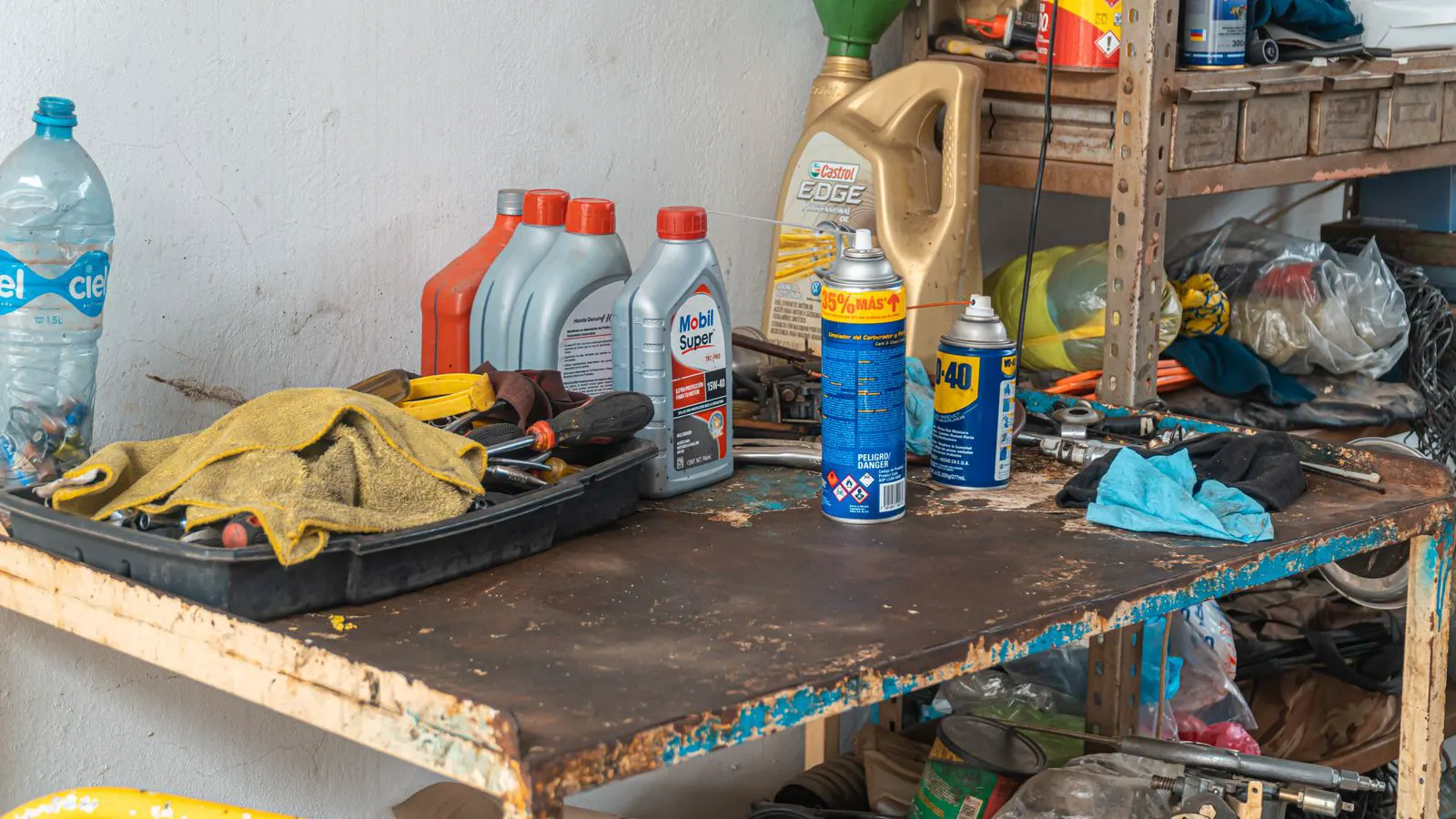
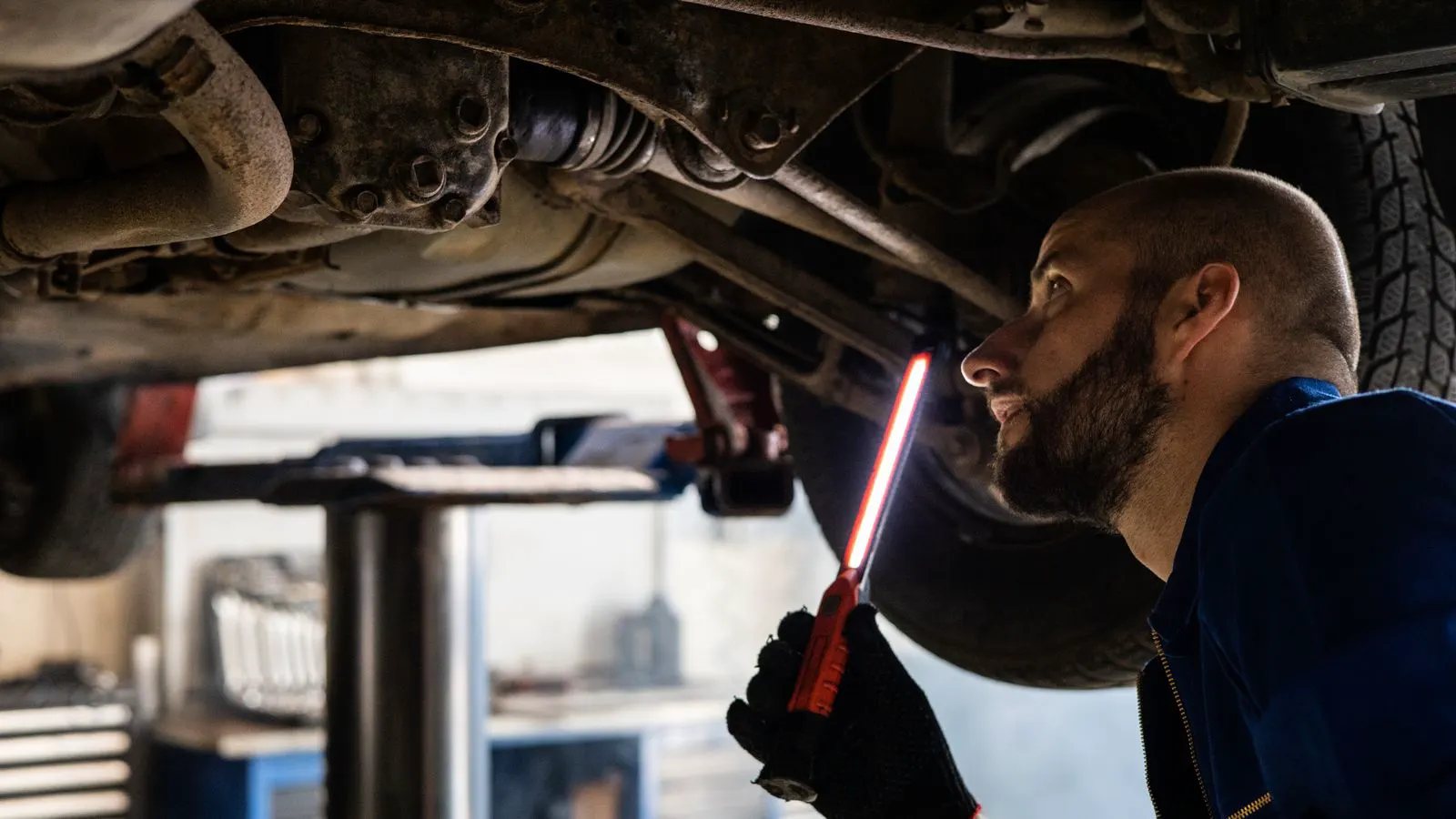
Gather the tools you will need. A clean white rag is the most useful item in this check. It wipes away old grime and reveals fresh fluid. A flashlight or headlamp helps in shaded areas. A notebook or a digital log is needed to record findings. A marker or tape is useful for flagging a specific leak point.
Wear the right personal protective equipment. Gloves protect hands from fluid and sharp edges. Safety glasses protect eyes from splashing or dripping fluid. Steel-toed boots protect feet from heavy components. If you are checking under the machine, use a wheel chock to prevent rolling.
Visual Check: Hoses and Fittings
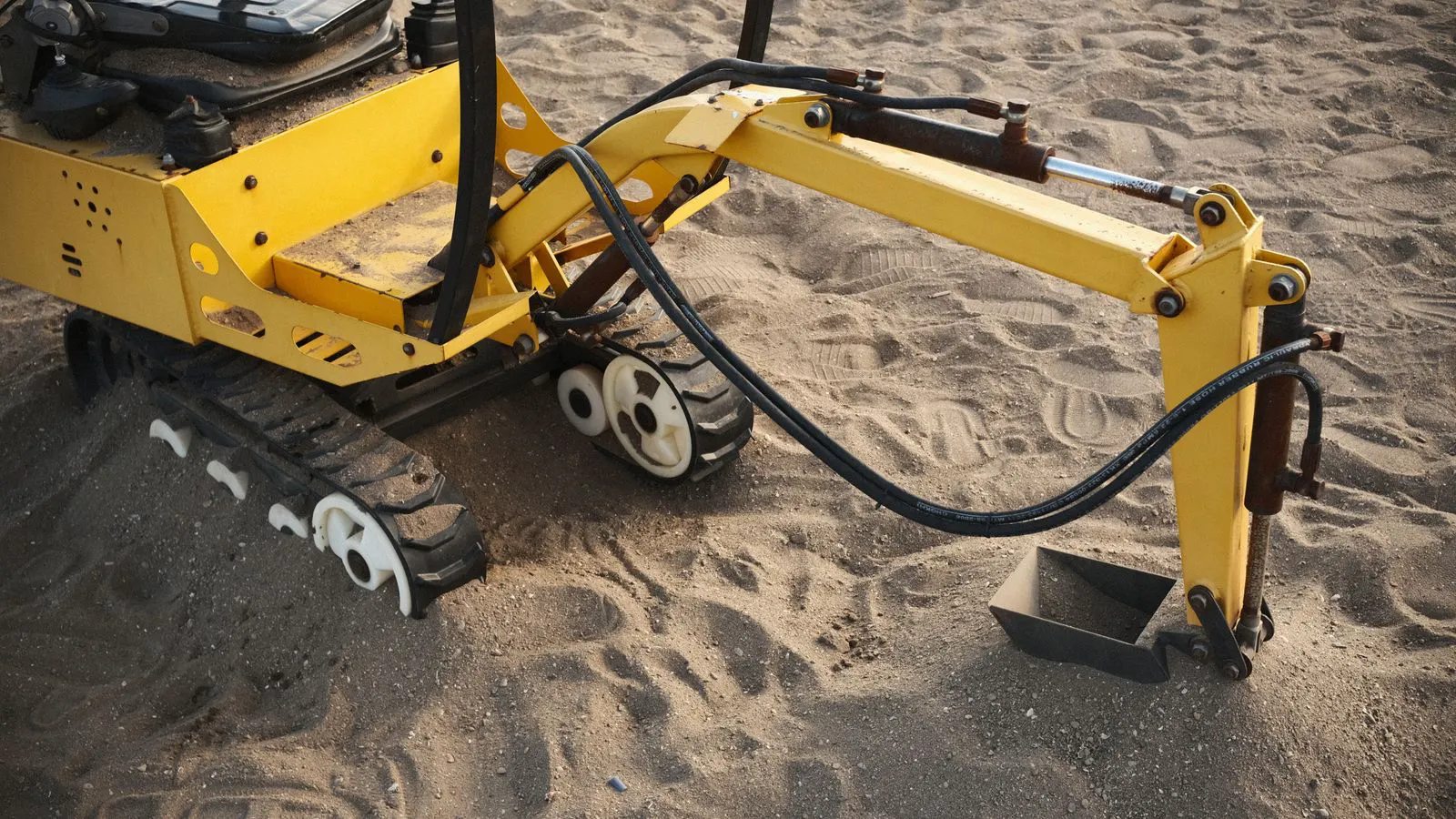
Start at the engine compartment and move outward. Inspect each hydraulic hose. Look for cracks, abrasions, bulges, or kinks. The outer jacket of a hose should be smooth and uniform. A soft or spongy feel indicates internal damage. A bulge near a fitting suggests a pressure build-up that is weakening the hose wall.
Check each fitting. Tighten only if you find a loose nut, but do not over-tighten. Many fittings use thread sealant or crush washers. Over-tightening can crack the fitting or strip the threads. A weeping fitting is a common early sign of failure. It may be caused by a worn washer or a small thread damage.
Run your fingers along the hose path, but do not touch the fluid directly. Feel for heat. A hose that is hotter than its neighbors may be carrying fluid under abnormal pressure. Check for chafing. Hoses rub against structural members, tracks, and the ground. A small groove in the hose jacket is a warning. A deep cut is a failure waiting to happen.
Use the white rag to wipe down the area around a suspicious fitting. Wipe in a circular motion. Watch for a fresh streak of fluid. If the fluid is red, it is a mineral oil. If it is dark, it may be contaminated with dirt or metal particles. If it is clear, it may be water or glycol, which is a sign of a cooling system mix-up.
Visual Check: Cylinders and Rods
Cylinders are the workhorses of the excavator. The boom, arm, and stick cylinders extend and retract to move the workhead. Inspect the cylinder barrels. Look for rust, paint peeling, or dents. A dented barrel can crack under pressure.
Inspect the piston rods. The rod is the metal shaft that extends out of the barrel. It should be smooth and free of pitting. A pitted rod indicates seal damage. The rod seal is what keeps fluid inside the cylinder and keeps dirt out. When the seal wears, fluid weeps out around the rod.
Check the rod guides. These are the bushings inside the barrel that support the rod. A worn guide causes the rod to wander. The weeping point moves from one side of the rod to the other. This is a clear sign of internal wear.
Look at the cylinder end caps. They should be tight and free of leaks. A leak at the end cap usually means a worn O-ring or a cracked housing. A leak at the rod side is more common and often manageable with a seal replacement. A leak at the gland side is more serious and may require the cylinder to be pulled for repair.
Visual Check: Pumps and Motor
The hydraulic pump converts engine power into fluid pressure. It is usually mounted to the engine or the transmission. Inspect the pump case. Look for fluid at the case drain port. A small amount of weeping is normal. A steady stream is not.
Check the pump mounting bolts. They should be tight. A loose bolt allows the pump to shift. This changes the alignment with the drive shaft. The shaft seal will leak. The seal is a small but expensive part. A leak at the shaft seal is a clear sign of misalignment or wear.
Inspect the motor if the excavator has a hydraulic drive. Some models use a hydraulic motor for the tracks. Look at the motor case. Check for fluid at the port connections. A leak at a motor port can be a sign of a cracked manifold.
Listen to the pump. Run the engine at idle. Watch the gauge pressure. If the pressure drops without a visible leak, the pump may be internally worn. The fluid may be bypassing the valve instead of being delivered to the cylinders. This is a harder leak to find because it does not show externally.
Red Flags and Immediate Action Items
Some leaks are not just maintenance items. They are safety hazards. Stop work immediately if you see any of the following.
- A hose that is bulging or has a visible crack.
- A leak that sprays fluid under pressure.
- A leak that causes a loss of control in any function.
- A leak that pools under the machine and creates a slip hazard.
- A leak that is accompanied by a burning smell or visible smoke.
If you see any of these, do not operate the machine. Call a maintenance technician. Do not try to drive the machine to a workshop. The risk of a burst hose or a loss of control is too high.
A weeping fitting that is small and contained is not an emergency. It is a maintenance item. Record it. Plan the repair for the next service window. A weep seal that is consistent and slow is often manageable. A weep seal that is increasing in size is not.
Documentation and Maintenance Planning
Write down every leak you find. Note the location. Note the type of fluid. Note the rate of loss. Note the weather conditions. Note the machine hours. This log is valuable. It helps you spot patterns.
If you see a leak in the same hose every month, the hose is wearing out. Replace it before it fails. If you see a leak at the same cylinder, the seal is worn. Replace the seal. If you see a leak at the pump shaft, the pump may need service.
Share this log with your maintenance team. They can use it to plan parts orders. They can use it to schedule downtime. They can use it to negotiate with vendors. A well-kept log is a tool for cost control. It is also a tool for safety. It ensures that small problems are not ignored until they become big ones.
Summary of the Checklist
Use the following checklist as a quick reference. Print it. Keep it in the operator cabin. Check it off every morning.
- Park the machine on level ground. Lower the bucket. Engage the brake. Turn off the engine.
- Allow the system to cool for thirty minutes.
- Gather a white rag, flashlight, notebook, and PPE.
- Inspect all hoses for cracks, abrasions, and bulges.
- Check all fittings for weeping. Wipe with a rag to reveal fresh fluid.
- Inspect cylinder barrels and piston rods for pitting and weeping.
- Check cylinder end caps and rod guides for leaks.
- Inspect the hydraulic pump case and shaft seal.
- Check the hydraulic motor for leaks at the ports.
- Listen to the pump at idle. Watch the pressure gauge.
- Record all findings in the log.
- Flag any red flags and stop work.
A daily inspection is a small habit that pays off in large ways. It protects the machine. It protects the operator. It protects the business. Do it every day. Do it every time. Do it right.
Frequently asked questions
How often should I check for hydraulic leaks?
Every day, before starting work. A short visual check takes ten to fifteen minutes. It catches early-stage leaks that can be fixed cheaply.
Is a small weep seal a normal part of hydraulic maintenance?
A small, consistent weep at a rod seal is common. It is not an emergency. A large, increasing weep or a leak at a fitting is a sign of failure and needs repair.
Can I tighten a leaking fitting to fix the problem?
Only if the fitting is clearly loose. Over-tightening can crack the fitting or strip the threads. If the fitting is tight and still leaking, the washer or seal is worn. Replace it.
What is the best way to identify a hidden internal leak?
Run the engine at idle and watch the pressure gauge. If the pressure drops without an external leak, the pump may be internally worn. Call a technician.
Do I need to clean the machine before checking for leaks?
A light wipe with a white rag is enough. You do not need to wash the machine. The rag reveals fresh fluid against the old grime. A full wash is not required for this check.