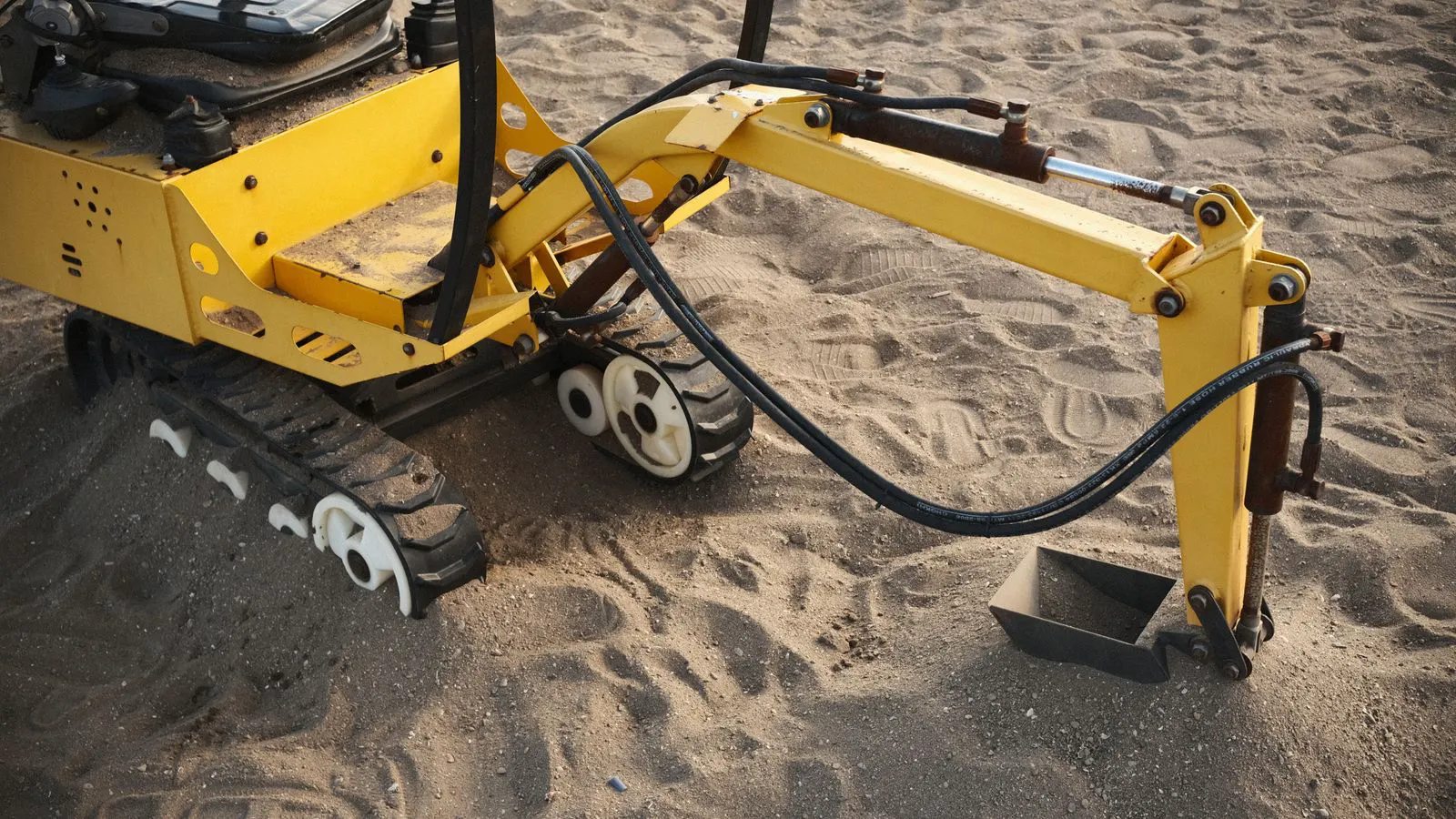
Outlook: Autonomous Hydraulics in Excavator Fleets
Autonomous hydraulics will shift excavator control from manual input to sensor-driven logic, reducing operator fatigue and improving cycle consistency. This changes maintenance from reactive to predictive, requiring new skills in software monitoring and hydraulic diagnostics.
- Autonomous hydraulics reduces operator variability by applying consistent force and speed to hydraulic actuators.
- Fleet maintenance shifts toward software monitoring and sensor health checks rather than purely mechanical inspections.
- Operators need retraining to become system supervisors who manage alerts and data inputs.
- Infrastructure preparation includes network connectivity and secure data storage for telemetry.
- Buyers should prioritize machines with open data interfaces for future automation upgrades.
The Shift from Manual Input to Closed-Loop Control
Excavator hydraulics have long relied on the operator to modulate flow and pressure. A skilled driver knows when to feather a pump or when to throttle a boom. Autonomous hydraulics changes this relationship. The system now senses load, position, and cycle requirements, then adjusts hydraulic output in real time. The operator sets the goal. The machine executes the motion.
This shift is not just about automation. It is about consistency. A human operator varies. A hydraulic system running on a closed-loop algorithm does not. The pump maintains target pressure. The valve opens and closes at calculated rates. The boom and stick hold position against variable resistance without drift. For a fleet, this means less wear on seals and cylinders due to shock loading or overpressure events.
Buyers must understand that this technology changes the machine’s character. It behaves more like a controlled process machine than a traditional construction tool. The difference matters when evaluating maintenance contracts, operator training, and fleet utilization. A machine that holds position for hours at a quarry face has different hydraulic stress patterns than one that digs continuously in soft soil. Understanding these patterns is the first step in planning for the future.
How Autonomous Hydraulics Changes Daily Inspection Routines
Daily checks remain, but their focus shifts. Today, a technician walks an excavator and checks for visible fluid leaks, loose fittings, and abnormal noises. In an autonomous hydraulics setup, the machine reports its own health before the technician arrives. The operator sees a dashboard with pressure variance, temperature trends, and filter saturation levels.
This does not eliminate physical inspection. Seals still wear. Hoses still crack. Sensors still fail. But the routine changes. Instead of looking for a leak that is already visible, the technician checks for a pressure drop that was logged at 0600 hours. The inspection becomes data-verified. A leak that is small but consistent now shows up in a trend line before it becomes a puddle under the machine.
The daily walk-around still matters for things sensors cannot detect. A damaged hose chafed against a frame rail. A fitting that is tight but leaking due to vibration. A cylinder guard that is cracked and exposing a seal to debris. These physical checks complement the digital data. The technician becomes a hybrid inspector, using the screen to point to a problem area, then using eyes and hands to confirm and repair it.
For fleet managers, this changes the inspection schedule. High-use machines may need less frequent physical checks if the data confirms healthy operation. Low-use machines, sitting in storage, need more frequent manual checks because the system is not running. The data tells you which machines are active and healthy. The manual check tells you what the data missed.
The Rise of Predictive Maintenance in Hydraulic Systems
Predictive maintenance was previously a theoretical goal. It required sensors and software that many fleets could not afford or maintain. Autonomous hydraulics makes this practical. The same sensors that control the hydraulic valves also monitor their performance. Flow rate, pressure, and temperature are measured thousands of times per second.
When a pump begins to lose efficiency, the system detects it. The flow rate at a given pressure drops slightly. The temperature rises. The software flags the anomaly. The maintenance team receives an alert before the pump fails. The repair happens during a planned window. The machine does not break down in the middle of a critical task.
This is different from scheduled maintenance. Changing oil every 500 hours is a schedule. Replacing a pump when its performance degrades is predictive. The latter saves money because it avoids unnecessary parts replacements and extends the life of components that are still healthy. It also saves downtime because the repair is planned.
For fleet leaders, the challenge is data interpretation. The software will flag many things. Some are critical. Some are minor. The team needs to learn which alerts require immediate action and which can wait. This requires training. It also requires clear procedures. Who reviews the alerts? How are they prioritized? What is the response time? Without these rules, the data becomes noise.
The relationship between predictive maintenance and operator behavior changes. Operators no longer blame the machine for a slow cycle. They can see the hydraulic system is working within normal parameters. The slow cycle is due to soil conditions or task requirements. This changes the culture. The machine becomes a partner, not a source of frustration.
Operator Role Transition and Training Needs
The operator’s job changes when autonomous hydraulics arrives. The person who once controlled every valve and pump adjustment now supervises the system. They set the work parameters. They monitor the dashboard. They respond to alerts. They make judgment calls when the system is uncertain.
This is a significant shift in skill requirements. Operators who are mechanical and intuitive may struggle with data-driven interfaces. They need to learn how to read trends, understand pressure curves, and interpret system messages. The physical act of driving the machine becomes less central. The mental act of managing the system becomes more central.
Training programs must evolve. The new curriculum includes basic data literacy. Operators learn what a pressure variance means. They learn how to reset a sensor alert. They learn when to call for maintenance. They learn how to document issues for the maintenance team. This is not just technical training. It is a change in mindset.
The operator also becomes a quality control point. If the autonomous system is not holding position correctly, the operator knows. They can report the issue with specific data points. “The boom drifted two degrees at 1400 psi.” This level of detail was rare before. Now it is part of the daily report.
For fleet managers, the training investment is significant. It is not just about teaching new software. It is about changing how people think about their work. The operator is no longer just a driver. They are a system supervisor. This role requires a different skill set and a different attitude toward technology.
Infrastructure and Connectivity Requirements
Autonomous hydraulics is not just on the machine. It is in the network. The machine needs connectivity to send data to a central server. The server needs software to process and analyze the data. The team needs a way to access and act on the information.
This infrastructure is often the most overlooked part of the transition. Many fleets assume that buying an autonomous machine is enough. They do not plan for the data pipeline. Without reliable connectivity, the data cannot reach the maintenance team. Without a central server, the data is not analyzed. Without a dashboard, the team cannot see the information.
The network must be secure. Excavator data is not just operational information. It is location data. It is production data. It is maintenance data. This data has value. It can be used to optimize operations. It can also be targeted by competitors or malicious actors. Fleet leaders must plan for cybersecurity. Access controls. Data encryption. Regular audits.
The connectivity also affects the maintenance workflow. If the machine is in a remote area with poor signal, the data may be delayed. The maintenance team may not see an alert until the next time the machine connects. This requires planning. The machine may need to store data locally. The maintenance team may need to review data after the machine returns to a connected area.
For buyers, this means evaluating the total cost of ownership. The machine price is just one part. The connectivity costs. The software licenses. The cybersecurity measures. The training. The data storage. All of these add to the total cost. A fleet that plans for these costs will be better prepared than one that only looks at the purchase price.
Fleet Strategy and Procurement Considerations
When buying excavators with autonomous hydraulics, the decision is not just about the machine. It is about the fleet. The machines must work together. The data must be compatible. The maintenance processes must be consistent.
Buyers should look for open data interfaces. If the machine uses a proprietary system, the data may be locked. The fleet may not be able to integrate it with other systems. An open interface allows the data to flow into a central platform. This makes it easier to manage a mixed fleet.
The fleet should also consider the mix of autonomous and non-autonomous machines. A fully autonomous fleet may be too expensive. A fully manual fleet may not be future-ready. A mixed fleet allows the fleet to learn and adapt. The autonomous machines can handle high-precision tasks. The manual machines can handle general work.
The maintenance contract also changes. If the machine is autonomous, the maintenance contract may include software support. The contract may cover sensor replacements and software updates. The fleet must understand what is included. The contract should be clear about response times and service levels.
The procurement process should include a data assessment. The fleet should understand how the data will be collected, stored, and used. The fleet should have a plan for data ownership. The fleet should have a plan for data retention. The fleet should have a plan for data security.
These are not technical details. They are business decisions. They affect the fleet’s long-term strategy. The fleet that plans for data integration will be more efficient. The fleet that ignores it will struggle.
Preparing for the Autonomous Hydraulics Transition
The transition to autonomous hydraulics is not happening overnight. It is happening now. The fleet that prepares will be ahead. The fleet that waits will be behind.
The first step is education. The team needs to understand what autonomous hydraulics is. They need to understand how it changes their work. They need to understand the benefits and the challenges. This education should be ongoing. It should not be a one-time event.
The second step is infrastructure. The fleet needs to plan for connectivity. It needs to plan for data storage. It needs to plan for cybersecurity. These plans should be documented. They should be reviewed regularly.
The third step is process. The fleet needs to update its maintenance procedures. It needs to update its operator training. It needs to update its reporting systems. These processes should be tested. They should be refined over time.
The fourth step is procurement. The fleet should buy machines that are compatible with its plan. It should buy machines with open data interfaces. It should buy machines with reliable sensors. It should buy machines from manufacturers that support the transition.
The fifth step is culture. The fleet needs to change its culture. It needs to embrace data. It needs to embrace change. It needs to value learning. The fleet that values learning will adapt. The fleet that resists change will fall behind.
The transition to autonomous hydraulics is a journey. It is not a destination. The fleet that takes the journey will be better prepared. The fleet that stays on the old path will miss the opportunity. The opportunity is real. The benefits are clear. The time to prepare is now.
Frequently asked questions
Will autonomous hydraulics eliminate the need for manual hydraulic inspections?
No. Physical inspections remain necessary for damage that sensors cannot detect. The routine shifts toward data-verified checks.
How does autonomous hydraulics affect operator training?
Operators must learn data literacy and system supervision. The training becomes more technical and less focused on manual control.
What infrastructure is needed for autonomous hydraulics?
Reliable connectivity, secure data storage, central servers, and cybersecurity measures are required for effective data processing.
Should fleets buy fully autonomous excavators?
A mixed fleet approach is often practical. Autonomous machines handle precision tasks. Manual machines handle general work.
How do buyers know if a machine has an open data interface?
Check the manufacturer's specifications. Look for API access or standard data export formats. Ask about integration capabilities.